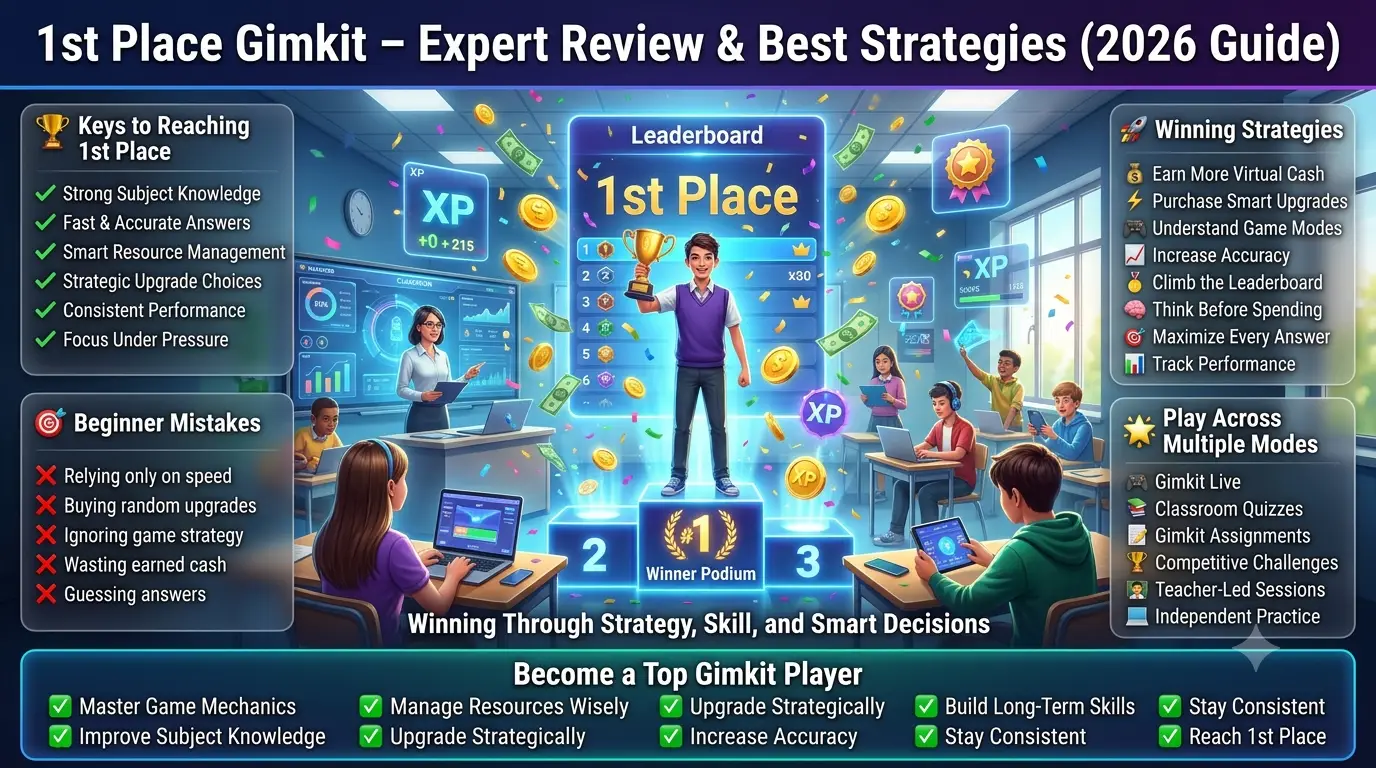
How Top Players Consistently Finish First | Winning consistently in Gimkit isn’t about answering questions faster than everyone else—it’s about making smarter decisions throughout the entire match.
The players who regularly finish at the top understand how to balance speed, economy, upgrades, and risk while adapting to changing game conditions. They treat every round as a series of strategic decisions rather than simply trying to earn as much cash as possible.
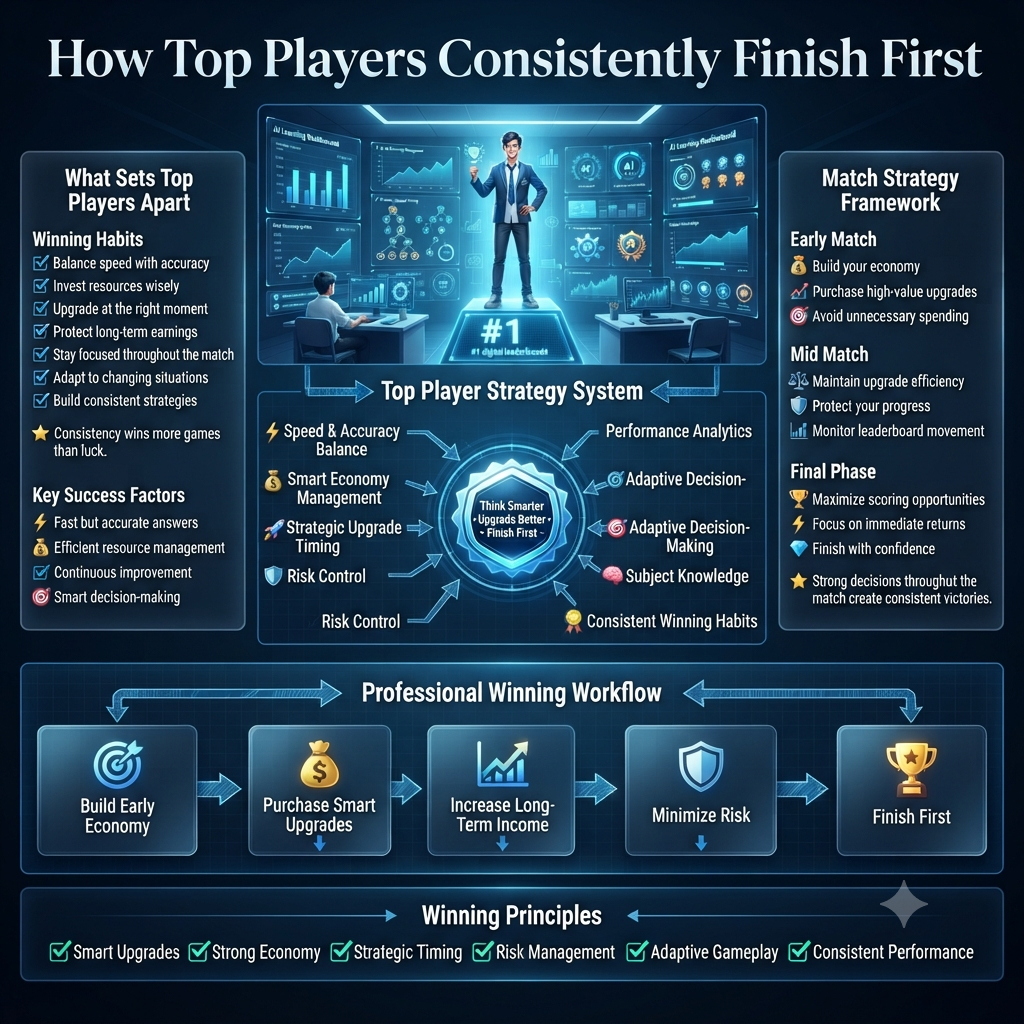
🎯 What Sets Top Players Apart
⚡ Balance Speed & Strategy – Focus on both fast answers and smart decision-making.
💰 Manage the Economy Wisely – Spend resources where they provide the greatest value.
🚀 Upgrade at the Right Time – Make purchases that support long-term performance.
⚖️ Control Risk – Avoid unnecessary decisions that can slow progress.
🔄 Adapt to Changing Conditions – Adjust strategies as the match develops.
While knowledge of the subject being tested certainly matters, experienced players know that strong gameplay mechanics often determine who reaches first place. Two players with similar academic knowledge can finish in completely different positions because one invests wisely, times upgrades effectively, avoids unnecessary risks, and reacts quickly to opponents’ strategies. Consistency comes from building reliable habits that produce good results across different game modes instead of relying on luck or occasional winning streaks.
📈 What You’ll Learn in This Guide
🧠 Successful Player Habits – The routines used consistently by top-performing players.
🎯 Smarter Decision-Making – Learn how experienced players make better choices during every stage of a match.
💡 Practical Gameplay Techniques – Apply strategies that improve consistency and overall performance.
🏅 Better Results in Every Game – Whether you’re competing in classroom games, practicing independently, or improving your leaderboard position, these techniques help you make better decisions from the opening seconds of a match until the final countdown.
Looking for comprehensive classroom resources and educational technology insights? Explore GimkitApp for expert guides, teaching strategies, game modes, and the latest updates to enhance student engagement.
Why Do Some Players Almost Always Finish First?
The biggest difference between average players and consistent winners isn’t intelligence—it’s decision quality. Top players treat every match as a sequence of strategic choices rather than a race to answer the most questions. Every correct answer, upgrade purchase, and investment is evaluated based on how it will improve their position later in the game, not just in the next few seconds.
Average players often focus only on immediate rewards. They earn cash and spend it instantly, rush through questions without considering accuracy, or become distracted by temporary leaderboard positions. These decisions may create short bursts of progress, but they rarely produce consistent victories.
Experienced players think differently. They understand that Gimkit has an economic layer as well as a knowledge layer. Building a stronger economy early often leads to faster growth later, allowing them to purchase better upgrades and maintain momentum while competitors begin slowing down.
Comparing Average Players and Consistent Winners
Average Players
Consistently Winning Players
Focus on immediate points
Focus on long-term growth
Spend money as soon as it’s earned
Invest only when purchases provide value
Chase the current leader
Follow a structured strategy
Rush difficult questions
Balance speed with accuracy
Change strategy after every setback
Stay disciplined and adapt only when necessary
Depend on luck or momentum
Depend on repeatable decision-making
This difference may appear small at first, but over a 15–20 minute match it becomes increasingly noticeable. Better decisions made consistently generate better results, even when competitors answer a similar number of questions correctly.
💡 Pro Tip: Instead of asking, “How can I get first place right now?” ask, “What decision gives me the biggest advantage five minutes from now?” This simple mindset shift encourages smarter investments and reduces impulsive mistakes.
The Psychology Behind Consistent Winners
One of the least discussed aspects of Gimkit success is mindset. High-performing players approach matches with a calm, methodical attitude rather than becoming overly excited or frustrated by short-term results. They recognize that leaderboards constantly change and that an early deficit doesn’t necessarily predict the final outcome.
This emotional control has practical benefits. Players who remain composed are more likely to read questions carefully, evaluate upgrade options objectively, and recover quickly from mistakes. In contrast, players who panic after falling behind often rush answers, overspend on unnecessary upgrades, or abandon strategies that were working well.
Successful players also understand the value of patience. They don’t feel pressured to purchase every available upgrade or react immediately to every movement on the leaderboard. Instead, they wait for opportunities that genuinely improve their long-term performance.
⭐ Expert Insight: The most successful Gimkit players compete against their own decision-making before they compete against other players. Improving the quality of each decision naturally improves leaderboard performance over time.
Core Characteristics Every Top Player Develops
Although every experienced player has their own style, most share several habits that contribute to long-term success.
Traits That Separate Elite Players
Characteristic
Why It Matters
Strategic patience
Prevents wasteful spending and rushed decisions.
Consistent accuracy
Creates reliable income and steady progression.
Adaptability
Allows players to respond effectively to changing match conditions.
Resource management
Maximizes the long-term value of every earned dollar.
Situational awareness
Helps identify when strategies should change.
Continuous improvement
Turns every match into a learning opportunity.
These characteristics aren’t natural talents—they’re skills that develop through deliberate practice and thoughtful reflection. Players who intentionally improve these areas usually see noticeable progress regardless of their starting experience level.
Build the Foundation Before Learning Advanced Strategies
Every advanced tactic in Gimkit depends on having a strong foundation. Learning complex investment strategies or advanced opponent analysis won’t produce consistent results if the basics are weak. Players who dominate leaderboards typically master the fundamentals before experimenting with more sophisticated techniques.
Your foundation should include:
Understanding how different game modes influence strategy.
Maintaining a balance between speed and accuracy.
Managing resources with long-term goals in mind.
Staying adaptable instead of following rigid routines.
Remaining calm under pressure and recovering quickly from mistakes.
These principles will serve as the framework for every strategy discussed throughout the rest of this guide. Once this foundation is in place, it becomes much easier to optimize your economy, choose better upgrades, respond to opponents, and consistently compete for first place.
Prepare Before the Match Starts Like Top Players
Many players believe the real competition begins when the countdown reaches zero. In reality, experienced Gimkit players start preparing long before they answer their first question. The opening moments of a match have a significant influence on everything that follows, and players who begin with a clear strategy usually make better decisions throughout the game.
Preparation doesn’t require memorizing every question or predicting exactly what opponents will do. Instead, it involves understanding the game mode, recognizing the objectives, planning your early priorities, and entering the match with a flexible mindset. These habits reduce hesitation and allow you to react confidently when the game begins.
Professional competitors in many games follow the same principle. They spend time preparing because preparation reduces uncertainty, and less uncertainty leads to better decision-making. Gimkit is no different. Even classroom matches reward players who think before they act.
Understand the Objective Before Focusing on the Leaderboard
One of the most common mistakes beginners make is assuming that every Gimkit game should be played exactly the same way. While answering questions remains the foundation of every match, different game modes reward different strategies. A player who ignores these differences often struggles despite having excellent subject knowledge.
Before the timer starts, identify what actually determines success in that specific match.
Ask yourself:
Is the goal to earn the most cash?
Does survival matter more than rapid income?
Are power-ups a major part of the gameplay?
Will the match be short or extended?
Is individual performance more important than teamwork?
Answering these questions helps you develop a strategy that matches the game’s objective instead of blindly following habits from previous matches.
💡 Pro Tip: Never assume your previous winning strategy will automatically work in the next game. Treat every match as a new challenge with its own conditions.
Different Game Modes Require Different Strategies
One reason experienced players consistently outperform others is that they adjust their decision-making based on the current game mode. Instead of relying on one universal strategy, they recognize how different mechanics influence earning potential, upgrade value, and risk.
How Strategy Changes Across Game Modes
Game Mode Situation
Primary Focus
Strategic Priority
Standard economy-based matches
Build income steadily
Long-term investment
Fast-paced competitive rounds
Maintain momentum
Efficient decision-making
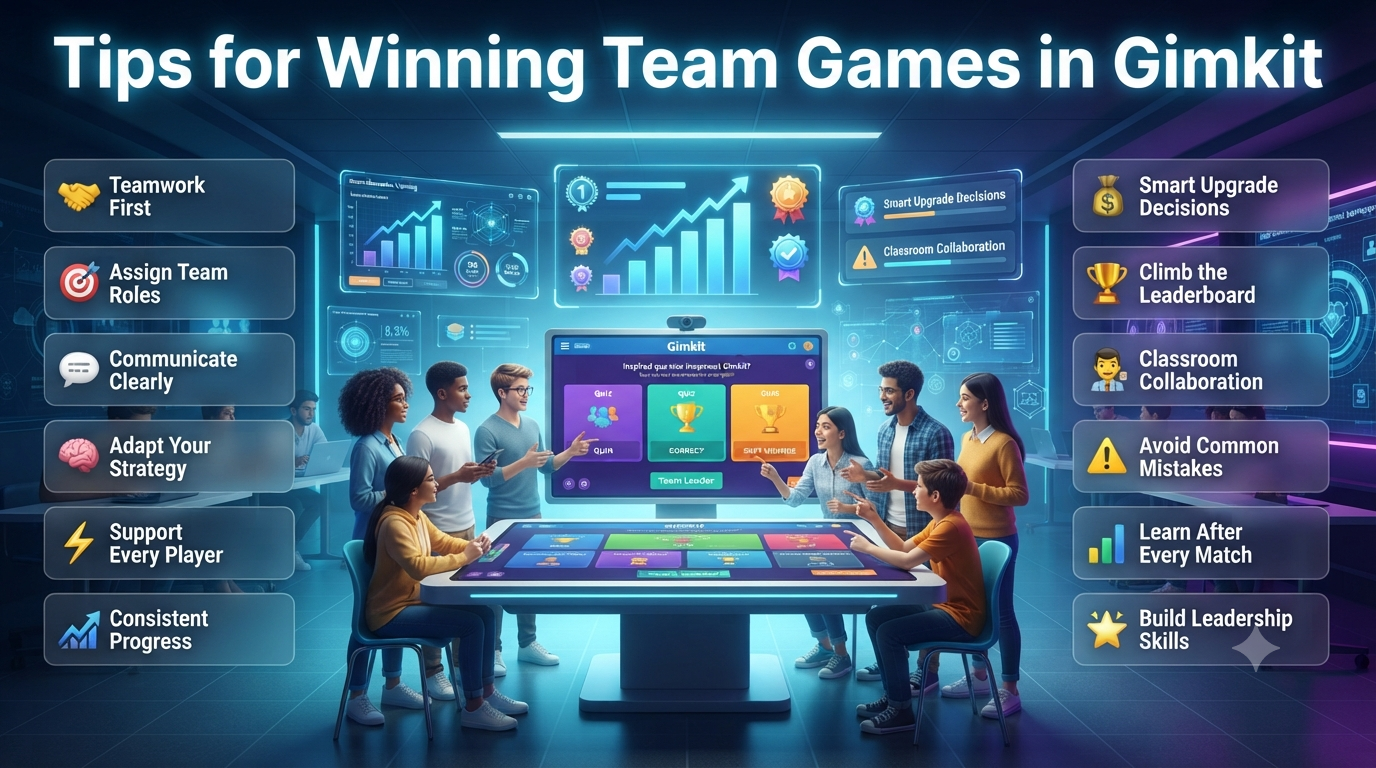
Team-based matches
Support overall team success
Consistent contribution
Survival-focused gameplay
Minimize unnecessary risks
Smart resource management
Short classroom activities
Immediate efficiency
High-value early decisions
Although the exact mechanics vary between modes, one principle remains consistent: players who adapt outperform players who repeat the same routine regardless of circumstances.
⭐ Expert Insight: Adaptability is one of the strongest competitive advantages in Gimkit. Flexibility allows experienced players to remain effective even when classroom rules, game settings, or objectives change.
Set Clear Priorities Before the First Question
The first minute of a match often feels chaotic. Questions appear quickly, players rush to earn points, and the leaderboard begins changing almost immediately. Without clear priorities, it’s easy to become reactive instead of strategic.
Top players simplify this problem by deciding what matters most before the game even begins.
Recommended Early Priorities
Priority
Purpose
Maintain high accuracy
Creates reliable income from the beginning.
Observe match pace
Helps determine whether aggressive or patient play is more effective.
Build a stable economy
Provides stronger purchasing power later.
Avoid emotional decisions
Prevents unnecessary mistakes during the opening minutes.
Follow your planned strategy
Maintains consistency under pressure.
Having predefined priorities reduces hesitation because each decision is guided by an overall plan instead of momentary emotions.
Read the Match Instead of Playing on Autopilot
Experienced players constantly gather information while they play. They pay attention to the speed of the leaderboard, how quickly money is accumulating, whether upgrades are becoming more valuable, and how the overall pace compares with previous matches.
Average players often ignore these signals until they’re already falling behind.
Match Signals Worth Monitoring
Is everyone progressing quickly or slowly?
Are leaderboard positions changing frequently?
Are your upgrades producing noticeable improvements?
Are mistakes becoming more costly?
Is there enough remaining time for long-term investments?
Reading these signals allows you to adjust your strategy before problems become difficult to recover from.
📌 Quick Note: Awareness is different from distraction. Top players observe the match without constantly interrupting their concentration.
Build a Flexible Game Plan Instead of a Fixed Script
One misconception among newer players is that successful competitors always follow the exact same upgrade order or spending routine. In reality, experienced players use flexible frameworks rather than rigid scripts.
A flexible strategy answers questions like:
What is my current objective?
Which upgrade provides the greatest value now?
Has the pace of the match changed?
Should I continue investing or prepare for the final phase?
Because these questions are reviewed continuously, the strategy evolves naturally as the game progresses.
Fixed Strategy vs Flexible Strategy
Fixed Strategy
Flexible Strategy
Same actions every match
Decisions based on current conditions
Ignores changing circumstances
Responds to new opportunities
Predictable results
More consistent long-term performance
Difficult to recover after mistakes
Easier to adapt and recover
The ability to change course without abandoning your overall plan is one of the defining characteristics of players who consistently finish near the top.
⚠ Common Mistake: Copying another player’s strategy without understanding why it works often leads to disappointing results. Good strategies depend on timing, game mode, and current match conditions.
Create a Winning Routine Before Every Match
Consistency begins before the first question appears. Developing a simple pre-match routine helps you enter every game with focus and confidence.
Pre-Match Checklist
✅ Understand the game mode and winning objective.
✅ Decide your early priorities before the timer starts.
✅ Commit to balancing speed with accuracy.
✅ Plan to build a sustainable economy rather than chasing instant points.
✅ Stay flexible and prepare to adjust as the match evolves.
✅ Ignore early leaderboard pressure and trust your strategy.
This routine takes only a few seconds but creates a strong mental framework for the rest of the game. Instead of reacting emotionally to every change, you’ll make deliberate decisions that support long-term success.
Master the Opening Minutes to Build a Winning Advantage
The first few minutes of a Gimkit match are often the most influential. This is where successful players begin creating an advantage that continues growing throughout the game. While many competitors become obsessed with climbing the leaderboard immediately, experienced players concentrate on building a foundation that will make earning money easier, upgrading faster, and maintaining momentum throughout the remainder of the match.
Think of the early game as planting seeds rather than harvesting results. The choices you make during this stage may not produce an instant jump to first place, but they determine how quickly your progress accelerates later. A player who builds a strong economy early can often overtake aggressive competitors during the middle stages of the game without taking unnecessary risks.
One of the biggest reasons average players struggle is because they confuse activity with progress. Answering many questions feels productive, but if those answers are inaccurate or your earnings are spent inefficiently, your long-term growth slows dramatically. Elite players understand that sustainable progress always beats temporary bursts of success.
Why the Early Game Matters More Than Most Players Realize
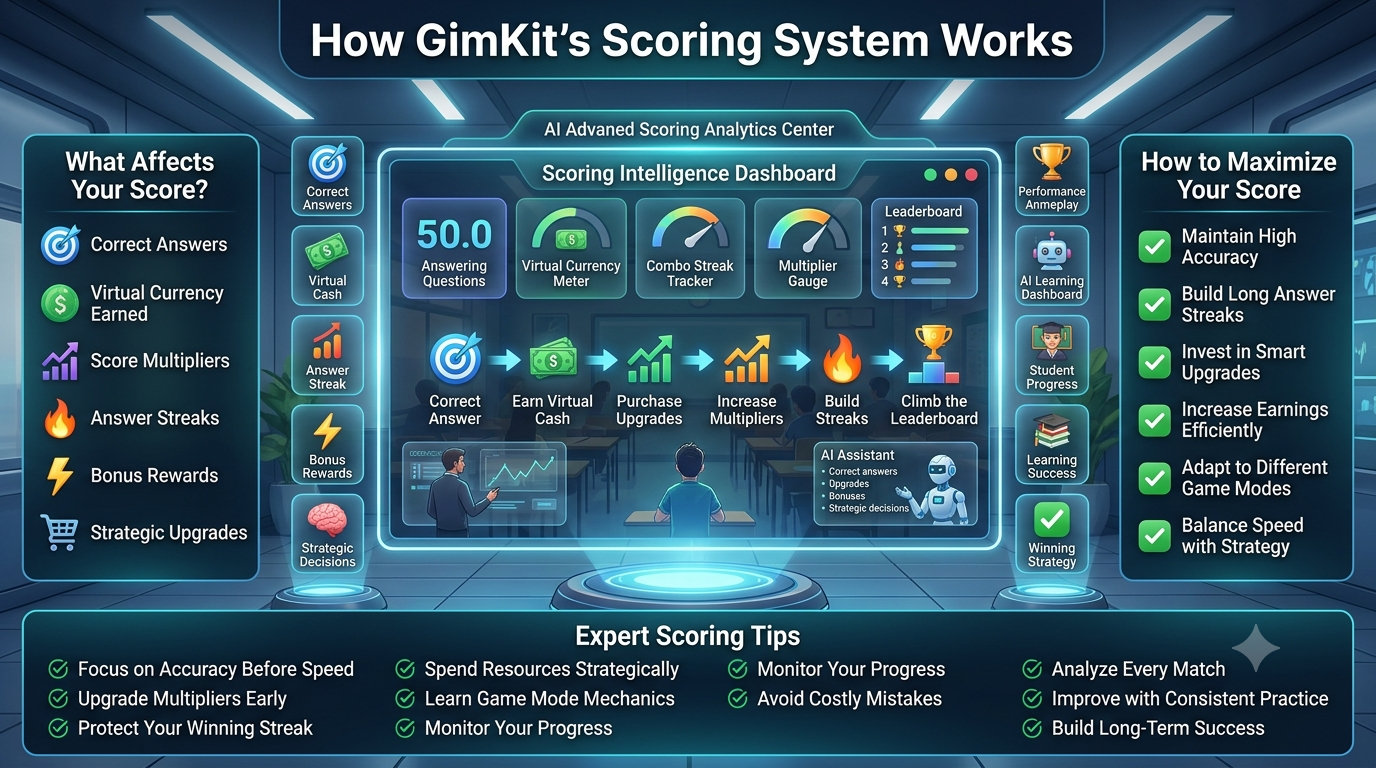
Every decision made during the opening phase has a compounding effect. Correct answers generate money, money purchases upgrades, upgrades increase earning potential, and increased earnings allow even stronger upgrades later. This cycle is what experienced players aim to strengthen from the very beginning.
If the cycle starts efficiently, growth becomes easier. If it begins poorly, every later decision becomes more difficult because you’re working with fewer resources than your competitors.
How Early Decisions Influence the Entire Match
Early Decision
Immediate Effect
Long-Term Impact
High answer accuracy
Stable income
Faster economic growth
Smart upgrade timing
Better efficiency
Higher earnings throughout the match
Controlled spending
More flexibility
Stronger purchasing power later
Consistent pacing
Fewer mistakes
Reliable long-term momentum
Patient decision-making
Better investments
Increased competitive advantage
Rather than chasing first place immediately, top players focus on strengthening this cycle so their progress naturally accelerates as the match continues.
💡 Pro Tip: Don’t judge your performance by your position after two minutes. Judge it by how quickly your earning potential is improving.
Build an Economy Before Chasing the Leaderboard
One of the most common mistakes beginners make is trying to become the leader as quickly as possible. While leading early may feel rewarding, it often comes at the cost of poor investments and inefficient resource management.
Experienced players understand that the leaderboard is only a snapshot of the current moment—not a prediction of the final result.
Instead of asking:
“How do I reach first place immediately?”
they ask:
“How do I build the strongest economy over the next ten minutes?”
That simple difference changes nearly every decision they make.
Characteristics of a Strong Early Economy
Reliable income from accurate answers.
Thoughtful spending instead of impulsive purchases.
Upgrades chosen for long-term value.
Enough savings to respond to future opportunities.
Continuous improvement in earning efficiency.
A healthy economy creates flexibility. Players with strong financial growth can adapt more easily because they always have options available.
⭐ Expert Insight: Most matches are won through economic efficiency rather than early aggression. Players who generate more value from every dollar consistently outperform those who simply spend faster.
Maintain Accuracy Before Increasing Speed
Speed receives a lot of attention in competitive gameplay, but accuracy is what makes speed valuable. Answering questions rapidly only helps when those answers remain correct. Frequent mistakes reduce earnings, interrupt momentum, and often create a chain reaction that becomes difficult to reverse.
Top players rarely sacrifice accuracy simply to answer one or two seconds faster.
Instead, they develop a rhythm that allows them to answer confidently while maintaining a steady pace. This rhythm becomes more valuable over long matches because it produces reliable income without unnecessary interruptions.
Speed vs Accuracy Comparison
Focus
Short-Term Result
Long-Term Outcome
Maximum speed
More attempts
Greater risk of costly mistakes
Maximum accuracy
Stable earnings
Consistent economic growth
Balanced approach
Efficient progress
Best overall performance
The objective isn’t to answer the most questions—it’s to generate the highest overall value from the questions you answer.
📌 Quick Note: A player answering slightly fewer questions with higher accuracy often earns more than someone who rushes and makes repeated mistakes.
Spend Your First Earnings Strategically
Receiving your first significant amount of money often creates temptation. New players frequently spend it immediately because seeing upgrades available creates a sense of urgency.
Experienced players pause before every purchase.
Instead of asking whether an upgrade looks useful, they evaluate whether it will meaningfully increase future earnings.
Questions Top Players Ask Before Buying an Upgrade
Will this improve my earning potential?
How quickly will this investment pay for itself?
Is there a stronger upgrade available soon?
Would saving my money provide greater value?
Does this purchase match my current stage of the game?
This habit prevents emotional spending and ensures every investment contributes toward long-term growth.
Smart Spending Framework
Decision
Recommended Action
Upgrade significantly improves income
Buy it
Upgrade offers only a minor benefit
Consider waiting
Better investment is approaching
Save your resources
Unsure about value
Delay the purchase until you have more information
⚠ Common Mistake: Spending every dollar immediately removes flexibility. Top players always leave room to capitalize on better opportunities later in the match.
Avoid the Early-Game Mistakes That Slow Progress
Many matches are effectively lost during the opening minutes—not because players fall too far behind, but because they develop inefficient habits that become harder to correct later.
Common Early-Game Errors
Mistake
Why It Hurts Performance
Better Alternative
Chasing first place immediately
Encourages poor decisions
Focus on long-term growth
Guessing difficult questions
Reduces income consistency
Prioritize correct answers
Buying every available upgrade
Weakens resource management
Invest selectively
Ignoring economic growth
Limits future purchasing power
Build sustainable income
Panicking after small setbacks
Leads to emotional decisions
Stay patient and follow your plan
Recognizing these mistakes early prevents them from becoming habits. Players who consistently finish first aren’t perfect—they simply avoid making the same costly mistakes over and over.
Build Momentum Instead of Chasing Quick Wins
Momentum is one of the most valuable advantages in Gimkit. When your economy grows steadily, your upgrades become more impactful, your earning rate increases, and your confidence improves. This positive cycle allows you to make stronger decisions while competitors begin struggling to keep pace.
Momentum isn’t created by one brilliant decision. It’s built through dozens of smart decisions repeated consistently throughout the match.
By mastering the opening minutes, you’ll enter the middle stage of the game with stronger resources, better flexibility, and greater control over your strategy.
Think Like an Investor Instead of Just a Player
One of the biggest mindset shifts that separates average players from consistent winners is learning to think like an investor rather than simply a participant. Every dollar you earn during a Gimkit match has the potential to create even more income, but only if it’s invested wisely. Top players understand that cash is more than a score—it is a tool for accelerating future growth.
Many players make decisions based on what feels rewarding in the moment. They unlock upgrades as soon as they become available, hoping immediate improvements will keep them ahead. Experienced players approach upgrades differently. Before spending anything, they consider how much value that purchase will generate during the remainder of the match.
This investment mindset creates a powerful advantage because every efficient purchase increases future earning potential. Over time, these smarter investments compound, allowing disciplined players to overtake competitors who relied on impulsive spending.
Understand Return on Investment (ROI) in Gimkit
Return on Investment (ROI) is one of the most useful concepts for improving your decision-making. In simple terms, ROI measures how much benefit you receive compared to the resources you spend. Although Gimkit doesn’t display ROI directly, experienced players evaluate every upgrade using this principle.
Instead of asking:
“Can I afford this?”
they ask:
“Will this earn back its cost before the match ends?”
That single question prevents many expensive mistakes.
Simple ROI Thinking
Upgrade Situation
ROI Evaluation
Recommended Decision
Significantly increases future earnings
High ROI
Purchase early
Provides only a small improvement
Medium ROI
Compare with other options
Costs a lot but offers little value
Low ROI
Delay or skip
Match is nearly over
Limited ROI
Prioritize immediate impact
Players who consistently finish first don’t necessarily buy more upgrades—they buy the right upgrades at the right time.
💡 Pro Tip: The earlier an income-producing upgrade is purchased, the longer it has to generate value. Time is part of every investment decision.
Build an Upgrade Strategy Instead of Buying Randomly
Random upgrades create random results.
Top-performing players rarely open the upgrade menu without a purpose. Every purchase fits into a broader plan designed to strengthen their economy and maintain steady momentum.
Rather than reacting to whatever upgrade becomes available, they prioritize purchases that align with the current stage of the match.
Upgrade Priorities Throughout the Match
Match Stage
Primary Goal
Upgrade Priority
Opening Phase
Build earning potential
Income-focused improvements
Early Mid Game
Increase efficiency
Balanced economic upgrades
Mid Game
Strengthen momentum
Performance and income combination
Late Game
Convert growth into victory
High-impact upgrades with immediate value
Notice that priorities change over time.
An upgrade that is extremely valuable during the first few minutes may become far less useful near the end because it no longer has enough time to recover its cost.
⭐ Expert Insight: Great players don’t ask, “Which upgrade is best?” They ask, “Which upgrade is best right now?”
Manage Cash Flow Without Wasting Opportunities
Successful players understand the difference between saving and hoarding.
Saving money creates flexibility.
Hoarding money delays progress.
The goal isn’t to keep the largest balance possible. The goal is to ensure your money is always working toward increasing future earnings.
Healthy Cash Flow Habits
Spend when an upgrade creates meaningful value.
Save when a better opportunity is approaching.
Avoid purchasing simply because cash is available.
Maintain enough resources to adapt if conditions change.
Continuously evaluate whether your current investments remain effective.
Players with good cash flow rarely find themselves unable to afford important upgrades because they avoid wasting money on low-value purchases earlier.
Recognize the Right Time to Invest
Timing often matters more than the purchase itself.
Imagine two players buying exactly the same upgrade.
The first player purchases it three minutes into the match.
The second player purchases it with only one minute remaining.
Even though both own the same upgrade, the first player receives far greater value because the upgrade has more time to generate benefits.
Investment Timing Guide
Situation
Better Choice
Reason
Early income upgrade available
Buy early
More time to generate returns
Small improvement with limited impact
Wait
Better investments may appear
Final minutes of the match
Prioritize immediate benefits
Long-term growth becomes less valuable
Economy already growing rapidly
Continue strengthening it
Compounding returns become increasingly powerful
Understanding timing helps players avoid one of the most expensive mistakes in Gimkit—making good purchases too late.
📌 Quick Note: A mediocre upgrade purchased at the perfect time can sometimes outperform a stronger upgrade purchased too late.
Recover Your Economy After Poor Decisions
Even experienced players occasionally overspend or make an investment that doesn’t perform as expected. The difference is that they recognize the problem quickly and adjust before it becomes difficult to recover.
Poor investments don’t automatically lose the game.
Poor recovery often does.
Signs Your Economy Needs Recovery
Earnings have slowed noticeably.
Opponents begin increasing their lead.
New upgrades feel difficult to afford.
Cash flow becomes inconsistent.
Recent purchases haven’t improved performance.
Instead of panicking, successful players return to the fundamentals:
Improve answer accuracy.
Stop making impulsive purchases.
Focus on efficient earning.
Rebuild cash reserves gradually.
Invest only when clear value exists.
This disciplined approach allows many players to recover surprisingly quickly, even after making mistakes during the early stages of the match.
⚠ Common Mistake: Trying to recover from one bad investment by making several rushed purchases usually creates an even larger problem. Slow down, rebuild your economy, and let consistent decisions restore momentum.
Build an Investment Mindset That Wins Over Time
The strongest Gimkit players don’t view upgrades as rewards—they view them as business investments.
Every purchase has a purpose.
Every dollar is expected to generate future value.
Every decision supports a larger strategy.
This mindset transforms the way you play because it shifts attention away from temporary leaderboard positions and toward long-term growth. Once your economy begins compounding efficiently, climbing the rankings becomes a natural consequence rather than your primary objective.
By the end of the investment phase, experienced players usually possess stronger earning power, greater flexibility, and more strategic options than competitors who relied on impulsive decisions.
Read Your Opponents and Adapt Faster Than Everyone Else
Reaching first place isn’t only about managing your own progress. At higher levels of play, success also depends on understanding what your opponents are doing and adjusting your strategy before they gain a lasting advantage. Players who consistently finish first don’t play in isolation—they constantly collect information from the match and use it to make smarter decisions.
Many competitors become so focused on answering questions that they completely ignore the changing dynamics around them. They notice the leaderboard only when someone has already built a large lead. Experienced players monitor the game continuously, allowing them to recognize opportunities, avoid unnecessary risks, and react before small problems become major setbacks.
Think of the leaderboard as a source of information rather than a source of pressure. It isn’t there to discourage you—it helps you understand how the match is evolving.
Learn to Read the Leaderboard Like a Strategic Player
The leaderboard is more than a ranking system. It provides clues about the pace of the match, the strength of your competitors, and whether your current strategy is working.
Instead of checking rankings after every question, successful players review them periodically to identify trends.
What the Leaderboard Can Tell You
Observation
What It May Indicate
Possible Response
Several players are advancing together
Match pace is balanced
Continue building your economy
One player pulls far ahead quickly
Strong early strategy or efficient upgrades
Stay patient and strengthen your own growth
Rankings change frequently
Competition is close
Avoid unnecessary mistakes
Progress slows for everyone
Upgrades may be reaching diminishing returns
Prepare for late-game decisions
Your position remains stable
Strategy is consistent
Continue unless better opportunities appear
The goal isn’t to react to every leaderboard movement. The goal is to recognize meaningful patterns that influence your next decision.
💡 Pro Tip: Watch trends instead of positions. A player moving from eighth to fourth rapidly may become a bigger long-term threat than someone holding first place without increasing their lead.
Identify Different Types of Opponents
Not every competitor plays the same way. Experienced players often recognize patterns in how others approach the game, allowing them to predict likely strengths and weaknesses.
Although every match is unique, many opponents fall into recognizable categories.
Common Player Styles
Player Type
Typical Behavior
Strength
Weakness
Speed Player
Answers rapidly
Fast progress
Accuracy may suffer
Investor
Builds economy patiently
Strong late game
May start slowly
Aggressive Buyer
Purchases upgrades immediately
Quick improvements
Limited flexibility later
Conservative Player
Saves resources frequently
Financial stability
Can miss valuable opportunities
Balanced Player
Mixes earning and investing
Consistent performance
Requires good decision-making
Recognizing these patterns helps you respond intelligently rather than emotionally.
For example, if an aggressive player gains an early lead, you may decide to continue strengthening your economy instead of rushing to catch them immediately. Over time, their inefficient spending could slow their progress while your investments continue producing returns.
⭐ Expert Insight: Elite players compete against strategies—not personalities. Understanding how opponents make decisions is often more valuable than knowing their current position.
Adapt Instead of Following a Fixed Strategy
One of the biggest misconceptions about competitive Gimkit is that successful players always follow the same upgrade order or spending routine.
In reality, the strongest competitors constantly adjust.
A strategy that works perfectly in one classroom may perform poorly in another because of different match lengths, game modes, question difficulty, or opponent behavior.
Situations That Should Trigger Strategic Adjustments
Your economy is growing slower than expected.
Multiple competitors suddenly increase their pace.
Adaptation doesn’t mean abandoning your entire plan.
It means making small adjustments while remaining committed to your overall objective.
Fixed Strategy vs Adaptive Strategy
Fixed Approach
Adaptive Approach
Same actions every match
Decisions based on current conditions
Ignores changing circumstances
Responds to new opportunities
Difficult to recover after mistakes
Easier to recover and improve
Often predictable
More resilient and effective
Players who adapt intelligently maintain consistent performance across many different situations.
Know When to Take Risks—and When to Avoid Them
Every competitive match involves decisions that carry both potential rewards and possible consequences. The difference between average players and top performers is not that one group avoids risk entirely—it’s that experienced players evaluate whether a risk is actually worth taking.
Some risks create opportunities.
Others simply increase the chance of making costly mistakes.
Risk Assessment Framework
Situation
Risk Level
Recommended Decision
Rushing difficult questions
High
Prioritize accuracy
Buying an expensive upgrade early
Medium
Evaluate long-term ROI
Saving resources for a stronger purchase
Low
Often worthwhile
Changing strategy after one mistake
High
Stay consistent
Adjusting to major match changes
Low to Medium
Usually beneficial
This framework encourages thoughtful decision-making instead of emotional reactions.
📌 Quick Note: Good risks are calculated. Bad risks are impulsive.
Protect Your Momentum Throughout the Match
Momentum is one of the most overlooked advantages in Gimkit. Once your economy, upgrade strategy, and answer accuracy begin working together, your progress naturally accelerates. The challenge is maintaining that momentum without making unnecessary mistakes.
Top players protect momentum by resisting the temptation to overreact.
Even if another player briefly moves ahead, they continue following the strategy that has already been producing results.
Habits That Preserve Momentum
Continue answering carefully instead of rushing.
Review upgrade opportunities logically.
Ignore temporary leaderboard pressure.
Avoid emotional spending.
Keep evaluating long-term growth.
When momentum is protected, every correct decision reinforces the next one. This creates a positive cycle that becomes increasingly difficult for opponents to disrupt.
⚠ Common Mistake: Many players abandon a successful strategy simply because someone else reaches first place temporarily. Constantly changing plans usually causes more damage than the leaderboard itself.
Master Mid-Game Decision Making
The middle portion of a match is where many games are ultimately decided.
Early investments begin paying off.
Upgrade choices become more meaningful.
Opponent strategies become clearer.
Players who remain disciplined during this phase usually enter the final minutes with a stronger economy, greater flexibility, and more opportunities to secure first place.
The key is balancing confidence with adaptability. Trust the foundation you’ve built, but remain willing to make smart adjustments when the situation genuinely changes.
Advanced Competitive Strategies Used by Consistent Winners
By the middle of a match, the basic strategies have already done their job. Players have built their economy, purchased upgrades, and established their position on the leaderboard. From this point onward, first place is often determined by small strategic decisions rather than large ones.
This is where experienced players begin separating themselves from the competition. They understand that the final half of a Gimkit match requires a different mindset than the opening minutes. Instead of focusing only on growth, they concentrate on maximizing efficiency, minimizing mistakes, and making every remaining decision count.
Professional players rarely rely on dramatic last-second comebacks. More often, they gradually increase their advantage by avoiding the small errors that cause others to lose momentum.
Manage Time Like a Competitive Player
Time is one of the few resources every player receives equally. Once it passes, it cannot be recovered. Top players recognize that every minute has a different purpose, and they adjust their priorities as the clock moves forward.
During the opening stage, time is best spent building a stronger economy.
In the middle stage, it should be used to strengthen momentum and optimize upgrades.
Near the end of the match, every second should focus on maximizing immediate performance instead of preparing for long-term growth.
Time Management Framework
Match Phase
Main Objective
Best Use of Time
First 25%
Build a foundation
Prioritize accuracy and economy
Middle 50%
Increase efficiency
Optimize upgrades and maintain momentum
Final 25%
Secure victory
Focus on immediate scoring and avoid mistakes
Players who fail to adjust often continue investing for the future even when there is little future left in the match.
💡 Pro Tip: As the timer gets shorter, gradually shift your thinking from “How can I earn more later?” to “How can I earn the most before time expires?”
Adjust Your Strategy for Different Game Modes
Although every Gimkit mode rewards correct answers, each one places different emphasis on risk, movement, economy, or survival. Experienced players recognize these differences immediately instead of applying the same formula every time.
Strategic Adjustments by Game Style
Game Situation
Recommended Focus
Common Error
Economy-heavy modes
Maximize long-term investments
Spending too aggressively
Fast competitive rounds
Increase efficiency without sacrificing accuracy
Rushing and making mistakes
Team competitions
Support overall team progress
Playing only for personal score
Elimination or survival scenarios
Reduce unnecessary risks
Overcommitting to aggressive plays
Short classroom sessions
Prioritize immediate value
Investing too late for meaningful returns
The ability to transition smoothly between different strategies is one reason experienced players remain successful across a wide variety of classroom activities.
⭐ Expert Insight: Great players don’t have one winning strategy—they have a decision-making framework that adapts to every game mode.
Stay Calm When Playing Under Pressure
Pressure affects decision-making more than many players realize.
When someone overtakes you on the leaderboard, it’s easy to panic and start answering questions too quickly. Similarly, holding first place can create anxiety about making mistakes that allow others to catch up.
Top players avoid both extremes.
Instead of focusing on rankings, they continue concentrating on the process that helped them reach their current position.
Pressure Management Techniques
Keep answering questions at your normal pace.
Continue evaluating upgrades logically.
Ignore temporary leaderboard changes.
Avoid changing strategies because of emotion.
Trust the preparation you’ve already completed.
Remaining calm often produces better results than attempting to force a comeback through risky decisions.
📌 Quick Note: Pressure doesn’t reduce your skill—it often changes your decision-making. Managing emotions helps preserve the quality of your choices.
For the latest gaming news, expert reviews, and walkthroughs, readers can also visit IGN, one of the world’s leading gaming websites.
Master the Art of Making a Comeback
Falling behind early doesn’t mean the match is over.
Many experienced players have recovered from significant deficits because they understand that leaderboards can change rapidly when strategies become more efficient.
The mistake many beginners make is trying to recover everything immediately.
Top players recover gradually.
Step-by-Step Comeback Strategy
Step
Objective
Why It Works
Stay calm
Prevent emotional mistakes
Protects decision quality
Improve answer accuracy
Stabilize income
Creates reliable growth
Stop unnecessary spending
Rebuild resources
Restores flexibility
Invest only in valuable upgrades
Increase efficiency
Accelerates recovery
Focus on momentum instead of rankings
Encourages better decisions
Leads to sustainable progress
This structured recovery process is far more effective than making desperate, high-risk plays.
⚠ Common Mistake: Trying to erase a large deficit in one or two minutes usually creates even bigger problems. Successful comebacks are built through consistent improvements rather than sudden dramatic changes.
Build Consistency Instead of Chasing Perfect Matches
Even elite players don’t finish first every single game.
What makes them successful is that they consistently perform near the top because their strategy is reliable.
Instead of measuring success by a single match, they evaluate performance across many games.
Questions they ask after each session include:
Did my economy grow efficiently?
Were my upgrades timed correctly?
Did I remain accurate under pressure?
Did I adapt when conditions changed?
Which decisions created the greatest value?
This mindset transforms every match into a learning opportunity.
Players who continuously improve their decision-making usually outperform players who rely only on experience without reflection.
Think Several Moves Ahead
The final habit that separates advanced players from average competitors is forward planning.
Before making any important decision, experienced players naturally think ahead.
For example, they consider:
What upgrade will become available next?
How much money will I likely earn over the next minute?
Is this purchase still valuable with the remaining match time?
What happens if another player suddenly accelerates?
Will this decision improve my flexibility later?
Thinking ahead reduces surprises and allows you to remain in control even when the match changes unexpectedly.
✅ Best Practice: Try to make decisions based on where the match is heading—not just where it is right now.
Professional Recommendations & Expert Reviews
How Top Players Consistently Finish First begins with answering questions accurately before focusing on speed.
How Top Players Consistently Finish First encourages players to follow a long-term strategy instead of chasing quick rewards.
How Top Players Consistently Finish First helps players build momentum through consistent correct answers.
How Top Players Consistently Finish First encourages smart resource management throughout every match.
How Top Players Consistently Finish First helps players prioritize upgrades that provide lasting advantages.
How Top Players Consistently Finish First encourages careful decision-making under competitive pressure.
How Top Players Consistently Finish First helps players avoid wasting valuable in-game resources.
How Top Players Consistently Finish First encourages learning from every completed match.
How Top Players Consistently Finish First helps players improve by reviewing their performance regularly.
How Top Players Consistently Finish First encourages adapting strategies as game conditions change.
How Top Players Consistently Finish First helps players maintain concentration from beginning to end.
How Top Players Consistently Finish First encourages balancing speed with consistent accuracy.
How Top Players Consistently Finish First helps players recognize valuable opportunities during gameplay.
How Top Players Consistently Finish First encourages disciplined spending instead of impulsive upgrades.
How Top Players Consistently Finish First helps players build a strong in-game economy early.
How Top Players Consistently Finish First encourages maintaining confidence after occasional mistakes.
How Top Players Consistently Finish First helps players improve through steady practice.
How Top Players Consistently Finish First encourages using every match as a learning experience.
How Top Players Consistently Finish First helps players develop reliable gameplay habits.
How Top Players Consistently Finish First encourages staying patient during close competitions.
How Top Players Consistently Finish First helps players strengthen strategic thinking over time.
How Top Players Consistently Finish First encourages consistent participation instead of risky shortcuts.
How Top Players Consistently Finish First helps players improve decision-making through experience.
How Top Players Consistently Finish First encourages reviewing successful strategies after every game.
How Top Players Consistently Finish First helps players remain adaptable in different game modes.
How Top Players Consistently Finish First encourages building confidence through regular improvement.
How Top Players Consistently Finish First helps players recognize and correct repeated mistakes.
How Top Players Consistently Finish First encourages maintaining a positive competitive mindset.
How Top Players Consistently Finish First helps players maximize the value of every correct answer.
How Top Players Consistently Finish First encourages focusing on consistent progress instead of immediate rankings.
How Top Players Consistently Finish First helps players prepare before every competitive match.
How Top Players Consistently Finish First encourages learning efficient gameplay patterns.
How Top Players Consistently Finish First helps players improve both knowledge and game performance.
How Top Players Consistently Finish First encourages thoughtful planning throughout every stage of the match.
How Top Players Consistently Finish First helps players develop stronger competitive discipline.
How Top Players Consistently Finish First encourages continuous refinement of successful strategies.
How Top Players Consistently Finish First helps players remain consistent regardless of match difficulty.
How Top Players Consistently Finish First encourages combining subject knowledge with strategic gameplay.
How Top Players Consistently Finish First helps players achieve reliable results through disciplined practice.
How Top Players Consistently Finish First encourages players to stay focused even when competitors gain an early lead.
How Top Players Consistently Finish First encourages players to stay focused even when competitors gain an early lead.
How Top Players Consistently Finish First helps players make calculated decisions instead of emotional ones.
How Top Players Consistently Finish First encourages developing efficient gameplay routines through regular practice.
How Top Players Consistently Finish First helps players identify the best opportunities to improve their score.
How Top Players Consistently Finish First encourages patience when building long-term advantages.
How Top Players Consistently Finish First helps players avoid repeating the same strategic mistakes.
How Top Players Consistently Finish First encourages consistent learning from every competitive session.
How Top Players Consistently Finish First helps players improve their timing when making important decisions.
How Top Players Consistently Finish First encourages maintaining confidence throughout difficult matches.
How Top Players Consistently Finish First helps players build winning habits through steady improvement.
How Top Players Consistently Finish First encourages reviewing successful strategies used in previous games.
How Top Players Consistently Finish First helps players recognize when to adjust their approach.
How Top Players Consistently Finish First encourages efficient management of every available opportunity.
How Top Players Consistently Finish First helps players remain disciplined from the opening question to the final result.
How Top Players Consistently Finish First encourages balancing knowledge, speed, and strategy equally.
How Top Players Consistently Finish First helps players improve performance through thoughtful preparation.
How Top Players Consistently Finish First encourages staying committed even after temporary setbacks.
How Top Players Consistently Finish First helps players strengthen confidence with every completed match.
How Top Players Consistently Finish First encourages careful observation of changing game situations.
How Top Players Consistently Finish First helps players refine their strategy through continuous experience.
How Top Players Consistently Finish First encourages focusing on efficient progress rather than unnecessary risks.
How Top Players Consistently Finish First helps players improve consistency across different game modes.
How Top Players Consistently Finish First encourages setting personal improvement goals before every session.
How Top Players Consistently Finish First helps players recognize the value of long-term planning.
How Top Players Consistently Finish First encourages building confidence through reliable performance.
How Top Players Consistently Finish First helps players stay composed during highly competitive matches.
How Top Players Consistently Finish First encourages evaluating both strengths and weaknesses regularly.
How Top Players Consistently Finish First helps players strengthen strategic awareness with every game.
How Top Players Consistently Finish First encourages continuous learning instead of relying on old habits.
How Top Players Consistently Finish First helps players remain flexible when unexpected situations arise.
How Top Players Consistently Finish First encourages disciplined improvement through consistent effort.
How Top Players Consistently Finish First helps players maximize their overall efficiency during gameplay.
How Top Players Consistently Finish First encourages building strong decision-making habits over time.
How Top Players Consistently Finish First helps players maintain steady progress throughout every match.
How Top Players Consistently Finish First encourages smart planning before investing valuable in-game resources.
How Top Players Consistently Finish First helps players improve by analyzing both successful and unsuccessful games.
How Top Players Consistently Finish First encourages staying motivated regardless of temporary rankings.
How Top Players Consistently Finish First helps players create dependable strategies that work consistently.
How Top Players Consistently Finish First demonstrates that preparation, consistency, adaptability, and disciplined decision-making separate experienced players from average competitors.
How Top Players Consistently Finish First ultimately shows that long-term success comes from accurate answers, efficient resource management, thoughtful upgrades, continuous practice, strategic adaptability, confidence under pressure, and a commitment to improving with every Gimkit match.
Common FAQs About Finishing First in Gimkit
1. How do top Gimkit players consistently finish first?
Top-performing Gimkit players succeed because they balance academic knowledge with strategic gameplay. They answer questions accurately, manage in-game currency wisely, purchase upgrades that deliver the highest long-term return, and adapt their strategy as the match progresses. Instead of reacting impulsively, experienced players stay focused on building momentum from the beginning to the final round.
Winning consistently requires preparation before the game starts and smart decision-making during gameplay. Players who review study material, remain calm under pressure, and adjust their tactics based on the current game mode are far more likely to secure first place.
Winning habits include:
Maintain high answer accuracy.
Upgrade strategically.
Manage resources efficiently.
Adapt to different game modes.
Stay focused throughout the match.
Learn from previous games.
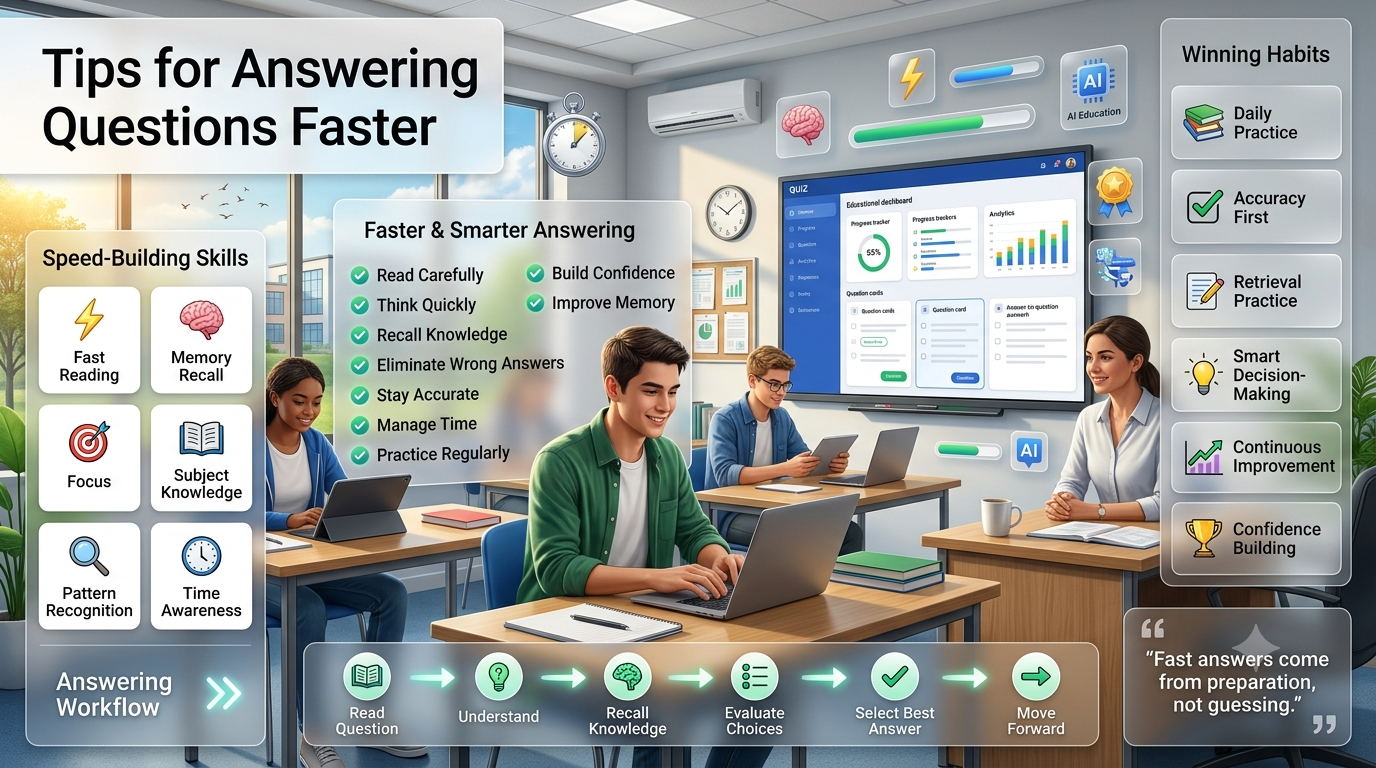
2. Is answering questions faster always the best strategy?
No. Speed alone rarely guarantees victory. While answering quickly helps increase earnings, accuracy has a much greater impact on long-term performance. Incorrect answers reduce momentum, lower income, and can delay important upgrades that determine success later in the game. The best players prioritize correct answers first and gradually improve their response speed through practice.
Developing both subject mastery and quick decision-making creates a stronger competitive advantage than simply rushing through every question.
For better performance:
Prioritize accuracy over speed.
Read every question carefully.
Improve response time through practice.
Avoid random guessing.
Stay calm under pressure.
Build confidence with regular study.
3. Should I spend money immediately or save it?
The strongest strategy is to maintain a balance between investing and saving. Spending every coin immediately can leave you without resources when valuable upgrades become available, while saving too much slows your progress and limits earning potential. Experienced players invest when upgrades provide meaningful long-term benefits while keeping enough currency available for future opportunities.
Smart resource management allows you to build steady momentum instead of making short-term decisions that reduce your overall effectiveness.
Good money-management habits:
Invest with a clear purpose.
Prioritize high-value upgrades.
Avoid unnecessary purchases.
Keep emergency resources available.
Review upgrade benefits carefully.
Adjust spending as the game progresses.
4. Can beginners beat experienced players?
Absolutely. Although experienced players understand Gimkit’s mechanics, beginners can still win by mastering the subject material, maintaining excellent accuracy, and making thoughtful strategic decisions. Many experienced players lose because they become overconfident, rush answers, or spend resources inefficiently. Consistency often matters more than experience alone.
Beginners who practice regularly, study before matches, and focus on smart gameplay can compete successfully against more experienced opponents.
How beginners can compete:
Study before each game.
Focus on correct answers.
Learn basic game mechanics.
Spend resources strategically.
Avoid unnecessary risks.
Improve after every match.
5. What’s the biggest mistake that prevents players from finishing first?
One of the most common mistakes is focusing only on immediate points instead of building a long-term strategy. Players often rush answers, purchase random upgrades, or chase the leaderboard too early without considering how those decisions affect later stages of the match. These habits usually reduce efficiency and make it difficult to maintain a competitive advantage.
The most successful players think several steps ahead, balancing accuracy, upgrades, and resource management throughout the entire game rather than concentrating only on short-term gains.
Mistakes to avoid:
Rushing through questions.
Ignoring answer accuracy.
Buying random upgrades.
Spending all resources immediately.
Chasing the leaderboard too early.
Failing to adapt your strategy.
Final Thoughts
Consistently finishing first in Gimkit is less about being the fastest player and more about becoming the most efficient one. The strongest competitors understand that every correct answer, every upgrade, and every strategic decision contributes to their final result. They build a healthy economy, invest wisely, adapt to changing conditions, and remain composed even when the match doesn’t begin perfectly.
While no strategy guarantees first place in every game, following the principles outlined in this guide will significantly improve your consistency over time. As you gain more experience, you’ll begin recognizing patterns, making smarter investment decisions, and responding to different game situations with confidence.
If you want to continue improving, explore related topics such as building a stronger in-game economy, improving progression through better upgrades, advanced Gimkit strategies for different game modes, and common mistakes new players should avoid. Together, these skills create a complete framework for long-term success and help transform occasional victories into consistent top-place finishes.