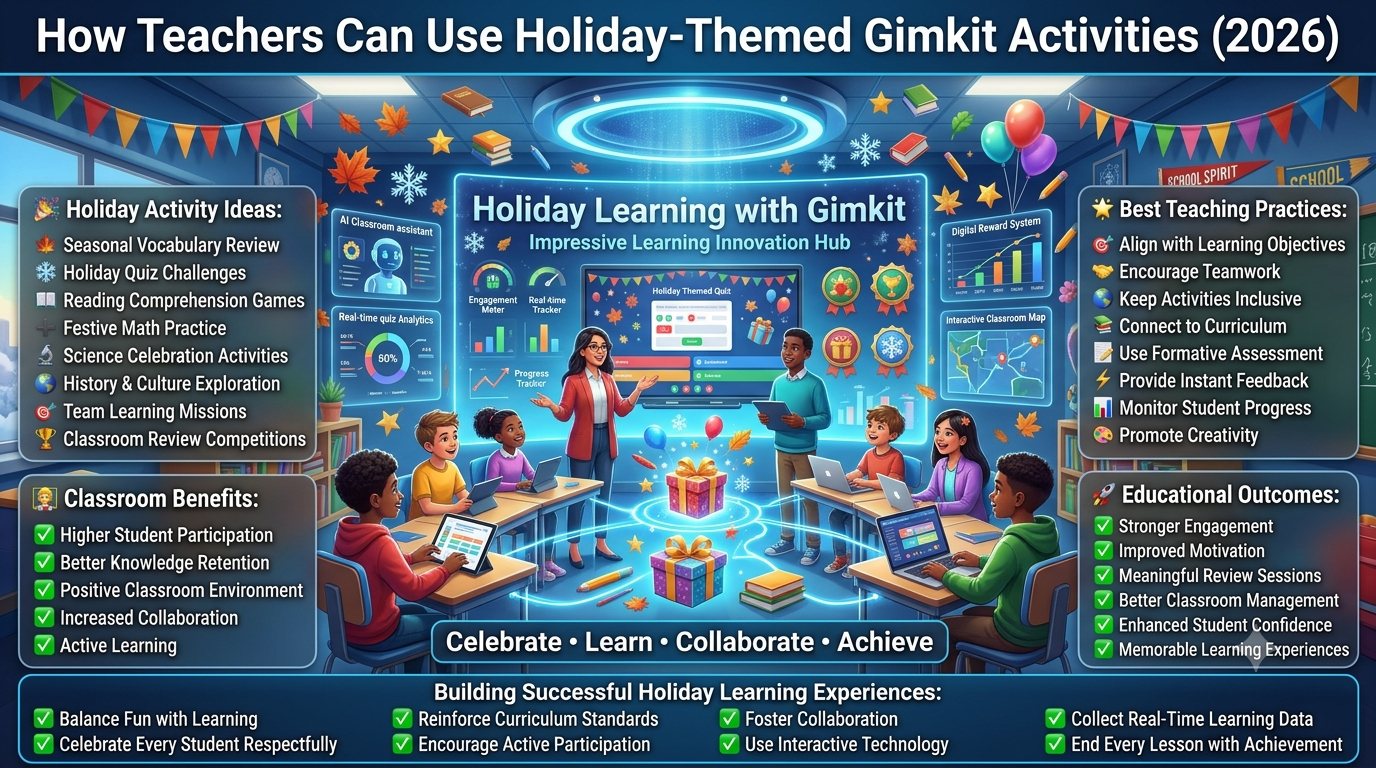
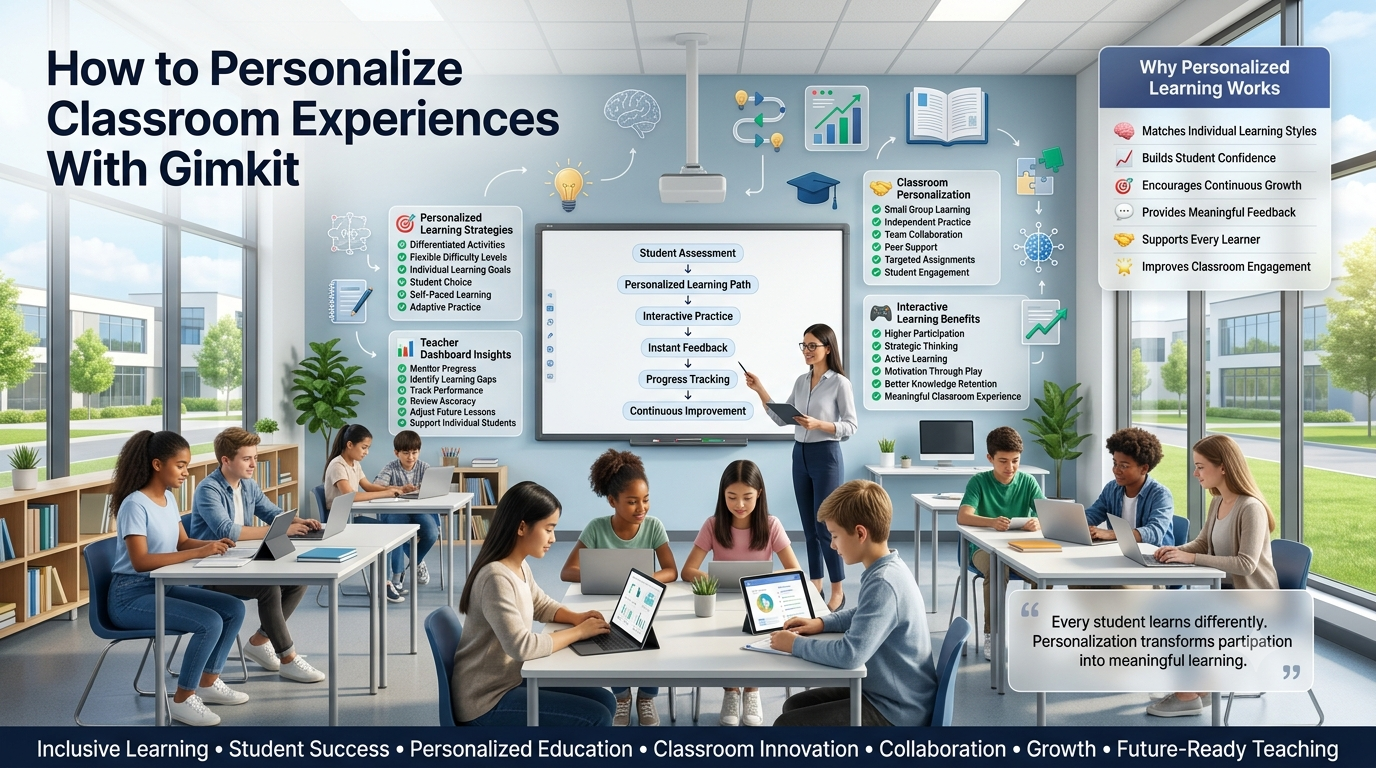
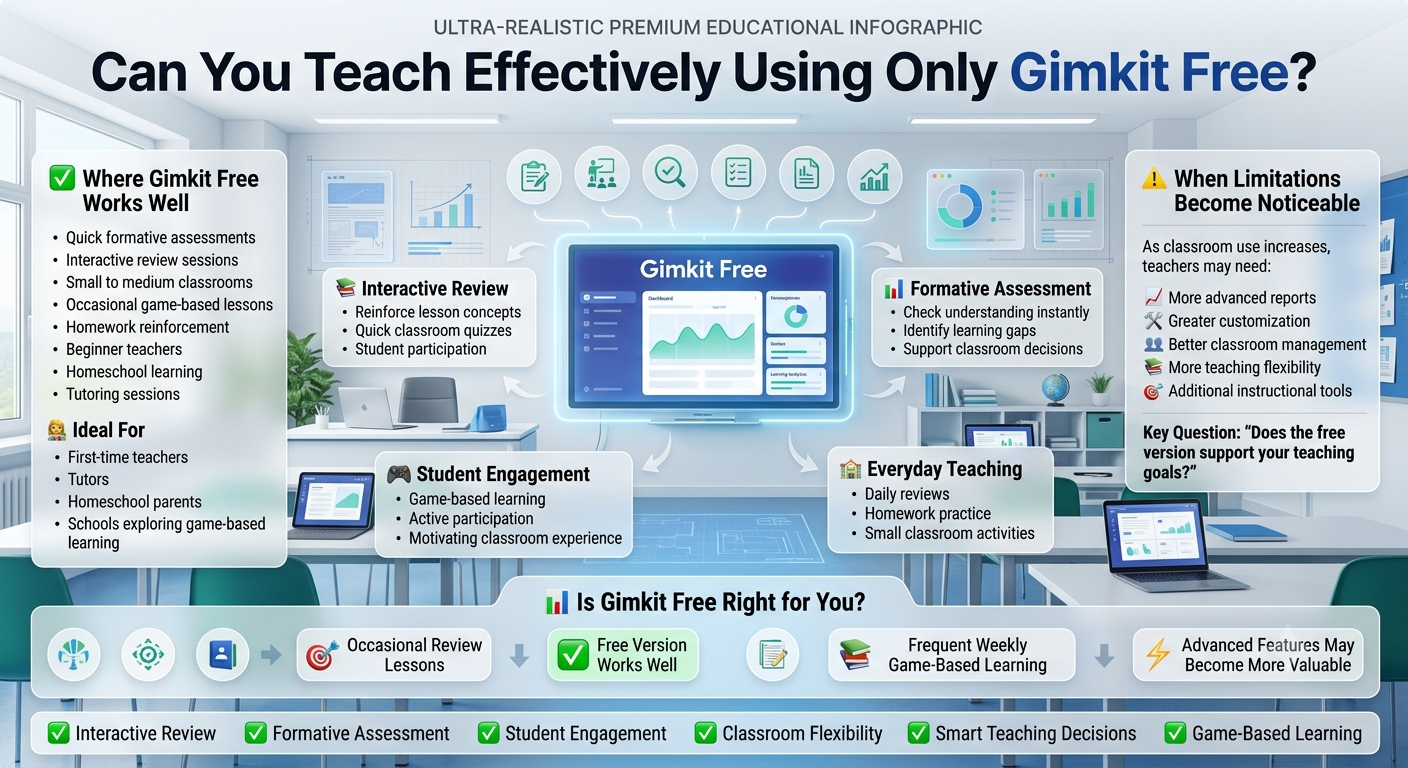
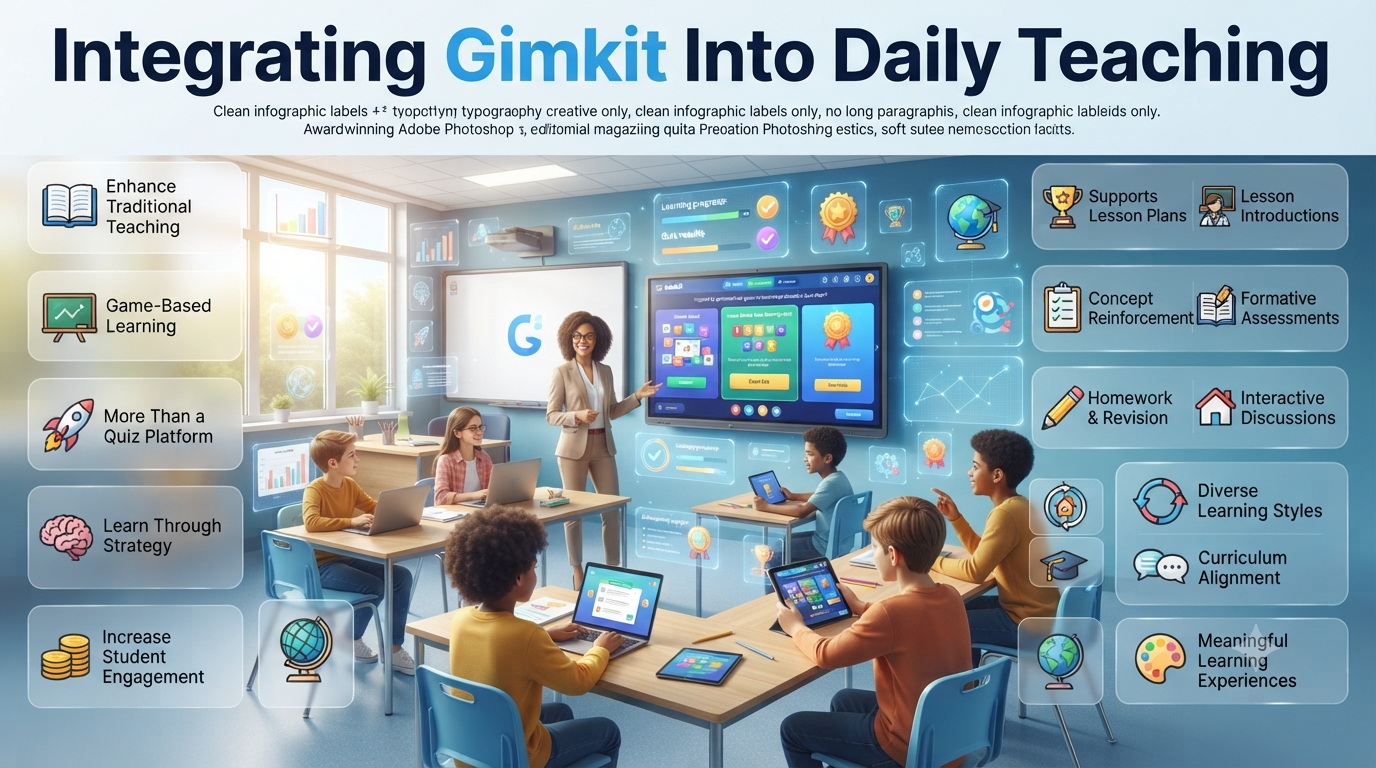
How Teachers Can Use Holiday-Themed Gimkit Activities.Holiday-themed classroom activities have long been used to increase student motivation, encourage participation, and create memorable learning experiences. Rather than viewing holidays as interruptions to instruction, many educators now transform seasonal events into opportunities for meaningful academic engagement. When carefully planned, holiday activities reinforce curriculum objectives while maintaining the excitement students naturally associate with special occasions.
One platform that supports this approach effectively is Gimkit. Through Gimkit Live, Gimkit Join, and the Gimkit App, teachers can build customized review games that incorporate seasonal themes without sacrificing instructional quality. Whether celebrating autumn festivals, winter holidays, science appreciation weeks, literacy events, or school spirit celebrations, educators can adapt existing question sets into festive classroom experiences that remain academically focused.
Holiday-themed Gimkit activities are about much more than decorating quizzes with seasonal colors. Teachers can design collaborative challenges, themed missions, vocabulary reviews, historical investigations, math practice, language activities, and interdisciplinary lessons that align with curriculum standards while creating an energetic classroom atmosphere. By connecting academic content with timely events, students often become more willing to participate, collaborate, and retain information.
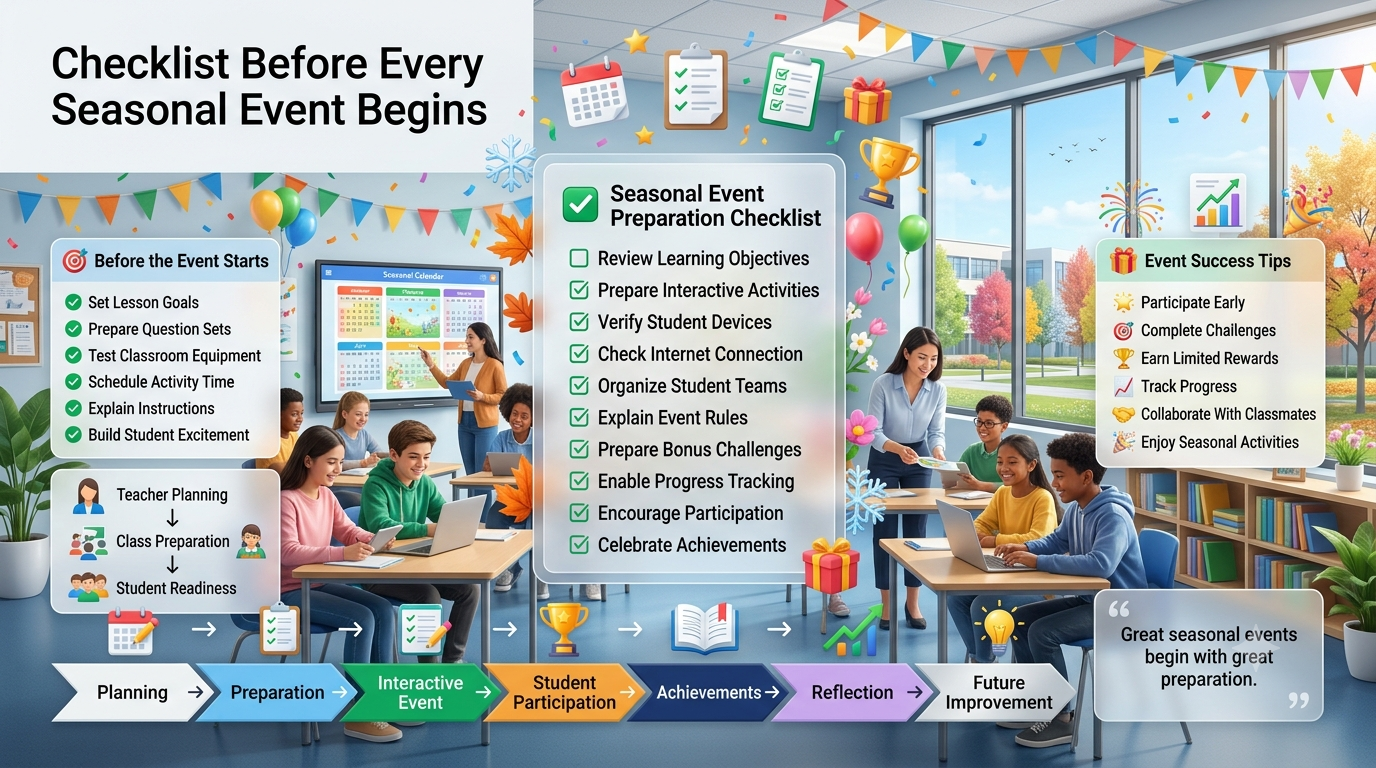
However, successful holiday integration requires thoughtful planning. Activities should remain inclusive, culturally respectful, age-appropriate, and directly connected to learning objectives. The goal is to enhance education through seasonal engagement rather than allowing celebrations to overshadow instruction. Careful balance ensures that every student feels welcome while academic progress continues uninterrupted.
This guide explores How Teachers Can Use Holiday-Themed Gimkit Activities, covering lesson planning, curriculum integration, classroom management, student collaboration, seasonal creativity, assessment strategies, accessibility, and practical implementation ideas that help educators create engaging learning experiences throughout the academic year.
Align Holiday Activities With Learning Objectives
The most successful seasonal lessons begin with academic goals rather than decorations or game mechanics.
Teachers should first identify the concepts students need to master, then design holiday-themed review activities that reinforce those objectives through meaningful practice.
Goal-Oriented Planning
Planning Element
Educational Benefit
Curriculum Alignment
Consistent instruction
Learning Objectives
Clear academic focus
Review Questions
Knowledge reinforcement
Seasonal Context
Higher motivation
Classroom Participation
Increased engagement
Lesson Reflection
Better retention
Holiday themes should enhance learning instead of distracting from it.
Incorporate Seasonal Vocabulary and Real-World Context
Seasonal events provide authentic opportunities to introduce new vocabulary, cultural understanding, historical connections, scientific observations, and mathematical applications.
Teachers can build review questions around seasonal traditions, weather changes, environmental science, literature, or historical celebrations while maintaining curriculum relevance.
Seasonal Integration
Subject
Holiday-Themed Example
Mathematics
Holiday budgeting and measurement
Science
Seasonal weather patterns
Language Arts
Holiday reading comprehension
Social Studies
Cultural celebrations worldwide
Geography
Global holiday traditions
Vocabulary
Seasonal terminology practice
Connecting classroom learning with real-world events helps students understand concepts more deeply.
Encourage Collaboration Through Team Challenges
Holiday activities naturally create opportunities for cooperative learning.
Teachers can organize students into teams that solve academic challenges together, encouraging communication, peer instruction, and shared problem-solving while maintaining a positive classroom atmosphere.
Collaborative Activities
Team Activity
Learning Outcome
Group Review
Shared understanding
Collaborative Challenges
Communication skills
Team Problem-Solving
Critical thinking
Peer Support
Increased confidence
Classroom Missions
Collective participation
Reflection Discussions
Deeper learning
Collaborative gameplay promotes both academic and social development.
Keep Activities Inclusive for Every Student
Not every student celebrates the same holidays or cultural traditions. Inclusive planning helps ensure that all learners feel respected and comfortable participating.
Rather than focusing exclusively on one celebration, teachers can use broader seasonal themes, international traditions, scientific events, literacy weeks, kindness campaigns, or school celebrations that welcome every learner regardless of background.
Inclusive Planning
Inclusive Strategy
Classroom Benefit
Seasonal Themes
Wider participation
Cultural Diversity
Greater respect
Flexible Activities
Student inclusion
Neutral Language
Positive environment
Multiple Perspectives
Broader understanding
Respectful Discussions
Inclusive learning
Inclusive classrooms strengthen engagement while supporting a positive learning community.
Holiday-themed review sessions become even more engaging when students work toward completing a shared mission instead of simply answering isolated questions. Teachers can design activities where each correct answer unlocks the next stage of a classroom challenge, encouraging students to think strategically while reinforcing academic content.
For example, a winter-themed activity may involve solving math problems to “unlock” a research station, while a spring activity could require science questions that reveal clues about plant growth. Although the atmosphere feels playful, every stage remains connected to curriculum objectives.
Mission-based learning encourages students to remain engaged throughout the entire lesson.
Balance Celebration With Academic Assessment
Holiday lessons should remain educational even when they include seasonal excitement.
Teachers can use themed review games before quizzes, after completing instructional units, or as formative assessments to identify concepts requiring additional instruction. The holiday atmosphere creates enthusiasm, while assessment data continues supporting informed teaching decisions.
Balanced Instruction
Classroom Focus
Learning Benefit
Seasonal Review
Increased motivation
Formative Assessment
Learning feedback
Classroom Discussion
Deeper understanding
Reflection Activities
Knowledge consolidation
Teacher Observation
Better intervention
Academic Reinforcement
Curriculum mastery
Celebration becomes more meaningful when it supports measurable learning.
Create Cross-Curricular Holiday Projects
Seasonal themes naturally connect multiple academic subjects within a single learning experience.
A holiday project might combine reading comprehension, mathematical reasoning, historical research, creative writing, geography, and scientific investigation. This interdisciplinary approach helps students understand how knowledge connects across different areas of learning.
Cross-Curricular Connections
Subject Area
Seasonal Application
Mathematics
Planning and budgeting
Science
Weather and environmental changes
Language Arts
Storytelling and reading analysis
Social Studies
Cultural traditions
Art
Creative classroom projects
Geography
Global celebrations
Integrated learning helps students apply knowledge in broader educational contexts.
Manage Classroom Energy During Holiday Periods
Student excitement often increases before school holidays, making classroom management especially important.
Well-structured activities with clear expectations, defined time limits, organized transitions, and meaningful academic objectives help channel student enthusiasm into productive participation. Short reflection periods between activities also allow students to refocus before moving to the next learning task.
Classroom Management Strategies
Strategy
Classroom Advantage
Clear Instructions
Reduced confusion
Timed Activities
Better pacing
Small Team Tasks
Greater participation
Structured Transitions
Smooth lesson flow
Positive Reinforcement
Improved behavior
Reflection Breaks
Renewed concentration
Good classroom organization allows teachers to maintain both excitement and instructional quality.
Use Activity Data to Improve Future Holiday Lessons
Every seasonal activity provides valuable information that can strengthen future classroom planning.
Teachers can review question accuracy, participation patterns, commonly missed concepts, and overall engagement levels to determine which instructional approaches were most successful. These insights help refine future holiday activities while improving curriculum delivery.
Plan Seasonal Learning Throughout the Entire School Year
Holiday-themed engagement should not be limited to one celebration.
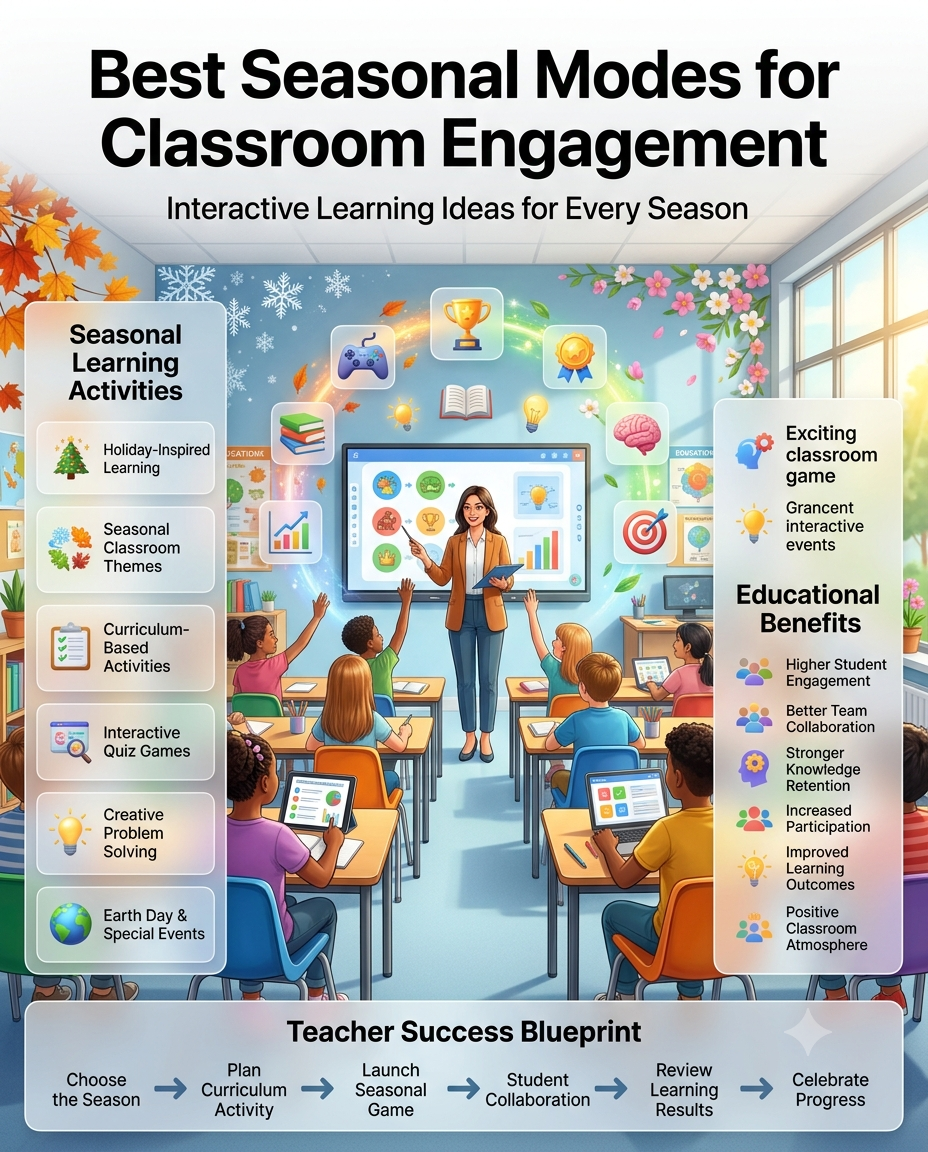
Teachers can develop an annual instructional calendar that incorporates seasonal opportunities such as back-to-school activities, literacy events, science celebrations, environmental awareness days, cultural appreciation weeks, mathematics challenges, reading months, and end-of-year review sessions. This creates variety while maintaining consistent academic momentum.
Year-Round Seasonal Planning
School Period
Engagement Opportunity
Beginning of Year
Classroom community building
Autumn
Nature and history themes
Winter
Review and reflection
Spring
Science and growth activities
Testing Season
Interactive revision
End of Year
Knowledge celebration
A year-long seasonal strategy keeps classroom learning fresh, relevant, and engaging without sacrificing educational objectives.
30+ Expert Tips for Creating Successful Holiday-Themed Gimkit Activities
Holiday-themed learning experiences are most effective when they combine seasonal excitement with clear educational objectives. Rather than treating holidays as breaks from learning, teachers can use them to increase motivation, reinforce important concepts, and strengthen classroom relationships. Careful planning ensures that every activity remains purposeful, inclusive, and academically valuable.
Lesson Preparation
Start with curriculum objectives before selecting a holiday theme.
Adapt existing review sets instead of creating everything from scratch.
Choose age-appropriate seasonal topics.
Keep questions aligned with current classroom lessons.
Prepare backup activities in case of technical issues.
Student Engagement
Encourage teamwork during seasonal challenges.
Celebrate participation as well as achievement.
Include a variety of question types.
Maintain a positive classroom atmosphere.
End activities with reflection and discussion.
Inclusive Classroom Practices
Use broad seasonal themes whenever appropriate.
Respect cultural diversity within the classroom.
Avoid activities that exclude individual students.
Offer alternative participation methods when needed.
Encourage students to share different traditions respectfully.
Classroom Management
Explain activity rules before starting.
Establish reasonable time limits.
Keep transitions organized.
Monitor student participation throughout the lesson.
Share successful seasonal activities with colleagues.
Long-Term Planning
Create reusable seasonal activity libraries.
Schedule events throughout the academic year.
Update activities to reflect curriculum changes.
Keep learning objectives consistent across celebrations.
Remember that meaningful learning should always remain the primary focus.
Best Practices
✔ Connect every activity to curriculum standards.
✔ Keep seasonal themes enjoyable but purposeful.
✔ Encourage collaboration and respectful participation.
✔ Use classroom data to improve future activities.
✔ Make every celebration an opportunity for meaningful learning.
Well-planned holiday activities strengthen engagement while maintaining academic excellence.
Common Mistakes Teachers Should Avoid
Holiday excitement can sometimes shift attention away from instructional goals if activities are not carefully designed.
Frequent Mistakes
Mistake
Better Practice
Focusing only on entertainment
Prioritize learning objectives
Using culturally limited themes
Plan inclusive seasonal activities
Creating overly difficult questions
Match student ability levels
Ignoring classroom reflection
Discuss learning after activities
Overcomplicating game rules
Keep instructions simple
Repeating identical holiday activities every year
Refresh content regularly
Professional Recommendations
✔ Keep celebrations academically meaningful.
✔ Balance competition with collaboration.
✔ Encourage respectful classroom participation.
✔ Evaluate learning outcomes after every activity.
✔ Continuously improve seasonal lesson design.
Effective holiday learning combines enthusiasm with thoughtful instructional planning.
Instant Guidance & Expert point of views for you
How Teachers Can Use Holiday-Themed Gimkit Activities helps educators transform seasonal celebrations into meaningful learning opportunities by combining curriculum-based questions with engaging game mechanics that maintain academic focus.
How Teachers Can Use Holiday-Themed Gimkit Activities encourages teachers to create quizzes based on holiday traditions, historical events, cultural celebrations, and seasonal vocabulary while aligning every activity with classroom learning objectives.
How Teachers Can Use Holiday-Themed Gimkit Activities allows students to review important concepts through festive challenges that increase participation without sacrificing educational value.
How Teachers Can Use Holiday-Themed Gimkit Activities supports classroom engagement by incorporating holiday colors, themed images, and seasonal language into quiz questions that capture student attention.
How Teachers Can Use Holiday-Themed Gimkit Activities enables educators to reinforce mathematics skills through holiday-themed word problems, budgeting activities, and seasonal measurement exercises.
How Teachers Can Use Holiday-Themed Gimkit Activities helps language arts teachers improve reading comprehension, grammar, spelling, and vocabulary using stories and passages inspired by seasonal celebrations.
How Teachers Can Use Holiday-Themed Gimkit Activities encourages science teachers to explore seasonal weather patterns, winter ecosystems, environmental changes, and holiday-related scientific concepts through interactive gameplay.
How Teachers Can Use Holiday-Themed Gimkit Activities provides history teachers with opportunities to teach the origins, traditions, and cultural significance of holidays celebrated around the world.
How Teachers Can Use Holiday-Themed Gimkit Activities supports geography lessons by introducing students to international holiday customs, regional traditions, and cultural diversity through educational quizzes.
How Teachers Can Use Holiday-Themed Gimkit Activities motivates students by replacing traditional review worksheets with interactive games that make seasonal learning enjoyable and memorable.
How Teachers Can Use Holiday-Themed Gimkit Activities allows teachers to organize friendly classroom competitions that encourage teamwork, communication, and healthy academic competition during festive periods.
How Teachers Can Use Holiday-Themed Gimkit Activities helps maintain student focus by balancing entertaining holiday themes with standards-based academic content throughout every game session.
How Teachers Can Use Holiday-Themed Gimkit Activities enables educators to differentiate instruction by creating multiple difficulty levels that accommodate students with varying learning abilities.
How Teachers Can Use Holiday-Themed Gimkit Activities encourages collaborative learning through team-based game modes where students solve problems together while celebrating seasonal events.
How Teachers Can Use Holiday-Themed Gimkit Activities provides opportunities for formative assessment by giving teachers immediate insights into student understanding before holiday breaks.
How Teachers Can Use Holiday-Themed Gimkit Activities supports review sessions that reinforce previously taught concepts, helping students retain important knowledge during extended school holidays.
How Teachers Can Use Holiday-Themed Gimkit Activities allows educators to introduce creative storytelling elements that connect classroom content with festive themes in meaningful ways.
How Teachers Can Use Holiday-Themed Gimkit Activities encourages student participation by recognizing effort, improvement, and collaboration instead of rewarding only the highest scores.
How Teachers Can Use Holiday-Themed Gimkit Activities helps reduce classroom stress by creating a positive learning environment where students enjoy reviewing academic material before vacations.
How Teachers Can Use Holiday-Themed Gimkit Activities allows teachers to integrate multimedia resources such as holiday images, seasonal vocabulary, and visual prompts to improve student engagement.
How Teachers Can Use Holiday-Themed Gimkit Activities supports personalized learning by assigning holiday review games that students can complete independently at their own pace.
How Teachers Can Use Holiday-Themed Gimkit Activities helps strengthen critical thinking through seasonal problem-solving challenges that require reasoning, analysis, and creative decision-making.
How Teachers Can Use Holiday-Themed Gimkit Activities encourages consistent classroom participation by providing fresh game formats that maintain excitement throughout the holiday season.
How Teachers Can Use Holiday-Themed Gimkit Activities enables teachers to celebrate diverse cultural traditions respectfully while promoting inclusion, understanding, and global awareness among students.
How Teachers Can Use Holiday-Themed Gimkit Activities reinforces classroom routines by combining structured educational objectives with enjoyable seasonal activities that support continuous learning.
How Teachers Can Use Holiday-Themed Gimkit Activities helps educators monitor learning progress through detailed performance reports that identify strengths and concepts requiring additional review.
How Teachers Can Use Holiday-Themed Gimkit Activities provides flexible lesson planning options that work equally well for in-person classrooms, hybrid instruction, and remote learning environments.
How Teachers Can Use Holiday-Themed Gimkit Activities encourages students to remain academically engaged during festive periods when classroom attention and motivation may naturally decline.
How Teachers Can Use Holiday-Themed Gimkit Activities demonstrates that thoughtful gamification can transform seasonal celebrations into productive educational experiences without distracting from curriculum goals.
How Teachers Can Use Holiday-Themed Gimkit Activities ultimately helps teachers create memorable, inclusive, and academically meaningful holiday lessons by combining engaging gameplay, curriculum-aligned content, collaborative learning, and continuous formative assessment to keep students motivated throughout every seasonal celebration.
Frequently Asked Questions
1. Which Seasonal Gimkit Modes Are Best for Holiday Review Sessions?
The best Gimkit modes for holiday review sessions are those that balance academic practice with high student participation. Teachers often choose modes that encourage repeated questioning, teamwork, and strategic decision-making because they keep learners engaged while reinforcing classroom content. During holiday periods, the objective should remain knowledge retention rather than simply creating entertainment. Selecting a mode that matches the lesson objective and classroom size helps maintain focus throughout the activity.
Best practices include:
Choose collaborative modes for class-wide participation.
Use fast-paced review modes before school breaks.
Match the game mode to the subject being reviewed.
Keep sessions short to maintain attention.
End with a discussion to reinforce key concepts.
2. How Can Teachers Inject Holiday Themes Into Core Academic Questions Without Losing Curricular Alignment?
Holiday themes should provide context rather than replace curriculum content. Teachers can rewrite existing questions using seasonal examples while keeping the same academic standards and learning objectives. For example, mathematics problems can involve holiday shopping budgets, science questions can explore winter weather or seasonal ecosystems, and language arts activities can analyze holiday stories or informational texts. The educational objective remains unchanged, while the seasonal context increases interest and classroom participation.
Effective strategies include:
Keep curriculum standards unchanged.
Use seasonal scenarios instead of changing concepts.
Connect examples to real-life experiences.
Maintain appropriate academic difficulty.
Review learning objectives after the activity.
3. How Do Students Unlock Holiday-Themed Avatars (“Gims”) and Cosmetics?
Holiday-themed Gims and cosmetics are typically released during special seasonal events or limited-time updates. Students may unlock them by participating in official events, completing featured activities, earning in-game rewards, or purchasing available cosmetic items using the platform’s in-game currency when offered. Availability changes from year to year, and some seasonal cosmetics become unavailable after the event ends. Teachers should remember that these cosmetic rewards are optional enhancements and do not affect gameplay balance or academic performance.
Important points:
Seasonal cosmetics are often limited-time releases.
Availability depends on official platform events.
Cosmetics are visual only and provide no gameplay advantage.
Students should prioritize learning over collecting rewards.
Event offerings may vary each school year.
4. Can Teachers Use Gimkit Creative to Build Custom Holiday Maps?
Yes. Gimkit Creative allows teachers to design their own interactive learning environments, making it possible to build custom holiday-themed maps that support classroom objectives. Educators can create seasonal classrooms, winter villages, historical celebrations, science exploration areas, or themed challenge rooms while embedding educational tasks throughout the experience. The most successful custom maps focus on reinforcing curriculum standards instead of adding unnecessary visual complexity, ensuring students remain engaged with learning as they explore the environment.
Creative planning ideas:
Build curriculum-based seasonal environments.
Organize subject-specific learning stations.
Include collaborative classroom challenges.
Keep navigation simple for students.
Test maps before classroom use.
5. What Is the Best Strategy to Keep Students Focused When Holiday Excitement Peaks?
Maintaining focus during holiday periods requires structured instruction combined with engaging activities. Teachers should establish clear expectations before beginning, divide lessons into shorter learning segments, alternate interactive gameplay with classroom discussion, and maintain consistent routines despite seasonal excitement. Providing students with meaningful academic challenges helps channel their enthusiasm toward productive participation rather than distraction. Reflection activities at the end of each lesson also reinforce learning while helping students transition smoothly between celebration and instruction.
Recommended classroom strategies:
Set clear behavioral expectations.
Use shorter, well-paced activities.
Balance games with teacher discussion.
Reinforce positive participation.
End each session with learning reflection and feedback.
Final Verdict
Using holiday-themed Gimkit activities effectively requires more than adding seasonal decorations to classroom games. The strongest activities connect directly to curriculum objectives, encourage collaboration, support inclusive participation, reinforce academic concepts, and provide meaningful opportunities for formative assessment. When planned thoughtfully, seasonal engagement enhances both classroom enjoyment and educational achievement.
Conclusion
Understanding How Teachers Can Use Holiday-Themed Gimkit Activities allows educators to transform seasonal celebrations into valuable learning opportunities. By combining purposeful lesson design, inclusive classroom practices, collaborative challenges, and continuous instructional reflection, teachers can create memorable experiences that maintain academic rigor while increasing student motivation. Throughout the school year, well-designed holiday activities become powerful tools for building stronger classroom communities, encouraging active participation, and supporting lasting student success.