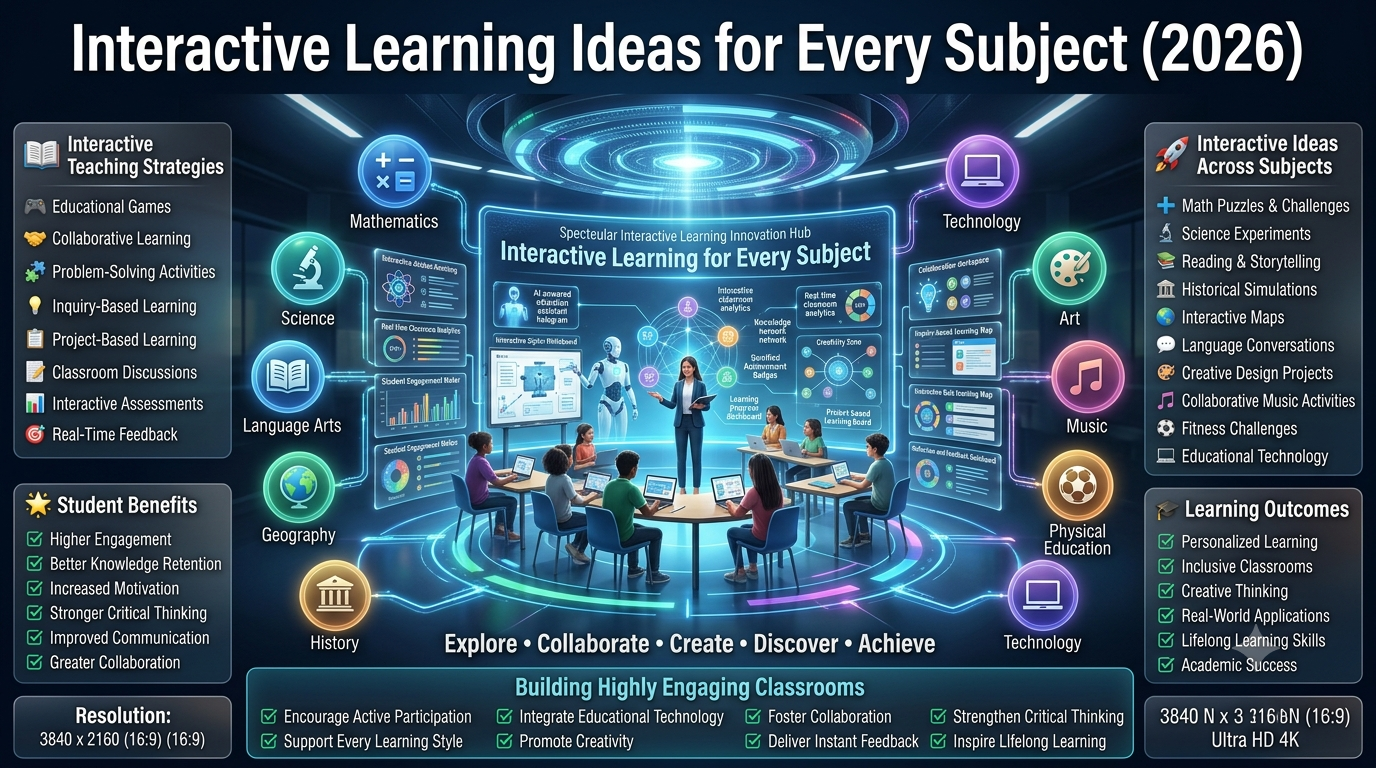
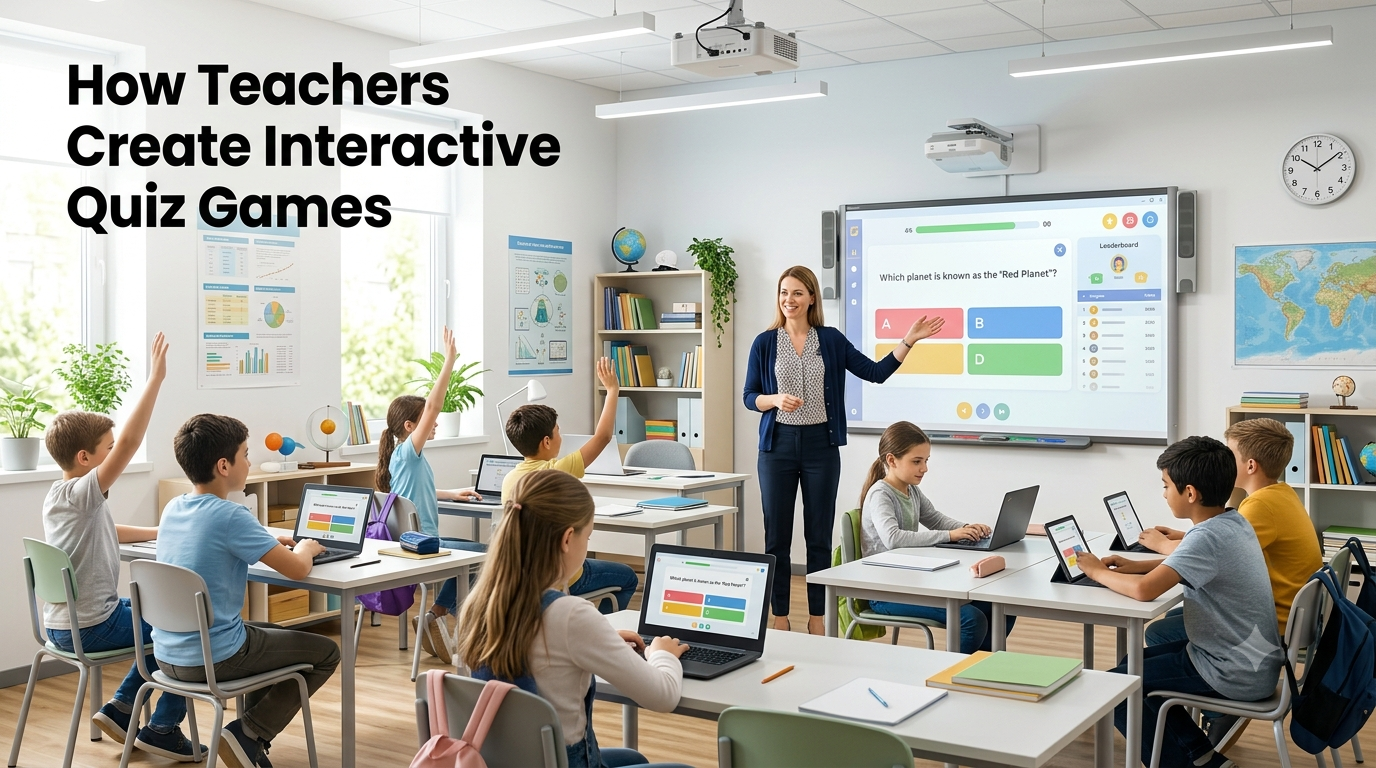
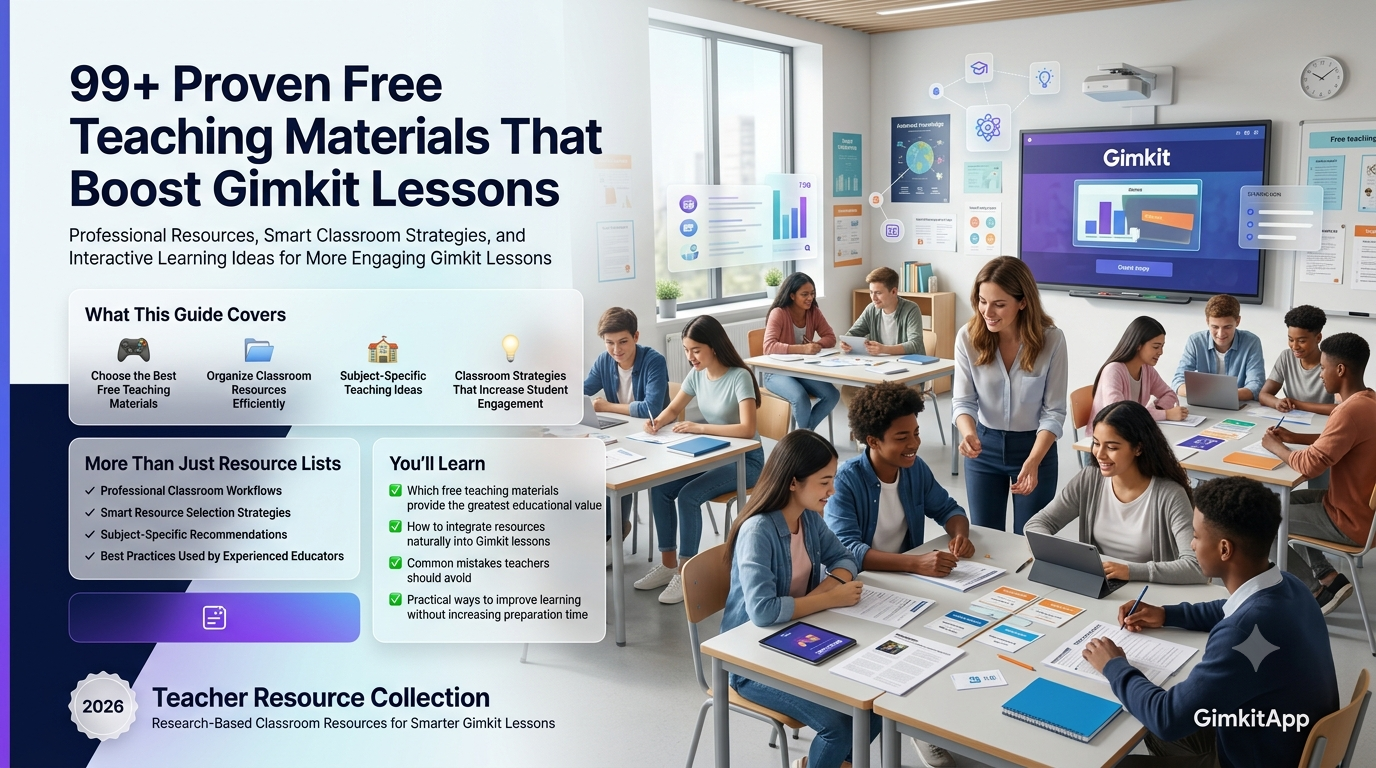
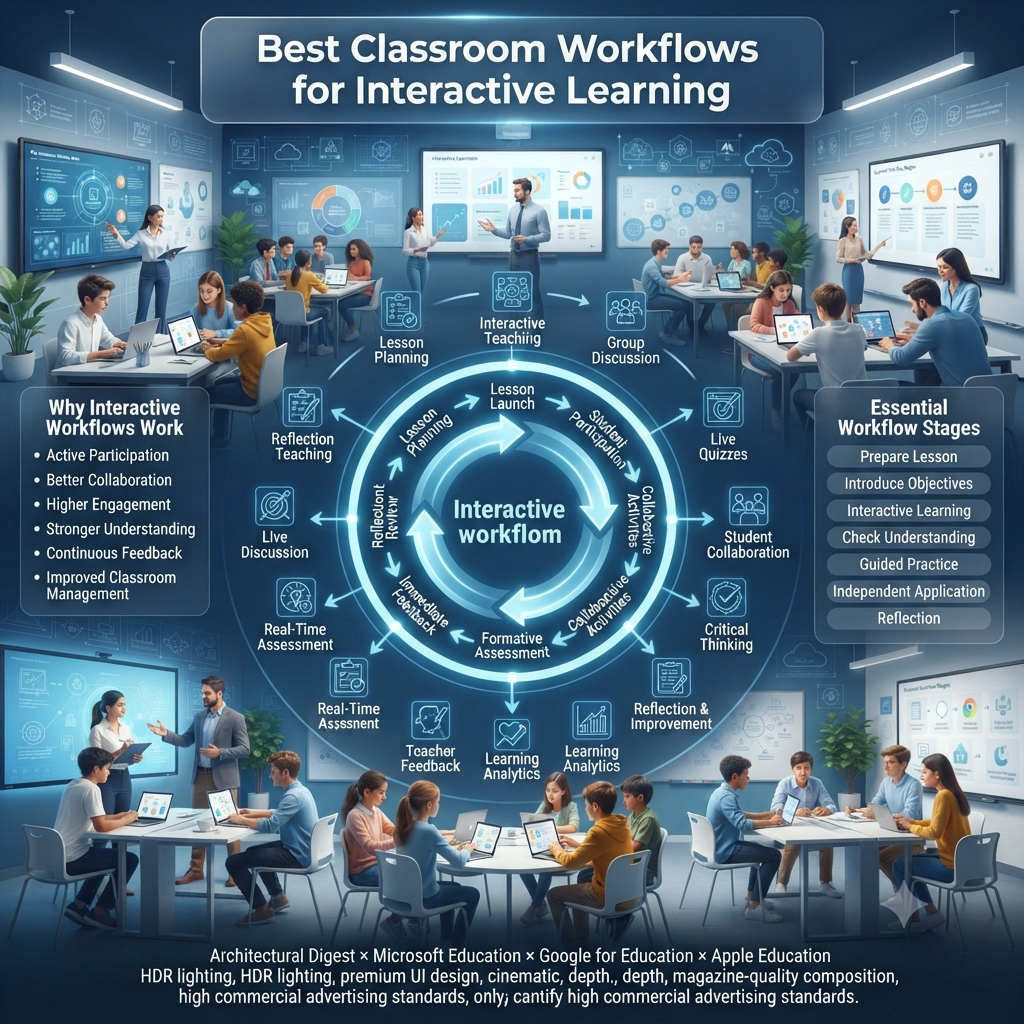
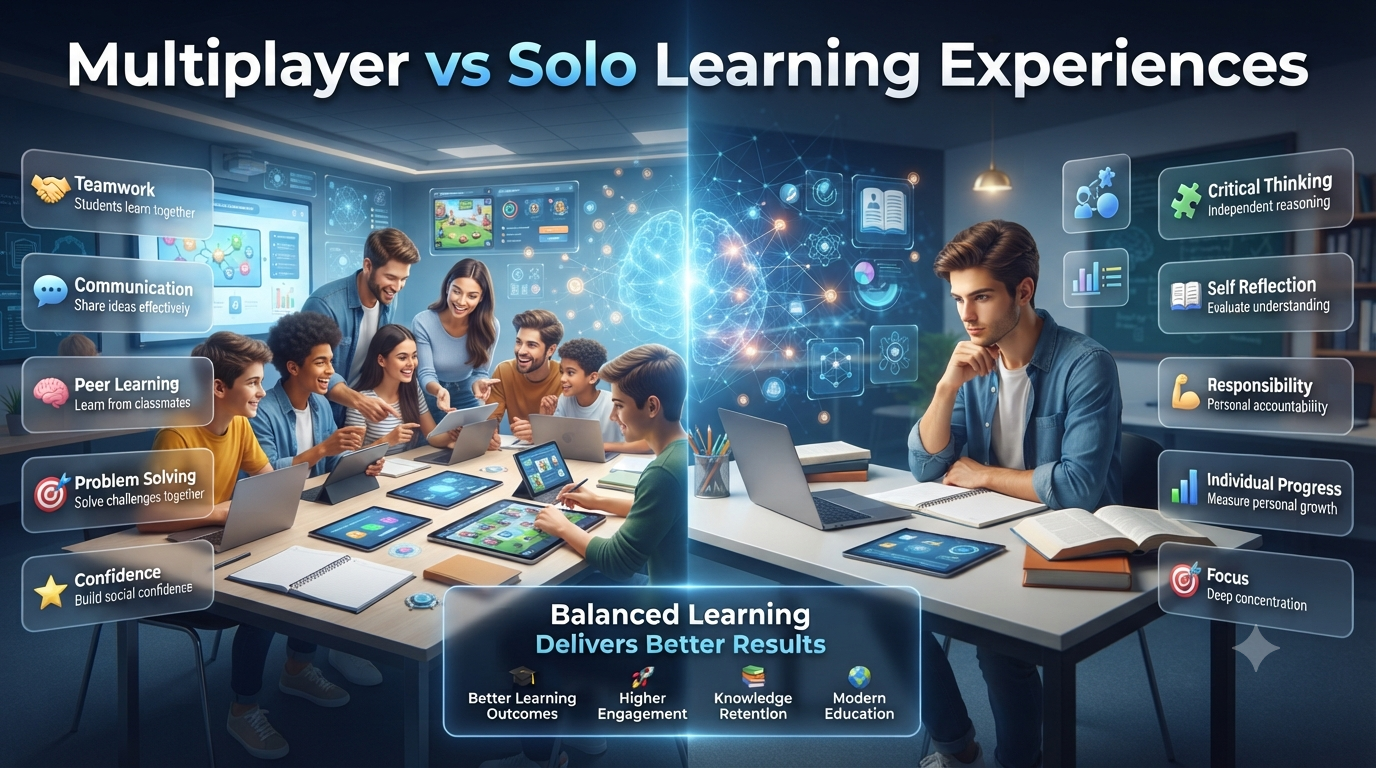
Interactive Learning Ideas for Every Subject.Interactive learning has become one of the defining characteristics of modern education. Rather than relying solely on lectures, note-taking, and memorization, today’s classrooms increasingly emphasize active participation, collaboration, inquiry, and real-world application. Students learn more effectively when they are involved in the learning process instead of simply receiving information. Research in educational psychology consistently shows that active engagement improves knowledge retention, strengthens critical thinking, and increases long-term motivation.
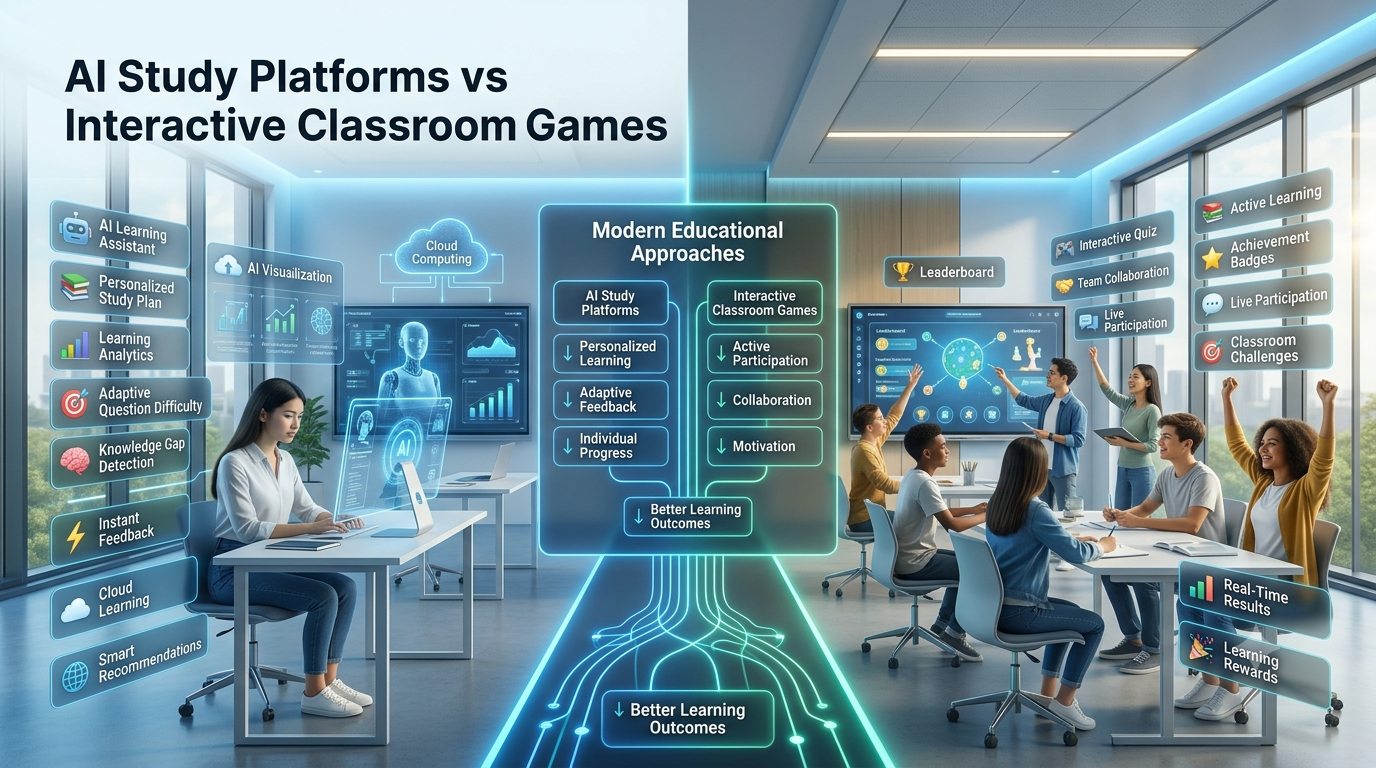
Digital platforms have accelerated this shift by making interactive instruction accessible across virtually every subject area. Through tools such as Gimkit Live, Gimkit Join, and the Gimkit App, teachers can transform review sessions into dynamic learning experiences that encourage continuous participation. However, interactive learning extends far beyond educational games. It also includes collaborative discussions, simulations, project-based learning, peer instruction, inquiry activities, multimedia exploration, role-playing, digital storytelling, and problem-solving challenges that place students at the center of instruction.
Importantly, there is no single interactive strategy that works equally well for every subject. Mathematics benefits from visual reasoning and collaborative problem-solving, science thrives through experimentation and investigation, language arts develops through discussion and creative expression, while history becomes more meaningful through debate, primary source analysis, and historical simulations. Effective teachers therefore adapt interactive methods according to subject objectives, student age, classroom resources, and desired learning outcomes.
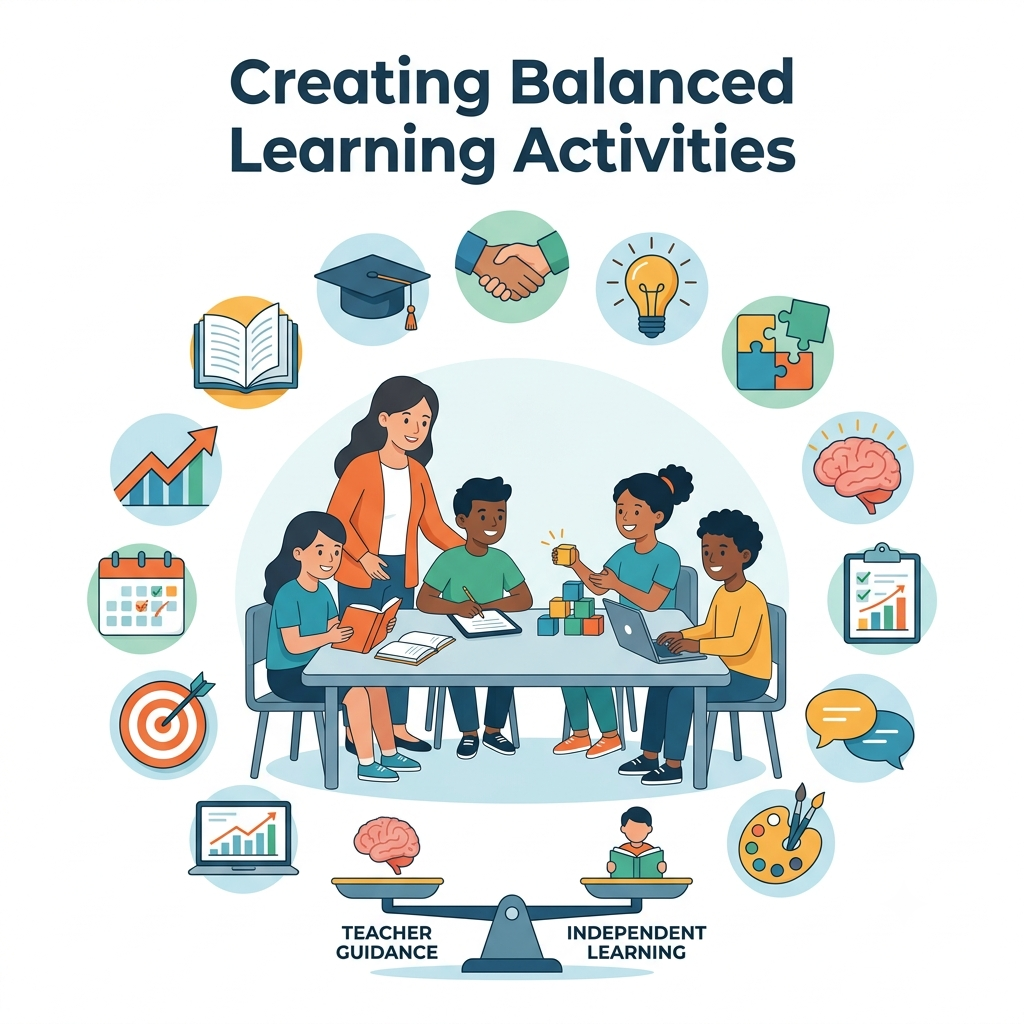
Successful interactive learning also requires intentional instructional design. Activities should promote meaningful thinking rather than superficial participation, encourage every learner to contribute, provide timely feedback, and remain closely aligned with curriculum standards. Technology should support these objectives—not replace strong teaching practices.
This guide explores Interactive Learning Ideas for Every Subject, presenting practical classroom strategies, cross-curricular activities, subject-specific engagement techniques, collaborative learning models, creativity-based instruction, and assessment ideas that help educators build highly engaging learning environments across elementary, secondary, and higher education.
Why Interactive Learning Works Across Every Subject
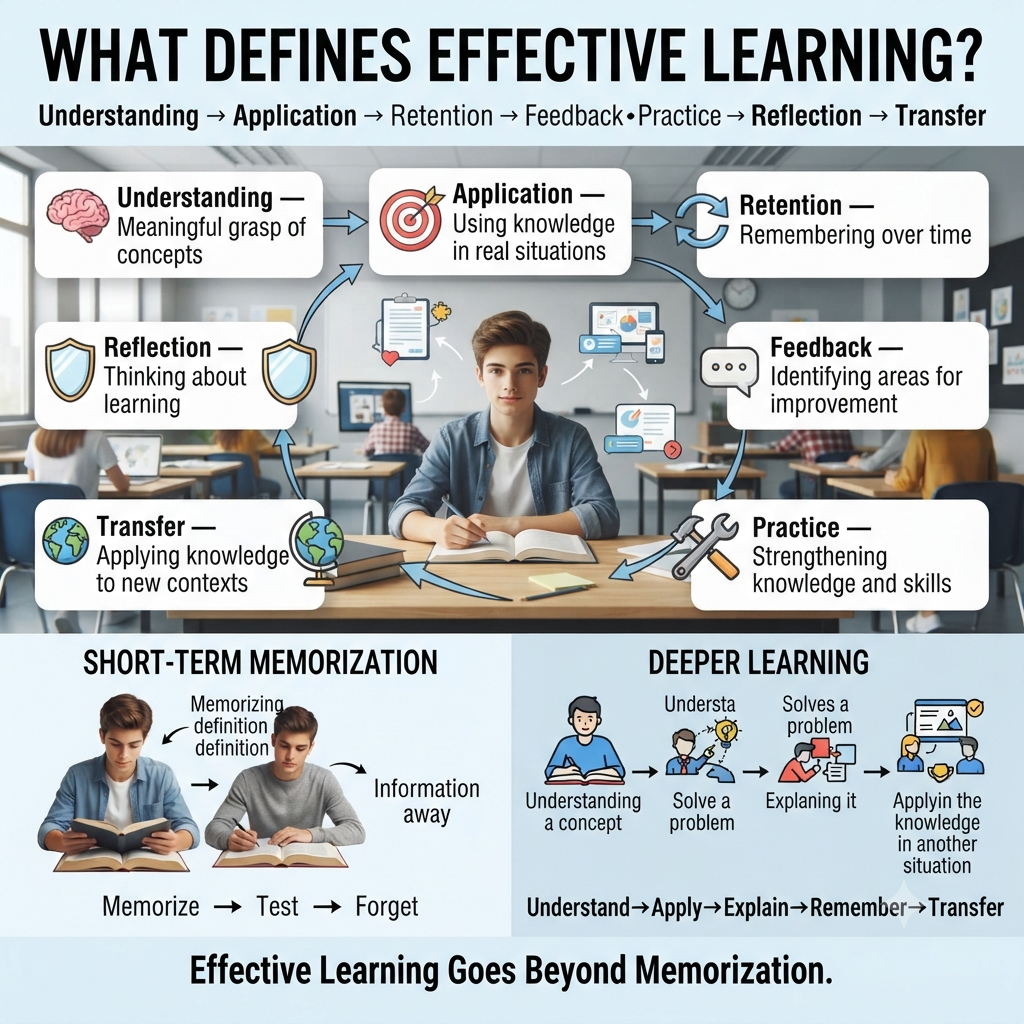
Learning becomes significantly more effective when students actively process information instead of passively receiving it.
Interactive instruction encourages learners to analyze, discuss, create, experiment, question, and apply knowledge. These activities activate deeper cognitive processes that improve both understanding and long-term memory.
Benefits of Interactive Learning
Interactive Practice
Educational Benefit
Active Participation
Higher engagement
Collaborative Learning
Stronger communication
Immediate Feedback
Faster improvement
Real-World Application
Better understanding
Student Reflection
Deeper retention
Creative Problem Solving
Critical thinking
Regardless of the subject being taught, active participation strengthens meaningful learning.
Interactive Learning Ideas for Mathematics
Mathematics becomes far more engaging when students explore concepts instead of simply following procedures.
Teachers can organize collaborative problem-solving stations, mathematical investigations, estimation challenges, real-life budgeting projects, data collection activities, logical reasoning competitions, and visual modeling exercises that encourage students to explain their thinking rather than only calculate answers.
Science naturally supports inquiry-based learning because students learn best by investigating observable phenomena.
Teachers can organize experiments, engineering challenges, scientific investigations, environmental observations, hypothesis testing, virtual laboratories, and collaborative research projects that encourage students to think like scientists rather than simply memorize scientific facts.
Science Activities
Activity
Educational Value
Laboratory Investigations
Scientific reasoning
Engineering Challenges
Design thinking
Field Observations
Inquiry skills
Virtual Experiments
Safe exploration
Research Projects
Information literacy
Scientific Debates
Evidence-based reasoning
Hands-on exploration helps students understand scientific concepts more deeply.
Interactive Learning Ideas for Language Arts
Language learning becomes richer when students actively communicate, analyze, and create.
Teachers can use literature circles, storytelling workshops, peer editing sessions, persuasive debates, vocabulary games, creative writing challenges, digital presentations, and dramatic readings to strengthen reading, writing, listening, and speaking skills simultaneously.
Language Arts Activities
Activity
Educational Benefit
Literature Circles
Reading comprehension
Peer Editing
Writing improvement
Story Creation
Creative expression
Classroom Debates
Speaking confidence
Vocabulary Challenges
Language development
Digital Storytelling
Communication skills
Interactive literacy activities transform language into authentic communication.
Interactive Learning Ideas for Social Studies
Social studies becomes meaningful when students explore historical events, cultural perspectives, and civic issues through active participation.
Role-playing historical figures, analyzing primary sources, conducting mock elections, creating interactive timelines, solving geography challenges, and debating historical decisions help learners connect past events with modern society while strengthening critical thinking.
Social Studies Activities
Activity
Learning Outcome
Historical Simulations
Contextual understanding
Primary Source Analysis
Evidence evaluation
Mock Elections
Civic participation
Interactive Maps
Geographic literacy
Cultural Research Projects
Global awareness
Historical Debates
Critical analysis
Interactive social studies encourages students to examine history instead of simply remembering dates.
Interactive Learning Ideas for English Language Learners and Multilingual Classrooms
Interactive learning is especially valuable in multilingual classrooms because it encourages students to communicate naturally while building language confidence. Instead of relying only on grammar exercises or vocabulary memorization, teachers can design activities where students use language for authentic communication, collaboration, and problem-solving.
Pair discussions, picture-based questioning, collaborative storytelling, pronunciation practice, role-playing everyday situations, and vocabulary scavenger hunts help learners develop speaking, listening, reading, and writing skills simultaneously. Digital translation support and visual learning resources can further improve comprehension without replacing active language use.
Interactive Language Activities
Activity
Educational Benefit
Pair Conversations
Speaking confidence
Vocabulary Stations
Word retention
Picture Discussions
Visual comprehension
Role-Playing
Practical communication
Collaborative Storytelling
Language fluency
Reading Circles
Better comprehension
Interactive language activities encourage students to use language confidently in meaningful contexts.
Interactive Learning Ideas for Art Education
Art education thrives when students are encouraged to experiment, observe, and express ideas creatively rather than simply reproduce examples.
Teachers can organize collaborative murals, design challenges, digital illustration projects, classroom galleries, peer critiques, cultural art investigations, and mixed-media workshops. These activities strengthen creativity while helping students explain artistic choices and appreciate diverse perspectives.
Interactive discussions about famous artworks, design principles, and visual storytelling also improve observation and critical thinking skills.
Art Classroom Activities
Activity
Learning Outcome
Collaborative Murals
Team creativity
Design Challenges
Problem-solving
Digital Art Projects
Technology integration
Gallery Walks
Critical observation
Peer Feedback
Artistic improvement
Cultural Art Studies
Global appreciation
Art becomes more meaningful when students actively create, evaluate, and reflect.
Interactive Learning Ideas for Music Education
Music lessons become highly engaging when students participate through performance, composition, rhythm exploration, and collaborative listening.
Instead of focusing only on theory, teachers can introduce rhythm games, instrument demonstrations, songwriting workshops, musical storytelling, listening analysis, and collaborative performances. Technology also allows students to experiment with digital composition and audio production while learning fundamental musical concepts.
Music Learning Activities
Activity
Educational Benefit
Rhythm Challenges
Timing skills
Group Performances
Collaboration
Songwriting Projects
Creative thinking
Listening Analysis
Musical understanding
Instrument Exploration
Practical knowledge
Digital Composition
Technology skills
Interactive music education helps students experience music rather than only study it.
Interactive Learning Ideas for Physical Education
Physical education extends beyond sports by promoting teamwork, healthy habits, leadership, and problem-solving through movement.
Teachers can organize cooperative fitness circuits, skill stations, movement challenges, strategy games, obstacle courses, wellness projects, and goal-setting activities that encourage participation from students of varying ability levels.
Reflection after activities helps students connect physical performance with personal improvement and lifelong health.
Physical Education Activities
Activity
Educational Benefit
Fitness Circuits
Physical development
Team Challenges
Cooperation
Movement Games
Motor skills
Wellness Projects
Healthy lifestyles
Leadership Activities
Responsibility
Goal Tracking
Personal growth
Active participation makes physical education enjoyable while supporting lifelong wellness.
Technology-Enhanced Interactive Learning Beyond Educational Games
Interactive learning is not limited to quiz-based platforms. Modern classrooms increasingly combine multiple technologies to support inquiry, collaboration, creativity, and independent exploration.
Teachers can integrate virtual field trips, augmented reality experiences, digital whiteboards, collaborative documents, multimedia presentations, coding projects, podcasts, and student-created videos. These approaches encourage learners to create original work instead of only answering questions.
Technology should expand learning opportunities while maintaining strong instructional purpose.
Digital Learning Opportunities
Technology
Classroom Value
Virtual Field Trips
Global exploration
Collaborative Documents
Shared learning
Digital Whiteboards
Visual thinking
Student Podcasts
Communication skills
Video Projects
Creative expression
Coding Activities
Computational thinking
Combining different technologies creates richer and more authentic learning experiences.
Build Cross-Curricular Interactive Projects
Many real-world challenges require knowledge from multiple subjects, making cross-curricular projects an excellent way to increase engagement.
Students might design sustainable cities using mathematics, science, geography, and engineering; create historical documentaries that combine research, writing, and digital media; or develop business plans incorporating economics, communication, mathematics, and design.
These interdisciplinary projects help learners understand how different subjects work together beyond the classroom.
Cross-Curricular Projects
Project
Subjects Connected
Sustainable City Design
Science, Math, Geography
Historical Documentary
History, English, Media
School Business Project
Math, Economics, Design
Environmental Campaign
Science, Language Arts
Community Survey
Statistics, Social Studies
Innovation Challenge
STEM and Communication
Cross-curricular learning prepares students to solve complex real-world problems.
30+ Expert Tips for Making Every Subject More Interactive
Interactive learning succeeds when students actively participate in constructing knowledge rather than simply receiving information. Regardless of the subject being taught, well-designed activities should encourage discussion, investigation, collaboration, creativity, and reflection. The following practices help teachers create engaging lessons while maintaining strong academic standards.
Lesson Planning
Begin every lesson with a clear learning objective.
Choose interactive methods that match curriculum goals.
Connect new concepts to prior knowledge.
Keep instructions simple and easy to follow.
Prepare all learning materials before class.
Student Participation
Encourage every student to contribute.
Rotate partners and small groups regularly.
Ask open-ended questions that require explanation.
✔ Balance technology with face-to-face interaction.
✔ Create a classroom where questions are welcomed.
✔ Celebrate growth, collaboration, and continuous improvement.
Interactive learning becomes most powerful when students are actively involved in understanding, applying, and extending knowledge.
Common Mistakes Teachers Should Avoid
Interactive lessons require thoughtful planning. Without clear structure, activities can become entertaining without producing meaningful academic progress.
Frequent Mistakes
Mistake
Better Practice
Using activities without clear objectives
Align every activity with learning outcomes
Allowing a few students to dominate discussions
Design participation for everyone
Choosing technology because it is popular
Select tools that solve instructional needs
Making activities overly complicated
Keep directions clear and purposeful
Ignoring reflection after activities
Review learning before ending the lesson
Measuring participation instead of understanding
Assess both engagement and learning outcomes
Professional Recommendations
✔ Prioritize learning over entertainment.
✔ Build interactive lessons around curriculum standards.
✔ Maintain consistent classroom routines.
✔ Encourage respectful collaboration.
✔ Continuously evaluate and improve instructional strategies.
Strong classroom interaction is the result of purposeful planning rather than spontaneous activity.
Instant Guidance & Expert point of views
Interactive Learning Ideas for Every Subject help teachers create engaging classroom experiences that encourage active participation, deeper understanding, and long-term knowledge retention across all areas of learning.
Interactive Learning Ideas for Every Subject transform traditional lessons into dynamic activities by incorporating discussions, games, collaborative projects, and hands-on learning opportunities that keep students motivated.
Interactive Learning Ideas for Every Subject encourage educators to replace passive lectures with student-centered activities that promote critical thinking, communication, and problem-solving skills.
Interactive Learning Ideas for Every Subject support differentiated instruction by providing flexible teaching methods that accommodate various learning styles, abilities, and classroom environments.
Interactive Learning Ideas for Every Subject make mathematics more engaging through puzzles, real-world problem solving, interactive quizzes, and collaborative challenges that strengthen analytical thinking.
Interactive Learning Ideas for Every Subject enhance science education by encouraging students to conduct experiments, analyze observations, and participate in inquiry-based learning activities.
Interactive Learning Ideas for Every Subject improve language arts instruction through storytelling, reading discussions, vocabulary games, creative writing, and peer review exercises.
Interactive Learning Ideas for Every Subject bring history lessons to life by using debates, historical simulations, role-playing activities, and interactive timelines that deepen student understanding.
Interactive Learning Ideas for Every Subject enrich geography education through virtual maps, cultural exploration, location-based activities, and collaborative research projects.
Interactive Learning Ideas for Every Subject strengthen foreign language learning by encouraging conversation practice, vocabulary games, pronunciation challenges, and real-life communication exercises.
Interactive Learning Ideas for Every Subject help art teachers inspire creativity through collaborative projects, digital design activities, and interactive visual presentations.
Interactive Learning Ideas for Every Subject support music education by combining listening exercises, rhythm activities, performance opportunities, and collaborative composition projects.
Interactive Learning Ideas for Every Subject make physical education more engaging through team challenges, fitness games, skill-building competitions, and goal-based activities.
Interactive Learning Ideas for Every Subject encourage students to collaborate in small groups where they exchange ideas, solve problems together, and develop effective teamwork skills.
Interactive Learning Ideas for Every Subject integrate educational technology to provide interactive quizzes, multimedia lessons, digital simulations, and real-time classroom feedback.
Interactive Learning Ideas for Every Subject promote project-based learning by encouraging students to investigate real-world topics and present meaningful solutions to authentic challenges.
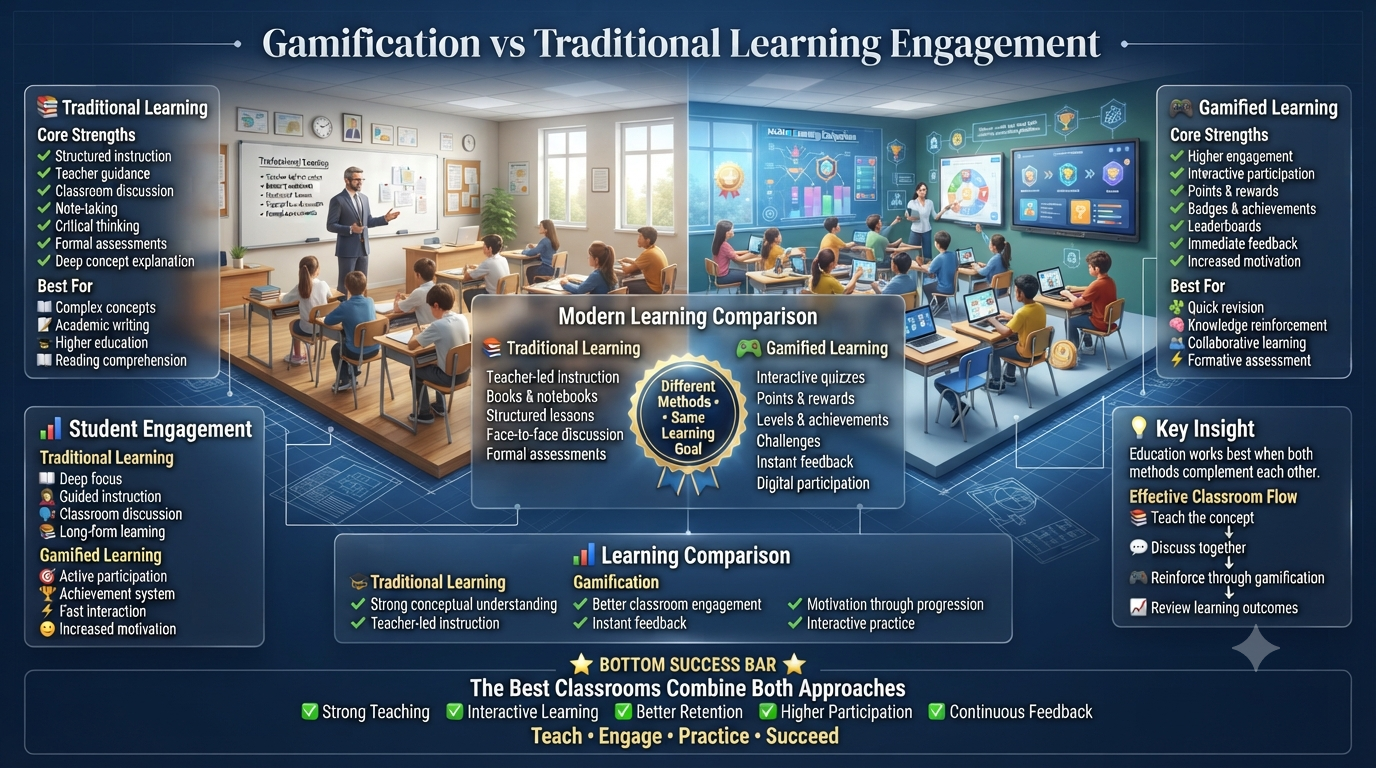
Interactive Learning Ideas for Every Subject improve classroom engagement through gamification strategies that reward participation, progress, collaboration, and continuous learning.
Interactive Learning Ideas for Every Subject support formative assessment by giving teachers immediate insights into student understanding through interactive activities and classroom discussions.
Interactive Learning Ideas for Every Subject encourage inquiry-based learning where students ask questions, explore ideas, and discover concepts through guided investigation.
Interactive Learning Ideas for Every Subject help students build confidence by creating safe opportunities to participate, share ideas, and receive constructive feedback from teachers and classmates.
Interactive Learning Ideas for Every Subject strengthen communication skills through presentations, group discussions, peer teaching, and collaborative classroom projects.
Interactive Learning Ideas for Every Subject foster creativity by encouraging learners to develop original ideas, design innovative solutions, and express knowledge through multiple formats.
Interactive Learning Ideas for Every Subject make classroom review sessions more enjoyable by using educational games, team competitions, and interactive revision activities.
Interactive Learning Ideas for Every Subject support personalized learning by allowing students to progress at their own pace while receiving targeted guidance based on individual performance.
Interactive Learning Ideas for Every Subject improve knowledge retention by encouraging students to actively apply concepts instead of relying solely on memorization.
Interactive Learning Ideas for Every Subject help teachers create inclusive classrooms where every learner has opportunities to contribute regardless of ability, background, or learning preference.
Interactive Learning Ideas for Every Subject encourage reflective learning by giving students time to evaluate their progress, identify challenges, and establish future academic goals.
Interactive Learning Ideas for Every Subject promote lifelong learning habits by making education enjoyable, meaningful, and connected to practical real-world experiences.
Interactive Learning Ideas for Every Subject demonstrate that active participation consistently leads to greater student motivation, stronger collaboration, and improved academic achievement.
Interactive Learning Ideas for Every Subject ultimately empower educators to design engaging, student-centered classrooms that combine creativity, collaboration, technology, critical thinking, and meaningful assessment to support lasting educational success across every subject.
Frequently Asked Questions
1. What Are the Best Universal Digital Tools That Work for Every Subject?
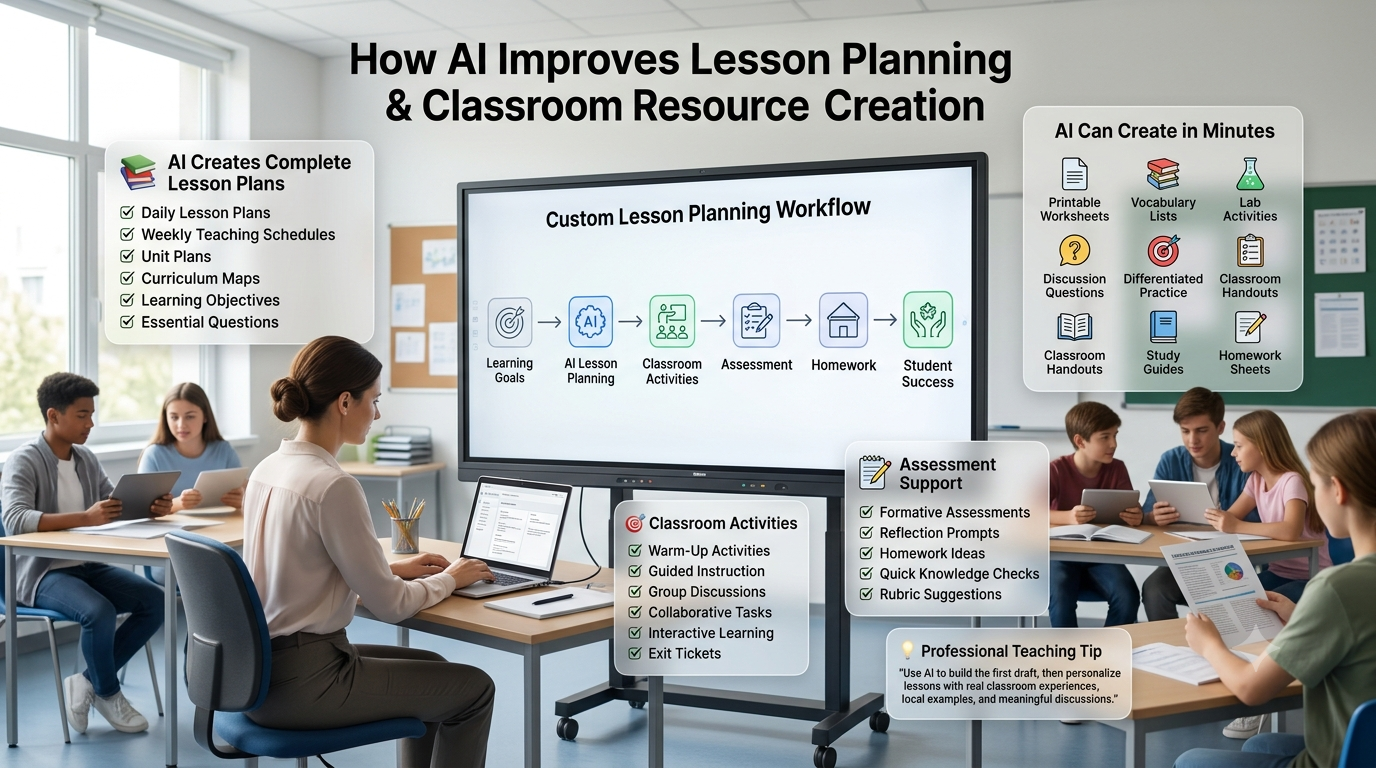
The most effective digital tools are flexible enough to support multiple subjects rather than being limited to one discipline. Platforms like Gimkit for gamified review, collaborative digital whiteboards, learning management systems, cloud-based document editors, presentation software, AI-assisted learning tools, and formative assessment platforms can be adapted for mathematics, science, languages, social studies, and creative subjects. The latest trend is combining AI-powered feedback with collaborative learning spaces so teachers can personalize instruction while maintaining active student participation.
Popular choices include:
Gamified review platforms.
Digital whiteboards.
Cloud collaboration tools.
AI-assisted learning applications.
Learning management systems (LMS).
2. How Can Teachers Bring Interactive Learning Into Reading-Heavy or Humanities Subjects?
Interactive learning in humanities focuses on discussion, interpretation, and critical thinking rather than memorization. Teachers can organize literature circles, historical debates, document analysis, role-playing activities, collaborative annotation, student-led seminars, and digital storytelling projects. Instead of simply reading a chapter, students actively question ideas, compare perspectives, and connect historical or literary themes with modern issues. This approach improves comprehension, communication, and analytical skills while making reading-intensive subjects significantly more engaging.
Effective classroom strategies:
Literature discussions.
Historical simulations.
Primary source analysis.
Collaborative annotations.
Student presentations and debates.
3. What Are the Top Interactive Strategies for STEM (Science and Math) Classes?
STEM classrooms benefit from activities that require students to investigate, experiment, calculate, and solve authentic problems. Inquiry-based learning, engineering design challenges, laboratory investigations, mathematical modeling, coding activities, data analysis, and collaborative problem-solving remain among the strongest instructional approaches. Recent trends also include AI-supported tutoring, virtual laboratories, simulations, and real-world project-based learning that allow students to apply scientific and mathematical concepts to practical situations while strengthening critical thinking.
Recommended STEM activities:
Hands-on experiments.
Engineering challenges.
Collaborative problem-solving.
Virtual simulations.
Real-world mathematical investigations.
4. How Do You Design Interactive Activities for Creative Fields Like Art, Music, and PE?
Creative subjects require activities that encourage exploration, performance, collaboration, and self-expression. Art teachers can organize collaborative murals or design challenges, music educators can use composition workshops and rhythm activities, while physical education teachers may introduce cooperative fitness challenges, movement stations, and team strategy games. The current trend emphasizes student-created projects, peer feedback, digital portfolios, and reflective practice, helping learners develop creativity alongside technical and communication skills.
Creative learning ideas include:
Collaborative design projects.
Music composition workshops.
Performance-based activities.
Peer critiques.
Movement and wellness challenges.
5. How Can Teachers Run Interactive Activities Without Relying on Classroom Technology?
Technology enhances learning, but meaningful interaction does not depend on digital devices. Teachers can use think-pair-share discussions, classroom debates, role-playing, problem-solving stations, gallery walks, peer teaching, cooperative learning groups, educational board games, paper-based simulations, and hands-on investigations to keep students actively engaged. These strategies encourage communication, collaboration, and critical thinking while remaining effective in classrooms with limited internet access or device availability.
Technology-free strategies include:
Think-pair-share discussions.
Gallery walks.
Classroom debates.
Role-playing activities.
Cooperative learning groups.
Final Verdict
Implementing Interactive Learning Ideas for Every Subject helps transform classrooms into environments where students actively investigate, collaborate, create, and apply knowledge rather than simply memorizing information. Effective interactive teaching combines purposeful lesson design, meaningful participation, appropriate technology integration, and continuous reflection. By selecting strategies that align with curriculum objectives and student needs, educators can improve engagement while strengthening long-term academic achievement across every subject area.
Conclusion
Interactive learning is no longer limited to a single teaching method or digital platform. It represents a comprehensive instructional approach that encourages active participation, curiosity, collaboration, and critical thinking throughout the learning process. Whether teaching mathematics, science, language arts, social studies, creative subjects, or physical education, educators who thoughtfully integrate interactive strategies create classrooms where students develop deeper understanding, stronger communication skills, and greater confidence. As educational practices continue evolving, meaningful interaction will remain one of the most powerful foundations of successful teaching and lifelong learning.