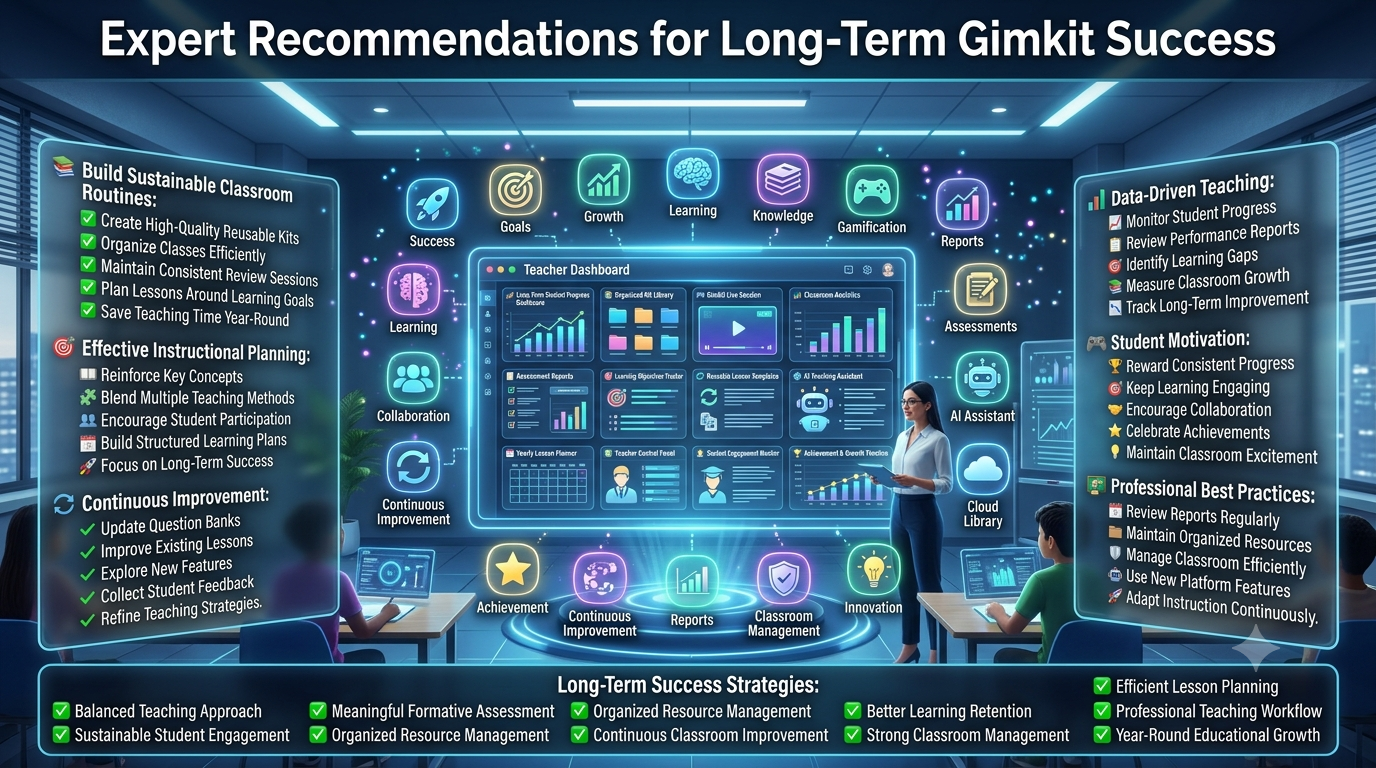
Expert Recommendations for Long-Term Gimkit Success-The most effective educators use the platform as part of a balanced instructional strategy that combines engaging review, meaningful assessment, and data-informed teaching. While Gimkit’s gamified environment motivates students, sustained academic growth depends on thoughtful planning, varied activities, and continuous refinement of classroom practices.
Teachers who successfully integrate Gimkit throughout the school year understand that consistency is more important than novelty alone. Features available through Gimkit Live, Gimkit Join and theGimkit App allow educators to build organized classrooms, reuse high-quality Kits, monitor learning progress, and adapt instruction based on real classroom data. These practices help maintain student engagement without allowing gameplay to become repetitive.
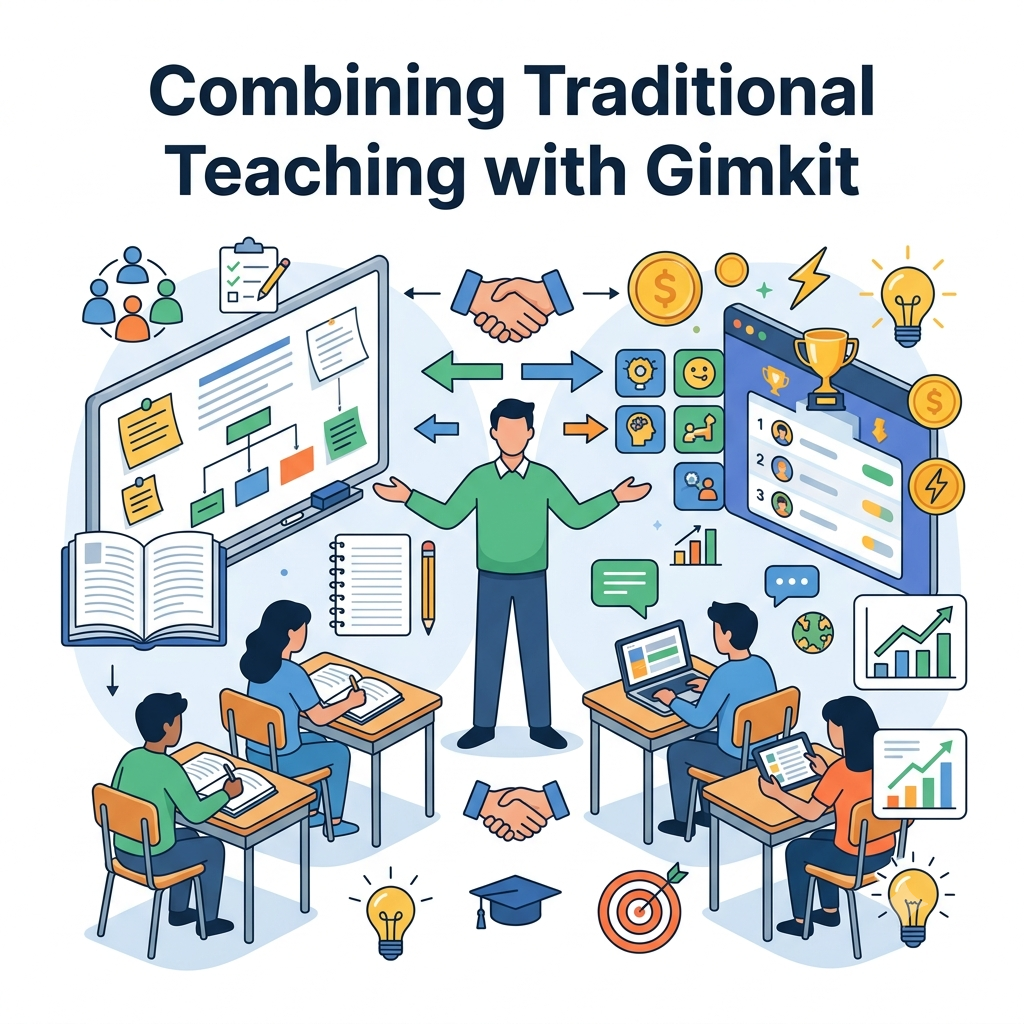
Another important factor is balancing game-based learning with other instructional approaches. Gimkit works best when it reinforces concepts introduced through direct instruction, collaborative learning, projects, discussions, and hands-on activities. This blended model strengthens long-term retention while preventing students from viewing review games as the only learning experience.
Experienced educators also recognize the importance of continuous improvement. Reviewing reports, updating question banks, collecting student feedback, and exploring new platform features help teachers refine lessons throughout the academic year. Small adjustments made consistently often produce greater long-term benefits than major instructional changes.
This guide presents Expert Recommendations for Long-Term Gimkit Success, covering sustainable classroom routines, effective assessment practices, student motivation, instructional planning, classroom management, and professional strategies that help teachers maximize Gimkit’s educational value over many months of teaching.
Build Sustainable Classroom Routines
Successful long-term implementation depends on consistent routines rather than constant novelty.
Teachers should establish predictable schedules for review activities, assignment completion, and classroom discussions. Students benefit from knowing when and how Gimkit will be used while still experiencing enough variation to remain engaged. Consistent routines reduce confusion and create smoother classroom management throughout the year.
Routine Development
Strategy
Educational Benefit
Weekly Review Schedule
Consistent reinforcement
Predictable Lesson Structure
Better classroom management
Balanced Activity Rotation
Reduced student fatigue
Clear Expectations
Improved participation
Regular Reflection
Stronger understanding
Structured Planning
Long-term success
Well-designed routines create stability without sacrificing engagement.
Continuously Improve Question Quality
High-quality questions have a greater impact on learning than simply increasing the number of activities.
Experienced teachers regularly review their Kits, improve unclear wording, add higher-order thinking questions, update outdated content, and align materials with current curriculum standards. Strong question design encourages deeper thinking while making formative assessment more meaningful.
Reports should influence future lessons rather than simply documenting previous performance.
By reviewing student progress, question accuracy, participation trends, and recurring misconceptions, teachers can identify areas requiring additional instruction. Data-driven planning allows educators to personalize review sessions and address learning gaps before they become larger academic challenges.
Data-Informed Teaching
Report Type
Teaching Benefit
Student Progress
Monitor growth
Question Analysis
Identify misconceptions
Class Trends
Adjust instruction
Assignment Results
Guide intervention
Participation Data
Improve engagement
Historical Performance
Long-term planning
Regular analysis transforms classroom data into better instructional decisions.
Maintain Student Motivation Throughout the Year
Keeping students engaged for an entire academic year requires more than competitive gameplay.
Teachers should rotate game modes, vary instructional approaches, celebrate individual improvement, encourage collaboration, and connect activities directly to classroom learning objectives. Long-term motivation grows when students recognize that success reflects genuine understanding rather than luck or repetition.
Motivation Strategies
Strategy
Classroom Benefit
Rotate Activities
Prevent boredom
Celebrate Progress
Build confidence
Encourage Teamwork
Increase collaboration
Connect to Curriculum
Meaningful learning
Offer Variety
Maintain interest
Provide Constructive Feedback
Support improvement
Meaningful engagement creates more durable learning than entertainment alone.
Prevent Student Burnout Through Instructional Variety
Long-term success with Gimkit depends on maintaining student interest without allowing gameplay to become predictable. Even highly engaging platforms can lose their impact if they are used in exactly the same way every week. Experienced teachers rotate game modes, alternate between digital and offline learning activities, and vary instructional formats to keep review sessions fresh. A balanced classroom approach encourages sustained motivation while supporting deeper understanding across different learning styles.
Burnout Prevention
Strategy
Long-Term Benefit
Rotate Game Modes
Maintains engagement
Alternate Digital & Offline Lessons
Better instructional balance
Use Collaborative Activities
Stronger participation
Limit Repetitive Review
Prevents fatigue
Refresh Question Sets
New learning experiences
Collect Student Feedback
Continuous improvement
Instructional variety keeps students motivated throughout the school year.
Build Reusable Teaching Systems
Highly effective teachers focus on creating systems rather than repeating individual tasks. Instead of designing every activity from the beginning, they develop organized Kit libraries, reusable assignments, consistent lesson templates, and structured classroom workflows. These systems reduce preparation time while ensuring instructional quality remains high across multiple classes and academic years.
Sustainable Teaching Workflow
Workflow
Professional Benefit
Reusable Kits
Faster lesson preparation
Organized Resource Library
Easy content management
Lesson Templates
Consistent instruction
Standard Naming System
Better organization
Archived Materials
Future reuse
Regular Resource Updates
Current curriculum alignment
Well-designed systems improve both efficiency and instructional consistency.
Continue Professional Learning
Educational technology evolves continuously, making ongoing professional development essential for experienced teachers. Exploring new Gimkit features, reviewing platform updates, exchanging ideas with colleagues, and experimenting with instructional strategies help educators improve classroom practices over time. Small improvements made consistently often produce greater long-term results than major changes implemented all at once.
Professional Growth
Activity
Teaching Advantage
Learn New Features
Expanded instructional options
Attend Professional Development
Better teaching practices
Share Ideas With Colleagues
Collaborative improvement
Reflect After Lessons
Continuous refinement
Test New Strategies
Increased engagement
Stay Current With Updates
Better classroom efficiency
Continuous learning strengthens both teaching confidence and classroom effectiveness.
Review Classroom Performance Regularly
Long-term improvement requires consistent reflection. Rather than evaluating performance only at the end of a semester, experienced teachers regularly review classroom reports, assignment results, participation trends, and student feedback. These insights help identify successful practices and areas needing adjustment before problems become significant.
Technology is most effective when it enhances teaching rather than replacing it. Gimkit works best alongside direct instruction, collaborative discussion, project-based learning, written activities, and practical classroom experiences. This balanced approach develops both academic knowledge and critical thinking while ensuring technology remains a meaningful instructional tool rather than the center of every lesson.
30+ Expert Recommendations for Long-Term Gimkit Success
Long-term success with Gimkit comes from consistency, thoughtful planning, and continuous improvement rather than simply playing more games. Experienced educators build sustainable routines that keep students engaged while supporting measurable academic growth.
Classroom Planning
Create a yearly review schedule.
Organize Kits by subject and unit.
Align every activity with learning objectives.
Plan review sessions before major assessments.
Update instructional resources each term.
Student Engagement
Rotate different game modes regularly.
Celebrate improvement instead of only high scores.
Encourage healthy classroom competition.
Mix individual and team activities.
Collect student feedback throughout the year.
Question Design
Improve weak questions after every unit.
Include higher-order thinking questions.
Balance easy, medium, and challenging content.
Remove outdated material.
Keep Kits curriculum-aligned.
Assessment
Review reports after every major activity.
Identify misconceptions early.
Monitor long-term student progress.
Compare performance across units.
Use classroom data to adjust future lessons.
Professional Workflow
Maintain a reusable Kit library.
Archive older instructional materials.
Organize digital resources consistently.
Review classroom settings regularly.
Explore new platform features when released.
Continuous Improvement
Reflect after important lessons.
Improve one workflow at a time.
Balance technology with traditional instruction.
Continue professional learning throughout the year.
Focus on student understanding rather than game results alone.
Best Practices
✔ Maintain consistent classroom routines.
✔ Keep instructional resources organized.
✔ Use reports to guide teaching decisions.
✔ Prevent burnout by varying activities.
✔ Treat Gimkit as one part of a balanced instructional strategy.
Small improvements made consistently create significant long-term classroom success.
Common Long-Term Mistakes Teachers Should Avoid
Even experienced educators can reduce Gimkit’s effectiveness by relying too heavily on familiar routines. Reviewing classroom practices regularly helps maintain student engagement while supporting stronger instructional outcomes.
Frequent Mistakes
Mistake
Better Practice
Using the same game mode repeatedly
Rotate activities regularly
Ignoring classroom analytics
Review reports after each unit
Rarely updating Kits
Improve questions continuously
Overusing review games
Balance with other teaching methods
Organizing resources inconsistently
Maintain structured digital libraries
Waiting until year-end to evaluate
Reflect throughout the school year
Professional Recommendations
✔ Refresh classroom resources regularly.
✔ Monitor long-term student growth.
✔ Keep lessons aligned with curriculum goals.
✔ Balance engagement with academic rigor.
✔ Continue refining instructional systems.
Long-term success depends on consistent improvement rather than occasional major changes.
Instant Guidance & Expert Point of views
Expert Recommendations for Long-Term Gimkit Success begin with using the platform consistently rather than occasionally. Regular practice helps students reinforce concepts, strengthen retention, and develop lasting confidence in the subjects they study.
Expert Recommendations for Long-Term Gimkit Success encourage teachers to align every game with specific learning objectives so that engagement always supports measurable academic outcomes.
Expert Recommendations for Long-Term Gimkit Success emphasize creating high-quality question sets that focus on understanding concepts instead of simple memorization, leading to deeper and more meaningful learning.
Expert Recommendations for Long-Term Gimkit Success recommend updating question sets frequently to reflect current lessons, curriculum changes, and classroom priorities throughout the academic year.
Expert Recommendations for Long-Term Gimkit Success highlight the importance of balancing live games with self-paced assignments so students can review material both inside and outside the classroom.
Expert Recommendations for Long-Term Gimkit Success encourage educators to analyze performance reports after every activity, using the results to identify learning gaps and improve future instruction.
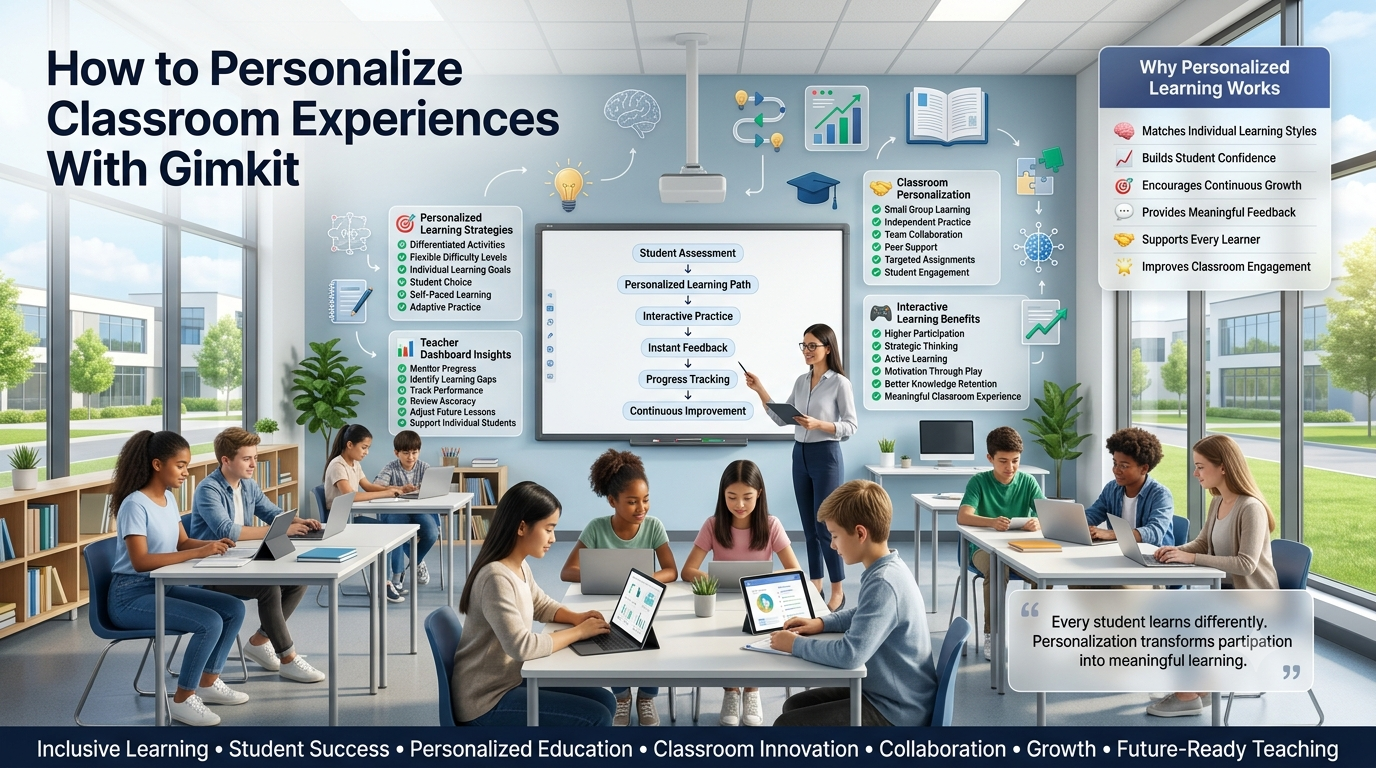
Expert Recommendations for Long-Term Gimkit Success support differentiated instruction by creating activities with varying difficulty levels to meet the needs of students with diverse abilities.
Expert Recommendations for Long-Term Gimkit Success recommend using multiple game modes throughout the school year to maintain student interest and prevent classroom activities from becoming repetitive.
Expert Recommendations for Long-Term Gimkit Success encourage students to focus on accuracy before speed, as consistently correct answers usually produce stronger long-term academic improvement.
Expert Recommendations for Long-Term Gimkit Success highlight the value of providing immediate feedback so students can correct misunderstandings while learning is still taking place.
Expert Recommendations for Long-Term Gimkit Success recommend incorporating collaborative activities that encourage communication, teamwork, and peer-supported learning alongside healthy competition.
Expert Recommendations for Long-Term Gimkit Success emphasize setting realistic academic goals that motivate students to improve steadily rather than focusing only on leaderboard rankings.
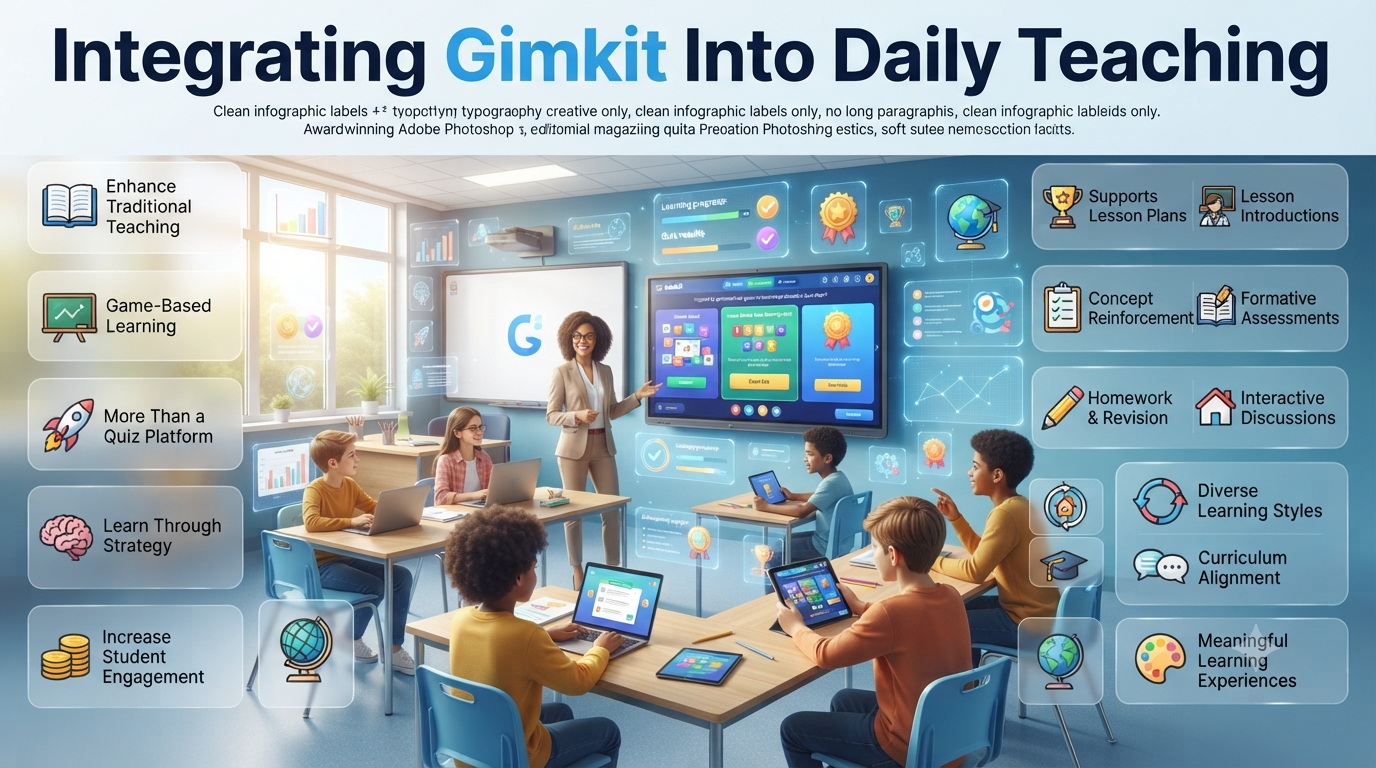
Expert Recommendations for Long-Term Gimkit Success encourage teachers to integrate Gimkit into broader lesson plans instead of using it as a standalone classroom activity.
Expert Recommendations for Long-Term Gimkit Success recommend reviewing challenging questions after each session to reinforce understanding and address common misconceptions.
Expert Recommendations for Long-Term Gimkit Success highlight that consistent classroom routines help students become familiar with game mechanics, allowing them to concentrate more on learning than navigation.
Expert Recommendations for Long-Term Gimkit Success encourage educators to celebrate improvement, participation, and persistence in addition to recognizing high scores.
Expert Recommendations for Long-Term Gimkit Success support long-term engagement by introducing seasonal themes, classroom challenges, and curriculum-specific activities throughout the year.
Expert Recommendations for Long-Term Gimkit Success recommend monitoring participation patterns to identify students who may require additional encouragement or individualized academic support.
Expert Recommendations for Long-Term Gimkit Success encourage teachers to use detailed analytics when planning future lessons, ensuring instruction addresses the areas where students need the most practice.
Expert Recommendations for Long-Term Gimkit Success emphasize maintaining a positive classroom atmosphere where mistakes are viewed as valuable opportunities for learning and growth.
Expert Recommendations for Long-Term Gimkit Success recommend combining digital activities with classroom discussions, written exercises, and hands-on learning to create a balanced educational experience.
Expert Recommendations for Long-Term Gimkit Success encourage students to reflect on their performance after each activity, helping them identify strengths, recognize weaknesses, and establish meaningful learning goals.
Expert Recommendations for Long-Term Gimkit Success highlight the importance of organizing question sets by unit, topic, or learning objective to simplify lesson preparation and classroom management.
Expert Recommendations for Long-Term Gimkit Success recommend testing activities before classroom use to ensure questions, settings, and game options function as intended.
Expert Recommendations for Long-Term Gimkit Success encourage educators to remain informed about new platform features that may improve engagement, assessment, and instructional efficiency.
Expert Recommendations for Long-Term Gimkit Success support accessibility by designing activities that can be completed successfully across different devices and learning environments.
Expert Recommendations for Long-Term Gimkit Success recommend maintaining consistent communication with students by providing clear instructions, constructive feedback, and realistic expectations for every activity.
Expert Recommendations for Long-Term Gimkit Success highlight that sustainable educational success comes from thoughtful planning, continuous improvement, and purposeful integration of game-based learning into everyday instruction.
Expert Recommendations for Long-Term Gimkit Success encourage educators to evaluate classroom results regularly, refine teaching strategies, and adapt activities according to changing student needs and curriculum goals.
Expert Recommendations for Long-Term Gimkit Success ultimately demonstrate that lasting success is achieved through consistent practice, strategic lesson planning, meaningful assessment, engaging classroom experiences, continuous reflection, and a commitment to using Gimkit as a tool that enhances learning rather than simply adding entertainment.
Frequently Asked Questions
1. How Do I Prevent Student Burnout Over a Long School Year?
Keeping Gimkit engaging throughout the year requires intentional variety rather than increasing the number of games. Students remain motivated when teachers rotate game modes, alternate between live sessions and assignments, combine Gimkit with discussions, projects, and hands-on activities, and periodically refresh question sets. Celebrating improvement instead of only leaderboard positions also helps sustain enthusiasm. Current instructional practice recommends using game-based learning as one component of a balanced teaching strategy instead of relying on it for every review session.
Best practices:
Rotate different game modes.
Mix Gimkit with offline activities.
Refresh Kits regularly.
Celebrate progress, not just winners.
Schedule review sessions strategically.
2. What Is the Ultimate Economy Strategy Students Should Use to Win?
The strongest long-term strategy is building a reliable earning economy before investing heavily in offensive upgrades. Successful players focus on answering questions accurately, generating steady income, and purchasing upgrades that improve long-term earnings rather than spending resources immediately. Once a strong economy is established, students can invest in defensive or offensive options based on the match situation. Experienced players generally outperform opponents by maintaining consistent income instead of relying on short-term attacks.
Winning strategy:
Prioritize income-generating upgrades.
Answer accurately and consistently.
Delay expensive offensive purchases.
Adapt upgrades as the match develops.
Protect your economy throughout the game.
3. How Do I Stop Students From Rushing and Guessing Answers?
Students often rush because they focus on game rewards rather than learning objectives. Teachers can reduce random guessing by emphasizing accuracy over speed, reviewing difficult questions after games, explaining that incorrect answers slow long-term progress, and using reports to discuss common mistakes. Creating a classroom culture that values understanding instead of simply winning encourages more thoughtful participation. Recent educational research continues to support formative feedback as a powerful method for improving learning behaviors.
Helpful strategies:
Reward accurate answers.
Discuss misconceptions after games.
Explain the value of careful thinking.
Review performance reports together.
Reinforce learning goals before competition.
4. How Can I Use Gimkit to Foster Student-Led Collaboration?
Gimkit supports collaboration most effectively when students work toward shared learning goals instead of focusing only on individual competition. Teachers can organize team-based activities, encourage students to explain problem-solving strategies, assign peer mentors, and include post-game reflection discussions. Allowing students to review challenging questions together promotes communication, critical thinking, and collective responsibility for learning. Collaborative learning strengthens both academic understanding and classroom relationships.
Collaboration ideas:
Use team-oriented game modes.
Encourage peer explanations.
Assign collaborative review tasks.
Discuss strategies after games.
Celebrate team improvement.
5. What Is the Best Way to Handle Mixed-Ability Classrooms?
Mixed-ability classrooms benefit from flexible instruction that allows every student to participate at an appropriate level. Teachers can differentiate learning by using varied question difficulty, offering additional support for struggling learners, encouraging peer collaboration, and reviewing classroom reports to identify individual needs. Combining Gimkit with targeted instruction ensures advanced students remain challenged while other learners receive the reinforcement they need. Differentiation creates a more inclusive and supportive classroom environment.
Differentiation strategies:
Include varied question difficulty.
Monitor individual progress.
Provide targeted support.
Encourage peer learning.
Use assessment data to guide instruction.
Final Verdict
Achieving Expert Recommendations for Long-Term Gimkit Success requires more than frequent gameplay. Sustainable results come from organized planning, high-quality question design, balanced instruction, continuous reflection, and thoughtful use of classroom data. Teachers who consistently refine their instructional systems create learning experiences that remain engaging, efficient, and academically meaningful throughout the school year.
Conclusion
Gimkit delivers its greatest educational value when it is integrated into a long-term teaching strategy rather than used as an occasional classroom game. By maintaining organized resources, updating Kits regularly, balancing technology with traditional instruction, analyzing student performance, and embracing continuous professional growth, educators can build a sustainable digital learning environment that supports engagement, retention, and lasting academic success year after year.