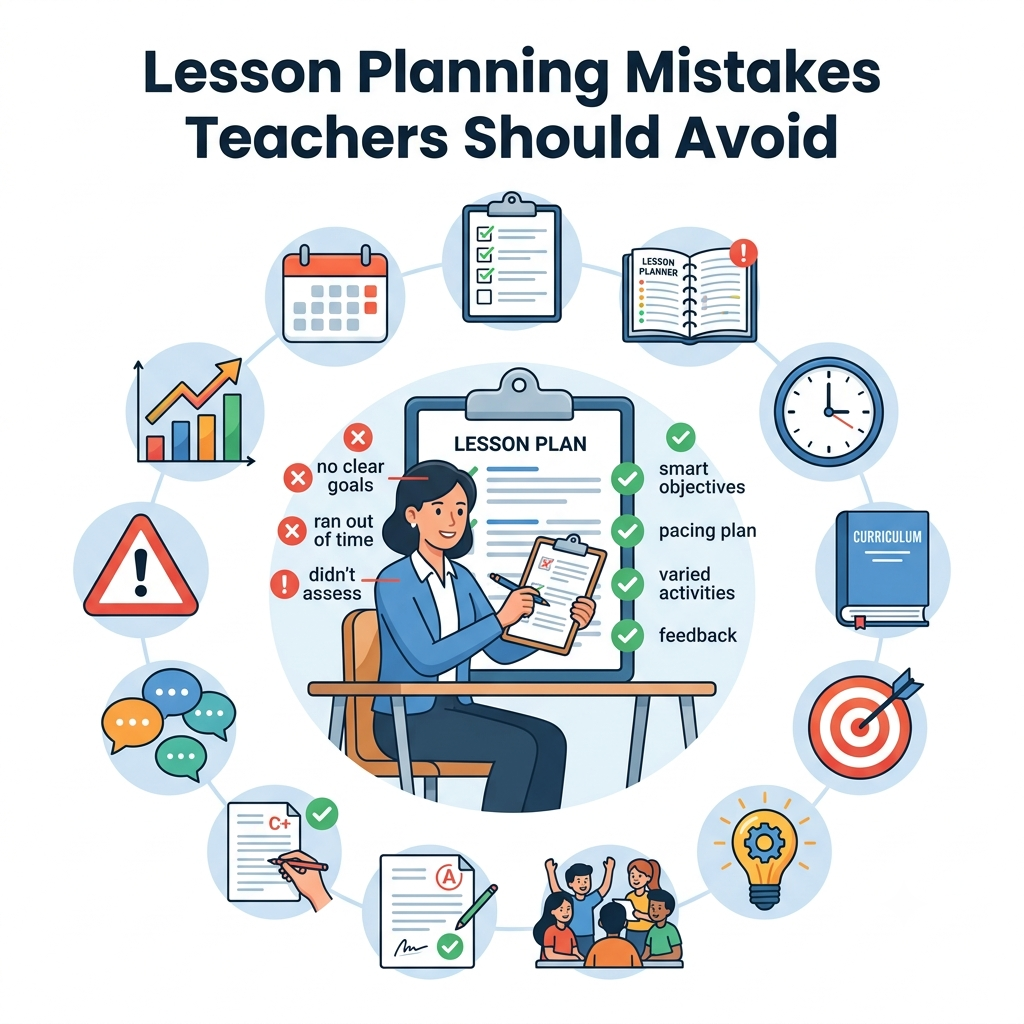
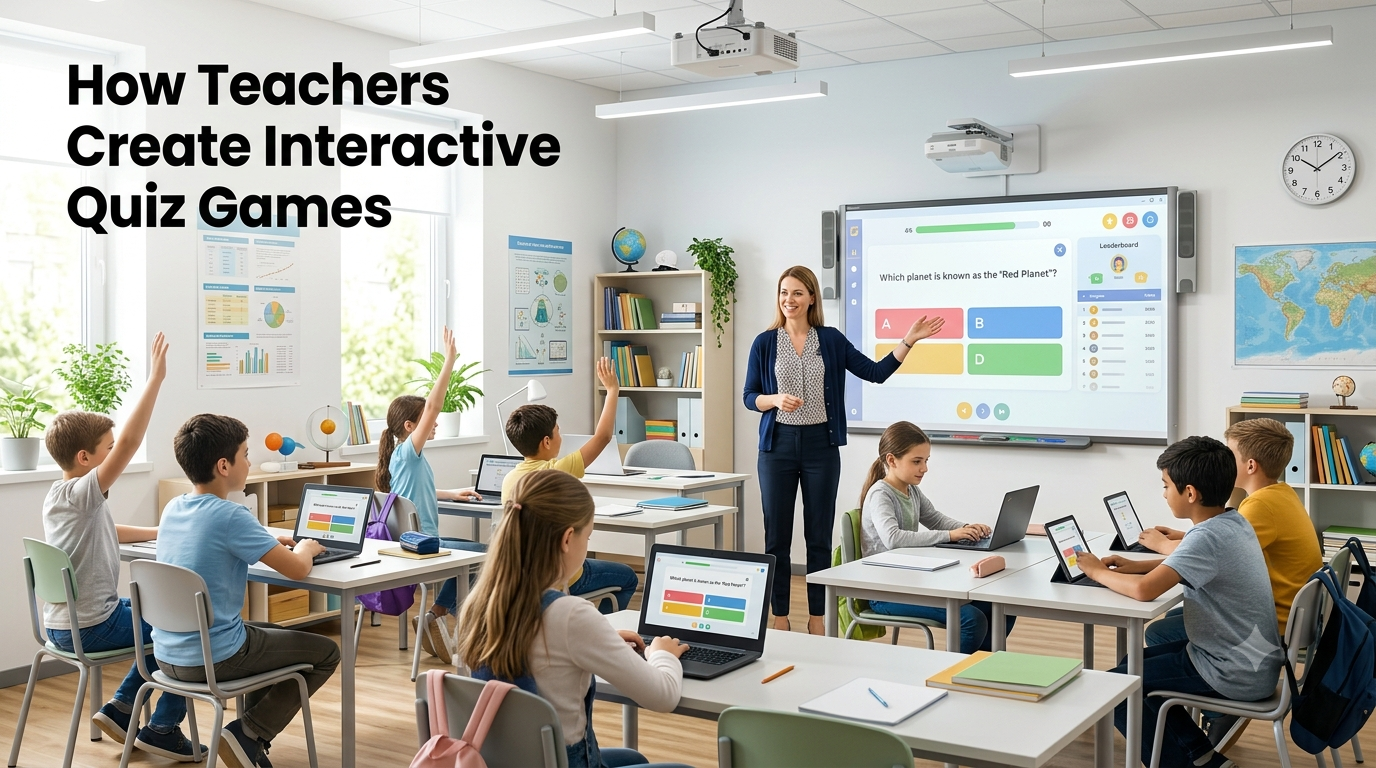
Lesson Planning Mistakes Teachers Should Avoid | Effective lesson planning is one of the strongest predictors of successful teaching.
🎯 Recognise the Importance of Lesson Planning: Effective lesson planning provides structure, keeps learning objectives on track, manages classroom time efficiently, and ensures students receive meaningful learning experiences.
⚠️ Understand That Mistakes Can Happen to Anyone: Even experienced educators can develop planning habits that reduce lesson effectiveness without noticing.
⏳ Avoid Rushing the Planning Process: Limited preparation time often leads to incomplete lessons, unclear objectives, and missed learning opportunities.
📖 Don’t Ignore Curriculum Changes: Regularly update lesson plans to reflect current curriculum standards, teaching practices, and educational requirements.
👥 Plan for Diverse Learning Needs: Avoid creating one-size-fits-all lessons. Adapt activities and teaching methods to support different abilities, learning styles, and student needs.
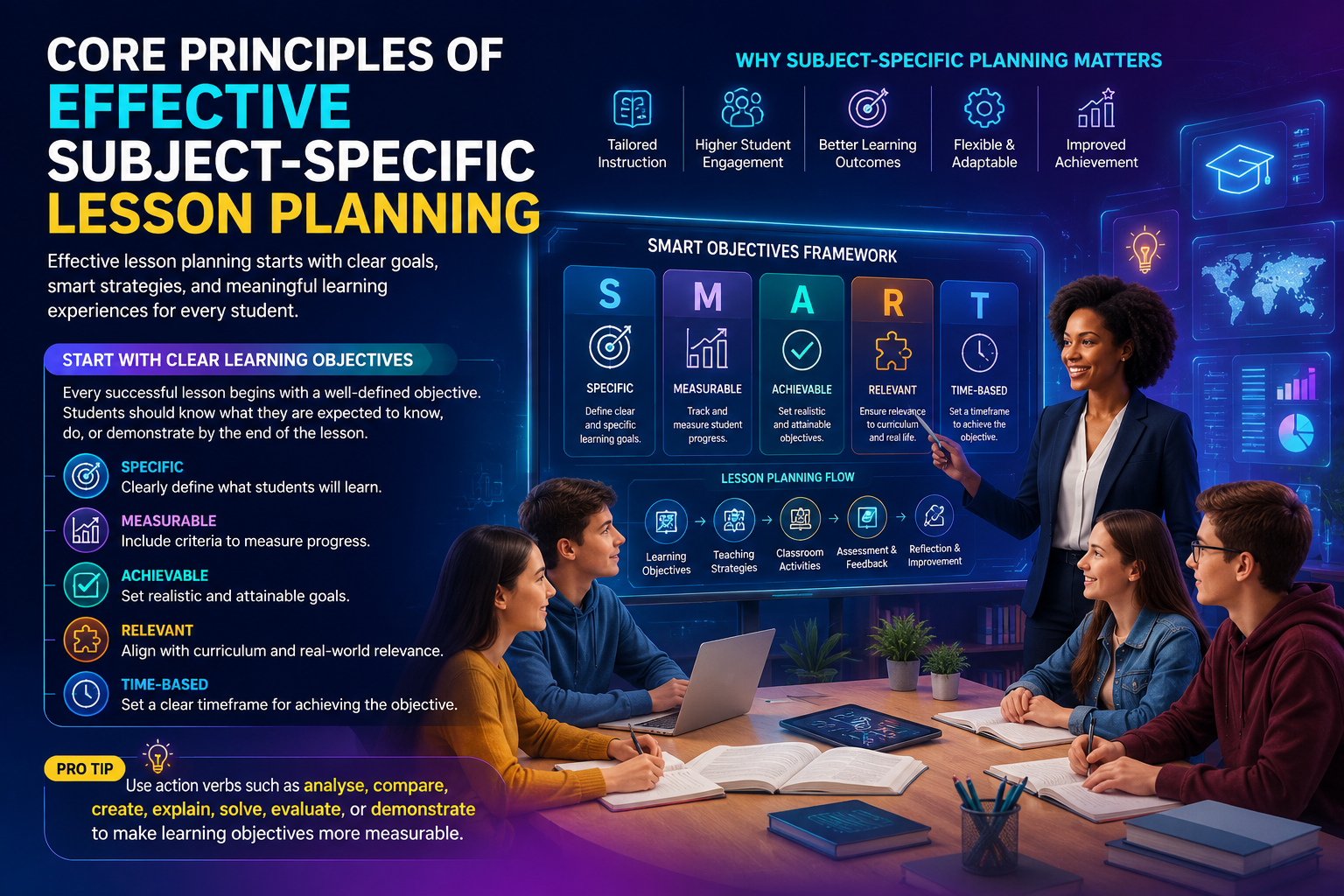
🎯 Set Clear Learning Objectives: Every lesson should have specific, measurable goals so students understand what they are expected to learn and achieve.
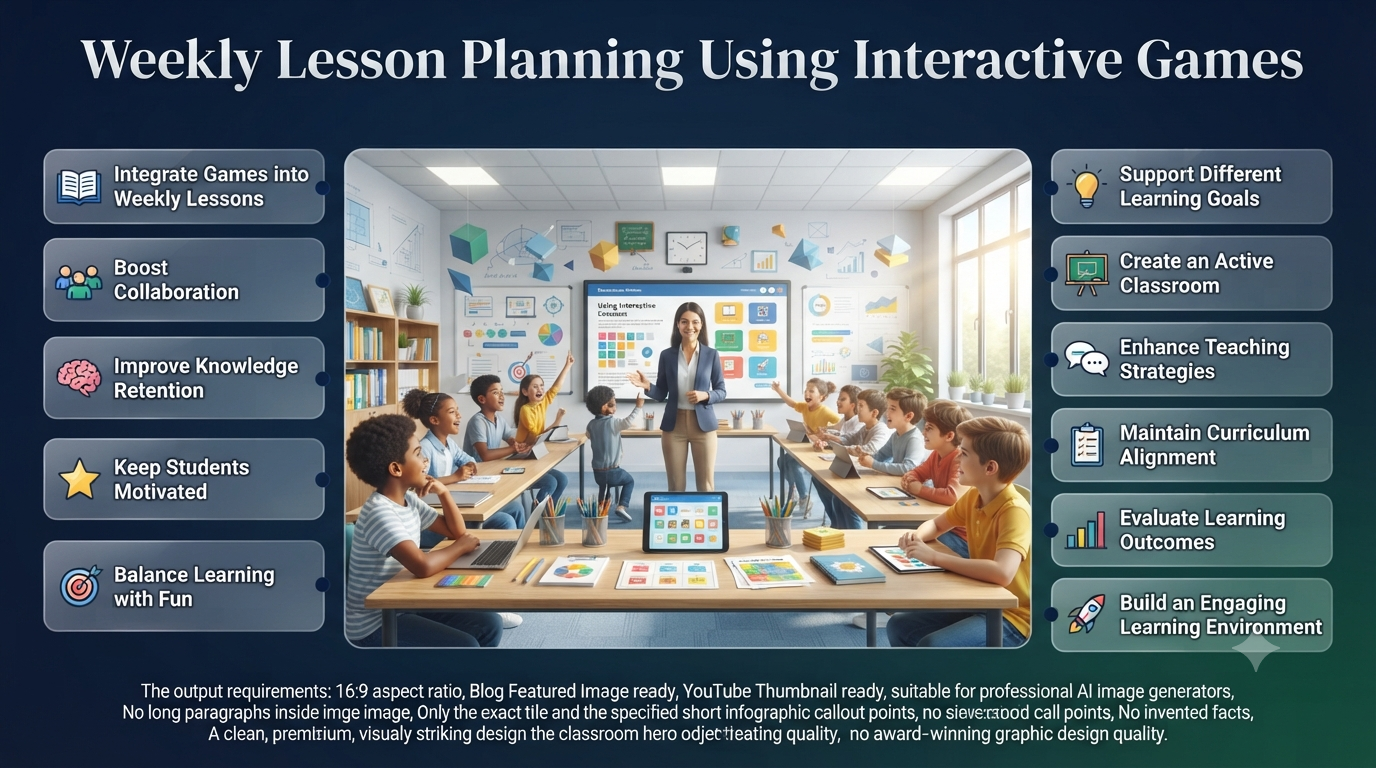
🎮 Keep Students Actively Engaged: Avoid lessons that rely only on lectures or passive learning. Include discussions, group activities, hands-on tasks, and interactive learning opportunities.
📝 Include Meaningful Assessments: Don’t wait until the end of a unit to measure progress. Use regular formative assessments to monitor understanding and provide timely feedback.
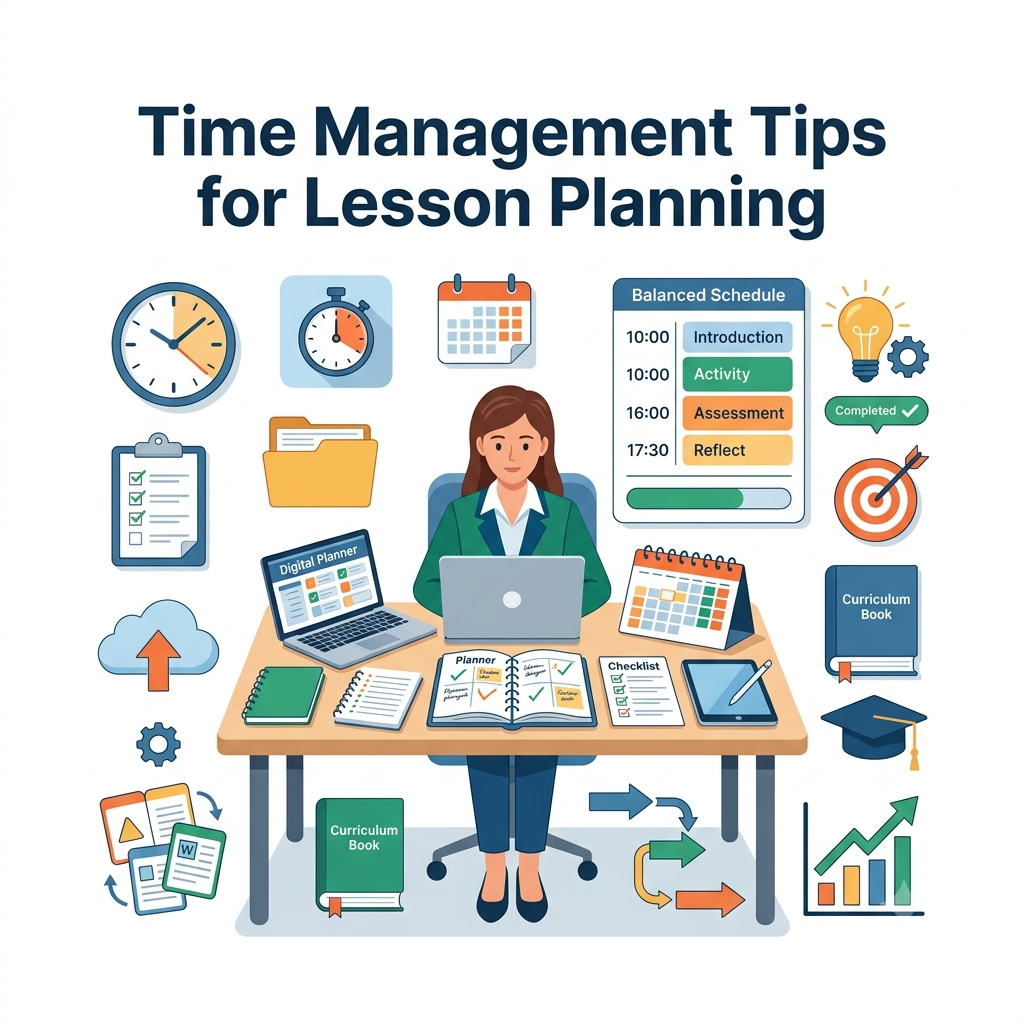
⏰ Manage Classroom Time Effectively: Allocate realistic time for introductions, activities, discussions, assessments, and lesson summaries to avoid rushing or unfinished tasks.
🔄 Avoid Over-Reliance on Old Routines: Teaching strategies that worked in the past may not always meet the needs of today’s learners. Continuously review and improve your lesson plans.
💬 Encourage Student Participation: Design lessons that invite questions, collaboration, and classroom discussions instead of limiting students to passive listening.
📊 Reflect and Improve Regularly: After each lesson, evaluate what worked well, identify areas for improvement, and adjust future lesson plans to enhance learning outcomes.
🚀 Replace Common Mistakes with Better Strategies: Practical planning techniques, thoughtful preparation, and continuous reflection help teachers create lessons that are organised, engaging, flexible, and student-centred.
🌟 Improve Teaching and Student Success: By identifying and avoiding common lesson planning mistakes, educators can deliver higher-quality instruction, increase student engagement, and achieve better academic outcomes.
Looking for comprehensive classroom resources and educational technology insights? Explore GimkitApp for expert guides, teaching strategies, game modes, and the latest updates to enhance student engagement.
Why Lesson Planning Matters More Than Ever
Lesson planning is far more than preparing a sequence of classroom activities. It is the process of designing a learning experience that connects curriculum standards, teaching methods, assessment strategies, and student needs into one coherent lesson.
An effective lesson plan helps teachers:
Establish clear learning goals.
Organise instructional time efficiently.
Select appropriate teaching resources.
Anticipate student misconceptions.
Prepare meaningful assessments.
Build student engagement.
Adapt instruction for different learning abilities.
Without thoughtful planning, even knowledgeable teachers may struggle to maintain lesson flow, meet curriculum objectives, or keep students actively involved.
⭐ Expert Insight: Strong lesson planning creates consistency without removing flexibility. A good plan provides direction while allowing teachers to adjust their teaching when classroom situations change.
Characteristics of an Effective Lesson Plan
Before discussing common mistakes, it helps to understand what successful lesson planning looks like.
An effective lesson plan typically includes:
Component
Purpose
Learning objectives
Define what students should know or be able to do
Prior knowledge
Connect new concepts with existing understanding
Teaching strategies
Explain how content will be delivered
Learning activities
Allow students to practise and apply knowledge
Assessment
Measure learning progress
Differentiation
Support learners with different abilities
Resources
Organise materials and technology
Reflection
Evaluate lesson effectiveness for future improvement
These elements work together to create lessons that are organised, measurable, and engaging.
Common Causes of Poor Lesson Planning
Most planning problems develop gradually rather than appearing suddenly.
Common causes include:
Teaching multiple classes with limited preparation time.
Reusing outdated lesson plans without revision.
Focusing more on content than learning outcomes.
Underestimating classroom timing.
Ignoring student feedback.
Planning activities without assessment.
Lack of flexibility for unexpected situations.
Understanding these causes helps teachers recognise planning weaknesses before they affect classroom learning.
For the latest gaming news, expert reviews, and walkthroughs, readers can also visit IGN, one of the world’s leading gaming websites.
Mistake #1: Beginning Without Clear Learning Objectives
One of the most common lesson planning mistakes is creating activities before deciding exactly what students should learn.
Many lessons contain interesting discussions, worksheets, videos, or group tasks, but they fail to answer one critical question:
What should students be able to understand or do by the end of the lesson?
Without a clear objective, activities become disconnected from meaningful learning.
Why This Happens
Teachers often begin by selecting a favourite classroom activity or textbook chapter rather than identifying the desired learning outcome.
As a result:
Lessons lose focus.
Activities become difficult to assess.
Students are unsure what success looks like.
Better Practice
Start every lesson with measurable objectives.
Instead of writing:
“Students will learn fractions.”
Write:
“Students will compare fractions using visual models and correctly identify the larger fraction in at least eight out of ten examples.”
Specific objectives guide:
Instruction
Classroom activities
Assessment
Homework
Student expectations
Classroom Example
Instead of planning a 30-minute science experiment simply because it is engaging, identify the scientific concept students should understand first. Then choose an experiment that directly supports that objective.
✅ Best Practice: Ask yourself, “If students remember only one thing from today’s lesson, what should it be?” That answer often becomes your learning objective.
Mistake #2: Trying to Cover Too Much Content
Many teachers feel pressure to complete curriculum requirements quickly.
This often leads to lessons packed with excessive information, multiple activities, and rushed explanations.
Although covering more topics may seem productive, students usually retain less information when lessons move too quickly.
Signs of Overloaded Lessons
Constantly rushing.
Skipping student questions.
Ending activities before completion.
Students appearing confused.
Little time for reflection or assessment.
Why Less Often Produces Better Learning
Learning requires processing time.
Students need opportunities to:
Discuss ideas.
Ask questions.
Practise new skills.
Receive feedback.
Correct misunderstandings.
When too many concepts are introduced at once, cognitive overload reduces comprehension and long-term retention.
Better Planning Strategy
Prioritise essential learning outcomes.
Ask:
Which concepts are absolutely necessary?
Which ideas can wait until another lesson?
Which examples provide the greatest learning value?
Depth generally produces stronger understanding than excessive breadth.
Professional Observation
Experienced teachers often teach fewer concepts per lesson than beginners because they understand the value of mastery over speed.
Choosing the right learning platform can significantly improve classroom outcomes. Compare leading educational tools in Gimkit Comparisons & Alternatives to find the best solution for your teaching style.
Mistake #3: Ignoring Student Differences
Every classroom includes students with different backgrounds, learning styles, confidence levels, language abilities, and academic needs.
Planning one lesson for an “average student” rarely serves everyone effectively.
Common Planning Oversights
Using identical activities for every learner.
Providing only written instruction.
Assuming all students have the same prior knowledge.
Ignoring students who need additional support.
Why Differentiation Matters
Students learn differently.
Some benefit from:
Visual explanations.
Practical demonstrations.
Group discussion.
Independent practice.
Technology-based learning.
Hands-on activities.
Offering multiple learning pathways increases participation and improves understanding.
Although activities differ, everyone works toward the same learning objective.
💡 Pro Tip: Different activities do not require different learning goals. Differentiation changes how students learn—not what they learn.
Interactive learning becomes more effective when students experience different gameplay formats. Discover engaging classroom activities in Gimkit Features & Game Modes and keep every lesson fresh.
Mistake #4: Poor Time Management
A lesson may contain excellent content but still fail because time has not been planned realistically.
Many teachers underestimate:
Discussion time.
Student questions.
Transition periods.
Technology setup.
Classroom management.
As a result, important activities are rushed or skipped entirely.
Common Symptoms
Homework explained too quickly.
Assessment omitted.
Reflection removed.
Lesson ending abruptly.
Better Planning Approach
Estimate realistic timings.
Example:
Activity
Time
Introduction
8 minutes
Teacher explanation
12 minutes
Guided practice
15 minutes
Independent work
12 minutes
Assessment
8 minutes
Reflection
5 minutes
Always include a small time buffer for unexpected interruptions.
Expert Recommendation
Rather than filling every minute, leave flexibility. Productive classroom discussions often create valuable learning opportunities that deserve extra time.
Whether you’re a beginner or an experienced educator, practical guidance makes implementation easier. Follow our Gimkit Guides & Tutorials for step-by-step instructions and classroom best practices.
Mistake #5: Planning Teacher-Centred Lessons Only
Another common mistake is designing lessons where the teacher does nearly all the talking while students remain passive.
Teacher explanations are important, but learning improves when students actively process information.
Problems with Teacher-Centred Lessons
Students may:
Lose concentration.
Participate less.
Remember fewer concepts.
Become dependent on teacher explanations.
Student-Centred Alternatives
Include opportunities for students to:
Solve problems.
Ask questions.
Debate ideas.
Work collaboratively.
Explain concepts.
Reflect independently.
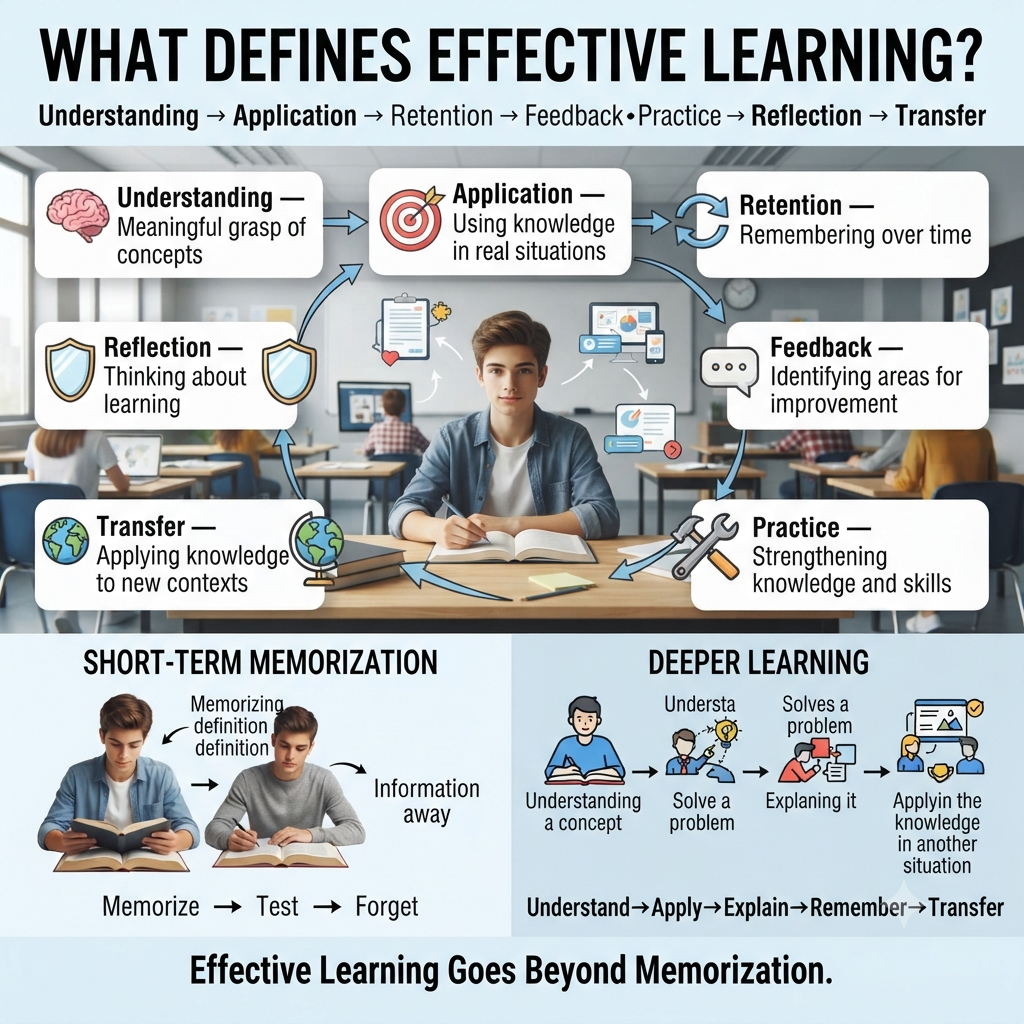
Active participation strengthens understanding because students construct knowledge rather than simply receiving it.
Classroom Scenario
Instead of explaining grammar rules for twenty minutes, ask students to identify patterns in example sentences before introducing formal definitions.
This approach encourages observation, reasoning, and discussion.
⭐ Expert Insight: Students often learn more from carefully guided discovery than from extended lectures.
Every teacher benefits from proven instructional ideas that increase participation and motivation. Explore Gimkit Resources for Teachers for practical classroom-ready solutions.
Mistake #6: Forgetting to Plan Assessment
Some lesson plans include excellent instruction but never measure whether learning actually occurred.
Without assessment, teachers can only assume students understood the material.
Assessment Is More Than Testing
Assessment can include:
Classroom questions.
Exit tickets.
Group presentations.
Quizzes.
Practical demonstrations.
Peer review.
Reflection journals.
These methods provide valuable information about student progress.
Why Assessment Should Be Planned Early
Assessment should not be an afterthought.
Instead, decide:
What evidence will demonstrate learning?
Which activity will provide that evidence?
How will misconceptions be identified?
Planning assessment alongside learning objectives creates stronger alignment between teaching and learning.
Example
If the lesson objective is:
“Students will identify renewable energy sources.”
Assessment might involve:
Sorting energy sources into renewable and non-renewable categories.
Explaining their choices.
Writing one real-world example of renewable energy use.
This directly measures the intended learning outcome.
⚠ Common Mistake: Avoid relying solely on the question, “Does everyone understand?” Many students hesitate to admit confusion. Use observable evidence of learning instead.
Understanding pricing and premium features helps educators make informed decisions. Read detailed comparisons and expert evaluations in Gimkit Reviews & Pricing before selecting a subscription.
Mistake #7: Ignoring Students’ Prior Knowledge
Every lesson builds on what students already know. When teachers introduce new concepts without identifying existing understanding, students may struggle to connect new information with previous learning.
Some learners may already understand the basics, while others may lack essential prerequisite knowledge. Teaching everyone at the same starting point often leads to frustration for one group and boredom for another.
Why Prior Knowledge Matters
Learning becomes more meaningful when students can relate new ideas to familiar concepts.
Benefits include:
Faster understanding of new topics.
Increased student confidence.
Fewer misconceptions.
Better long-term retention.
More engaging classroom discussions.
Practical Ways to Activate Prior Knowledge
Before introducing a new lesson, consider using:
Quick review questions.
Brainstorming sessions.
Short quizzes.
Classroom discussions.
Concept maps.
Think-Pair-Share activities.
Classroom Example
Before teaching fractions, ask students to divide a pizza or chocolate bar into equal pieces. This familiar example creates a bridge between everyday experiences and mathematical concepts.
💡 Pro Tip: Spending five minutes reviewing previous learning often saves much more time later by reducing confusion and repeated explanations.
Mistake #8: Planning Lessons Without Flexibility
Even the most carefully prepared lesson rarely unfolds exactly as expected.
Unexpected situations can include:
Students needing extra explanation.
Technology problems.
Classroom interruptions.
Schedule changes.
Different learning speeds.
Teachers who design overly rigid lesson plans may struggle when lessons deviate from the original schedule.
Why Flexibility Is Essential
Flexible planning allows teachers to respond to real classroom needs instead of following a timetable at all costs.
Effective teachers often adjust:
Activity duration.
Grouping strategies.
Teaching methods.
Examples.
Assessment techniques.
while still achieving the lesson objectives.
How to Build Flexible Lesson Plans
Include:
Optional extension activities.
Simplified backup explanations.
Additional practice tasks.
Short review exercises.
Alternative discussion questions.
These resources make it easier to adapt without losing instructional quality.
Professional Observation
Experienced educators often prepare more learning opportunities than they expect to use. Unused activities become valuable resources for future lessons.
Small instructional improvements often lead to better classroom results. Discover practical teaching methods and winning techniques in Gimkit Tips & Strategies to maximize student engagement.
Mistake #9: Overusing Technology Without Purpose
Digital tools have transformed education, but technology alone does not improve learning.
Interactive whiteboards, educational apps, videos, online quizzes, and presentation software should support learning objectives—not replace sound instructional planning.
Common Technology Planning Errors
Using technology simply because it is available.
Showing long videos without discussion.
Choosing complicated apps for simple tasks.
Spending excessive time solving technical issues.
Students may become distracted by digital features instead of focusing on the learning content.
Best Practice
Ask one simple question:
“Does this technology improve learning more effectively than a non-digital alternative?”
If the answer is no, simpler teaching methods may be more effective.
Effective Technology Integration
Technology works best when it helps students:
Visualise complex ideas.
Collaborate efficiently.
Receive immediate feedback.
Practise independently.
Access learning beyond the classroom.
Technology should enhance teaching—not become the lesson itself.
⭐ Expert Insight: Great teaching remains effective even when technology fails. Always prepare a non-digital backup plan.
Mistake #10: Neglecting Classroom Transitions
Transitions are the brief periods when students move from one activity to another.
Although they seem minor, poorly planned transitions often consume valuable teaching time.
Examples of Classroom Transitions
Moving into group work.
Distributing materials.
Collecting assignments.
Switching from discussion to independent practice.
Setting up technology.
Without clear procedures, transitions can become noisy, slow, and disruptive.
How to Improve Transitions
Plan:
Clear verbal instructions.
Material preparation before class.
Visual timers.
Student responsibilities.
Seating arrangements.
Even reducing transition time by two or three minutes can create significant additional learning time over an entire school year.
Stay informed about the newest platform improvements, educational trends, and feature releases through Games Updates so you never miss important changes.
Mistake #11: Using the Same Teaching Method Every Lesson
Consistency is valuable, but predictable teaching routines can reduce engagement over time.
Students benefit from experiencing learning through multiple instructional approaches.
Why Variety Matters
Different methods support different learning preferences and educational goals.
Consider rotating between:
Teaching Method
Best Used For
Direct instruction
Introducing new concepts
Group discussion
Developing critical thinking
Cooperative learning
Building collaboration skills
Project-based learning
Applying knowledge
Inquiry learning
Encouraging curiosity
Problem-solving activities
Developing reasoning
Classroom games
Reviewing concepts
Peer teaching
Reinforcing understanding
Changing instructional strategies keeps learning fresh while encouraging students to develop multiple academic skills.
Classroom Scenario
A science unit might begin with teacher explanation, continue with laboratory investigation, include collaborative analysis, and conclude with student presentations.
Each method supports a different stage of learning.
Mistake #12: Forgetting to Plan for Student Engagement
Engagement rarely happens by accident.
Interesting content alone does not guarantee active participation.
Students become engaged when lessons encourage thinking, discussion, investigation, creativity, and meaningful problem-solving.
Signs of Low Engagement
Minimal participation.
Off-task conversations.
Passive note-taking.
Limited questioning.
Reduced enthusiasm.
Planning for Engagement
Ask yourself:
Where will students ask questions?
When will they collaborate?
How will they apply learning?
What choices will they have?
How will they reflect?
Engagement should be designed into the lesson rather than added spontaneously.
If you experience sign-in problems or game access issues, visit Gimkit Login, Join & Troubleshooting for reliable solutions and step-by-step troubleshooting guides.
Mistake #13: Skipping Reflection After Teaching
Lesson planning does not end when class finishes.
Reflection helps teachers evaluate what worked well and identify areas for improvement.
Without reflection, the same planning mistakes often continue from one lesson to the next.
Reflection Questions
Consider asking:
Were learning objectives achieved?
Which activities generated the strongest engagement?
Where did students struggle?
Was timing realistic?
Were assessment results satisfactory?
What should change next time?
Keeping brief teaching notes after each lesson builds a valuable professional resource over time.
✅ Best Practice: Even two minutes of reflection immediately after class can improve future lesson planning significantly.
Comparison Table: Effective vs Ineffective Lesson Planning
Effective Lesson Planning
Ineffective Lesson Planning
Clear learning objectives
Vague lesson goals
Student-centred activities
Teacher dominates the lesson
Flexible structure
Rigid schedule
Realistic timing
Unrealistic pacing
Planned assessment
Assessment added at the end
Differentiated instruction
One activity for everyone
Active engagement
Passive listening
Reflection included
No lesson evaluation
Backup resources available
No contingency planning
Curriculum aligned
Activities disconnected from objectives
This comparison highlights that effective planning is not about creating longer lesson plans but designing learning experiences that remain purposeful, adaptable, and responsive.
Decision Matrix: Choosing the Right Lesson Planning Approach
Classroom Situation
Recommended Planning Strategy
Why It Works
Introducing a new topic
Direct instruction followed by guided practice
Builds foundational understanding before independent work
Mixed-ability classroom
Differentiated activities
Supports learners with varying skill levels
Revision lesson
Retrieval practice and collaborative review
Reinforces long-term memory
Practical subject
Demonstration followed by hands-on application
Develops confidence through practice
Limited lesson time
Prioritise essential objectives
Focuses on the most important learning outcomes
Technology unavailable
Printed resources and discussion
Maintains lesson continuity without disruption
The most effective planning approach depends on the learning objective, student needs, available resources, and classroom context. Matching strategy to situation leads to stronger outcomes than relying on a single planning style.
Troubleshooting Common Lesson Planning Problems
Problem
Possible Cause
Practical Solution
Students appear confused
Learning objective unclear
Rewrite objectives using measurable outcomes
Activities finish too early
Time estimates inaccurate
Prepare extension tasks
Lesson runs out of time
Too much content included
Prioritise essential concepts
Low participation
Limited interaction
Include collaborative activities and questioning
Poor assessment results
Insufficient guided practice
Add modelling and formative assessment
Frequent disruptions
Weak classroom routines
Plan clear transitions and expectations
Rather than treating these challenges as isolated incidents, review them regularly to identify recurring patterns. Small planning adjustments often resolve issues before they become long-term habits.
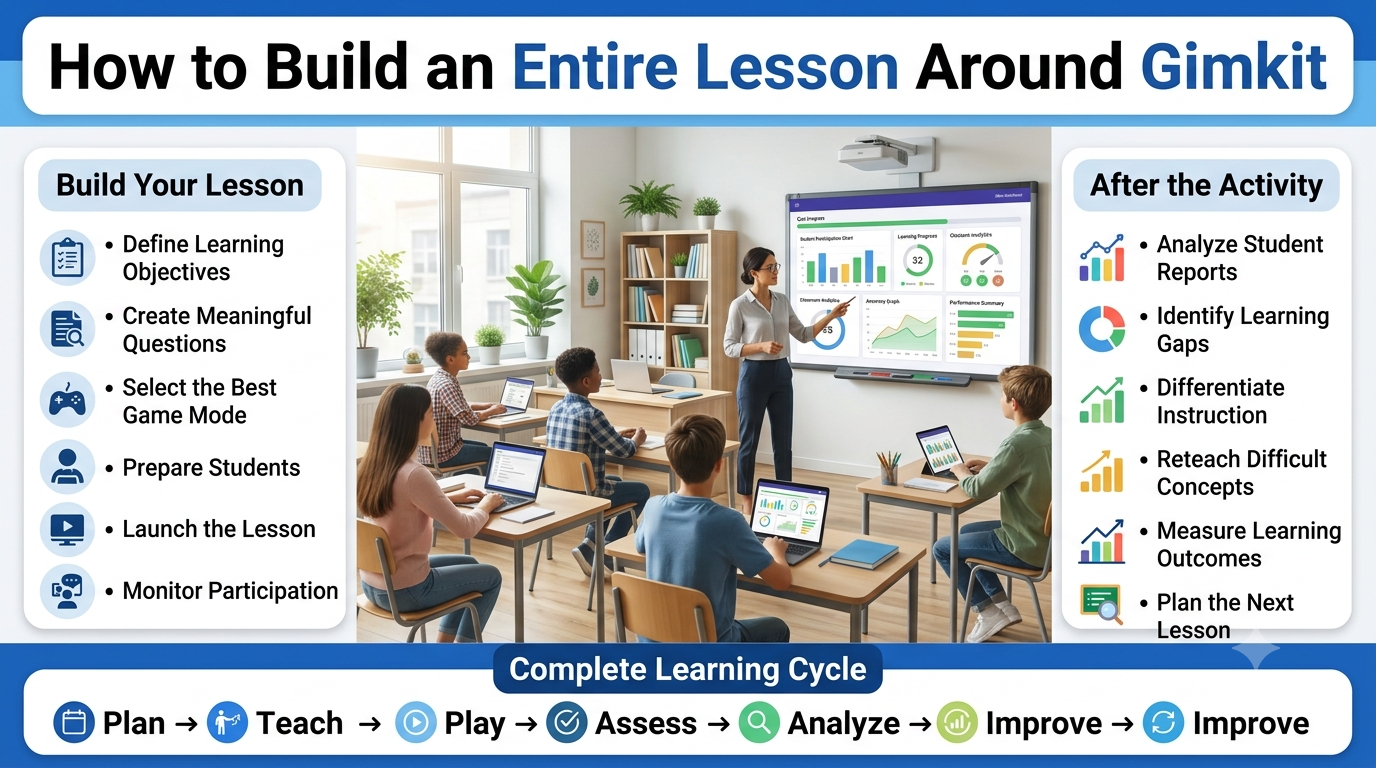
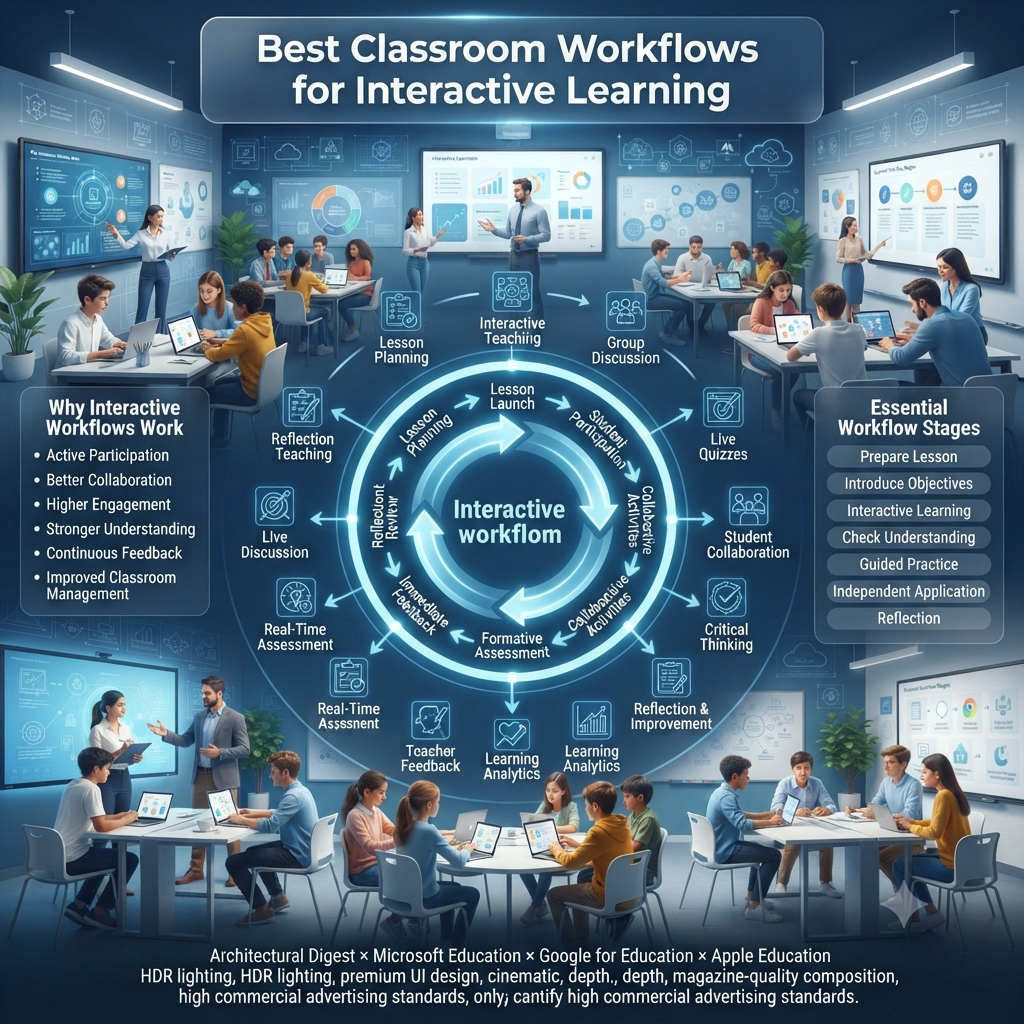
Professional Lesson Planning Workflow
Many experienced teachers follow a repeatable planning process that keeps lessons focused while allowing flexibility.
Step 1: Identify the Learning Goal
Define what students should know or be able to do by the end of the lesson.
Step 2: Review Previous Learning
Determine which prerequisite knowledge students need and how you will activate it.
Step 3: Select Teaching Strategies
Choose instructional methods that match the lesson objective and student needs.
Step 4: Design Learning Activities
Plan tasks that encourage students to practise, apply, and demonstrate understanding.
Step 5: Prepare Assessment
Decide how learning will be measured throughout and at the end of the lesson.
Step 6: Organise Resources
Prepare worksheets, technology, manipulatives, and classroom materials before teaching begins.
Step 7: Include Backup Plans
Prepare extension activities and alternative teaching approaches in case the lesson needs to be adapted.
Step 8: Reflect and Improve
Record observations after the lesson to strengthen future planning.
This workflow creates a consistent planning routine while leaving room for professional judgement and classroom responsiveness.
Advanced Lesson Planning Strategies Used by Experienced Teachers
Experienced educators rarely create lesson plans by simply listing activities. Instead, they design lessons around how students learn, anticipate challenges before they arise, and build flexibility into every stage of instruction.
1. Plan Backwards from the Learning Outcome
Rather than deciding what to teach first, begin by identifying what students should know or be able to demonstrate by the end of the lesson.
Backward planning helps ensure that:
Every activity supports the learning objective.
Assessments measure the intended skills.
Classroom time is used efficiently.
Unnecessary activities are removed.
Example
Instead of asking:
“What activities should I include today?”
Ask:
“What evidence will show that students have mastered today’s objective?”
This simple shift creates more purposeful and focused lesson plans.
2. Build Opportunities for Formative Assessment
Assessment should occur throughout the lesson—not only at the end.
These small checks allow teachers to adjust instruction immediately if students are struggling.
⭐ Expert Insight: Frequent low-stakes assessment is often more valuable than a single high-stakes test because it identifies learning gaps before they become bigger problems.
3. Plan for Different Learning Speeds
No classroom progresses at exactly the same pace.
Prepare:
Extension activities for students who finish early.
Additional guidance for students who need more support.
Optional challenge questions.
Independent enrichment tasks.
Planning for different learning speeds helps maintain engagement across the entire class.
4. Connect Lessons Across the Unit
Each lesson should contribute to a broader learning journey rather than functioning as an isolated event.
Ask yourself:
How does today’s lesson connect with yesterday’s learning?
Which concepts will students need for the next lesson?
Are important skills being revisited regularly?
Connecting lessons strengthens understanding and improves long-term retention.
Using AI and Digital Tools Responsibly in Lesson Planning
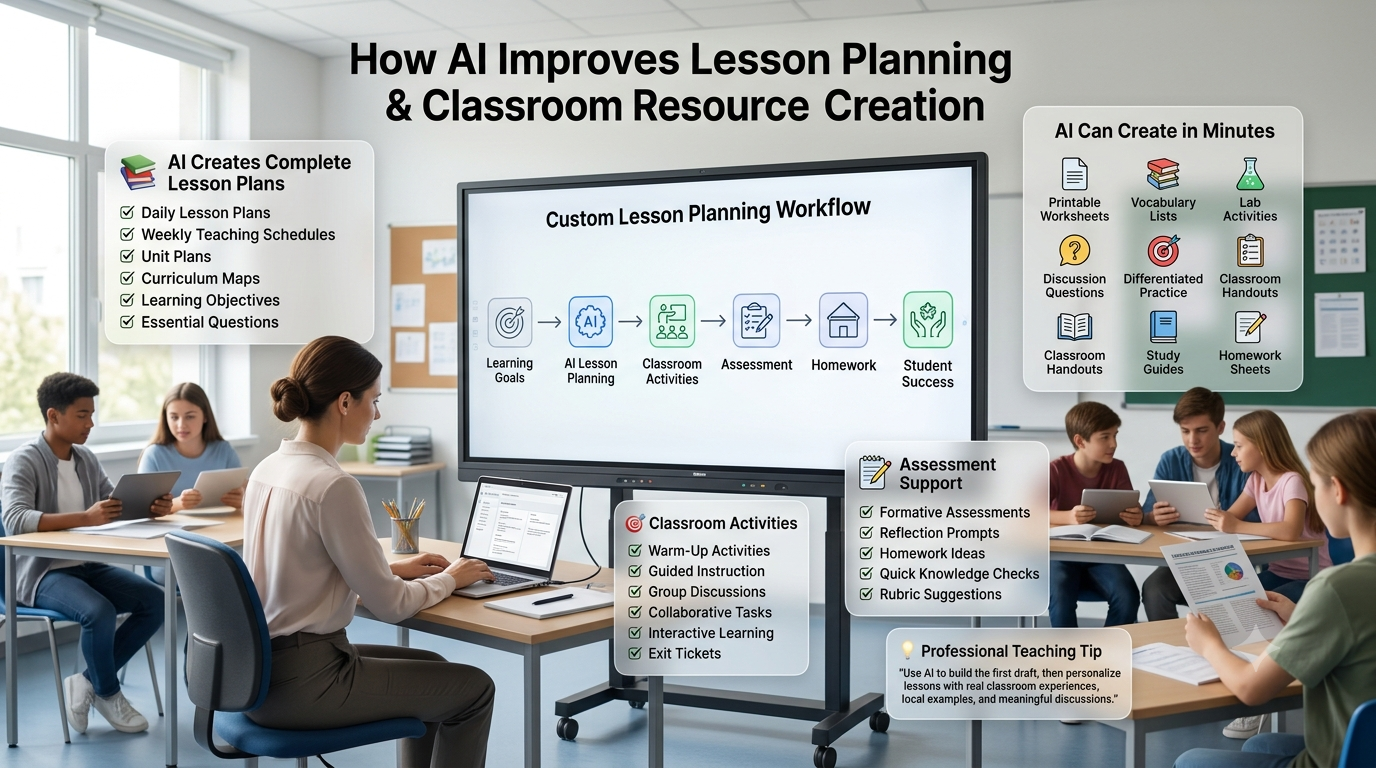
Artificial intelligence and educational technology can save planning time, but they should complement—not replace—a teacher’s professional judgement.
Useful digital tools can help with:
Brainstorming lesson ideas.
Creating quizzes and worksheets.
Organising teaching resources.
Developing differentiated activities.
Generating discussion prompts.
Reviewing curriculum alignment.
However, teachers should always review AI-generated suggestions for:
Accuracy.
Curriculum relevance.
Age appropriateness.
Classroom suitability.
Cultural sensitivity.
Technology is most valuable when it supports thoughtful planning rather than automating every decision.
Future Trends in Lesson Planning
Lesson planning continues to evolve alongside educational research and classroom technology.
Several trends are shaping modern instructional planning.
Personalised Learning
Teachers increasingly adapt lessons to accommodate different learning styles, interests, and achievement levels.
Competency-Based Education
Greater emphasis is being placed on demonstrating practical skills and understanding rather than simply completing classroom activities.
Data-Informed Planning
Assessment data is helping teachers identify learning gaps and adjust future lesson plans more effectively.
Blended Learning
Many schools now combine face-to-face teaching with digital learning resources to increase flexibility and accessibility.
Collaborative Planning
Teachers are increasingly working together to design shared lesson resources, improving consistency across year groups and departments.
These developments suggest that future lesson planning will become more responsive, evidence-based, and student-centred.
Professional Recommendations for Better Lesson Planning
Teachers looking to strengthen their planning process should focus on continuous improvement rather than perfection.
Recommended Practices
Review lesson plans after every class.
Collect student feedback periodically.
Update older lesson plans with new teaching strategies.
Share ideas with colleagues.
Use assessment results to improve future lessons.
Balance structure with flexibility.
Prioritise meaningful learning over completing every planned activity.
Small improvements made consistently often have a greater long-term impact than major changes introduced all at once.
Common Lesson Planning Mistakes at Different Teaching Stages
Teaching Experience
Common Planning Challenges
Improvement Strategy
New teachers
Overplanning, unrealistic timing
Focus on essential objectives and allow buffer time
Early-career teachers
Relying heavily on textbooks
Add interactive learning experiences
Experienced teachers
Reusing outdated lesson plans
Update resources using current best practices
Department leaders
Planning for consistency across teams
Develop shared planning frameworks while allowing teacher flexibility
Online educators
Limited student interaction
Increase discussion, collaboration, and formative assessment opportunities
Recognising how planning challenges change throughout a teaching career helps educators adopt strategies that match their experience and classroom responsibilities.
Ultimate Lesson Planning Checklist
Before delivering any lesson, review this comprehensive checklist.
Learning Goals
□ Learning objectives are clear and measurable.
□ Objectives align with curriculum standards.
□ Success criteria are easy for students to understand.
Lesson Structure
□ Introduction activates prior knowledge.
□ Activities build progressively.
□ Students have opportunities to practise learning.
□ Lesson concludes with meaningful reflection.
Student Engagement
□ Students actively participate.
□ Collaborative learning opportunities are included.
□ Questions encourage higher-order thinking.
□ Activities support different learning needs.
Assessment
□ Formative assessment is planned.
□ Evidence of learning is observable.
□ Feedback opportunities are included.
Classroom Management
□ Materials are prepared.
□ Transitions are planned.
□ Backup activities are available.
□ Technology alternatives are ready if required.
Completing this checklist takes only a few minutes but can prevent many of the planning mistakes discussed throughout this guide.
Professional Recommendations & Expert Reviews
Lesson Planning Mistakes Teachers Should Avoid include setting unclear learning objectives before class.
Lesson Planning Mistakes Teachers Should Avoid include trying to cover too many topics in one lesson.
Lesson Planning Mistakes Teachers Should Avoid include skipping lesson preparation until the last minute.
Lesson Planning Mistakes Teachers Should Avoid include ignoring different student learning needs.
Lesson Planning Mistakes Teachers Should Avoid include forgetting to include engaging classroom activities.
Lesson Planning Mistakes Teachers Should Avoid include spending too much time on one section of the lesson.
Lesson Planning Mistakes Teachers Should Avoid include using activities that do not support learning objectives.
Lesson Planning Mistakes Teachers Should Avoid include failing to prepare classroom materials in advance.
Lesson Planning Mistakes Teachers Should Avoid include overlooking opportunities for student participation.
Lesson Planning Mistakes Teachers Should Avoid include skipping formative assessment during lessons.
Lesson Planning Mistakes Teachers Should Avoid include relying on a single teaching method every day.
Lesson Planning Mistakes Teachers Should Avoid include not allowing enough time for questions and discussion.
Lesson Planning Mistakes Teachers Should Avoid include creating lessons without measurable outcomes.
Lesson Planning Mistakes Teachers Should Avoid include forgetting to review previous learning before introducing new concepts.
Lesson Planning Mistakes Teachers Should Avoid include ignoring classroom pacing and time management.
Lesson Planning Mistakes Teachers Should Avoid include planning lessons that are too difficult or too easy.
Lesson Planning Mistakes Teachers Should Avoid include failing to adapt plans when classroom needs change.
Lesson Planning Mistakes Teachers Should Avoid include overlooking opportunities for collaborative learning.
Lesson Planning Mistakes Teachers Should Avoid include not preparing alternative activities for unexpected situations.
Lesson Planning Mistakes Teachers Should Avoid include focusing only on teaching instead of student understanding.
Lesson Planning Mistakes Teachers Should Avoid include forgetting to connect lessons with real-world examples.
Lesson Planning Mistakes Teachers Should Avoid include using too many resources that distract from learning goals.
Lesson Planning Mistakes Teachers Should Avoid include neglecting lesson reflection after class.
Lesson Planning Mistakes Teachers Should Avoid include failing to monitor student progress throughout instruction.
Lesson Planning Mistakes Teachers Should Avoid include overlooking the importance of clear lesson transitions.
Lesson Planning Mistakes Teachers Should Avoid ultimately remind educators that thoughtful preparation, realistic objectives, effective time management, engaging activities, flexibility, and regular reflection are essential for successful teaching and meaningful student learning.
Lesson Planning Mistakes Teachers Should Avoid include beginning lessons without a clear classroom structure.
Lesson Planning Mistakes Teachers Should Avoid include overlooking opportunities to review learning objectives at the end of class.
Lesson Planning Mistakes Teachers Should Avoid include planning activities that exceed the available class time.
Lesson Planning Mistakes Teachers Should Avoid include using the same lesson format for every topic.
Lesson Planning Mistakes Teachers Should Avoid include failing to encourage student interaction during instruction.
Lesson Planning Mistakes Teachers Should Avoid include neglecting to prepare questions that promote critical thinking.
Lesson Planning Mistakes Teachers Should Avoid include overlooking the importance of smooth lesson transitions.
Lesson Planning Mistakes Teachers Should Avoid include adding unnecessary activities that distract from the main objective.
Lesson Planning Mistakes Teachers Should Avoid include forgetting to provide clear instructions before classroom activities.
Lesson Planning Mistakes Teachers Should Avoid include not checking whether students understand key concepts before moving forward.
Lesson Planning Mistakes Teachers Should Avoid include underestimating the value of classroom discussion.
Lesson Planning Mistakes Teachers Should Avoid include failing to prepare lessons that encourage active learning.
Lesson Planning Mistakes Teachers Should Avoid include relying too heavily on lectures without student participation.
Lesson Planning Mistakes Teachers Should Avoid include overlooking opportunities to reinforce previous learning.
Lesson Planning Mistakes Teachers Should Avoid include creating lesson plans without enough flexibility.
Lesson Planning Mistakes Teachers Should Avoid include forgetting to include reflection or summary activities.
Lesson Planning Mistakes Teachers Should Avoid include ignoring student feedback when improving future lessons.
Lesson Planning Mistakes Teachers Should Avoid include planning lessons without considering classroom resources.
Lesson Planning Mistakes Teachers Should Avoid include using assessments that do not match learning objectives.
Lesson Planning Mistakes Teachers Should Avoid include expecting every activity to take the same amount of time.
Lesson Planning Mistakes Teachers Should Avoid include overlooking opportunities for independent learning.
Lesson Planning Mistakes Teachers Should Avoid include failing to balance instruction, practice, and review.
Lesson Planning Mistakes Teachers Should Avoid include neglecting to prepare meaningful lesson conclusions.
Lesson Planning Mistakes Teachers Should Avoid show that careful preparation, flexible planning, clear objectives, active participation, effective pacing, and continuous reflection help teachers deliver more successful and engaging lessons.
Lesson Planning Mistakes Teachers Should Avoid include overlooking the importance of setting achievable lesson outcomes.
Lesson Planning Mistakes Teachers Should Avoid include introducing new topics without connecting them to prior knowledge.
Lesson Planning Mistakes Teachers Should Avoid include forgetting to prepare materials for both individual and group activities.
Lesson Planning Mistakes Teachers Should Avoid include allowing classroom distractions to interrupt lesson flow without adjustment.
Lesson Planning Mistakes Teachers Should Avoid include planning lessons without considering different learning styles.
Lesson Planning Mistakes Teachers Should Avoid include spending too little time reviewing key concepts before ending class.
Lesson Planning Mistakes Teachers Should Avoid include neglecting opportunities to encourage student curiosity.
Lesson Planning Mistakes Teachers Should Avoid include creating lesson plans that leave no time for classroom interaction.
Lesson Planning Mistakes Teachers Should Avoid include forgetting to prepare extension activities for early finishers.
Lesson Planning Mistakes Teachers Should Avoid include overlooking the importance of clear classroom expectations.
Frequently Asked Questions
1. Is Gimkit worth using after a full semester of classroom teaching?
After using Gimkit consistently for a full semester, many teachers find that it offers far more than short-term classroom excitement. Its game-based approach keeps students engaged while reinforcing key concepts through repetition and instant feedback. Unlike some quiz platforms that feel repetitive after a few weeks, Gimkit’s variety of game modes helps maintain student interest over time. However, its long-term value depends on how it is integrated into your teaching. Teachers who align Gimkit activities with lesson objectives, revision sessions, and formative assessments generally experience better learning outcomes than those who use it only as an occasional reward.
Key Points
Excellent for regular revision and knowledge reinforcement.
High student engagement throughout the semester.
Multiple game modes reduce classroom boredom.
Best results come from planned instructional use rather than random gameplay.
Complements traditional teaching instead of replacing it.
2. What are the biggest advantages and disadvantages of using Gimkit regularly?
Using Gimkit throughout a semester reveals both its strengths and its limitations. On the positive side, it encourages active participation, provides immediate feedback, supports self-paced learning, and motivates even reluctant learners through interactive competition. On the other hand, teachers may notice that excessive use of the same game modes can reduce excitement over time, and students may occasionally focus more on earning in-game rewards than deeply understanding the content. Like any educational tool, its effectiveness depends on balanced implementation rather than constant use.
Key Points
Advantages
Increases classroom participation.
Encourages repeated practice through gameplay.
Offers detailed performance reports.
Supports both live and independent learning.
Limitations
Can become repetitive if overused.
Requires reliable internet access.
Premium features may be necessary for advanced classroom use.
Needs teacher guidance to keep learning as the primary focus.
3. Does Gimkit actually improve student learning or just increase engagement?
Student engagement is one of Gimkit’s greatest strengths, but engagement alone is not enough to improve learning. After a full semester, many teachers observe that students remember concepts more effectively when Gimkit is used as part of a broader instructional strategy. Features such as repeated questioning, immediate correction, and retrieval practice help strengthen memory and improve recall. However, the platform works best when combined with teacher explanations, classroom discussions, written practice, and follow-up assessments. It should be viewed as a learning enhancement tool rather than a complete teaching solution.
Key Points
Reinforces knowledge through active recall.
Helps students identify mistakes immediately.
Improves revision and exam preparation.
Most effective alongside traditional instruction.
Supports long-term retention when used consistently.
4. Which teachers and classrooms benefit the most from Gimkit?
Gimkit is suitable for a wide range of educational settings, but its greatest impact is often seen in classrooms where teachers regularly review concepts, prepare students for assessments, or encourage collaborative learning. Subjects such as mathematics, science, language arts, social studies, and foreign languages adapt particularly well to the platform. It is also effective in middle school, high school, and higher education, while many upper elementary classrooms use it successfully with age-appropriate content. Teachers who value formative assessment and student participation are likely to benefit the most.
Key Points
Ideal for revision-focused lessons.
Effective across multiple academic subjects.
Suitable for both in-person and remote learning.
Works well for formative assessment activities.
Supports learners with different ability levels through self-paced gameplay.
5. After a full semester, would experienced teachers recommend Gimkit?
For many educators, the answer is yes—but with realistic expectations. A full semester of classroom use often shows that Gimkit is most valuable as one component of a balanced teaching strategy rather than the centre of every lesson. Experienced teachers typically recommend using it for review sessions, vocabulary practice, concept reinforcement, and formative assessment while continuing to rely on direct instruction, collaborative activities, projects, and written exercises for deeper learning. When used thoughtfully and in moderation, Gimkit becomes a reliable classroom resource that supports both engagement and academic progress.
Key Points
Highly recommended for regular revision sessions.
Best used alongside varied teaching methods.
Helps maintain student motivation throughout the term.
Delivers the greatest value when aligned with learning objectives.
A strong investment for teachers seeking an engaging review platform rather than a complete curriculum solution.
Conclusion
After a full semester of classroom use, Gimkit proves to be much more than a game-based quiz platform. It is an engaging educational tool that can increase student participation, reinforce key concepts, and make revision sessions more interactive when used with a clear instructional purpose. Its variety of game modes, instant feedback, and flexible classroom features help maintain student motivation while providing teachers with valuable insights into learning progress.
At the same time, no digital platform can replace effective teaching. The most successful classrooms use Gimkit as part of a balanced learning strategy alongside direct instruction, collaborative activities, hands-on practice, meaningful discussions, and regular assessment. Teachers who integrate it thoughtfully rather than relying on it exclusively are more likely to see improvements in both engagement and knowledge retention.
Ultimately, this honest semester-long review suggests that Gimkit is a worthwhile investment for educators looking to make classroom learning more dynamic without sacrificing educational value. While it has a few limitations, its strengths clearly outweigh its drawbacks when aligned with well-planned lessons and clear learning objectives. Used consistently and strategically, Gimkit can become a dependable resource for review, formative assessment, and active learning across a wide range of subjects and grade levels.