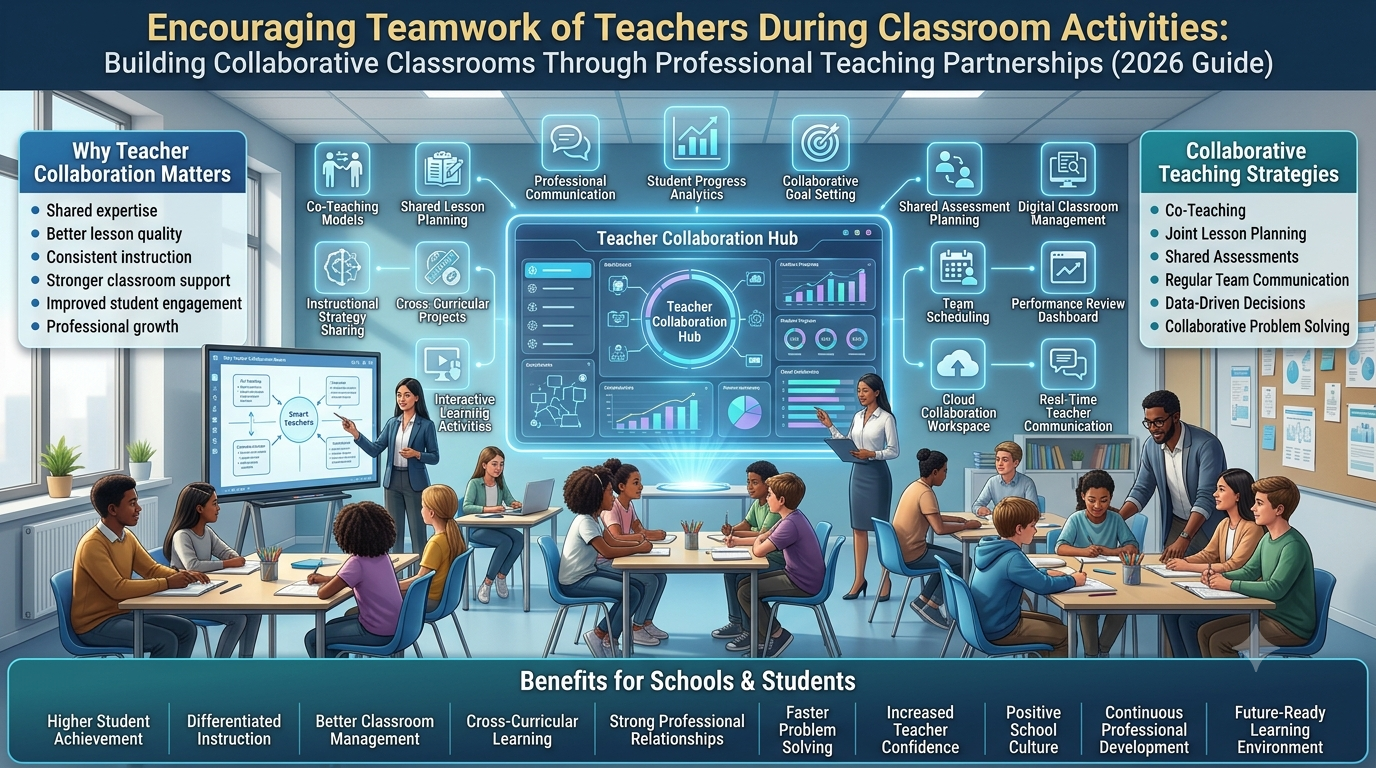
Encouraging Teamwork of Teachers During Classroom Activities-Teaching has become increasingly collaborative as schools recognize that no single educator possesses every skill, perspective, or strategy needed to meet the diverse needs of modern learners. Encouraging teamwork of teachers during classroom activities creates an environment where educators share expertise, support one another, and deliver richer learning experiences for students. Instead of working in isolation, teachers can combine strengths, coordinate lesson delivery, and provide differentiated instruction that benefits all learners.
Teacher collaboration extends beyond planning meetings. It includes co-teaching, cross-curricular projects, classroom observations, peer mentoring, collaborative assessment practices, and the shared use of educational technology. When educators work together effectively, students experience stronger engagement, improved academic outcomes, and a more supportive learning environment.
Modern educational tools, including platforms used for interactive learning such as Gimkit Classroom, Gimkit Activities, and Gimkit Learning, have made collaborative teaching easier than ever. Teachers can coordinate activities, analyze student performance together, and create consistent learning experiences across multiple classrooms.
This comprehensive guide explores practical strategies, leadership approaches, classroom structures, technology solutions, and professional best practices that help schools foster meaningful teamwork among teachers during classroom activities.
Why Teacher Teamwork Matters in Modern Education
Teacher collaboration directly influences instructional quality and student success. Schools that promote teamwork often experience stronger professional growth among educators and better academic performance among students.
When teachers collaborate during classroom activities, they can:
Share instructional expertise
Support diverse learning needs
Reduce workload duplication
Improve classroom management
Increase student engagement
Strengthen curriculum alignment
Develop innovative teaching approaches
Create consistent learning expectations
Impact of Teacher Collaboration
Area
Individual Teaching
Collaborative Teaching
Lesson Planning
Limited perspective
Multiple expert viewpoints
Student Support
One teacher’s capacity
Shared expertise
Assessment
Single evaluator
Multiple insights
Innovation
Individual experimentation
Collective creativity
Professional Growth
Slower development
Continuous learning
Schools increasingly view collaboration as a cornerstone of effective teaching rather than an optional practice.
Building a Collaborative Teaching Culture
Successful teamwork starts with school culture. Collaboration cannot thrive if teachers feel isolated, overworked, or unsupported.
Administrators play a critical role by creating structures that encourage cooperation rather than competition. Teachers should feel comfortable sharing ideas, discussing challenges, and seeking assistance without fear of judgment.
Essential Elements of Collaborative Culture
Element
Purpose
Trust
Encourages open communication
Shared Goals
Aligns teaching efforts
Mutual Respect
Values diverse expertise
Open Feedback
Improves instruction
Professional Support
Strengthens teamwork
Collaboration Checklist
✔ Encourage idea sharing
✔ Celebrate team achievements
✔ Promote peer learning
✔ Support innovation
✔ Create joint planning opportunities
✔ Establish common objectives
A positive culture forms the foundation for all collaborative classroom practices.
Co-Teaching Models That Strengthen Classroom Activities
Co-teaching is one of the most effective ways to encourage teacher teamwork during classroom instruction.
Different models allow teachers to work together while maximizing student engagement.
One Teach, One Support
One educator leads instruction while the other provides individual assistance to students.
Best for:
New teaching partnerships
Large classrooms
Skill reinforcement activities
Station Teaching
Students rotate through learning stations managed by different teachers.
Benefits include:
Increased engagement
Smaller learning groups
Personalized instruction
Parallel Teaching
Teachers divide the class into two groups and teach the same content simultaneously.
Advantages:
More student participation
Better discussion opportunities
Increased individual attention
Team Teaching
Both educators actively deliver instruction together.
This model demonstrates collaboration in action and often creates highly dynamic learning environments.
Collaborative Lesson Planning Strategies
Classroom teamwork becomes far more effective when collaboration begins before instruction.
Joint planning sessions help educators:
Align learning objectives
Coordinate classroom roles
Anticipate challenges
Share resources
Develop differentiated activities
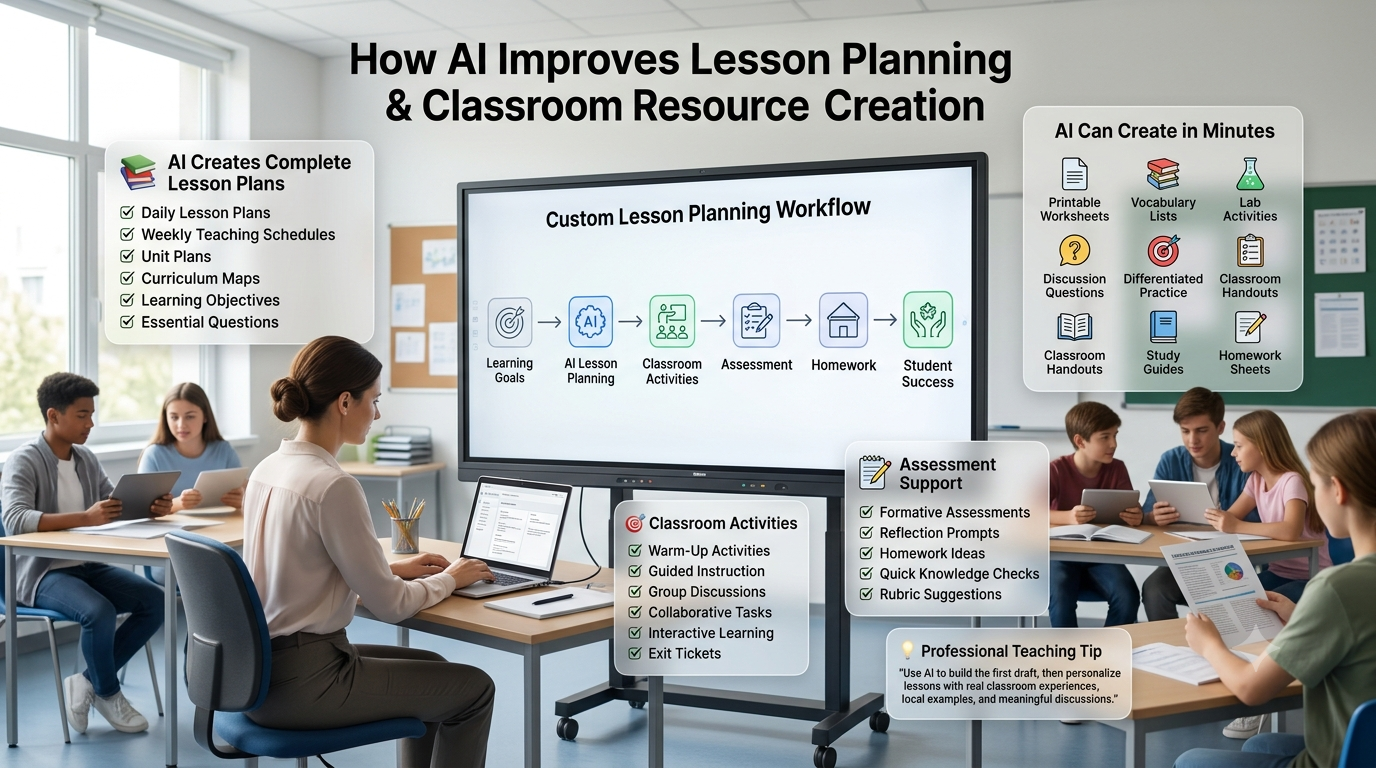
Effective Planning Workflow
Step
Purpose
Define Objectives
Establish learning outcomes
Assign Responsibilities
Clarify teaching roles
Design Activities
Create engaging lessons
Prepare Assessments
Measure understanding
Review Outcomes
Reflect and improve
Professional planning meetings should focus on instructional quality rather than administrative tasks whenever possible.
Using Educational Technology to Support Teacher Collaboration
Technology has transformed how teachers collaborate both inside and outside the classroom.
Digital platforms allow educators to communicate, share resources, and monitor student progress collectively.
Valuable Collaborative Tools
Tool Type
Purpose
Shared Documents
Joint lesson creation
Learning Platforms
Student monitoring
Assessment Tools
Data analysis
Communication Apps
Team coordination
Gamified Learning Systems
Student engagement
Many schools use platforms connected with Gimkit Host sessions, Gimkit Live activities, and Gimkit Quiz assignments to create collaborative learning experiences.
Teachers can jointly review student performance data through a Gimkit Dashboard and adjust instruction accordingly.
Platforms supporting Gimkit Teachers and Gimkit Students often provide actionable data that teams can discuss together.
Strengthening Communication Between Teachers
Communication remains the backbone of effective teamwork.
Even highly skilled educators struggle to collaborate successfully without consistent communication practices.
Best Communication Practices
✔ Schedule regular check-ins
✔ Use shared planning documents
✔ Establish response expectations
✔ Discuss challenges early
✔ Share classroom observations
✔ Celebrate collaborative successes
Communication Mistakes to Avoid
Mistake
Consequence
Assumptions
Misaligned instruction
Infrequent meetings
Reduced coordination
Unclear responsibilities
Task duplication
Lack of feedback
Missed improvements
Poor documentation
Confusion
Strong communication reduces misunderstandings and improves classroom consistency.
Professional Learning Communities and Teacher Teams
Professional Learning Communities (PLCs) provide structured opportunities for collaboration.
PLCs focus on continuous improvement through shared inquiry and collective problem-solving.
Key PLC Activities
Reviewing student performance
Sharing instructional strategies
Examining curriculum standards
Conducting action research
Developing intervention plans
PLC Benefits
Benefit
Outcome
Shared Expertise
Better instruction
Accountability
Consistent implementation
Reflection
Improved teaching practices
Innovation
New teaching methods
Support
Stronger professional relationships
Many successful schools integrate PLC discussions with insights from Gimkit Guide resources and classroom performance trends.
Classroom Activities That Naturally Promote Teacher Collaboration
Certain classroom structures make teamwork easier and more visible.
Activity-Based Collaboration Models
Learning Stations
Teachers manage different instructional stations while students rotate.
Inquiry Projects
Multiple teachers guide students through research and problem-solving processes.
Debate Activities
Teachers facilitate opposing perspectives and critical thinking discussions.
Gamified Learning Experiences
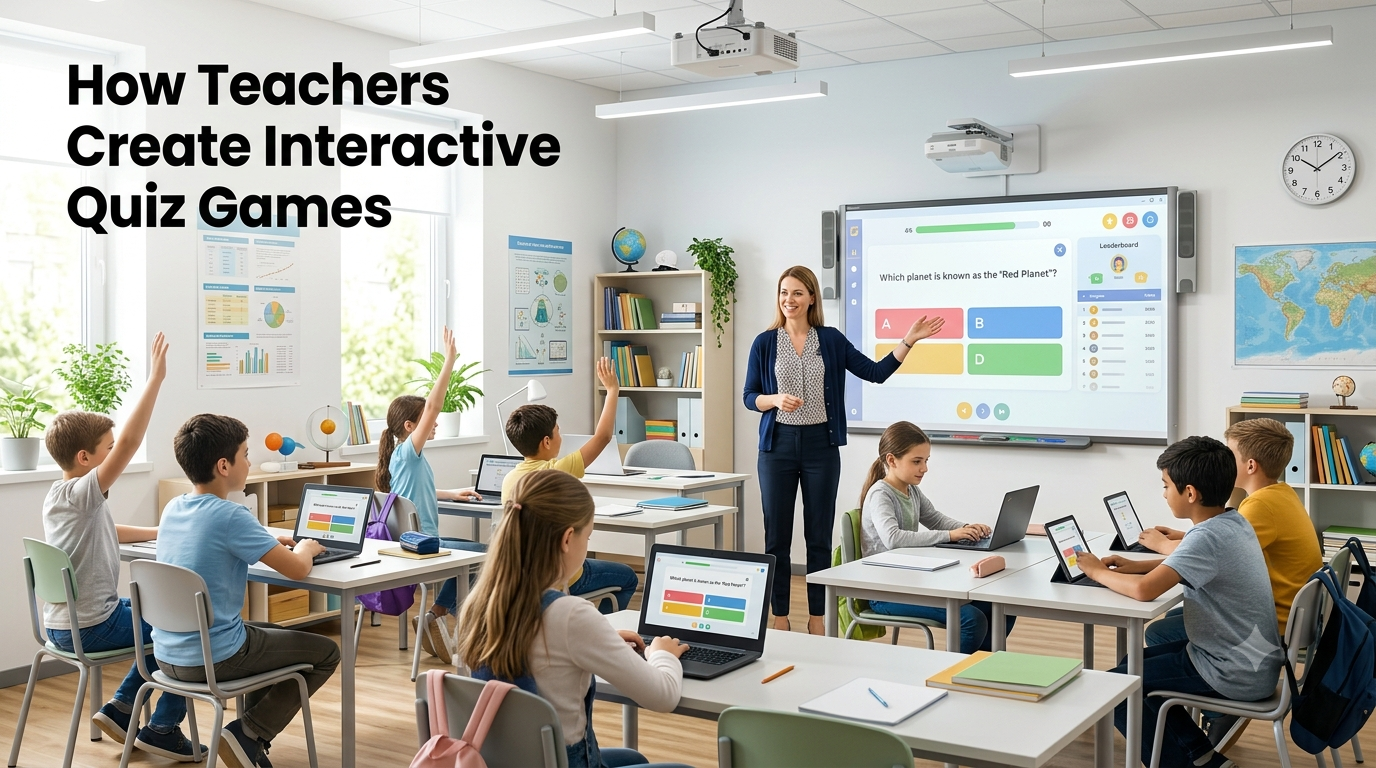
Interactive sessions using tools like Gimkit Play, Gimkit Mode, and Gimkit Kit encourage collaborative planning and execution.
Peer Teaching Projects
Teachers coordinate student-led instruction activities across subjects.
These approaches provide authentic opportunities for educators to collaborate during instruction.
Supporting New Teachers Through Collaborative Activities
New educators often benefit significantly from collaborative classroom experiences.
Experienced teachers can:
Model instructional techniques
Demonstrate classroom management
Provide lesson feedback
Share resources
Offer emotional support
Mentorship Benefits
New Teacher Gains
Mentor Gains
Faster development
Leadership experience
Confidence
Reflective practice
Classroom support
Professional recognition
Resource access
Collaborative growth
Schools that encourage mentorship often experience stronger teacher retention and improved instructional quality.
Overcoming Common Barriers to Teacher Teamwork
While collaboration offers numerous advantages, several obstacles frequently emerge.
Common Challenges
Challenge
Solution
Limited time
Scheduled planning periods
Different teaching styles
Shared expectations
Resource shortages
Collaborative resource pools
Resistance to change
Gradual implementation
Communication gaps
Clear protocols
Practical Solutions
✔ Create dedicated collaboration time
✔ Provide administrative support
✔ Use shared digital workspaces
✔ Offer collaboration training
✔ Establish measurable goals
Addressing barriers proactively increases the likelihood of sustained teamwork success.
Leadership Strategies That Encourage Collaboration
School leaders significantly influence teacher teamwork.
Administrators can create systems that reward and support collaborative practices.
Effective Leadership Actions
Schedule collaborative planning periods
Encourage classroom observations
Provide professional development
Recognize collaborative achievements
Allocate resources for team projects
Leadership Impact Table
Leadership Action
Teacher Benefit
Shared Planning Time
Better preparation
Professional Development
New collaboration skills
Recognition Programs
Increased motivation
Resource Allocation
Stronger implementation
Coaching Support
Continuous improvement
Leadership commitment often determines whether collaborative initiatives thrive or fade.
The Role of Gamified Learning in Teacher Collaboration
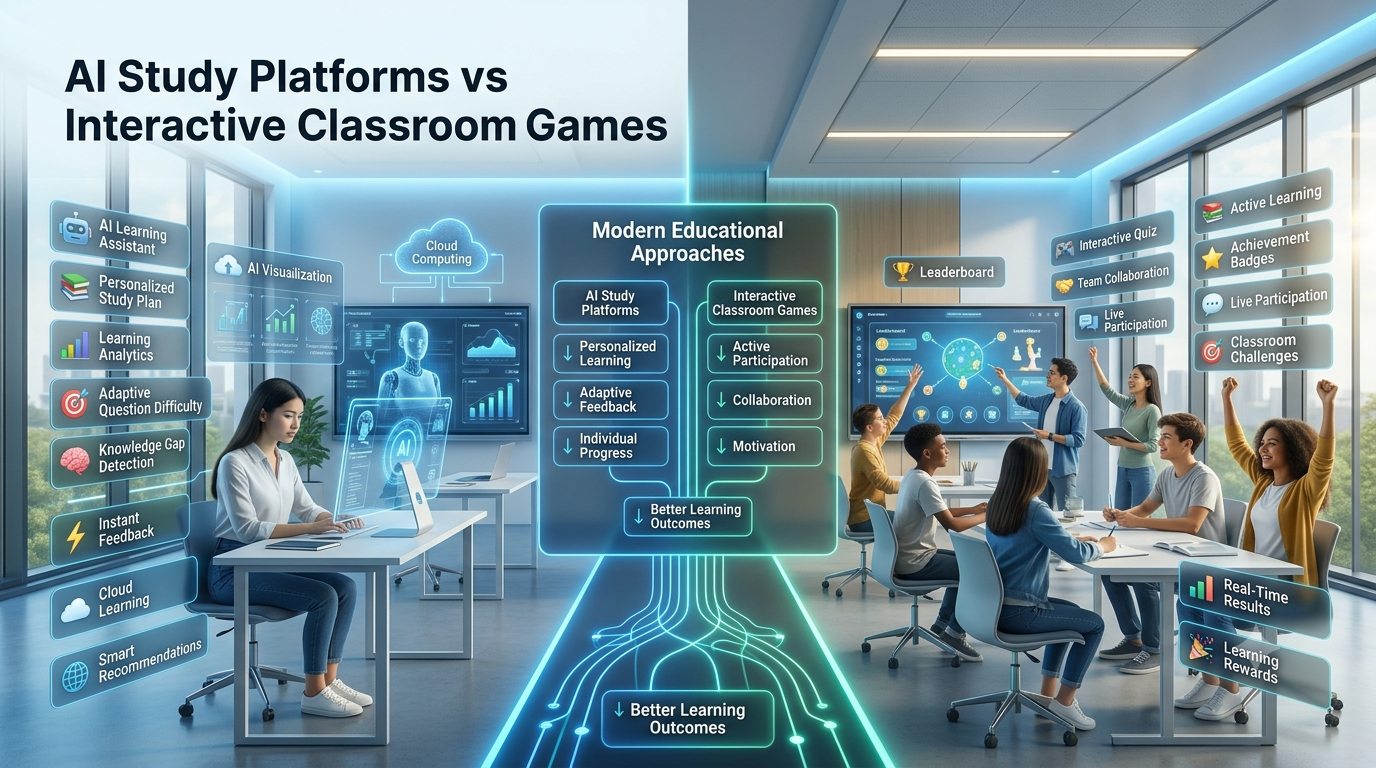
Gamified learning environments create unique opportunities for teamwork among educators.
Teachers frequently collaborate when designing:
Review competitions
Subject integration challenges
Team-based learning experiences
Performance tracking systems
Educational platforms supporting Gimkit Games, Gimkit Classroom activities, and collaborative assessment practices help teachers coordinate engaging lessons while maintaining consistent learning objectives.
Benefits of Gamified Collaboration
Benefit
Description
Shared Planning
Joint activity design
Student Engagement
Increased participation
Data Insights
Collective analysis
Cross-Class Competitions
Expanded learning opportunities
Curriculum Alignment
Consistent standards
Gamification often serves as a catalyst for broader collaborative teaching practices.
Emerging Trends in Collaborative Teaching
Teacher collaboration continues evolving as educational needs change.
Current Trends
✔ Hybrid teaching teams
✔ AI-assisted lesson planning
✔ Cross-school collaboration
✔ Virtual co-teaching
✔ Real-time instructional analytics
✔ Project-based interdisciplinary learning
Future Outlook
Future classrooms will likely feature even greater collaboration supported by advanced technology, integrated data systems, and flexible learning environments. Teachers will increasingly function as collaborative learning designers rather than isolated content deliverers.
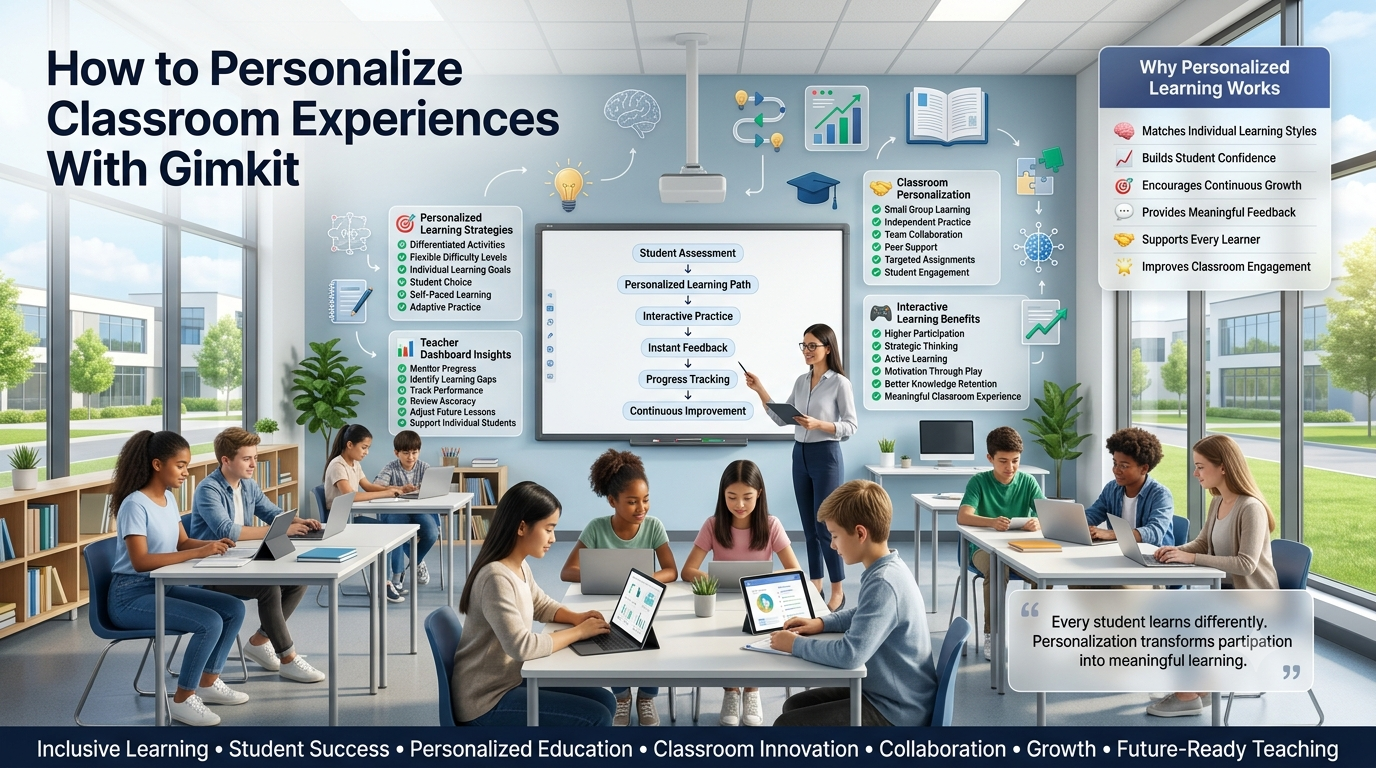
The growing emphasis on personalized learning will further increase the need for teamwork among educators with diverse expertise.
Best Practices Checklist for Teacher Teamwork
Daily Practices
✔ Maintain open communication
✔ Share classroom observations
✔ Align lesson objectives
✔ Support colleagues proactively
Weekly Practices
✔ Review student progress
✔ Reflect on teaching strategies
✔ Coordinate upcoming activities
✔ Update shared resources
Long-Term Practices
✔ Participate in professional learning communities
✔ Develop mentorship programs
✔ Engage in peer observation
✔ Evaluate collaboration effectiveness
Expert Point Of views
Encouraging Teamwork of Teachers During Classroom Activities begins with establishing shared instructional goals so every educator understands their role in supporting student learning throughout the lesson.
Encouraging Teamwork of Teachers During Classroom Activities promotes effective collaboration by encouraging teachers to co-plan lessons, divide responsibilities, and align instructional strategies before entering the classroom.
Encouraging Teamwork of Teachers During Classroom Activities helps create a consistent learning environment where students receive clear expectations and coordinated guidance from every teacher involved.
Encouraging Teamwork of Teachers During Classroom Activities supports successful co-teaching by encouraging open communication, mutual respect, and regular discussions about lesson objectives and classroom progress.
Encouraging Teamwork of Teachers During Classroom Activities enables educators to combine their individual strengths, creating richer learning experiences that address a wider range of student needs.
Encouraging Teamwork of Teachers During Classroom Activities encourages teachers to share instructional resources, lesson ideas, and classroom materials that improve both efficiency and educational quality.
Encouraging Teamwork of Teachers During Classroom Activities encourages educators to establish regular planning meetings where lesson objectives, teaching responsibilities, and assessment strategies are discussed before classroom instruction begins.
Encouraging Teamwork of Teachers During Classroom Activities helps teachers maintain instructional consistency by using common classroom expectations, grading practices, and learning goals across all collaborative lessons.
Encouraging Teamwork of Teachers During Classroom Activities supports real-time collaboration by allowing teachers to observe one another’s instructional methods and provide constructive professional feedback after each lesson.
Encouraging Teamwork of Teachers During Classroom Activities promotes stronger student outcomes by combining subject expertise, classroom management skills, and diverse teaching approaches within a single learning environment.
Encouraging Teamwork of Teachers During Classroom Activities encourages teachers to rotate instructional roles so every educator has opportunities to lead discussions, facilitate activities, and provide individualized student support.
Encouraging Teamwork of Teachers During Classroom Activities helps improve lesson quality by encouraging collaborative review of classroom activities, ensuring instructional materials remain accurate, engaging, and curriculum-aligned.
Encouraging Teamwork of Teachers During Classroom Activities supports effective decision-making by encouraging teachers to analyze student performance data together and adjust instructional strategies based on classroom needs.
Encouraging Teamwork of Teachers During Classroom Activities strengthens professional relationships by fostering trust, shared responsibility, and open communication among educators working toward common educational objectives.
Encouraging Teamwork of Teachers During Classroom Activities promotes a positive learning culture where collaborative teaching creates greater classroom engagement, stronger student participation, and more effective academic support.
Encouraging Teamwork of Teachers During Classroom Activities ultimately demonstrates that sustained teacher collaboration, thoughtful planning, shared expertise, continuous communication, and coordinated instruction create more engaging classrooms and significantly improve both teaching effectiveness and student learning outcomes.
Encouraging Teamwork of Teachers During Classroom Activities helps educators provide more individualized support by allowing one teacher to lead instruction while another assists students who need additional guidance.
Encouraging Teamwork of Teachers During Classroom Activities strengthens classroom management by ensuring all teachers apply consistent expectations, routines, and behavioral strategies.
Encouraging Teamwork of Teachers During Classroom Activities promotes collaborative problem-solving when unexpected classroom challenges arise, leading to faster and more effective solutions.
Encouraging Teamwork of Teachers During Classroom Activities encourages regular reflection after lessons so educators can evaluate what worked well and identify opportunities for improvement.
Encouraging Teamwork of Teachers During Classroom Activities supports differentiated instruction by allowing teachers to divide students into smaller groups based on learning needs, interests, or skill levels.
Encouraging Teamwork of Teachers During Classroom Activities improves student engagement because multiple educators can facilitate discussions, monitor participation, and encourage active learning simultaneously.
Encouraging Teamwork of Teachers During Classroom Activities creates opportunities for teachers to model effective communication, cooperation, and mutual respect, demonstrating valuable interpersonal skills for students.
Encouraging Teamwork of Teachers During Classroom Activities encourages the use of digital collaboration tools to coordinate lesson plans, monitor student progress, and share instructional feedback efficiently.
Encouraging Teamwork of Teachers During Classroom Activities helps educators maintain consistent assessment practices by jointly reviewing student work and discussing academic progress using shared criteria.
Encouraging Teamwork of Teachers During Classroom Activities fosters a culture of continuous professional growth by encouraging teachers to exchange teaching strategies and learn from one another’s classroom experiences.
Encouraging Teamwork of Teachers During Classroom Activities strengthens inclusive education by combining the expertise of general education and specialist teachers to support diverse learning needs effectively.
Encouraging Teamwork of Teachers During Classroom Activities promotes flexibility, allowing educators to adjust instructional roles and teaching methods according to classroom dynamics and student responses.
Encouraging Teamwork of Teachers During Classroom Activities enhances overall classroom effectiveness by creating a supportive teaching partnership that benefits both educators and students throughout the learning process.
Encouraging Teamwork of Teachers During Classroom Activities ultimately builds a collaborative educational environment where shared planning, effective communication, coordinated instruction, mutual support, and continuous reflection work together to improve student engagement, academic achievement, and long-term classroom success.
Most Frequently Asked FAQS
1. How can co-teachers effectively co-plan activities without wasting time?
Effective co-planning starts with clear responsibilities and a structured routine rather than lengthy meetings. Teachers should agree on lesson objectives first, then divide planning tasks based on their expertise. Using shared planning templates and collaborative documents reduces duplicate work while keeping both educators informed. Reviewing student assessment data before planning also helps prioritize learning needs instead of creating unnecessary activities. Regular short planning sessions are often more productive than occasional long meetings.
Best practices for efficient co-planning:
Set a shared lesson goal before discussing activities.
Assign specific planning responsibilities to each teacher.
Use collaborative planning documents for real-time updates.
Reuse successful lesson materials and modify them when needed.
End each planning session with clear action items and deadlines.
2. What are the best co-teaching models for maximizing classroom teamwork?
The best co-teaching model depends on lesson objectives, class size, and student needs. Team Teaching works well when both educators actively share instruction, creating an engaging and balanced classroom. Station Teaching increases student participation by rotating groups through different learning stations, while Parallel Teaching reduces group size for more personalized instruction. Alternative Teaching is effective for targeted intervention, allowing one teacher to support a small group without interrupting whole-class learning.
Co-Teaching Model
Best Use
Team Teaching
Shared instruction and discussions
Station Teaching
Hands-on, interactive activities
Parallel Teaching
Smaller learning groups
Alternative Teaching
Targeted intervention and enrichment
One Teach, One Support
Individual student assistance
Selecting the appropriate model for each lesson keeps instruction flexible and maximizes collaboration.
3. How do teachers resolve disagreements about classroom management or grading?
Professional collaboration requires respectful communication and shared expectations. Teachers should establish classroom rules, grading policies, and behavior procedures before instruction begins to minimize future conflicts. When disagreements occur, discussions should focus on student success rather than personal preferences. Using school-wide rubrics, behavior frameworks, and evidence from student performance helps guide objective decisions. Regular reflection meetings also allow teachers to adjust strategies before small issues become larger problems.
Effective conflict-resolution strategies include:
Develop shared classroom expectations together.
Use common grading rubrics for consistency.
Discuss concerns privately and professionally.
Base decisions on student evidence rather than opinions.
Review and revise agreements throughout the school year.
4. How can a general education and special education teacher best collaborate?
Successful collaboration begins with recognizing that both teachers contribute equally to student learning. General education teachers provide curriculum expertise, while special education teachers contribute knowledge of accommodations, individualized instruction, and learning supports. Together, they should co-plan lessons, monitor student progress, and regularly review Individualized Education Program (IEP) goals. Flexible grouping, differentiated instruction, and shared responsibility ensure all students receive meaningful participation without creating separate learning experiences.
Key collaboration practices:
Plan accommodations before each lesson.
Share responsibility for instruction and assessment.
Monitor progress using regular student data.
Maintain frequent communication with families when appropriate.
Adjust teaching strategies based on ongoing student needs.
5. What digital tools track and streamline teacher-to-teacher collaboration?
Modern collaboration relies on cloud-based platforms that centralize communication, planning, and student data. Shared document systems enable real-time lesson planning, while project management tools organize responsibilities and deadlines. Learning management systems help teachers monitor assignments and student progress together. Interactive classroom platforms with analytics dashboards also provide valuable performance insights, allowing teaching teams to make informed instructional decisions quickly and efficiently.
Popular collaboration features include:
Shared lesson planning and document editing.
Real-time messaging and meeting scheduling.
Student performance dashboards and assessment reports.
Task management with progress tracking.
Secure cloud storage for teaching resources and instructional materials.
Conclusion
Encouraging teamwork of teachers during classroom activities is one of the most effective ways to enhance instructional quality, improve student outcomes, and strengthen professional growth. Collaborative teaching creates opportunities for shared expertise, innovative lesson design, differentiated instruction, and stronger classroom engagement. From co-teaching models and professional learning communities to technology integration and gamified experiences involving Gimkit Classroom, Gimkit Teachers, and Gimkit Learning, collaboration continues to shape modern education.
As schools move toward increasingly personalized and student-centered learning environments, teacher teamwork will become even more important. Institutions that invest in communication, shared planning, professional support, and collaborative culture position both educators and students for long-term success.