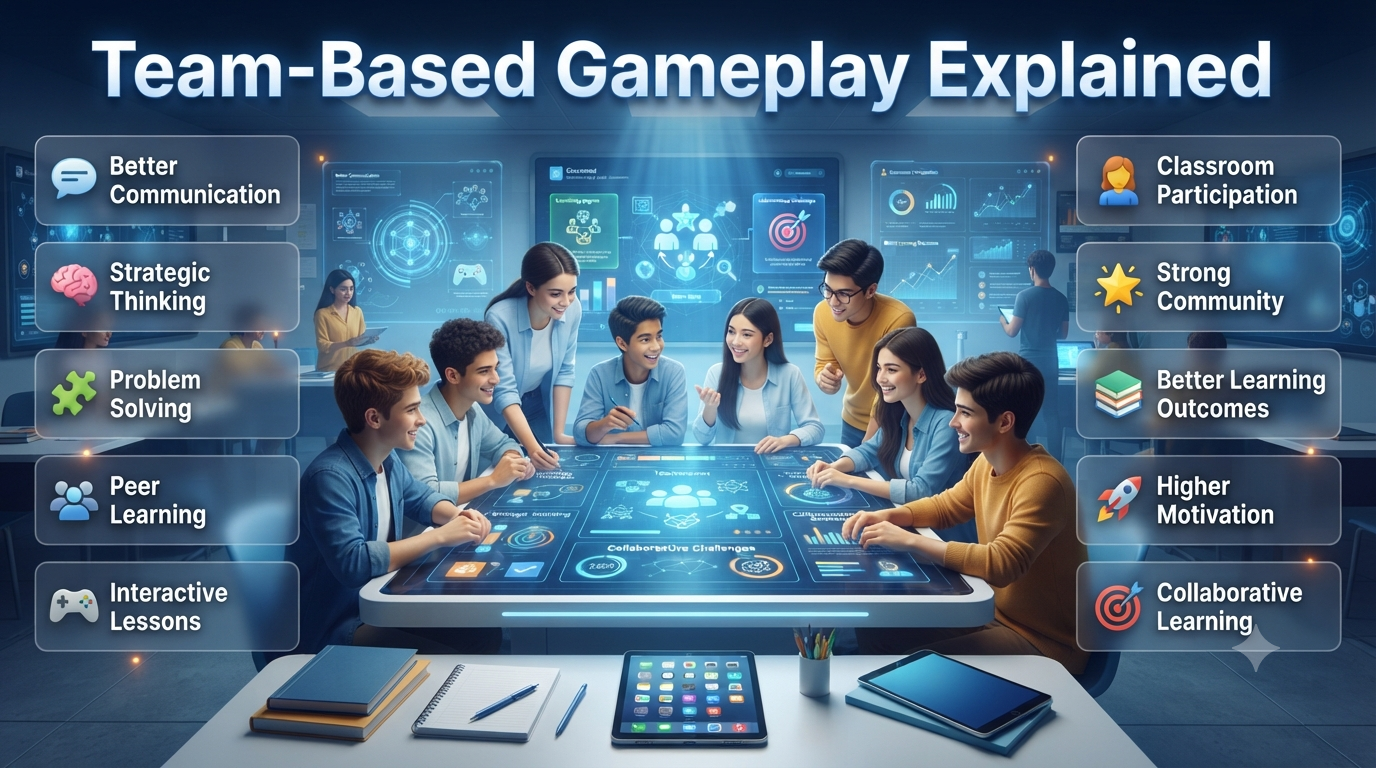
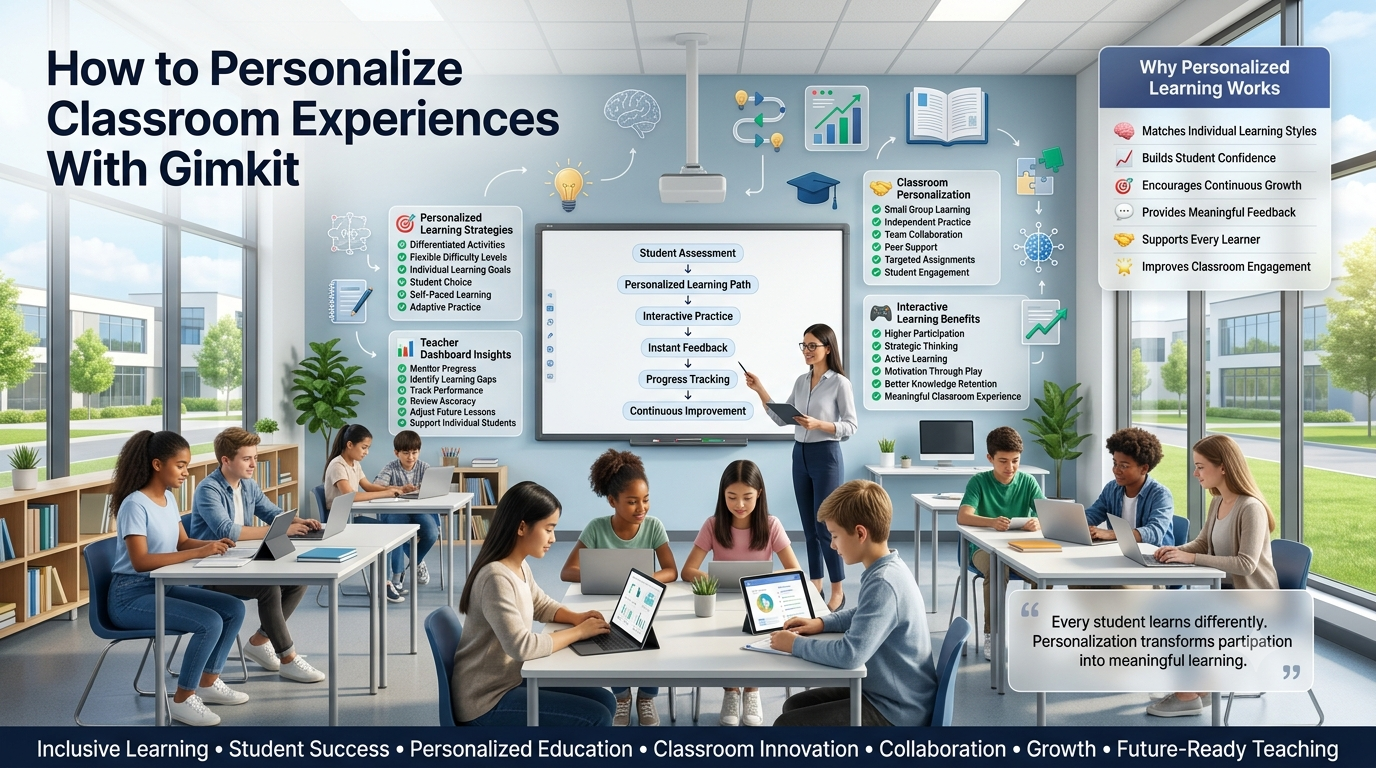
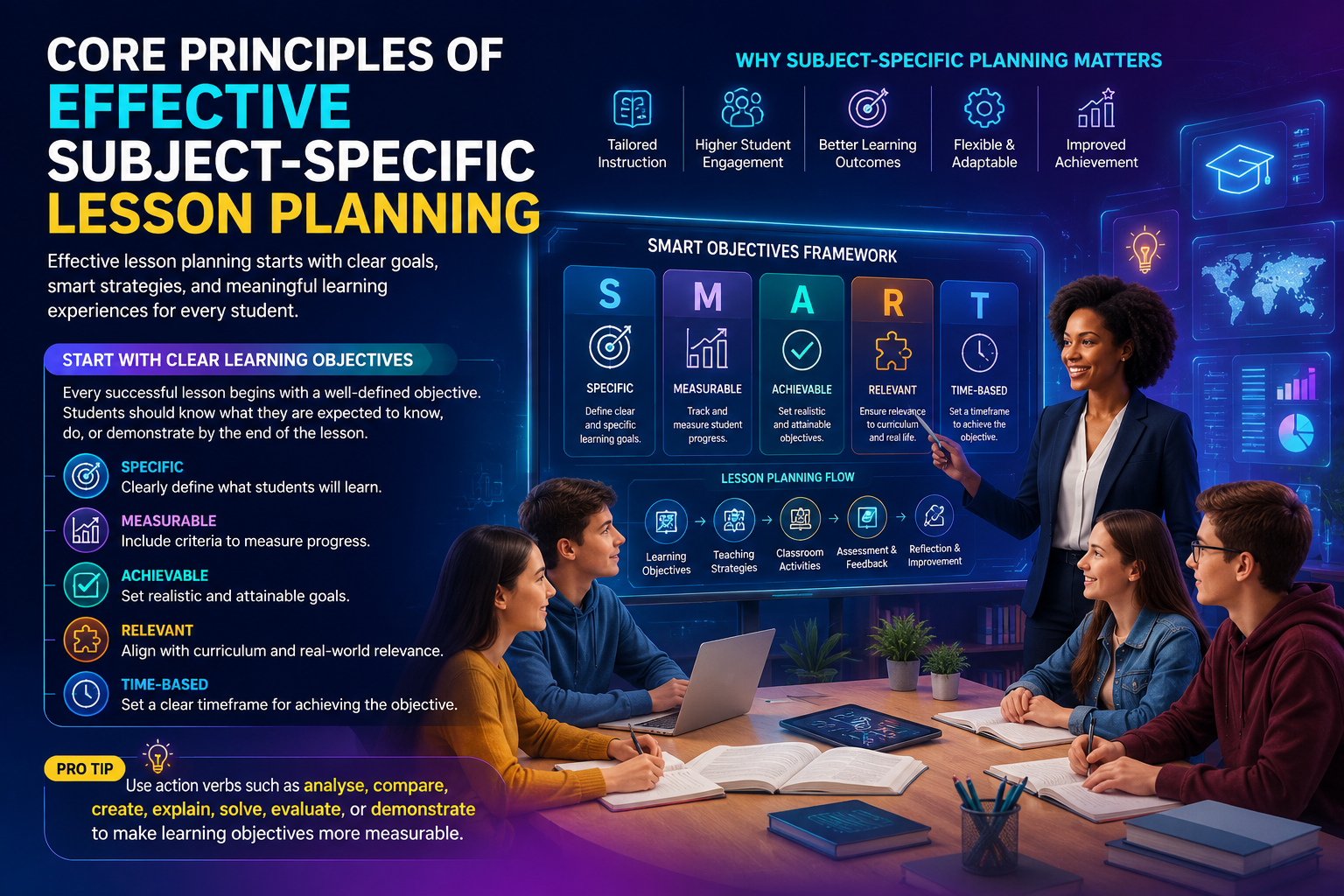
Team-Based Gameplay Explained | Team-based gameplay is a collaborative game format where players work together toward a shared objective instead of competing individually.
💬 Encourage Better Communication: Team-based gameplay helps students share ideas, discuss solutions, and communicate effectively while working toward a common goal.
🧠 Develop Strategic Thinking: Students learn to plan ahead, make smart decisions, and use strategies that improve both individual and team performance.
🧩 Strengthen Problem-Solving Skills: Working together allows students to analyse challenges, explore different solutions, and solve problems more efficiently.
👥 Promote Peer Learning: Students learn from one another by sharing knowledge, explaining concepts, and supporting teammates throughout the activity.
🎮 Make Lessons More Interactive: Team-based activities transform traditional lessons into engaging learning experiences that keep students actively involved.
🙋 Increase Classroom Participation: Collaborative gameplay encourages every student to contribute, boosting confidence and reducing passive learning.
🌟 Build a Strong Classroom Community: Working as a team fosters trust, respect, cooperation, and positive relationships among classmates.
📚 Improve Learning Outcomes: Well-designed team activities reinforce key concepts while helping students retain information more effectively.
🚀 Boost Motivation and Engagement: Friendly teamwork and shared goals make learning more enjoyable, encouraging students to stay focused and enthusiastic.
🎯 Create Meaningful Collaborative Learning: When implemented effectively, team-based gameplay combines education with cooperation, creating a supportive, engaging, and productive classroom environment where every student has the opportunity to succeed.
Looking for comprehensive classroom resources and educational technology insights? Explore GimkitApp for expert guides, teaching strategies, game modes, and the latest updates to enhance student engagement.
Team-Based Gameplay Explained
Modern classrooms have evolved far beyond traditional lectures and worksheets. Teachers now look for ways to make learning more interactive without sacrificing educational outcomes. One approach that continues to gain popularity is team-based gameplay, where students work together to solve challenges, answer questions, and achieve shared goals.
Unlike individual game modes that focus on personal scores, team-based gameplay shifts the emphasis toward collaboration. Students discuss answers, divide responsibilities, support classmates, and celebrate achievements together. This creates a learning environment where participation often becomes more meaningful than simply winning.
Whether you’re using educational gaming platforms, classroom review activities, or collaborative learning games, understanding how team-based gameplay works can help you create more engaging and productive learning experiences.
In this guide, you’ll learn what team-based gameplay is, how it works, why educators use it, and the educational principles that make it an effective teaching strategy.
What Is Team-Based Gameplay?
Team-based gameplay is a game format where two or more players cooperate as a group to complete objectives, solve problems, earn points, or defeat challenges together. Every member contributes toward the team’s success rather than competing only for individual recognition.
In education, this approach transforms classroom activities into collaborative learning experiences. Instead of students working in isolation, they exchange ideas, explain concepts, and help one another arrive at correct answers.
The overall objective isn’t merely to identify the strongest individual student—it’s to improve understanding across the entire group.
Simple Example
Imagine a history teacher organizing a classroom quiz.
Instead of asking each student to answer independently:
Four students form one team.
They discuss each question together.
Each member contributes different knowledge.
The team submits one final answer.
Everyone shares the team’s score.
Students naturally begin teaching one another while playing, which often leads to deeper understanding than memorizing facts alone.
Understanding the Core Idea Behind Team-Based Gameplay
At its heart, team-based gameplay combines two powerful educational principles:
Collaborative learning
Game-based learning
Rather than viewing classmates as competitors, students become learning partners.
This simple shift changes classroom dynamics in several important ways:
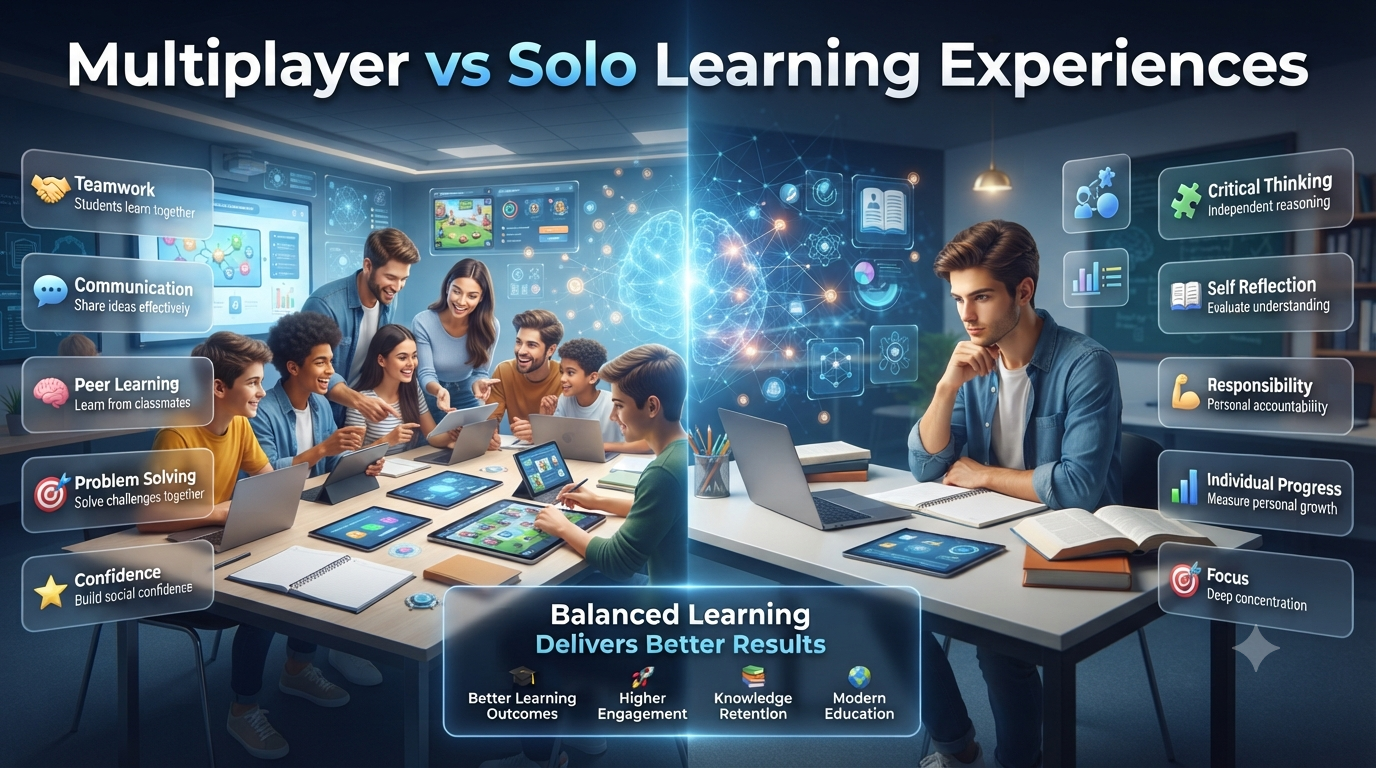
Traditional Individual Play
Team-Based Gameplay
Students compete alone
Students collaborate
Personal achievement
Shared achievement
Limited discussion
Active communication
Independent thinking
Collective problem solving
Individual rewards
Team rewards
Less peer interaction
Continuous peer interaction
The biggest difference is not the game itself—it is how students interact during the learning process.
Why Team-Based Gameplay Is Becoming More Popular
The rise of digital learning platforms has made collaboration easier than ever. Teachers increasingly recognize that students learn more effectively when they actively engage with one another instead of passively receiving information.
Several educational trends contribute to the popularity of team-based gameplay:
Active learning
Student-centered classrooms
Project-based learning
Collaborative assessment
Gamification in education
Social learning strategies
Digital classroom engagement
These approaches all emphasize participation rather than passive observation.
Why Collaboration Improves Learning
Learning is often stronger when students explain ideas to one another.
For example:
A student struggling with fractions may understand a classmate’s explanation more easily than a formal textbook definition because peers often communicate using simpler, relatable language.
When students teach each other:
They reinforce their own understanding.
They identify gaps in their knowledge.
They build confidence by contributing.
They practice communication skills.
This process transforms learning from an individual activity into a shared experience.
💡 Pro Tip: The strongest teams aren’t always made up of the highest-scoring students. Diverse teams with different strengths often solve problems more effectively because members contribute unique perspectives.
How Team-Based Gameplay Works
Although different educational platforms implement team play differently, the overall workflow follows a similar pattern.
Teacher Creates Activity
          │
          ▼
Students Join Game
          │
          ▼
Teams Are Formed
          │
          ▼
Questions or Challenges Begin
          │
          ▼
Team Members Discuss Answers
          │
          ▼
Final Answer Is Submitted
          │
          ▼
Points Awarded
          │
          ▼
Leaderboard Updates
          │
          ▼
Game Ends
          │
          ▼
Teacher Reviews Results
Each stage contributes to both engagement and learning.
The Main Objectives of Team-Based Gameplay
Team-based gameplay is designed to achieve more than entertainment. In educational settings, every collaborative activity should support meaningful learning outcomes.
Its primary objectives include:
Objective
Why It Matters
Collaboration
Encourages students to work together effectively
Communication
Improves discussion and explanation skills
Critical Thinking
Promotes deeper analysis before answering
Engagement
Keeps learners actively involved
Knowledge Sharing
Students learn from one another
Confidence Building
Reduces fear of making mistakes
Problem Solving
Encourages collective reasoning
Classroom Community
Strengthens relationships among students
These objectives align closely with many modern teaching approaches that value participation, discussion, and cooperative learning.
Key Features of Team-Based Gameplay
While every game is different, successful team-based experiences usually share several common characteristics.
1. Shared Goals
Every player works toward the same objective.
Rather than trying to outperform teammates, students focus on helping the group succeed. This naturally encourages cooperation and reduces unhealthy competition.
2. Communication
Discussion is one of the most valuable parts of team gameplay.
Students exchange ideas, justify answers, ask questions, and clarify misunderstandings before making decisions.
This communication process often becomes the most important learning opportunity within the activity.
3. Shared Responsibility
Every member contributes differently.
Some students:
remember facts quickly,
analyze questions carefully,
notice small details,
explain difficult concepts,
encourage quieter classmates.
A successful team values all of these contributions.
4. Collective Decision-Making
Instead of immediately selecting an answer, teammates evaluate different possibilities together.
This encourages students to:
compare evidence,
discuss reasoning,
evaluate alternatives,
justify decisions.
These are valuable skills that extend beyond classroom games.
5. Immediate Feedback
Many educational games provide instant results after each question.
Immediate feedback helps teams:
identify mistakes quickly,
adjust strategies,
correct misunderstandings,
improve during the game instead of waiting until class ends.
6. Healthy Competition
Competition still exists—but it shifts from individual rankings to team performance.
Students often experience less pressure because responsibility is shared across the group.
This creates a more supportive environment while maintaining excitement.
For the latest gaming news, expert reviews, and walkthroughs, readers can also visit IGN, one of the world’s leading gaming websites.
Educational Benefits of Team-Based Gameplay
One reason educators continue adopting collaborative game formats is that the benefits extend beyond academic performance.
Students develop interpersonal skills alongside subject knowledge.
Encourages Active Participation
Some learners hesitate to answer questions individually because they’re afraid of making mistakes.
Working in teams reduces this anxiety.
Students become more willing to participate because decisions are shared rather than placed entirely on one person.
Builds Communication Skills
Explaining ideas clearly is an essential life skill.
During gameplay, students naturally practice:
speaking,
listening,
questioning,
negotiating,
persuading,
summarizing.
These communication skills support success in many academic and professional settings.
Improves Critical Thinking
Teams rarely accept the first answer without discussion.
Instead, members ask questions such as:
Why is this correct?
Is there another possibility?
What evidence supports this answer?
Could we be misunderstanding the question?
This deeper reasoning strengthens analytical thinking.
Promotes Peer Learning
One of the most valuable aspects of team gameplay is peer instruction.
Students frequently explain concepts using examples their classmates immediately understand.
In many classrooms, this creates learning opportunities that formal lectures alone cannot provide.
⭐ Expert Insight: Teachers often discover that students remember explanations from teammates because they are presented in familiar language and connected to shared classroom experiences.
Increases Classroom Engagement
Long lectures can reduce attention over time.
Team-based activities introduce:
movement,
discussion,
decision-making,
friendly competition,
collaboration.
As a result, students remain mentally involved throughout the lesson.
Supports Different Learning Styles
Every classroom includes learners with different strengths.
Some students learn best by:
listening,
discussing,
observing,
practicing,
teaching others,
solving problems.
Team gameplay accommodates multiple learning preferences within a single activity, making lessons more inclusive.
Develops Leadership Skills
Not every leader is the loudest person in the room.
Within team-based games, leadership may involve:
organizing discussions,
encouraging participation,
managing time,
resolving disagreements,
keeping teammates focused.
These experiences help students develop practical leadership abilities in a low-pressure environment.
Encourages Accountability
Although teams share responsibility, each member still plays an important role.
Students quickly recognize that:
preparation benefits everyone,
participation matters,
listening improves decisions,
cooperation leads to better outcomes.
This balance between individual responsibility and team success helps foster a stronger sense of accountability.
When Team-Based Gameplay Works Best
While collaborative games can be adapted for many subjects, they tend to be especially effective in situations where discussion and shared reasoning improve understanding.
Some common classroom applications include:
Classroom Activity
Why Team Play Is Effective
Quiz Review
Students explain answers before submitting.
Exam Preparation
Teams identify weak areas together.
Vocabulary Practice
Peer discussion reinforces definitions and usage.
Science Challenges
Groups evaluate hypotheses and evidence.
History Review
Students connect events through collaborative reasoning.
Mathematics Practice
Teams compare different problem-solving methods.
Language Learning
Speaking and listening improve through interaction.
Rather than replacing traditional instruction, team-based gameplay works best as a complement to lessons, helping students apply and reinforce what they have already learned.
Different Types of Team-Based Gameplay
Not every team game follows the same structure. Some encourage quick discussions before answering, while others require long-term planning, problem-solving, or creative collaboration.
Understanding these formats helps teachers choose the right activity for the lesson rather than forcing every objective into the same game style.
Below are the most common types of team-based gameplay used in classrooms and educational platforms.
1. Quiz-Based Team Gameplay
Quiz-based games are among the easiest ways to introduce collaborative learning.
Instead of answering individually, students discuss each question before submitting a single response on behalf of the team. This encourages conversation, reasoning, and peer teaching throughout the activity.
Best For
Daily lesson reviews
End-of-unit revision
Test preparation
Vocabulary practice
Warm-up activities
Advantages
Easy to organize
Requires minimal preparation
Promotes quick discussions
Keeps the entire class engaged
⚠ Common Mistake: Avoid giving teams too much time for every question. Long delays can reduce energy and allow off-topic conversations to take over.
2. Problem-Solving Challenges
Rather than focusing on multiple-choice questions, students work together to solve real problems.
Challenges might include:
Solving complex math problems
Designing science experiments
Analyzing historical events
Planning business scenarios
Completing coding activities
These games emphasize reasoning instead of memorization.
Example
A science teacher presents a survival scenario where teams must decide which equipment to take on a space mission. Students justify every choice using scientific principles rather than guessing.
This type of activity naturally develops analytical thinking.
3. Strategy-Based Gameplay
Strategy games reward planning more than speed.
Students must think ahead, evaluate risks, assign responsibilities, and adapt when situations change.
Common classroom examples include:
Resource management
Geography simulations
Economic activities
Classroom business games
Historical strategy exercises
Because decisions influence future outcomes, students learn to evaluate consequences before acting.
4. Mission-Based Team Activities
Mission-based gameplay divides learning into a series of connected objectives.
Instead of completing isolated questions, students unlock new tasks after finishing previous ones.
For example:
Mission 1
      │
      ▼
Find the Clue
      │
      ▼
Solve Puzzle
      │
      ▼
Unlock Challenge
      │
      ▼
Complete Final Mission
This structure creates a sense of progression and keeps students curious about what comes next.
💡 Pro Tip: Mission-based activities work especially well for review weeks because students remain motivated to complete every stage.
5. Escape Room Style Learning
Educational escape rooms combine teamwork with problem-solving.
Students solve a sequence of puzzles, riddles, or subject-related questions to “escape” before time runs out.
Subjects commonly include:
Mathematics
Science
History
Language Arts
Geography
These activities encourage students to divide responsibilities naturally while maintaining constant communication.
6. Project-Based Team Gameplay
Some educational games extend beyond a single class period.
Teams collaborate over several days—or even weeks—to complete a larger project.
Examples include:
Building digital presentations
Creating educational videos
Designing classroom campaigns
Developing science models
Producing historical documentaries
This format emphasizes long-term collaboration, planning, and accountability.
Choosing the Right Team Size
One of the biggest factors influencing success is team size.
Groups that are too small may struggle with complex tasks, while very large groups can reduce participation because a few students dominate the discussion.
The following table provides general guidance.
Team Size
Best Use Case
Advantages
Possible Challenges
2 Students
Quick discussions
High participation
Limited perspectives
3 Students
Daily classroom activities
Balanced communication
Requires equal participation
4 Students
Most educational games
Excellent collaboration
Needs clear organization
5–6 Students
Complex projects
Diverse skills
Easier for some students to become passive
7+ Students
Large classroom projects
Broad expertise
Harder to manage effectively
For most classroom game sessions, three to four students per team offers the best balance between discussion and participation.
Essential Team Roles
Well-organized teams perform better because every member understands their responsibility.
While roles may rotate from one activity to the next, assigning responsibilities prevents one student from completing all the work.
Role
Main Responsibility
Team Leader
Coordinates discussion and keeps everyone focused
Recorder
Writes or submits final answers
Researcher
Looks for supporting evidence or references when appropriate
Timekeeper
Ensures the team finishes before time expires
Encourager
Invites quieter classmates to contribute and maintains a positive atmosphere
These roles are especially helpful during longer activities or project-based learning.
⭐ Expert Insight: Rotating roles throughout the semester gives every student an opportunity to develop leadership, organization, and communication skills.
How Teachers Can Build Effective Teams
Simply placing students together does not guarantee successful collaboration.
Effective teams are intentionally balanced.
Teachers often consider:
Academic strengths
Communication styles
Leadership potential
Student confidence
Learning preferences
Classroom behavior
Previous teamwork experience
Mixing students with different abilities encourages peer learning while preventing one group from becoming significantly stronger than another.
Balanced Teams vs. Self-Selected Teams
Balanced Teacher-Created Teams
Student-Selected Teams
More equal skill distribution
Friends work together comfortably
Better peer learning
Faster organization
Fairer competition
Higher initial enthusiasm
Encourages new relationships
May exclude quieter students
Supports differentiated instruction
Skill levels may become uneven
For formal learning activities, teacher-created teams often produce stronger educational outcomes because they promote inclusivity and balanced participation.
Communication Strategies That Improve Team Performance
Successful teams communicate with purpose rather than simply sharing answers.
Teachers can encourage productive discussions by asking students to:
Explain their reasoning before choosing an answer.
Ask teammates for evidence.
Respect different opinions.
Build on each other’s ideas.
Reach consensus instead of voting immediately.
These habits strengthen both academic understanding and interpersonal skills.
Discussion Prompts Teachers Can Use
Instead of asking, “What’s the answer?”, encourage questions such as:
Why do you think that’s correct?
What evidence supports your choice?
Does anyone see another possibility?
Can someone explain this differently?
What would happen if our answer were wrong?
These prompts naturally deepen classroom discussions.
A Typical Classroom Workflow
Below is an example of how a teacher might use team-based gameplay during a 45-minute lesson.
Lesson Stage
Activity
Introduction
Explain today’s objective and review instructions
Team Formation
Organize balanced groups
Practice Round
Allow students to learn the game rules
Main Activity
Teams complete collaborative challenges
Reflection
Discuss difficult questions together
Assessment
Review results and identify misconceptions
Feedback
Students reflect on teamwork and learning
This structure keeps gameplay aligned with educational goals rather than turning it into entertainment alone.
Supporting Different Types of Learners
Every classroom contains students with unique strengths, experiences, and confidence levels.
Effective team-based gameplay provides opportunities for all learners to contribute.
Students Who Benefit Most
Visual learners who enjoy diagrams and charts.
Verbal learners who process ideas through discussion.
Logical thinkers who analyze problems systematically.
Creative learners who suggest alternative solutions.
Reflective learners who carefully evaluate options before responding.
By encouraging diverse contributions, teams become stronger and more inclusive.
📌 Quick Note: Teachers should monitor group dynamics regularly to ensure every student has an opportunity to participate. Rotating roles and using structured discussion prompts can prevent dominant personalities from overshadowing quieter classmates.
Common Challenges During Team-Based Gameplay
Although collaborative games offer many advantages, they are not without challenges.
Recognizing these issues early allows teachers to address them before they affect learning.
Challenge
Possible Cause
Practical Solution
One student dominates
Strong personality
Rotate leadership roles
Quiet students remain silent
Lack of confidence
Assign discussion responsibilities
Teams finish too quickly
Questions are too easy
Add extension challenges
Frequent disagreements
Unclear expectations
Teach respectful discussion rules
Uneven participation
Undefined responsibilities
Assign specific team roles
Students focus only on winning
Overemphasis on scores
Reward collaboration and reasoning
The goal is not to eliminate competition but to ensure learning remains the primary focus.
Best Practices for Teachers
Experienced educators often follow a few consistent practices when using team-based gameplay effectively.
Before the Activity
Define clear learning objectives.
Prepare balanced teams.
Explain expectations.
Assign roles if necessary.
Test the technology beforehand.
During the Activity
Monitor discussions instead of providing immediate answers.
Encourage every student to contribute.
Ask guiding questions.
Observe collaboration rather than focusing only on scores.
After the Activity
Review challenging questions together.
Discuss successful teamwork strategies.
Reflect on misconceptions.
Encourage students to evaluate their own collaboration.
✅ Best Practice: The most valuable learning often happens during the discussion after the game. Reviewing incorrect answers together helps students understand why an answer is correct, reinforcing concepts far more effectively than simply displaying scores.
Advanced Strategies for Successful Team-Based Gameplay
Once students understand the basics of working together, teachers can introduce more advanced collaboration techniques that improve both engagement and learning.
Rather than simply grouping students, experienced educators design activities that encourage discussion, accountability, and critical thinking throughout the game.
These strategies help teams move beyond answering questions quickly and toward developing stronger problem-solving habits.
Encourage Thinking Before Answering
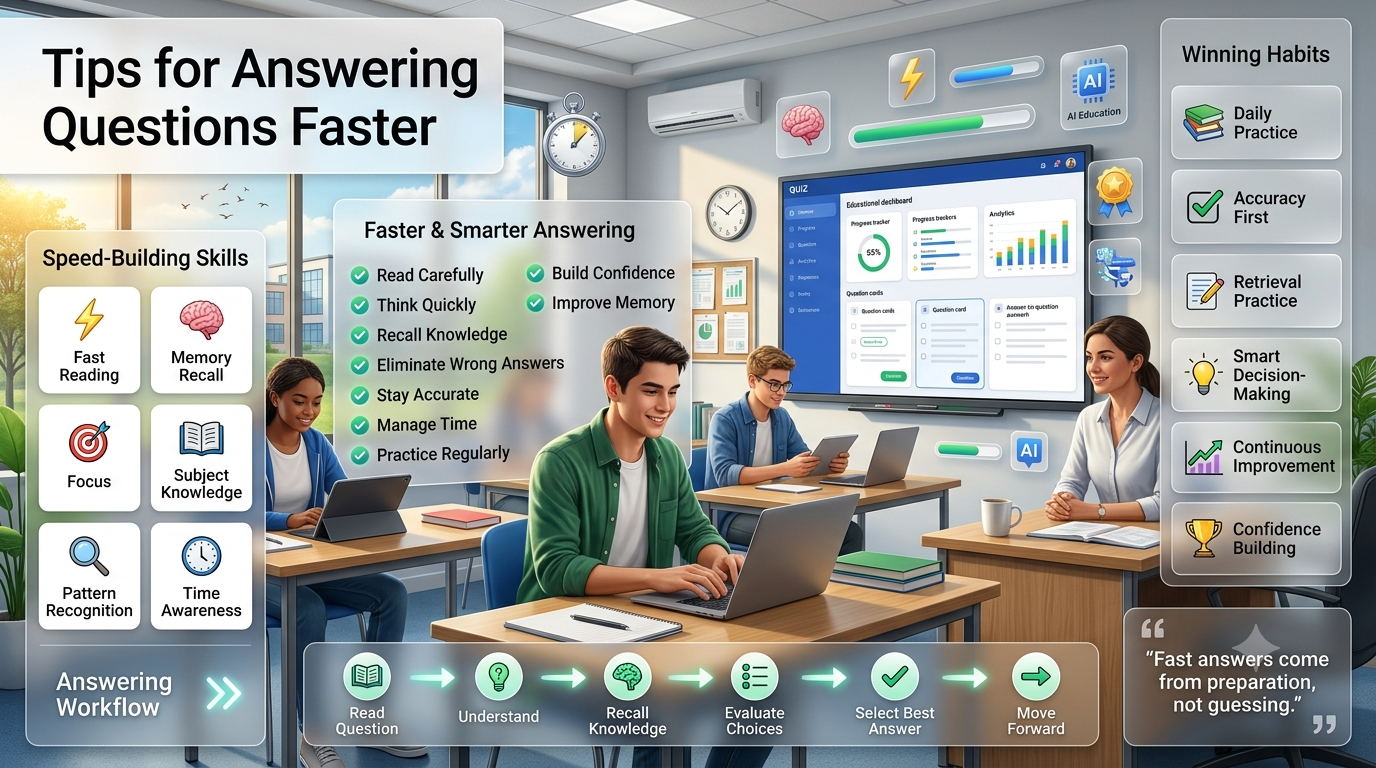
One of the easiest mistakes in classroom games is rewarding speed over understanding.
Students often rush to submit an answer before discussing the question, especially when a timer is visible.
Instead, encourage teams to pause and evaluate each option.
A simple routine can improve the quality of discussions:
Read the Question
        │
        ▼
Think Individually
        │
        ▼
Share Ideas
        │
        ▼
Discuss Evidence
        │
        ▼
Agree as a Team
        │
        ▼
Submit Answer
This process gives every student an opportunity to contribute before the team reaches a decision.
💡 Pro Tip: If your game platform allows adjustable timers, provide slightly more time for discussion when introducing new concepts. Faster rounds work better for revision after students are already familiar with the material.
Rotate Leadership Throughout the Activity
Assigning one permanent leader often creates an imbalance where the same student makes every decision.
Rotating leadership allows everyone to develop valuable skills such as:
Decision-making
Organization
Time management
Communication
Conflict resolution
Responsibility
For example:
Round
Team Leader
Round 1
Student A
Round 2
Student B
Round 3
Student C
Round 4
Student D
Over time, students become more confident in guiding discussions rather than relying on one outspoken classmate.
Reward Collaboration, Not Just Correct Answers
While points and leaderboards increase excitement, they should not become the only measure of success.
Teachers can also recognize behaviors that strengthen teamwork.
Examples include:
Helping a teammate understand a concept.
Listening respectfully.
Explaining reasoning clearly.
Encouraging quieter classmates.
Asking thoughtful questions.
Working through disagreements constructively.
When collaboration is valued alongside accuracy, students become more focused on learning than simply collecting points.
⭐ Expert Insight: Some educators include a small teamwork score in addition to academic performance. This reinforces that communication and cooperation are important classroom skills, not just game mechanics.
Encourage Evidence-Based Discussions
Students should learn to justify their answers rather than guessing.
Instead of saying:
“I think it’s B.”
Encourage responses like:
“I chose B because the text explains that…”
or
“The diagram suggests this answer because…”
This habit strengthens analytical thinking while improving classroom discussions.
Using Team-Based Gameplay Across Different Subjects
Team-based learning isn’t limited to one area of study.
With thoughtful planning, it can support nearly every subject.
Subject
Team-Based Activity Example
Mathematics
Solve multi-step problems together and compare solution methods
Science
Analyze experiments and interpret results as a group
History
Evaluate historical sources and debate key events
Geography
Complete map-based challenges collaboratively
Language Arts
Discuss reading comprehension and literary themes
Foreign Languages
Practice conversations and vocabulary games
Computer Science
Solve coding puzzles and debug programs together
Business Studies
Develop marketing or financial strategies in teams
Although the activities differ, the underlying skills—communication, reasoning, and collaboration—remain consistent.
Assessing Learning During Team Gameplay
A common misconception is that games replace assessment.
In reality, team-based gameplay can provide valuable insights into student understanding when teachers observe both the results and the learning process.
What Teachers Can Assess
Assessment Area
What to Observe
Content Knowledge
Accuracy of answers
Critical Thinking
Quality of reasoning
Collaboration
Participation from all members
Communication
Ability to explain ideas clearly
Problem Solving
Strategies used during discussions
Leadership
Organization and teamwork
Looking beyond the final score gives a more complete picture of student progress.
Formative vs. Summative Assessment
Team-based gameplay is especially effective for formative assessment, where the goal is to monitor learning and provide feedback during instruction.
Formative Assessment
Summative Assessment
Identifies learning gaps
Measures final achievement
Encourages discussion
Focuses on completed performance
Immediate feedback
Often delayed feedback
Low-pressure environment
Higher stakes evaluation
Supports ongoing improvement
Determines overall outcomes
Because students receive feedback while learning, teachers can address misconceptions before they become long-term problems.
Individual Accountability Within Teams
A common concern is whether some students rely too heavily on stronger teammates.
To avoid this, teachers can combine collaboration with individual accountability.
Effective strategies include:
Rotate responsibilities every round.
Ask different students to explain the team’s reasoning.
Include short individual reflection activities.
Use occasional individual questions alongside team challenges.
Observe participation during discussions.
This balance ensures that teamwork supports learning without allowing students to disengage.
Common Mistakes to Avoid
Even well-designed activities can become less effective if common pitfalls are ignored.
1. Creating Unbalanced Teams
Grouping all high-performing students together often results in uneven competition and fewer opportunities for peer learning.
Balanced teams generally create more meaningful discussions.
2. Prioritizing Speed Over Understanding
Fast answers do not always indicate deep learning.
Students should understand why an answer is correct rather than simply responding quickly.
3. Ignoring Quiet Students
Some learners naturally participate less during group discussions.
Teachers should actively encourage these students by:
rotating speaking opportunities,
assigning meaningful roles,
asking direct but supportive questions.
4. Overusing Competitive Elements
Competition increases excitement, but excessive focus on rankings can discourage students who struggle academically.
Healthy competition should support learning—not replace it.
5. Skipping Reflection
Many teachers end the activity as soon as the leaderboard appears.
However, the reflection stage often provides the greatest educational value.
Reviewing difficult questions together helps students understand misconceptions and strengthen long-term retention.
⚠ Common Mistake: Avoid ending a lesson immediately after announcing the winning team. Spend a few minutes discussing why certain answers were correct and what strategies helped teams succeed.
Troubleshooting Common Classroom Challenges
Even experienced educators occasionally encounter issues during collaborative games.
The following table outlines common problems and practical solutions.
Problem
Possible Cause
Recommended Solution
Students argue frequently
Poor communication
Teach respectful discussion techniques
One student answers everything
Dominant personality
Rotate speaking roles
Teams lose focus
Activity is too long
Break into shorter rounds
Students guess randomly
Timer is too short
Increase discussion time
Low participation
Lack of clear roles
Assign responsibilities before starting
Technology issues
Internet or device problems
Prepare offline backup activities
Planning for these situations in advance helps maintain a productive learning environment.
Team-Based Gameplay vs. Individual Gameplay
Both collaborative and individual learning have important roles in education.
The best choice depends on the lesson objectives rather than personal preference.
Feature
Team-Based Gameplay
Individual Gameplay
Collaboration
Excellent
Limited
Communication Skills
High
Low
Peer Learning
Strong
Minimal
Independent Assessment
Moderate
Excellent
Confidence Building
Strong for many learners
Varies by student
Critical Discussion
Frequent
Rare
Personal Accountability
Shared
Individual
Competition
Team-focused
Personal
When to Choose Team-Based Gameplay
Choose collaborative play when your goal is to:
Encourage discussion.
Build teamwork skills.
Reinforce recently taught concepts.
Improve classroom engagement.
Develop communication abilities.
Support peer learning.
When Individual Gameplay Is Better
Independent activities are often more appropriate when:
Measuring individual understanding.
Conducting formal assessments.
Identifying personal learning gaps.
Practicing independent problem-solving.
Preparing students for individual exams.
📌 Quick Note: These approaches are not competitors. Many successful teachers alternate between team-based and individual gameplay to balance collaboration with personal accountability.
Decision Matrix: Which Approach Should You Use?
Classroom Situation
Recommended Approach
Reason
Lesson Introduction
Individual + Discussion
Establish baseline understanding
Mid-Lesson Practice
Team-Based Gameplay
Encourage collaboration and peer learning
End-of-Unit Review
Team-Based Gameplay
Reinforce concepts through discussion
Formal Assessment
Individual Gameplay
Measure each student’s understanding
Revision Week
Mostly Team-Based
Increase engagement before exams
Homework Review
Team-Based
Students explain solutions together
Skill Mastery Check
Individual
Verify independent competency
Using the right format at the right time leads to stronger learning outcomes than relying exclusively on one method.
Expert Recommendations for Long-Term Success
Teachers who consistently achieve positive results with team-based gameplay often follow a few guiding principles:
Clearly explain learning objectives before starting.
Keep teams balanced and inclusive.
Rotate roles regularly.
Encourage respectful discussion.
Focus on reasoning rather than memorization.
Celebrate collaboration as well as achievement.
Review misconceptions after every activity.
Gather student feedback to improve future sessions.
These practices create a classroom culture where teamwork becomes a natural part of learning rather than an occasional activity.
Professional Recommendations & Expert Reviews
Team-Based Gameplay Explained introduces the fundamentals of working together toward a shared objective.
Team-Based Gameplay Explained highlights the importance of communication during every match.
Team-Based Gameplay Explained encourages players to support teammates throughout the game.
Team-Based Gameplay Explained shows how teamwork improves overall performance.
Team-Based Gameplay Explained helps players understand the value of shared strategies.
Team-Based Gameplay Explained encourages every team member to participate actively.
Team-Based Gameplay Explained demonstrates how coordination leads to better results.
Team-Based Gameplay Explained helps teams make smarter decisions under pressure.
Team-Based Gameplay Explained encourages players to recognize each teammate’s strengths.
Team-Based Gameplay Explained supports better collaboration during competitive matches.
Team-Based Gameplay Explained helps improve communication between teammates.
Team-Based Gameplay Explained encourages planning before the game begins.
Team-Based Gameplay Explained demonstrates the value of consistent teamwork.
Team-Based Gameplay Explained helps players adapt strategies as the match progresses.
Team-Based Gameplay Explained encourages respectful cooperation during gameplay.
Team-Based Gameplay Explained supports stronger team coordination.
Team-Based Gameplay Explained helps players contribute toward common goals.
Team-Based Gameplay Explained encourages thoughtful decision-making instead of rushing.
Team-Based Gameplay Explained demonstrates that teamwork builds confidence.
Team-Based Gameplay Explained helps improve overall game awareness.
Team-Based Gameplay Explained encourages players to remain focused until the match ends.
Team-Based Gameplay Explained supports balanced participation across the entire team.
Team-Based Gameplay Explained helps reduce mistakes through effective communication.
Team-Based Gameplay Explained encourages positive attitudes during competitive games.
Team-Based Gameplay Explained demonstrates how trust strengthens team performance.
Team-Based Gameplay Explained helps players learn from every completed match.
Team-Based Gameplay Explained encourages flexible thinking when challenges arise.
Team-Based Gameplay Explained supports stronger cooperation through regular practice.
Team-Based Gameplay Explained encourages players to celebrate team achievements together.
Team-Based Gameplay Explained supports positive learning through shared experiences.
Team-Based Gameplay Explained helps players improve teamwork with regular practice.
Team-Based Gameplay Explained encourages teams to review successful strategies after each game.
Team-Based Gameplay Explained demonstrates that adaptability improves team performance.
Team-Based Gameplay Explained helps players remain committed to shared objectives.
Team-Based Gameplay Explained encourages confidence through consistent collaboration.
Team-Based Gameplay Explained supports stronger decision-making with team input.
Team-Based Gameplay Explained demonstrates that communication and coordination are essential for success.
Team-Based Gameplay Explained ultimately shows that trust, communication, strategic planning, adaptability, shared responsibility, and consistent collaboration enable teams to perform effectively, solve challenges together, and achieve greater success in every Gimkit match.
Most Frequently Asked Faqs
Looking Ahead: The Future of Team-Based Gameplay
Educational technology continues to evolve, and collaborative gameplay is expected to become even more interactive.
Emerging trends include:
AI-assisted learning support that provides personalized hints without replacing student discussion.
Adaptive game experiences that adjust question difficulty based on team performance.
Cross-classroom collaboration connecting students from different schools or regions.
More detailed learning analytics to help teachers identify participation patterns and knowledge gaps.
Greater integration of collaborative game mechanics into hybrid and remote learning environments.
While technology will continue to improve, the core principle of team-based gameplay will remain the same: students learn more effectively when they actively think, communicate, and solve problems together.
What is team-based gameplay, and why is it important in education?
Team-based gameplay is a learning approach where students work together to complete challenges, answer questions, or achieve shared goals instead of competing individually. In educational settings, it encourages collaboration, communication, and critical thinking while making lessons more engaging. Rather than focusing only on getting the correct answer, students discuss ideas, explain their reasoning, and learn from one another. This process helps build a deeper understanding of the subject and creates a more supportive classroom environment where every student has an opportunity to contribute. Key Points Encourages active participation instead of passive learning. Improves teamwork and communication skills. Helps students learn through peer discussion. Builds confidence by reducing the pressure of individual competition. Supports problem-solving and critical thinking across different subjects.
How can teachers make team-based gameplay fair for all students?
Fair team-based gameplay starts with thoughtful planning. Instead of allowing students to form groups based only on friendships, teachers should create balanced teams with a mix of abilities, learning styles, and personalities. Assigning rotating roles—such as team leader, recorder, or timekeeper—ensures everyone has a meaningful responsibility. It’s equally important to assess both teamwork and individual understanding so that every student remains accountable while benefiting from collaboration. Key Points Create balanced teams rather than random or self-selected groups. Rotate responsibilities so every student participates. Reward collaboration, not just winning. Monitor discussions to ensure quieter students are involved. Combine team activities with occasional individual assessments.
What are the biggest benefits of team-based gameplay for students?
The greatest advantage of team-based gameplay is that it combines academic learning with essential life skills. Students don’t just memorize information—they practice explaining ideas, listening to others, solving problems together, and making group decisions. These experiences improve confidence, strengthen communication, and prepare learners for collaborative environments beyond the classroom. Over time, students become more engaged because learning feels interactive rather than repetitive. Key Points Strengthens communication and interpersonal skills. Encourages critical and analytical thinking. Promotes peer learning and knowledge sharing. Increases classroom engagement and motivation. Develops leadership and collaborative problem-solving abilities.
When should teachers use team-based gameplay instead of individual gameplay?
Team-based gameplay works best when the objective is discussion, collaboration, or concept reinforcement. It is particularly effective during lesson reviews, revision sessions, project-based learning, and classroom activities where students benefit from sharing ideas. Individual gameplay, however, remains the better choice for formal assessments or situations where teachers need to measure each student’s independent understanding. Using both methods strategically creates a balanced learning experience. Key Points Use team gameplay for review sessions and collaborative learning. Choose individual gameplay for quizzes and formal assessments. Alternate between both approaches throughout a unit. Match the game format to the learning objective. Balance collaboration with individual accountability.
What are the most common mistakes to avoid in team-based gameplay?
One of the most common mistakes is assuming that simply placing students in groups guarantees effective collaboration. Without clear roles and expectations, some students may dominate discussions while others contribute very little. Another issue is focusing too heavily on speed and competition, which can encourage guessing instead of thoughtful reasoning. Successful team-based gameplay emphasizes meaningful discussion, equal participation, and post-game reflection rather than just the final leaderboard. Key Points Avoid creating unbalanced teams. Don’t reward speed over understanding. Prevent one student from dominating the discussion. Always include a reflection session after the activity. Focus on learning outcomes instead of only competition.
Conclusion
Team-based gameplay is much more than a classroom activity or a fun way to review lessons—it is a collaborative learning strategy that helps students develop both academic knowledge and essential life skills. By encouraging communication, critical thinking, problem-solving, and shared responsibility, it transforms traditional learning into an engaging experience where students actively participate instead of simply memorizing information.
When implemented thoughtfully, team-based gameplay creates an environment where every student has the opportunity to contribute, learn from peers, and build confidence through collaboration. Teachers can maximize its effectiveness by forming balanced teams, assigning meaningful roles, promoting respectful discussions, and using gameplay to reinforce—not replace—quality instruction. The goal should always be meaningful learning rather than simply identifying a winning team.
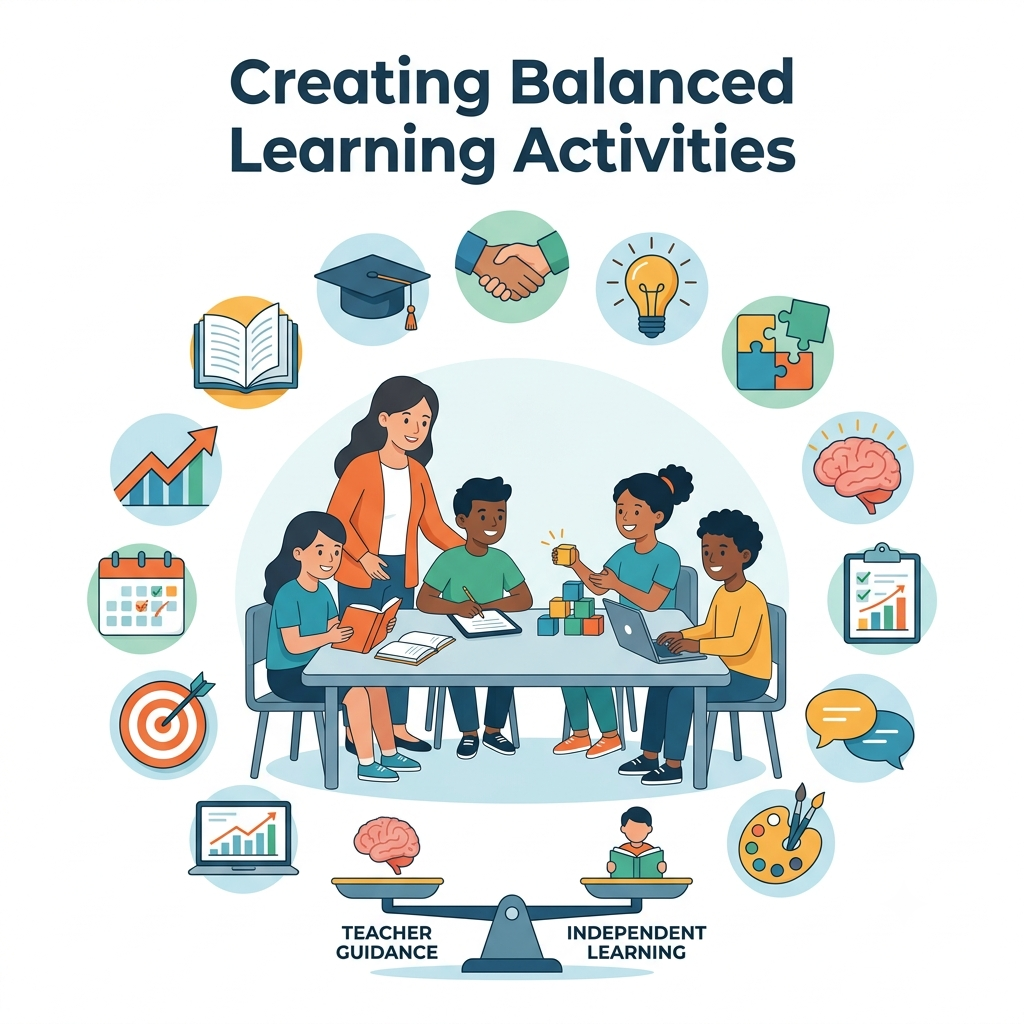
It’s also important to recognize that team-based gameplay works best when combined with individual learning opportunities. While collaborative activities strengthen teamwork and peer learning, independent assessments help teachers measure personal understanding and ensure individual accountability. A balanced approach allows educators to enjoy the advantages of both methods while supporting different learning styles and classroom objectives.
As educational technology continues to evolve, team-based gameplay will likely become an even more valuable part of modern teaching. Whether used in digital learning platforms, classroom review sessions, project-based activities, or interactive assessments, its core purpose remains the same: helping students learn together in a way that is engaging, practical, and meaningful.
Ultimately, the success of team-based gameplay isn’t measured by the number of points earned or the position on a leaderboard. It’s measured by the quality of discussions, the confidence students gain, the collaboration they practice, and the deeper understanding they carry beyond the game. When learning becomes a shared experience, students not only achieve better academic outcomes but also develop the teamwork and communication skills that will benefit them throughout their education and future careers.