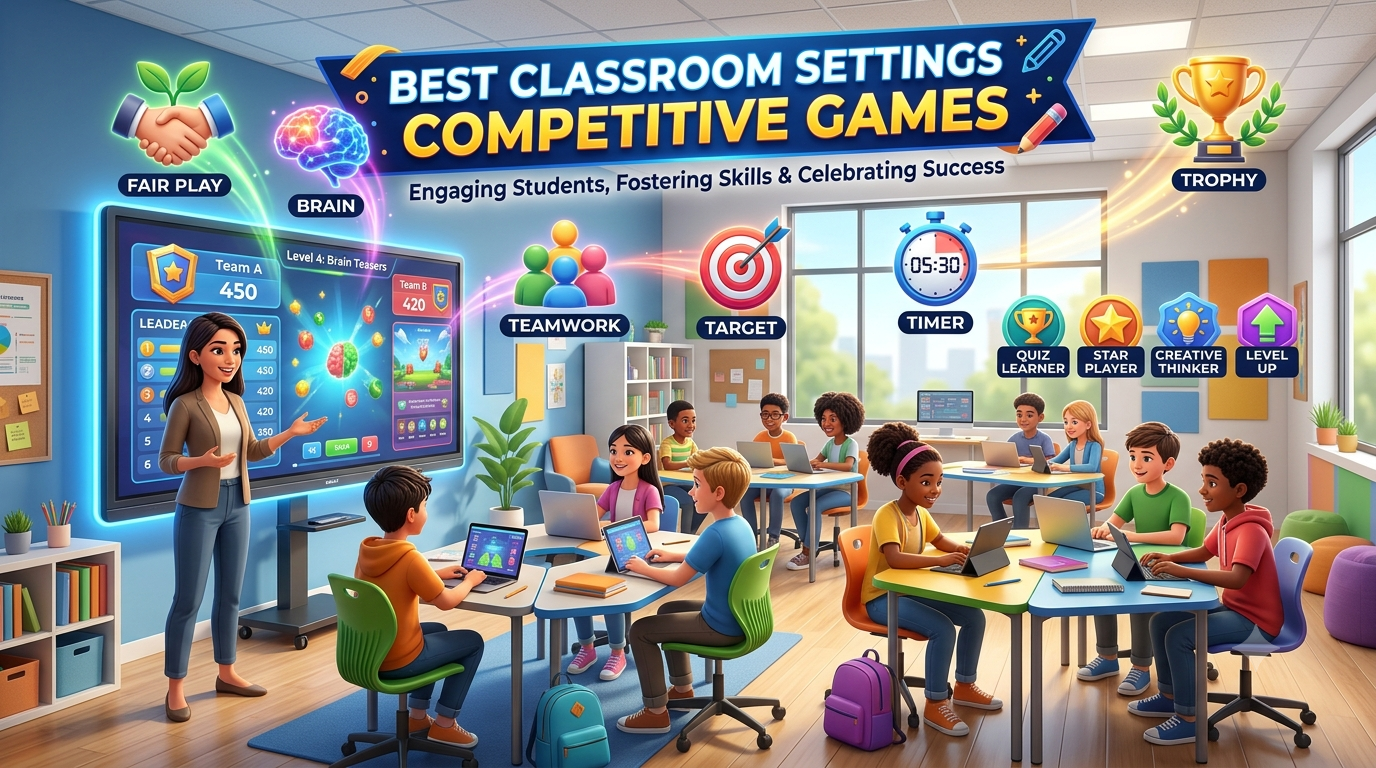
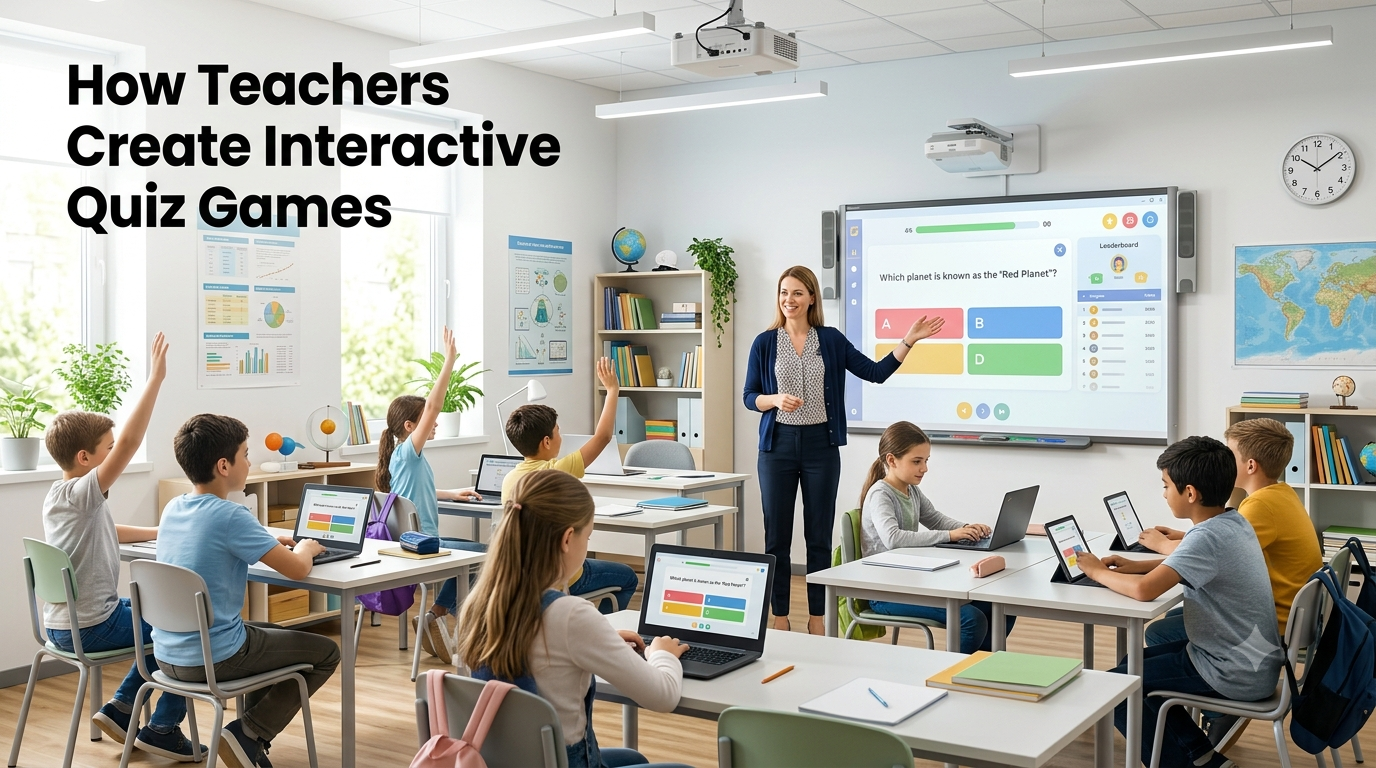
Best Classroom Settings for Competitive Games that are most effective when the learning environment encourages fair play, active participation, and meaningful engagement rather than simply rewarding speed or chance.
⚖️ Balance Challenge & Accessibility – Create a classroom environment where every student can participate while keeping the competition fun, fair, and educational.
🤝 Encourage Equal Participation – Ensure all students have opportunities to contribute, regardless of their skill level.
🎮 Keep Learning Enjoyable – Maintain a healthy competitive atmosphere that supports both engagement and education.
🧑🏫 Improve Classroom Management – Well-planned settings help teachers maintain better classroom control and minimize distractions.
🎯 Align with Learning Goals – Configure game settings to match specific educational objectives and desired learning outcomes.
🕹️ Choose the Right Game Setup – Whether using Gimkit, Kahoot, Blooket, Quizizz, or other educational game platforms, your classroom configuration plays a crucial role.
⏱️ Focus on Key Settings – Decisions such as team organization, time limits, question pacing, and classroom expectations directly influence gameplay.
🚀 Boost Student Motivation – Thoughtful settings increase engagement and encourage active participation.
🤝 Promote Collaboration – Well-structured games support teamwork and positive student interaction.
🧠 Improve Knowledge Retention – Effective classroom configurations help students better understand and remember what they learn.
📚 Suitable for All Education Levels – These recommendations can be applied in elementary, middle school, high school, and higher education classrooms.
Explore the latest classroom resources, expert tutorials, and educational technology insights on GimkitApp, your complete destination for everything related to Gimkit and modern learning tools.
Why Classroom Settings Matter in Competitive Learning
Classroom settings shape how students interact with educational games, their classmates, and the learning material. A carefully organized environment creates healthy competition that motivates students without causing unnecessary stress or frustration.
Instead of focusing only on winning, effective classroom settings encourage students to think critically, answer accurately, and collaborate respectfully. Teachers who establish clear expectations before launching a competitive game often experience better participation, fewer behavior issues, and improved lesson outcomes.
Competitive games become far more valuable when classroom management, instructional goals, and game mechanics work together.
Direct Answer: The best classroom settings encourage fairness, participation, collaboration, and focused learning while minimizing distractions and maintaining an enjoyable competitive atmosphere.
Characteristics of an Effective Competitive Classroom
An effective competitive classroom is organized before gameplay begins. Students understand the rules, know the learning objectives, and feel comfortable participating regardless of their skill level.
Some of the most successful competitive classrooms share several common characteristics.
Classroom Element
Why It Matters
Recommended Practice
Clear Rules
Reduces confusion
Explain expectations before starting
Balanced Competition
Encourages participation
Mix ability levels when creating teams
Visible Timer
Maintains pacing
Keep rounds consistent
Classroom Layout
Reduces distractions
Ensure every student can view the screen
Positive Reinforcement
Improves motivation
Celebrate effort as well as achievement
Teacher Monitoring
Supports fairness
Observe gameplay throughout the session
These foundational elements help students remain focused on learning instead of becoming distracted by competition alone.
Align Game Settings With Learning Objectives
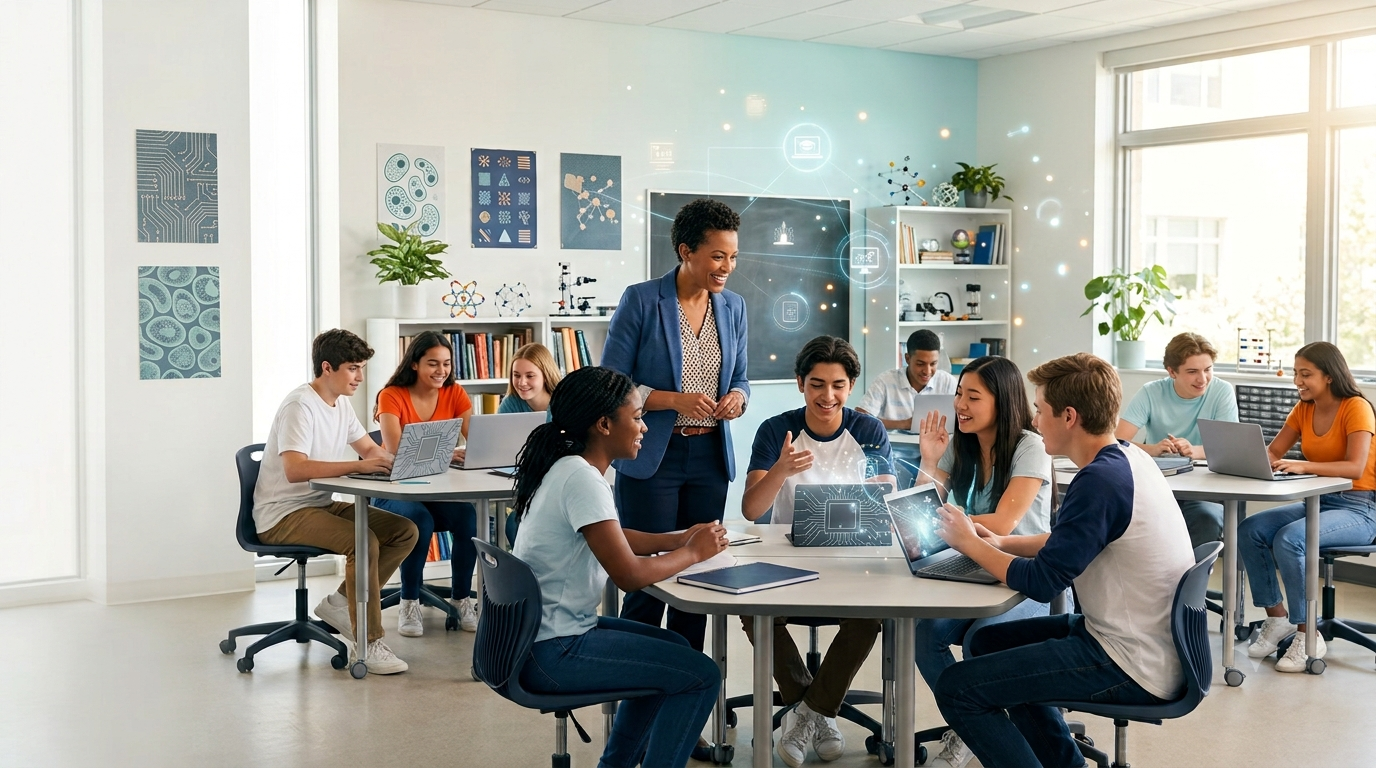
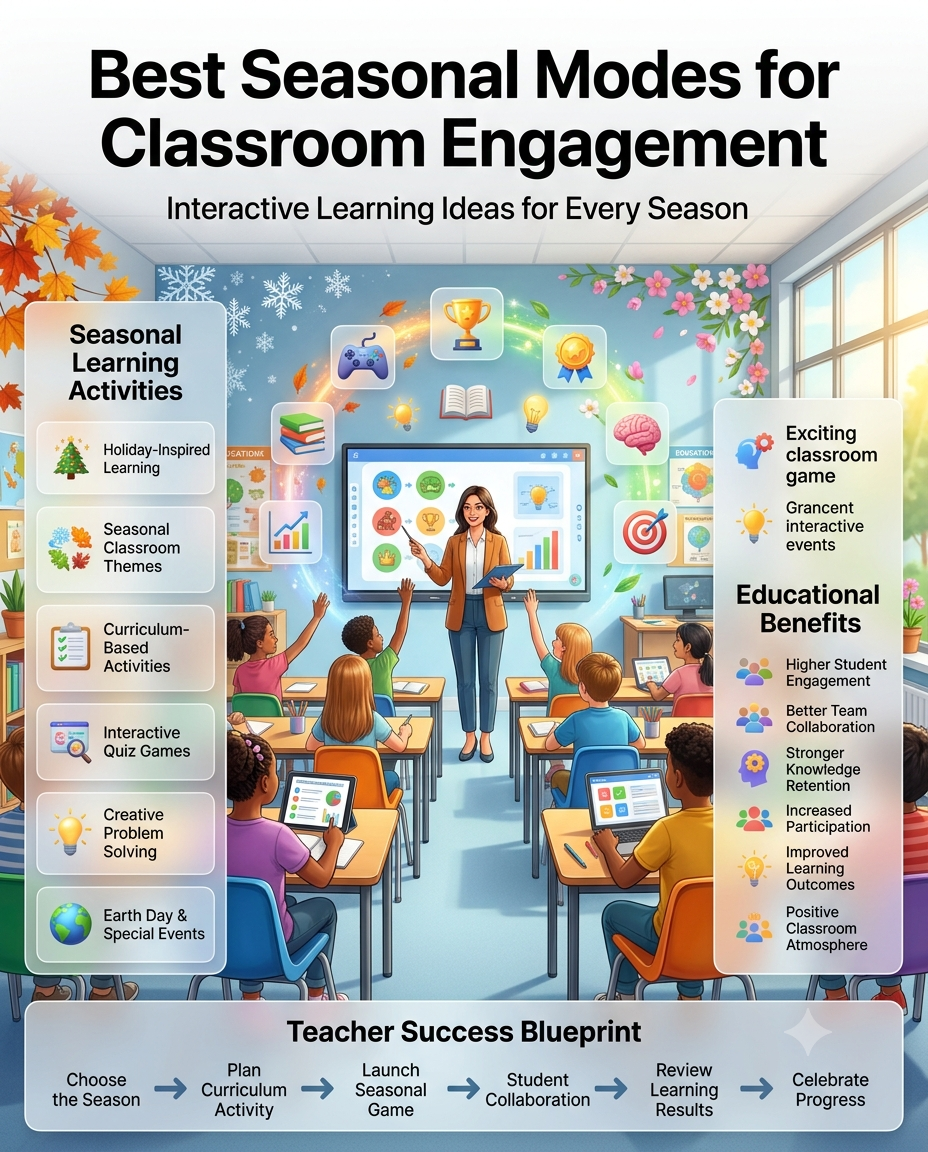
A premium educational illustration showcasing how teachers can optimize classroom settings to improve engagement, collaboration, fairness, and learning outcomes during competitive educational games.
Every competitive game should support a specific educational purpose rather than serving only as entertainment.
Before choosing classroom settings, teachers should identify what students are expected to learn during the activity. Review sessions, formative assessments, vocabulary practice, and concept reinforcement may each require different game configurations.
For example, a fast-paced science review may benefit from shorter rounds and quicker question timing, while a mathematics lesson involving multi-step problem solving often works better with extended response times.
Matching classroom settings to instructional goals ensures that competition strengthens learning instead of distracting from it.
Choose the Right Classroom Layout
The physical classroom environment influences communication, collaboration, and student focus during competitive games.
Traditional Rows
Rows help students concentrate individually and minimize off-task conversations. This arrangement is particularly effective for individual competitions or assessment-based review games.
Small Group Tables
Grouped seating encourages teamwork, discussion, and collaborative problem-solving. Team-based educational games often become more engaging when students can communicate naturally with their teammates.
U-Shaped Arrangement
A U-shaped classroom allows teachers to observe all participants easily while maintaining visibility of the main display.
Flexible Seating
Flexible learning environments can work well when classroom expectations are clearly established before gameplay begins.
💡 Pro Tip: Arrange seating before opening the game platform to avoid unnecessary interruptions once the competition begins.
Create Balanced Teams
Team composition significantly affects both classroom engagement and competitive fairness.
Rather than allowing students to form teams exclusively with close friends, teachers often achieve better results by creating balanced groups that include a variety of skill levels, learning styles, and personalities.
Balanced teams encourage peer learning while preventing one group from dominating every round.
Best Practices for Team Formation
Mix academic abilities.
Balance confident and quieter students.
Rotate teams regularly.
Avoid isolating struggling learners.
Encourage respectful communication.
Students frequently learn as much from discussing answers with teammates as they do from answering the questions themselves.
Establish Clear Rules Before the Game Begins
Competitive classrooms function more smoothly when expectations are communicated before gameplay starts.
Important classroom rules may include:
Respect all participants.
No shouting answers.
Stay focused on your own device.
Celebrate good sportsmanship.
Follow teacher instructions immediately.
Keep discussions respectful.
Accept both victories and losses positively.
Clear expectations reduce classroom management issues while helping students remain focused throughout the activity.
Set Appropriate Time Limits
Question timing influences both classroom energy and learning effectiveness.
Very short timers reward speed but may disadvantage thoughtful learners or students who require additional processing time.
Longer timers encourage careful thinking but can reduce excitement if they become excessive.
The ideal response time depends on:
Student age
Subject difficulty
Reading level
Classroom experience
Learning objective
Elementary classrooms generally benefit from slightly longer timers than advanced secondary classrooms, particularly when questions involve substantial reading.
Balance Competition With Collaboration
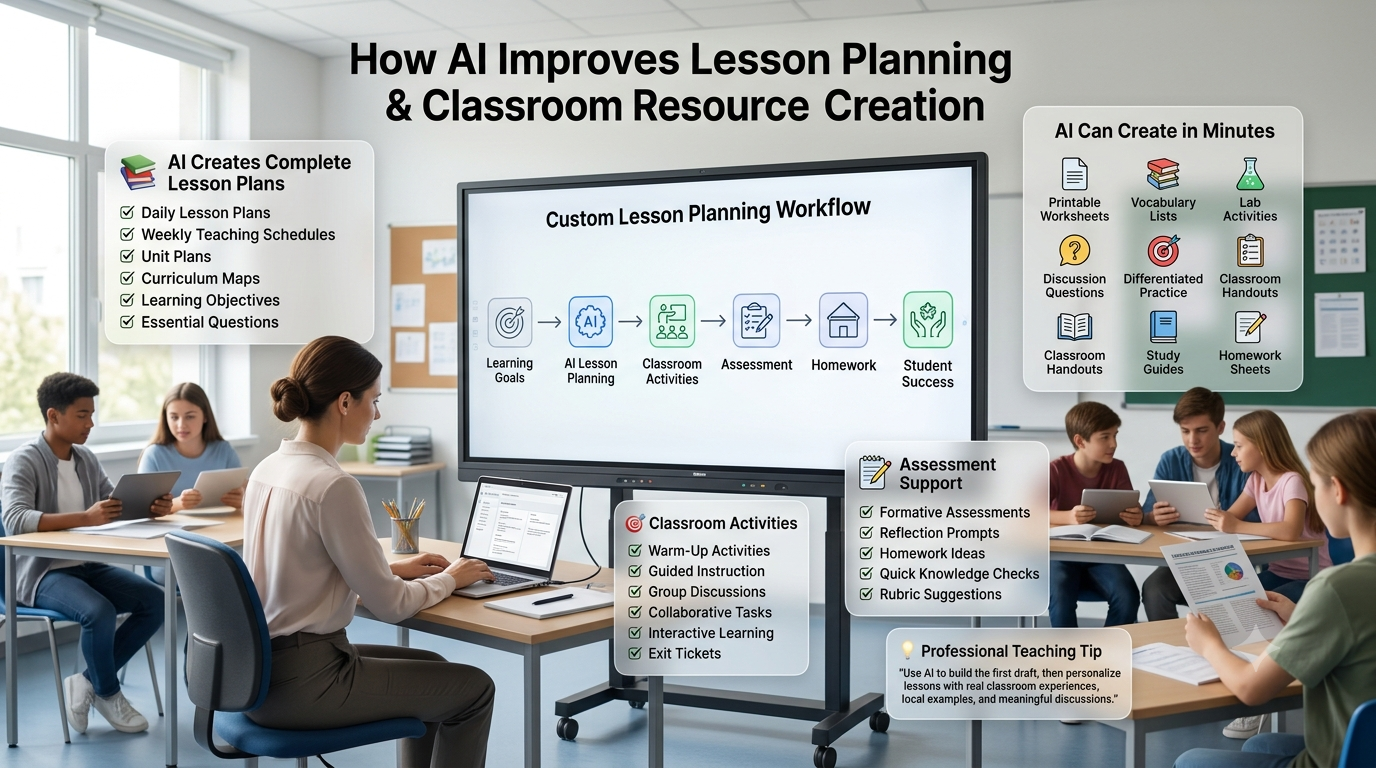
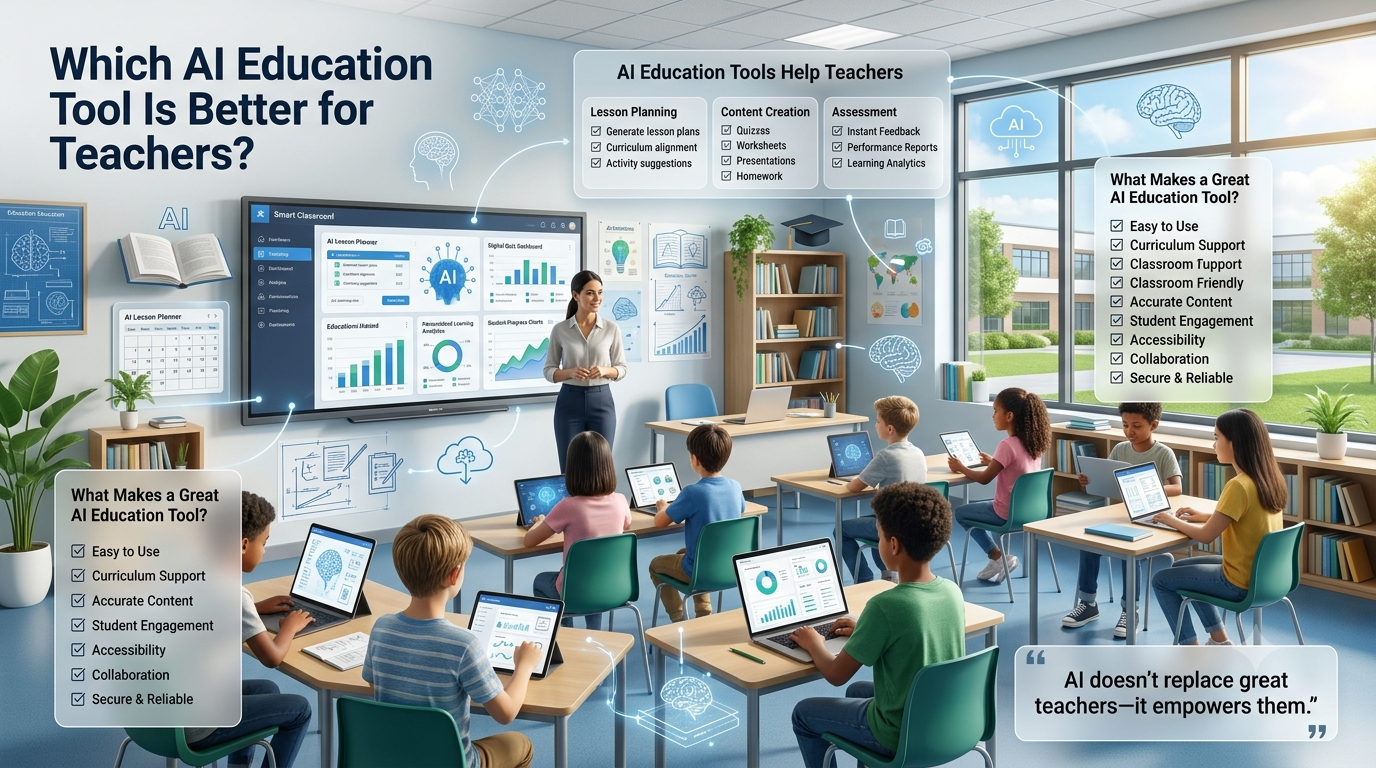
A premium educational illustration showcasing how balanced competition, collaboration, positive classroom culture, and thoughtful teaching practices create meaningful learning experiences during competitive educational games.
Healthy competition motivates students, but excessive emphasis on rankings can discourage participation.
Teachers often achieve stronger educational outcomes by combining competitive gameplay with collaborative learning opportunities.
For example:
Team discussions before answering.
Reflection after each round.
Class review of challenging questions.
Peer explanations of correct answers.
This balance helps transform competition into a meaningful learning experience.
⭐ Expert Insight: Students frequently remember concepts longer when they explain answers to classmates after a competitive round.
Encourage Positive Classroom Culture
The atmosphere surrounding competitive games influences student confidence just as much as game settings.
Teachers should consistently recognize:
Improvement
Persistence
Teamwork
Creative thinking
Problem-solving
Respectful behavior
Celebrating only first-place winners may unintentionally reduce motivation for other students. Recognizing multiple forms of success creates a more inclusive classroom environment.
Minimize Classroom Distractions
Even engaging educational games lose effectiveness when students become distracted.
Consider these strategies:
Silence unrelated devices.
Close unnecessary browser tabs.
Display only essential instructional materials.
Reduce classroom noise.
Position students for clear screen visibility.
A distraction-free environment allows students to focus their attention on both the game and the lesson objectives.
Adjust Difficulty to Match Student Ability
Competitive games are most effective when questions provide an appropriate level of challenge.
Questions that are too easy reduce engagement, while overly difficult questions may discourage participation.
Teachers can improve learning outcomes by gradually increasing difficulty throughout the session, allowing students to build confidence before tackling more advanced concepts.
This progressive approach supports learners with different skill levels while maintaining classroom interest.
Monitor Student Engagement Throughout the Game
Successful teachers actively observe classroom dynamics instead of focusing solely on the game dashboard.
Signs of healthy engagement include:
Active participation
Constructive discussions
Positive teamwork
Consistent attention
Respectful competition
If students appear frustrated, confused, or disengaged, adjusting pacing or pausing briefly for clarification can restore focus without interrupting learning momentum.
Use Post-Game Discussions to Reinforce Learning
The learning process should continue after the final leaderboard appears.
A short classroom discussion helps students reflect on:
Questions they found difficult.
Common misconceptions.
Effective problem-solving strategies.
Areas requiring additional practice.
These conversations often reveal valuable insights that traditional assessments might overlook while helping students connect gameplay with long-term understanding.
For the latest gaming news, expert reviews, and walkthroughs, readers can also visit IGN, one of the world’s leading gaming websites.
Common Mistakes to Avoid
Even experienced educators occasionally overlook classroom factors that reduce the effectiveness of competitive games.
Common Mistake
Potential Impact
Better Approach
Overemphasizing winning
Increased anxiety
Reward effort and improvement
Unbalanced teams
Unequal participation
Create mixed-ability groups
Poor instructions
Student confusion
Explain expectations first
Timers that are too short
Rushed responses
Match timing to question complexity
Ignoring classroom behavior
Reduced learning
Monitor participation continuously
Skipping review
Missed learning opportunities
Discuss key questions afterward
Avoiding these issues helps maintain both educational value and classroom enjoyment.
Professional Recommendations for Competitive Classrooms
Experienced educators consistently recommend viewing competitive games as instructional tools rather than standalone activities.
Some of the most effective practices include:
Begin with clear learning objectives.
Keep classroom expectations consistent.
Balance competition with collaboration.
Rotate team members periodically.
Encourage respectful communication.
Adjust settings based on student needs.
Review difficult questions after gameplay.
Focus on learning progress instead of leaderboard positions alone.
When these practices become part of regular classroom routines, competitive games can significantly improve student engagement while reinforcing meaningful learnings.
Expert Thoughts
The best classroom settings for competitive games are those that place learning at the center of every decision. Well-balanced teams, thoughtful game configurations, clear expectations, appropriate pacing, and a supportive classroom culture create an environment where students enjoy healthy competition while developing deeper understanding of the subject matter.
Rather than relying solely on excitement or leaderboards, effective teachers use competitive games as structured learning experiences that encourage collaboration, critical thinking, and continuous improvement. With careful planning and intentional classroom management, competitive educational games can become one of the most engaging and productive teaching strategies available today.
Choosing the Best Game Mode for Competitive Classrooms
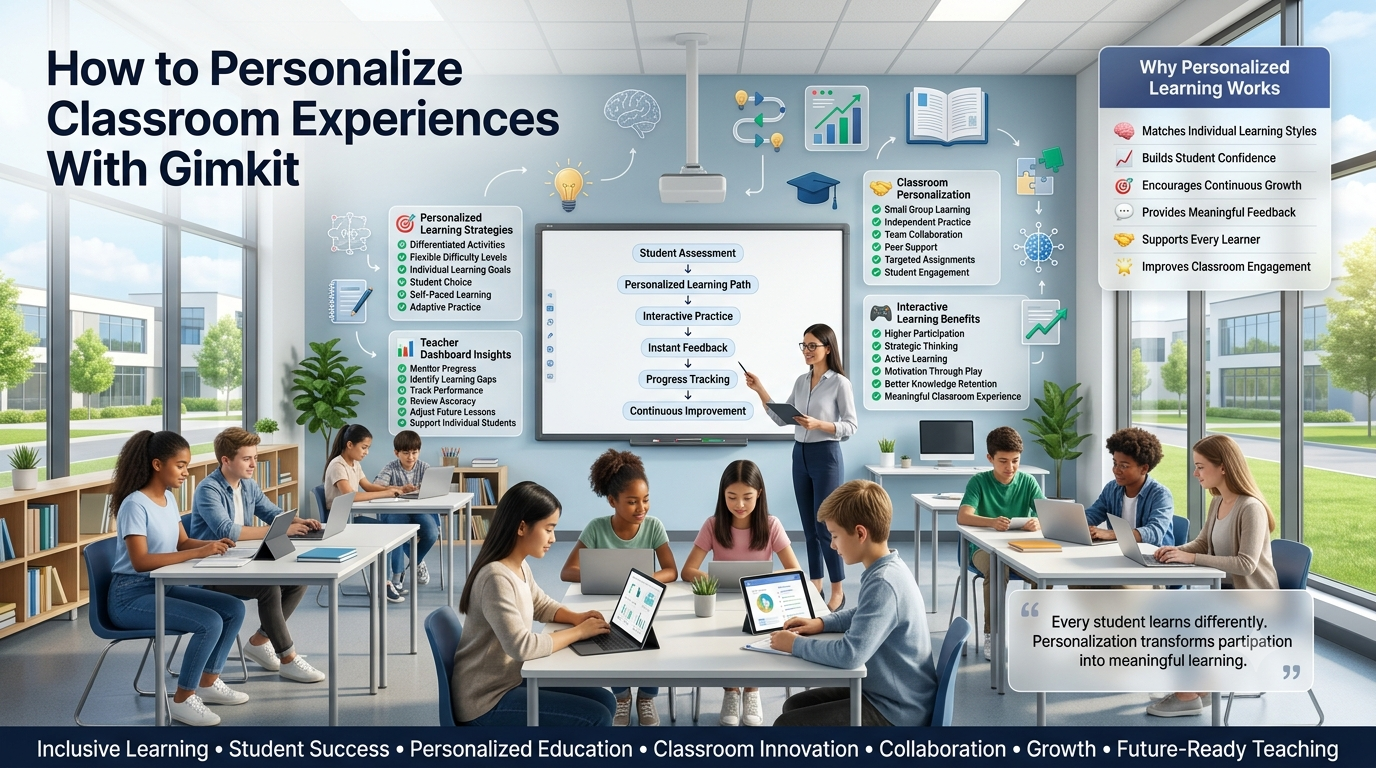
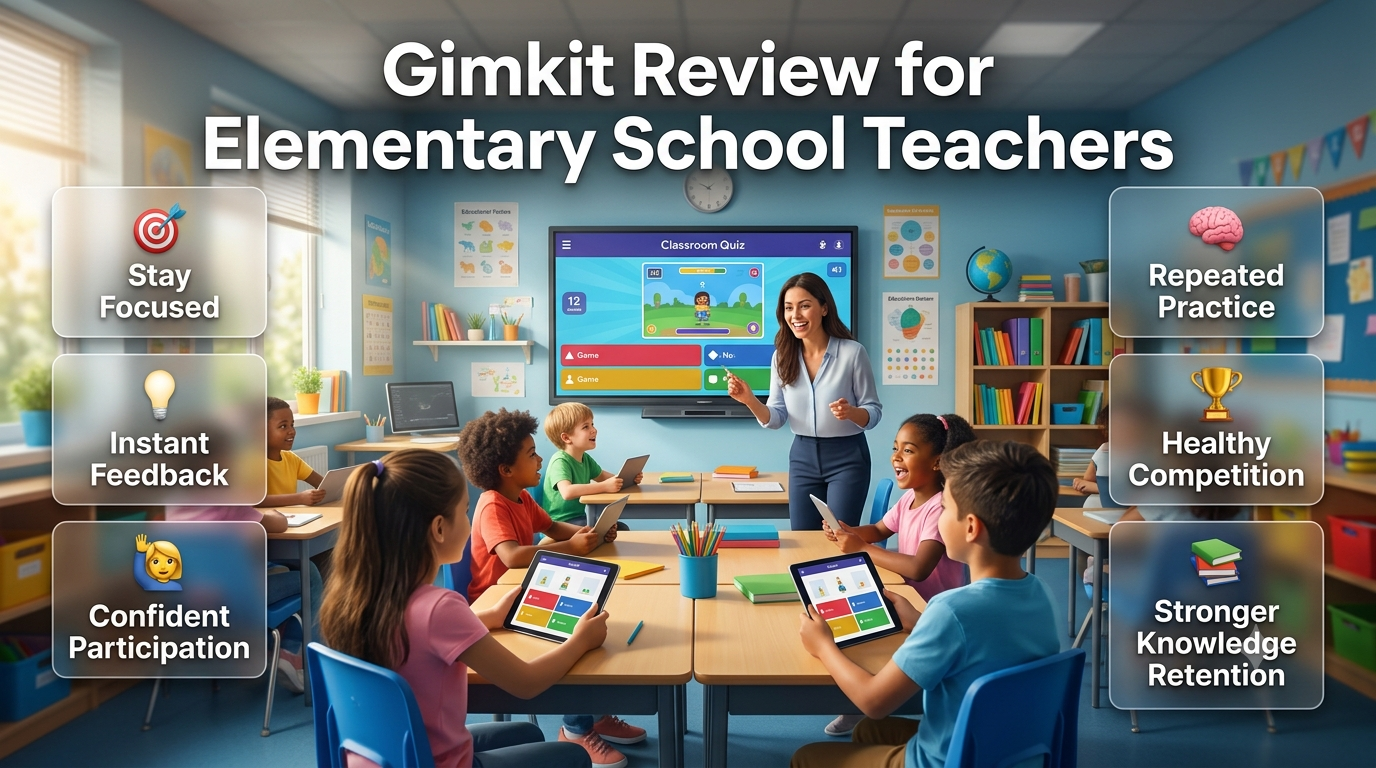
A premium educational illustration highlighting how teachers can select the most effective game modes to match learning objectives, classroom activities, and student engagement.
Selecting the right game mode is just as important as choosing the right questions. Different classroom objectives require different competitive formats, and no single mode works best for every lesson. Teachers should match the game mode to the subject, available class time, student age, and desired learning outcome rather than simply using the default option.
For quick review sessions before a quiz, fast-paced individual competitions often keep students engaged and encourage rapid recall. When the goal is deeper understanding or collaborative problem-solving, team-based modes usually produce stronger discussions and allow students to learn from one another. Some game modes also introduce strategic elements, requiring students to make decisions in addition to answering questions correctly, which can increase engagement when used appropriately.
Recommended Game Modes for Different Classroom Goals
Classroom Goal
Recommended Competition Style
Why It Works
Lesson Review
Individual Competition
Encourages independent recall and identifies learning gaps.
Team Collaboration
Team-Based Games
Promotes discussion, communication, and peer learning.
Vocabulary Practice
Fast-Paced Modes
Reinforces quick recognition and memory.
Exam Preparation
Balanced Individual Play
Helps students practice under realistic conditions.
Mixed-Ability Classes
Cooperative Team Competition
Gives every student an opportunity to contribute.
End-of-Unit Review
Strategic Competitive Modes
Combines knowledge with decision-making to maintain engagement.
The best results come from rotating game modes throughout the school term. Variety keeps students interested while exposing them to different ways of learning and collaborating.
💡 Pro Tip: Avoid using the same competitive format every week. Rotating between individual, team, and strategy-focused modes helps maintain enthusiasm and prevents students from relying on a single gameplay approach.
Consider Student Experience Levels
Students who are new to competitive educational games may feel overwhelmed by complex mechanics or advanced strategies. Starting with straightforward game modes allows them to focus on learning the platform and understanding the content before introducing more competitive features.
As students become familiar with classroom routines, teachers can gradually incorporate game modes that require greater collaboration, strategic thinking, or resource management. This gradual progression builds confidence while keeping gameplay challenging and enjoyable.
Match Competition to Classroom Size
Class size also affects which settings work best. Smaller classrooms often allow for more discussion-based competitions where every student participates actively. Larger classes may benefit from structured individual competitions or organized teams that simplify classroom management while ensuring all students remain engaged.
Regardless of class size, the most effective competitive games maintain a balance between excitement and educational value. When the chosen game mode supports the lesson objective and classroom environment, students are more likely to stay focused, participate confidently, and retain what they learn long after the competition ends.
Managing Classroom Time During Competitive Games
Time management plays a major role in the success of competitive classroom games. Even the most engaging activity can lose its educational value if it runs too long, feels rushed, or interrupts the overall lesson plan. Teachers who allocate time strategically create a smoother experience that keeps students engaged while ensuring learning objectives remain the primary focus.
Instead of dedicating an entire lesson to gameplay, many educators divide competitive activities into smaller segments. A brief review before introducing new material, a mid-lesson knowledge check, or a closing challenge can reinforce learning without overwhelming students. This approach also provides opportunities to discuss answers, clarify misconceptions, and connect game results with classroom instruction.
Suggested Time Allocation for Competitive Lessons
Lesson Stage
Recommended Time
Purpose
Introduction and Rules
3–5 minutes
Explain objectives, expectations, and game mechanics.
Competitive Gameplay
10–20 minutes
Allow students to apply their knowledge through active participation.
Answer Review
5–10 minutes
Discuss difficult questions and correct misunderstandings.
Reflection and Feedback
3–5 minutes
Encourage students to evaluate their learning and teamwork.
While these time frames work well for many classrooms, teachers should adjust them based on student age, lesson complexity, and available class time.
Keep the Competition Moving
Long pauses between questions or technical delays can reduce excitement and make students lose focus. Preparing classroom technology, checking internet connectivity, and opening required materials before class helps maintain a steady pace once the competition begins.
Teachers should also monitor how quickly students are progressing. If most participants consistently finish early, the response time may be longer than necessary. Conversely, if many students struggle to answer before the timer expires, extending the time limit can improve both confidence and accuracy.
✅ Best Practice: Run a short practice question before the official competition starts. This gives students a chance to understand the controls and reduces confusion during the actual game.
Build Time for Learning, Not Just Playing
Competitive games should never end when the leaderboard appears. Some of the most valuable learning happens during the discussion that follows. Reviewing incorrect answers, explaining common mistakes, and inviting students to share their reasoning reinforces key concepts and helps transform competition into lasting understanding.
Teachers may also ask students to reflect on questions they found challenging or identify topics they want to review further. These conversations provide useful feedback for future lesson planning while encouraging students to think critically about their own learning progress.
Remain Flexible Throughout the Lesson
Every classroom responds differently to competition. Some groups may move quickly through questions, while others need additional discussion or encouragement. Effective teachers remain flexible, adjusting game length, pacing, or review time based on how students are responding rather than following a rigid schedule.
By managing classroom time thoughtfully, educators can maintain high levels of engagement, prevent fatigue, and ensure that competitive games remain a productive part of the overall learning experience rather than simply an entertaining activity.
Professional Recommendation & Expert Reviews
Best Classroom Settings for Competitive Games begin with clear learning objectives before students start playing.
Best Classroom Settings for Competitive Games encourage balanced competition that supports learning rather than pressure.
Best Classroom Settings for Competitive Games help teachers choose appropriate game durations for their lessons.
Best Classroom Settings for Competitive Games support fair participation by giving every student equal opportunities.
Best Classroom Settings for Competitive Games encourage age-appropriate rules for different grade levels.
Best Classroom Settings for Competitive Games help maintain classroom focus throughout the activity.
Best Classroom Settings for Competitive Games support shorter rounds when reviewing simple topics.
Best Classroom Settings for Competitive Games encourage longer response times for complex questions.
Best Classroom Settings for Competitive Games help reduce unnecessary classroom distractions.
Best Classroom Settings for Competitive Games support smooth classroom management during gameplay.
Best Classroom Settings for Competitive Games encourage students to prioritize accuracy over speed.
Best Classroom Settings for Competitive Games help create a positive and respectful classroom atmosphere.
Best Classroom Settings for Competitive Games support flexible game settings based on lesson objectives.
Best Classroom Settings for Competitive Games encourage healthy competition between individuals and teams.
Best Classroom Settings for Competitive Games help teachers monitor student participation more effectively.
Best Classroom Settings for Competitive Games support fair scoring throughout every activity.
Best Classroom Settings for Competitive Games encourage clear classroom expectations before each game begins.
Best Classroom Settings for Competitive Games help students remain focused on educational goals.
Best Classroom Settings for Competitive Games support appropriate pacing for different subjects.
Best Classroom Settings for Competitive Games encourage thoughtful decision-making during gameplay.
Best Classroom Settings for Competitive Games help maintain student motivation throughout the lesson.
Best Classroom Settings for Competitive Games support consistent classroom routines.
Best Classroom Settings for Competitive Games encourage meaningful review after every game session.
Best Classroom Settings for Competitive Games help teachers adjust difficulty levels when needed.
Best Classroom Settings for Competitive Games support balanced participation from every learner.
Best Classroom Settings for Competitive Games encourage teamwork when collaborative learning is appropriate.
Best Classroom Settings for Competitive Games help reduce classroom anxiety through supportive competition.
Best Classroom Settings for Competitive Games support interactive learning without overwhelming students.
Best Classroom Settings for Competitive Games encourage fair play and respectful behavior.
Best Classroom Settings for Competitive Games help improve classroom engagement through organized activities.
Best Classroom Settings for Competitive Games support flexible timing for different lesson plans.
Best Classroom Settings for Competitive Games encourage students to remain actively involved throughout the activity.
Best Classroom Settings for Competitive Games help reinforce classroom learning objectives.
Best Classroom Settings for Competitive Games support structured review before competitive sessions.
Best Classroom Settings for Competitive Games encourage consistent participation from all students.
Best Classroom Settings for Competitive Games help create organized and efficient classroom experiences.
Best Classroom Settings for Competitive Games support adapting game rules to classroom needs.
Best Classroom Settings for Competitive Games encourage positive classroom energy without unnecessary pressure.
Best Classroom Settings for Competitive Games help improve lesson flow through thoughtful planning.
Best Classroom Settings for Competitive Games support maintaining classroom discipline during exciting activities.
Best Classroom Settings for Competitive Games encourage students to focus on learning rather than simply winning.
Best Classroom Settings for Competitive Games help teachers manage classroom time effectively.
Best Classroom Settings for Competitive Games support meaningful educational competition.
Best Classroom Settings for Competitive Games encourage reviewing important concepts before gameplay begins.
Best Classroom Settings for Competitive Games help improve classroom collaboration when team modes are used.
Best Classroom Settings for Competitive Games support adjusting settings for different learning abilities.
Best Classroom Settings for Competitive Games encourage students to participate with confidence.
Best Classroom Settings for Competitive Games help create enjoyable educational experiences.
Best Classroom Settings for Competitive Games support active learning through structured competition.
Best Classroom Settings for Competitive Games encourage balanced gameplay that benefits every student.
Frequently Asked Questions
1. What are the best classroom settings for creating fair and competitive educational games?
The best classroom settings combine fairness, organization, and clear learning objectives. Teachers should establish game rules before starting, create balanced teams or assign individual play based on lesson goals, adjust question timers to suit the students’ age and subject difficulty, and ensure everyone has equal access to devices and the classroom display. It’s also important to reward participation, teamwork, and improvement rather than focusing only on the highest scores. A well-prepared classroom creates a positive competitive environment where students remain motivated while learning effectively.
2. Should teachers choose individual competition or team-based competition?
The right choice depends on the lesson objective. Individual competition works well for quizzes, formative assessments, and measuring each student’s understanding because everyone answers independently. Team-based competition, however, encourages communication, collaboration, and peer learning, making it ideal for reviewing complex topics or practicing problem-solving skills. Many experienced educators alternate between both formats throughout the school year to keep students engaged while developing both independent learning and teamwork abilities.
3. How long should a competitive classroom game last for maximum student engagement?
Most competitive classroom games are most effective when they last between 10 and 20 minutes, although the ideal duration depends on student age, lesson complexity, and class length. Younger students generally benefit from shorter activities with frequent interaction, while older students can stay engaged during longer review sessions. Teachers should also reserve additional time for introducing the activity, reviewing difficult questions, and discussing key learning points after the game. A balanced schedule prevents fatigue while ensuring competition supports meaningful learning rather than becoming a distraction.
4. How can teachers keep competitive games fun without creating too much pressure?
Healthy classroom competition focuses on learning rather than simply winning. Teachers can reduce unnecessary pressure by celebrating effort, improvement, teamwork, and problem-solving alongside leaderboard results. Rotating teams, encouraging respectful behavior, and reminding students that mistakes are valuable learning opportunities also help create a positive atmosphere. Avoiding constant comparisons between students and using competition as a tool for engagement instead of evaluation allows learners of different abilities to participate confidently and enjoy the experience.
5. What common mistakes should teachers avoid when setting up competitive classroom games?
Several avoidable mistakes can reduce the educational value of competitive games. Common issues include creating unbalanced teams, using timers that are too short for thoughtful responses, failing to explain classroom expectations before the game begins, emphasizing winning over learning, and skipping the post-game discussion. Teachers should also avoid using the same game format repeatedly, as variety helps maintain long-term engagement. Reviewing challenging questions, adapting settings to student needs, and encouraging respectful competition ensure that classroom games remain both enjoyable and academically meaningful.