Checklist Before Every Seasonal Event Begins-Seasonal events have become one of the most anticipated parts of the Gimkit experience because they temporarily transform the game with exclusive challenges, themed cosmetics, limited-time rewards, and unique objectives that are unavailable during the rest of the year. Instead of simply adding another quiz mode, these events give both students and teachers a fresh reason to return, creating excitement while keeping educational gameplay engaging.
Unlike permanent game modes, seasonal events are intentionally temporary. They often celebrate holidays, anniversaries, or community milestones and encourage players to complete quests before exclusive rewards disappear. This limited availability creates a stronger sense of progression and motivates regular participation without changing the core learning experience.
For educators, seasonal events offer an opportunity to refresh classroom routines without rebuilding lessons from scratch. Teachers can continue using familiar gameplay while students experience new visual themes, event challenges, and collectible rewards that increase participation and classroom energy.
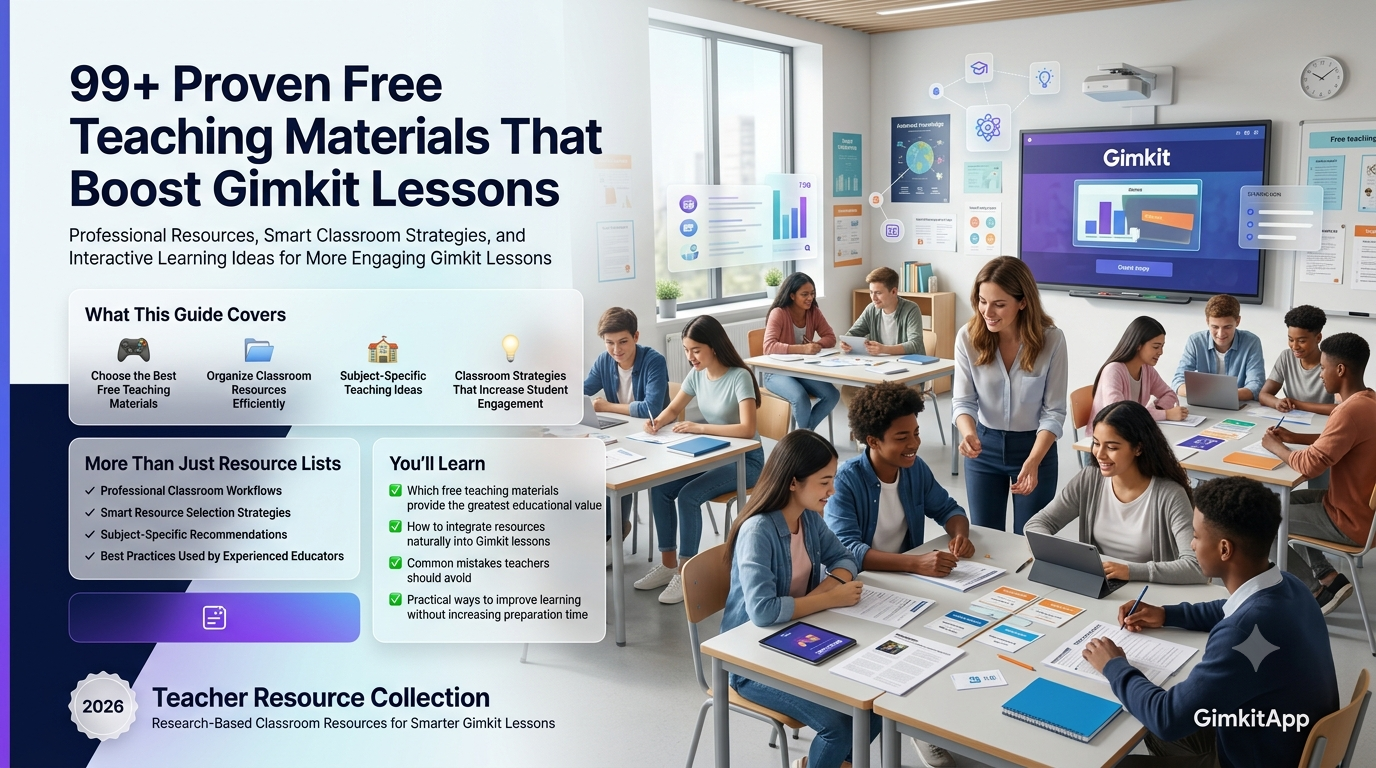
This guide documents every major seasonal event released in Gimkit, explains how each event worked, highlights exclusive rewards, compares community reception, discusses recurring mechanics, and provides practical strategies for making the most of future events. Whether you are a long-time player, a teacher introducing Gimkit to a new class, or someone interested in the platform’s evolution, this article serves as a complete reference for Gimkit’s seasonal content history.
Everything you need to learn, play, host, customize, and master Gimkit in one place.
What Are Seasonal Events in Gimkit?
Seasonal events in Gimkit are limited-time experiences that introduce themed content, exclusive rewards, temporary objectives, and special activities available only during a specific period. Unlike permanent game modes or classroom features, these events are designed to celebrate holidays, seasonal occasions, community milestones, or special updates while encouraging players to participate before the event concludes.
Most seasonal events revolve around a particular theme that influences the game’s appearance, available rewards, and player objectives. Depending on the event, participants may complete quests, earn limited-time cosmetic items, unlock unique collectibles, or work toward community-wide goals. These temporary additions help keep the platform feeling fresh throughout the academic year while giving returning players something new to experience beyond traditional classroom review sessions.
Although the rewards often receive the most attention, the primary purpose of seasonal events extends far beyond cosmetic customization. By introducing time-limited objectives, Gimkit encourages students to stay engaged over multiple classroom sessions instead of viewing each game as an isolated activity. This approach strengthens long-term participation while maintaining the educational focus that distinguishes Gimkit from entertainment-focused gaming platforms.
Expert Insight: The strongest seasonal events balance educational engagement with meaningful progression. Students remain motivated by exclusive rewards, while teachers continue delivering curriculum-aligned learning activities without disrupting classroom workflows.
Why Gimkit Introduced Seasonal Events
Seasonal events were introduced to create recurring moments of excitement that encourage students to return to the platform throughout the school year. Educational games often face the challenge of maintaining engagement after the initial novelty wears off, and limited-time events provide an effective solution by regularly introducing fresh objectives without changing the core learning experience.
Another important goal is to reward consistent participation. Rather than offering every cosmetic or collectible at all times, seasonal events make certain rewards available only for a limited period. This exclusivity creates anticipation within the community and gives students additional motivation to complete assignments, participate in classroom games, and return for future events.
From a teacher’s perspective, seasonal events also reduce the need to constantly search for new engagement strategies. A holiday-themed challenge or limited-time quest naturally increases student interest while allowing educators to continue using the same question sets, assignments, and instructional methods they already rely on. The educational objectives remain unchanged, but the presentation feels fresh and more engaging.
How Seasonal Events Work
Most Gimkit seasonal events follow a similar structure, making them easy for both new and experienced players to understand. Once an event begins, players typically gain access to themed activities, special challenges, exclusive rewards, or event-specific objectives that remain available until the event officially ends. Participation usually occurs through normal gameplay, allowing students to continue learning while simultaneously progressing through seasonal content.
Many events encourage players to complete daily or weekly objectives that reward consistent participation instead of requiring long play sessions in a single day. This progression model supports classroom schedules because students can gradually unlock rewards across multiple lessons rather than needing extended gaming sessions.
Some events also introduce temporary currencies, collectible items, or milestone-based reward tracks that disappear after the event concludes. These mechanics create a sense of urgency while preserving the exclusivity of seasonal content. Players who actively participate during the event often earn cosmetics or collectibles that become unavailable once the celebration ends.
How Seasonal Events Differ from Regular Updates
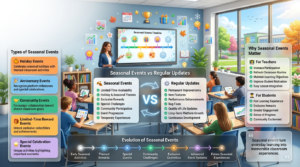
Seasonal events create limited-time classroom excitement through themed activities, exclusive rewards, and engaging learning experiences, while regular updates provide permanent platform improvements.
Although both seasonal events and regular updates introduce new content, they serve very different purposes within the Gimkit ecosystem. Regular updates primarily focus on improving the platform by adding new features, fixing bugs, enhancing performance, or expanding existing game modes. These changes are generally permanent and continue benefiting users long after their release.
Seasonal events, in contrast, are intentionally temporary. Their purpose is to create excitement during a specific time of year through themed activities, limited-time rewards, and special objectives. Once an event ends, most of its exclusive content is removed or archived until a future celebration, if it returns at all.
Seasonal Events
Regular Updates
Limited-time availability
Permanent platform improvements
Holiday or themed content
Feature enhancements and bug fixes
Exclusive rewards
Long-term gameplay improvements
Event challenges and quests
New tools and quality-of-life updates
Focus on engagement
Focus on platform development
Understanding this distinction helps players appreciate why seasonal rewards often become highly valued within the community. Their temporary nature makes participation during the event especially rewarding.
Types of Seasonal Events in Gimkit
While each event has its own theme and objectives, most seasonal content can be grouped into several broad categories based on its purpose and design.
Event Type
Purpose
Holiday Events
Celebrate occasions such as Halloween or winter holidays with themed content.
Anniversary Events
Recognize important milestones in Gimkit’s development.
Community Events
Encourage players to work together toward shared goals and rewards.
Limited-Time Reward Events
Focus on earning exclusive cosmetics, collectibles, or progression rewards.
Special Celebration Events
Highlight unique moments, updates, or community achievements through temporary activities.
These categories demonstrate that seasonal events are more than simple cosmetic updates. They represent recurring engagement opportunities that combine learning, progression, and community participation in ways that keep the Gimkit experience feeling fresh throughout the year.
Why Seasonal Events Matter for Teachers and Students
For teachers, seasonal events provide an effective way to maintain classroom enthusiasm without redesigning lesson plans. Students naturally become more motivated when learning activities include exclusive rewards or limited-time objectives, making review sessions feel less repetitive. Because the educational content remains teacher-created, instructors retain full control over learning outcomes while benefiting from the additional excitement generated by the event.
Students also experience a stronger sense of progression during seasonal events. Completing quizzes contributes not only to academic review but also toward event milestones, collectibles, or cosmetic rewards. This combination of educational achievement and in-game progression encourages consistent participation across multiple lessons rather than one-time engagement.
Beyond individual classrooms, seasonal events strengthen the broader Gimkit community by giving players shared experiences to discuss, compare, and anticipate. This ongoing cycle of limited-time content helps explain why seasonal events remain among the platform’s most anticipated updates each year.
Timeline of Gimkit Seasonal Events at a Glance
Before exploring each event in detail, it helps to understand how seasonal content has evolved over time. Early events focused primarily on introducing themed rewards and simple participation goals. As Gimkit continued expanding its platform, seasonal celebrations became more sophisticated, incorporating event quests, exclusive cosmetics, community objectives, and richer progression systems.
The next section presents a chronological breakdown of every major seasonal event released in Gimkit, explaining each event’s theme, exclusive rewards, gameplay mechanics, classroom impact, and lasting influence on the community. This historical timeline provides the foundation for understanding how seasonal content has become an important part of the modern Gimkit experience.
Exploring Gimkit’s Seasonal Event Experiences and Limited-Time Celebrations
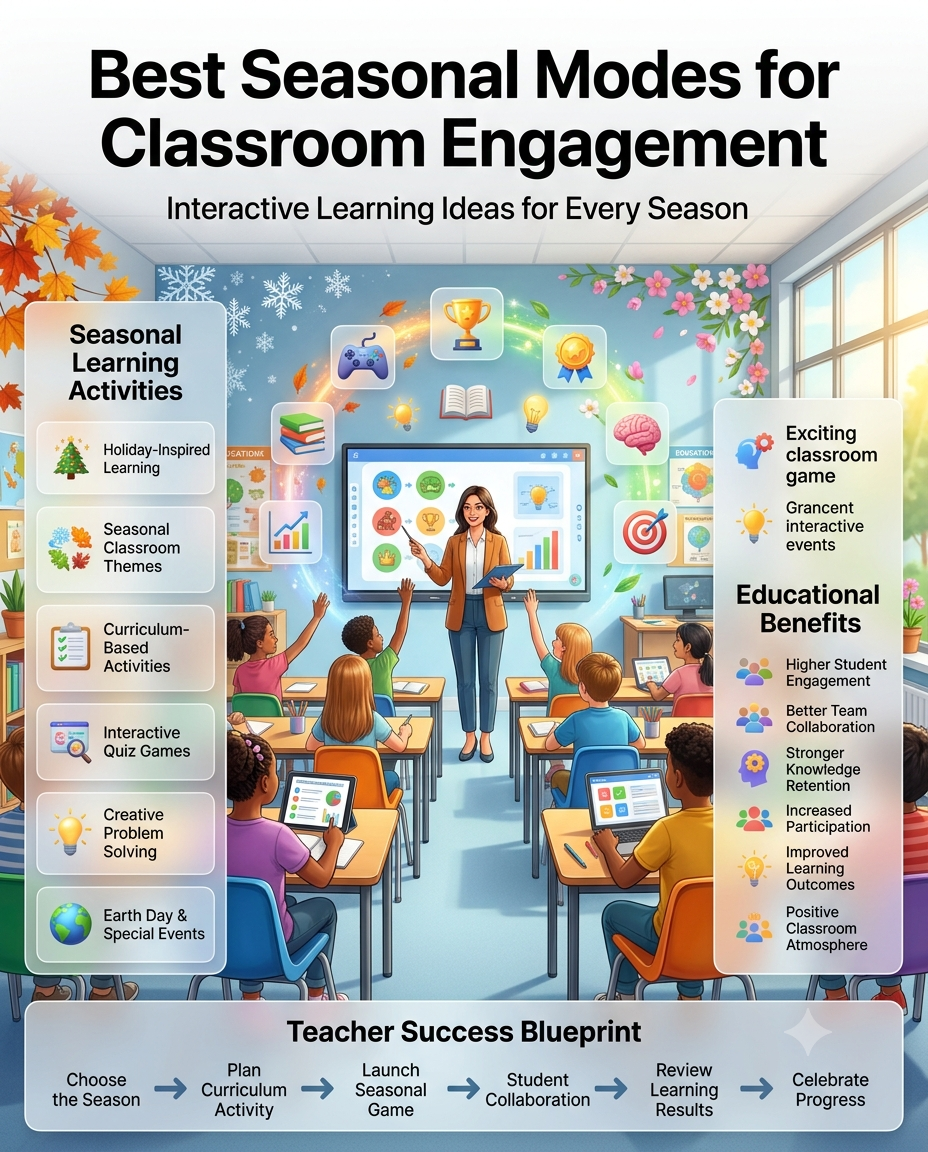
Seasonal content has become one of the most recognizable ways educational games maintain long-term engagement without changing their core learning objectives. In Gimkit, limited-time celebrations introduce fresh visual themes, exclusive rewards, temporary challenges, and special objectives that encourage students to participate consistently throughout the school year. While every event has its own identity, they all follow the same philosophy: make learning feel different for a limited time while preserving the classroom experience teachers already know.
Rather than permanently altering gameplay, seasonal events create memorable moments that students anticipate each year. Exclusive cosmetics, themed interfaces, collectible items, and event-based progression transform ordinary review sessions into experiences that feel unique. This balance between education and entertainment is one reason seasonal content continues attracting attention whenever new celebrations appear.
Complete Timeline of Seasonal Event Experiences
Seasonal Theme
Typical Release Period
Main Focus
Common Rewards
Halloween Celebration
October
Spooky visuals, themed challenges
Limited cosmetics, collectibles
Winter Holiday Celebration
December
Festive decorations, seasonal quests
Holiday-themed rewards
Valentine’s Celebration
February
Friendship and collaboration
Decorative items and themed collectibles
Spring Celebration
March–April
Nature-inspired visuals
Event cosmetics and progression rewards
Summer Celebration
June–August
Bright seasonal themes
Limited accessories and exclusive items
Anniversary Celebration
Platform milestone
Community participation
Special commemorative rewards
Community Challenge Events
Various
Shared player objectives
Unlockable event bonuses
Expert Perspective: Rather than treating seasonal events as isolated updates, Gimkit uses them to create recurring engagement cycles that encourage students to return regularly without disrupting classroom learning.
Halloween-Themed Seasonal Events
Halloween naturally lends itself to game-based learning because it introduces recognizable visuals that students immediately associate with excitement and exploration. During Halloween-themed celebrations, classrooms often feel more immersive as seasonal artwork, darker color palettes, and festive decorations replace the standard interface. These visual updates help distinguish the event from everyday gameplay without requiring teachers to modify lesson content.
Limited-time Halloween rewards typically become the primary motivation for participation. Students often complete additional review sessions simply to unlock exclusive cosmetics or collectibles before the event concludes. Because these rewards usually remain available only during the celebration, participation tends to increase throughout the event period.
Teachers also benefit from Halloween events because themed gameplay can make revision sessions feel less repetitive. Instead of introducing entirely new classroom activities, educators continue using familiar Kits while students enjoy a refreshed presentation that increases engagement naturally.
Winter Holiday Celebrations
Winter-themed events often emphasize celebration, community participation, and end-of-year classroom activities. Seasonal artwork, festive decorations, snowy environments, and holiday-inspired customization help create a welcoming atmosphere during one of the busiest periods of the academic calendar.
These celebrations frequently encourage consistent participation through daily objectives rather than requiring long gaming sessions. Students can gradually unlock seasonal rewards while continuing to complete ordinary classroom assignments, making the event suitable for schools operating on different schedules before winter breaks.
From an instructional standpoint, winter celebrations also provide teachers with an opportunity to conclude semesters using highly engaging review activities. Instead of traditional revision worksheets, students remain motivated through interactive gameplay combined with seasonal progression.
Valentine’s-Themed Celebrations
Seasonal events inspired by Valentine’s Day generally focus less on competition and more on participation, collaboration, and classroom positivity. Bright color schemes, themed decorations, and lighthearted cosmetic rewards create an atmosphere that feels different from the rest of the academic year without distracting from educational objectives.
These celebrations can also encourage teamwork by emphasizing cooperative gameplay and shared classroom achievements. Rather than rewarding only top-performing players, participation-based objectives allow more students to experience success, making the event accessible across different learning levels.
Teachers often appreciate these events because they naturally promote positive classroom interactions while maintaining curriculum-focused activities. Students continue answering academic questions, but the seasonal presentation encourages greater enthusiasm throughout each session.
Spring-Themed Seasonal Events
Spring celebrations usually represent renewal, growth, and fresh beginnings. Nature-inspired artwork, vibrant environments, and colorful seasonal themes help refresh the visual experience after months of regular classroom gameplay.
Many students experience increased motivation during spring events because the rewards often coincide with the latter half of the school year, when maintaining engagement becomes increasingly important. Limited-time objectives encourage regular participation while preventing gameplay from becoming repetitive.
For teachers, spring events provide another opportunity to introduce excitement without rebuilding existing lesson plans. Familiar question sets become part of a refreshed seasonal experience, allowing educators to maintain instructional consistency while students enjoy something that feels completely new.
Accessing your classroom begins with Gimkit Login, where teachers and students can securely enter their accounts to create Kits, review assignments, monitor progress, and join learning activities. Understanding the login process also helps prevent common access issues and ensures every session starts without unnecessary delays.
Summer Celebration Events
Summer-themed events often adopt brighter visual designs, energetic soundtracks, and vacation-inspired aesthetics that create a relaxed yet engaging atmosphere. These celebrations may coincide with summer learning programs, enrichment activities, or independent review, helping students remain connected to educational content outside traditional classroom schedules.
Seasonal rewards associated with summer events frequently emphasize customization, giving players new ways to personalize their profiles while celebrating participation. Collecting these limited-time items encourages continued engagement even when regular academic routines become less structured.
Summer-themed activities also highlight Gimkit’s flexibility as both a classroom platform and an independent learning tool. Students can continue reviewing knowledge while experiencing content that feels appropriate for the season.
Anniversary Celebrations
Anniversary events recognize important milestones in Gimkit’s ongoing development and provide opportunities for the community to celebrate the platform’s growth. Unlike holiday events tied to the calendar, anniversary celebrations focus on reflecting the evolution of the platform and rewarding long-term participation.
These events often generate significant community interest because they commemorate achievements that represent years of classroom innovation. Exclusive anniversary cosmetics, commemorative collectibles, and milestone-based rewards encourage both veteran players and newcomers to participate.
For educators, anniversary celebrations also reinforce the sense that Gimkit continues evolving in response to classroom needs. Rather than remaining static, the platform regularly introduces fresh experiences while preserving the educational principles that made it successful.
Community Challenge Events
Community-focused celebrations differ from traditional seasonal events because they encourage collective participation instead of individual progression. Rather than asking players to complete objectives independently, these events often revolve around shared milestones that unite classrooms around common goals.
Community challenges promote collaboration by making every participant’s contribution valuable. Whether students complete quizzes, participate in games, or accomplish event objectives, their progress contributes toward larger achievements that benefit the entire community. This shared sense of accomplishment strengthens engagement while encouraging teamwork rather than competition alone.
From an educational perspective, community events demonstrate how collaborative learning can be integrated into gamified classrooms. Students recognize that consistent participation benefits everyone, reinforcing cooperation alongside academic review.
Limited-Time Reward Events
Not every seasonal celebration revolves around a major holiday. Some events focus primarily on introducing exclusive rewards available only for a short period. These celebrations often highlight new cosmetic collections, collectible items, or customization options that encourage players to remain active throughout the event window.
The appeal of limited-time rewards lies in their exclusivity. Students understand that once the event concludes, those cosmetics may become unavailable, making participation feel meaningful beyond individual gameplay sessions. This scarcity creates anticipation whenever future seasonal events are announced.
Teachers also benefit because limited-time progression encourages regular classroom attendance and consistent participation without requiring additional instructional planning. Students remain motivated by both educational achievement and collectible rewards, creating a balanced learning experience that supports long-term engagement.
Exclusive Rewards, Seasonal Items, and Event Mechanics
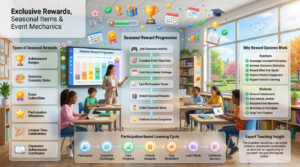
Seasonal reward systems encourage continuous classroom participation by recognizing progress, consistency, and engagement through exclusive event items and achievement milestones.
Seasonal events become memorable not only because of their themes but also because of the exclusive content attached to them. Limited-time rewards give students a reason to return throughout an event instead of participating only once. While classroom learning remains the primary objective, progression systems, collectible items, and cosmetic customization create additional motivation that keeps engagement high over multiple sessions. This balance between education and game progression is one of Gimkit’s strongest design philosophies.
Unlike permanent unlockables, seasonal rewards create lasting memories because they represent participation during a specific celebration. Players who earn exclusive items often view them as digital souvenirs that reflect their involvement in unique classroom experiences. Even simple cosmetic rewards can become highly desirable when they are available only for a short period.
How Seasonal Event Rewards Work
Most seasonal reward systems follow a straightforward progression model. Instead of rewarding only the highest-scoring players, events encourage consistent participation by allowing students to unlock items gradually through normal gameplay. This approach makes seasonal content accessible to students with different learning speeds while maintaining healthy classroom competition.
Reward progression typically encourages students to:
Participate in classroom games regularly.
Complete event objectives.
Finish daily or weekly challenges.
Reach specific participation milestones.
Stay active until the event concludes.
Because progress builds over time, students remain motivated throughout the event rather than losing interest after a single session.
Expert Tip: Participation-based rewards are generally more effective in classrooms than score-based rewards because every student has an opportunity to unlock seasonal content regardless of academic ability.
Seasonal Event Progression System
Most successful live-service games rely on progression systems rather than one-time rewards, and educational platforms increasingly adopt the same philosophy. Instead of receiving every reward immediately, players unlock cosmetics, collectibles, and recognition through continued participation.
A typical progression flow looks like this:
Play Classroom Games
          │
          ▼
Complete Event Objectives
          │
          ▼
Earn Seasonal Progress
          │
          ▼
Unlock Exclusive Rewards
          │
          ▼
Finish Event Before Deadline
This structure encourages repeated classroom participation while keeping educational objectives at the center of the experience.
Using Gimkit Join is the fastest way for students to enter a live learning session without creating confusion in the classroom. By entering the correct game code, participants can instantly connect to teacher-hosted activities and begin answering questions within seconds.
Event Challenges and Seasonal Objectives
Challenges provide clear goals beyond simply answering quiz questions. Rather than asking students to play endlessly, events often divide progression into smaller achievements that feel attainable within normal classroom schedules.
Examples of seasonal objectives include:
Objective Type
Purpose
Daily Challenges
Encourage consistent participation
Weekly Challenges
Reward long-term engagement
Classroom Milestones
Promote regular learning sessions
Participation Goals
Motivate all students equally
Community Objectives
Encourage collective progress
Breaking progression into manageable goals prevents students from feeling overwhelmed while maintaining excitement throughout the event.
Daily Challenges
Daily objectives give students a reason to return every time their class uses Gimkit. These short-term tasks often require only normal participation, making them easy to complete without disrupting classroom instruction.
Daily challenges are particularly effective because they establish regular habits. Instead of viewing Gimkit as an occasional activity, students begin expecting fresh objectives whenever they log in during an active event.
Teachers also appreciate daily challenges because they naturally increase participation without requiring additional lesson preparation.
Weekly Event Challenges
Weekly objectives extend engagement beyond individual classroom sessions by rewarding consistency over several days. Rather than encouraging marathon gameplay, they promote gradual progress that aligns well with educational schedules.
Weekly challenges often represent larger milestones than daily objectives. Students may need to participate across multiple lessons before unlocking special rewards, creating anticipation that lasts throughout the event.
This long-term progression model supports classroom learning because educational review continues alongside seasonal progression rather than competing with it.
Limited-Time Seasonal Cosmetics
Cosmetic customization has become one of the defining characteristics of modern online games, and seasonal events often introduce exclusive appearances that celebrate a particular theme. These items do not provide gameplay advantages but allow players to personalize their in-game identity.
Common seasonal cosmetic categories include:
Character accessories
Profile decorations
Seasonal icons
Animated effects
Special visual themes
Celebration badges
Because these cosmetics are earned rather than purchased during events, students often value them as recognition of their participation.
Seasonal Badges and Achievement Recognition
Achievement badges represent another layer of seasonal progression. Unlike cosmetic items, badges often symbolize accomplishments completed during specific celebrations.
These recognitions may commemorate:
Completing every event objective.
Participating throughout the entire event.
Reaching important progression milestones.
Contributing to community goals.
Finishing difficult seasonal challenges.
Badges also encourage students to pursue completion rather than stopping once they unlock a single reward.
Event Collectibles
Collectibles create an additional reason to explore seasonal content. Instead of unlocking only one final prize, players gradually build a collection that reflects their participation throughout the event.
Collectible systems are effective because they appeal to completionists who enjoy earning every available reward before the event concludes. Even students who normally participate only occasionally may become more active when they see a collection nearing completion.
Exclusive Seasonal Customization
Personalization plays an important role in keeping educational games engaging over long periods. Seasonal customization allows students to express themselves while celebrating different times of the year.
Common customization opportunities include:
Customization
Purpose
Profile Themes
Seasonal appearance
Event Icons
Limited-time identity
Decorative Effects
Celebrate achievements
Collectible Accessories
Personal expression
Special Backgrounds
Event-exclusive customization
Although cosmetic customization does not affect gameplay, it strengthens students’ emotional connection to the platform.
Why Limited-Time Rewards Increase Engagement
Scarcity is one of the strongest motivational principles in game design. When students know that an event reward will disappear after a specific date, participation naturally increases. Rather than delaying progress indefinitely, players prioritize completing objectives before the opportunity ends.
Educational platforms benefit from this design because it encourages regular learning sessions without relying solely on grades or external incentives. Students participate because they enjoy progressing through the event while simultaneously reviewing classroom material.
Importantly, limited-time rewards remain most effective when they complement learning rather than replacing it. The educational experience always comes first, while seasonal progression serves as an additional layer of motivation.
Balancing Rewards Without Affecting Learning
One of Gimkit’s greatest strengths is that seasonal rewards remain primarily cosmetic. Unlike competitive games where exclusive items can create gameplay advantages, educational rewards focus on recognition and personalization instead of power.
This approach creates a balanced classroom environment where:
Learning remains the primary objective.
Every student has an opportunity to participate.
Rewards recognize engagement rather than academic ranking.
Teachers retain full control over classroom activities.
By separating cosmetic progression from educational outcomes, seasonal events encourage participation without compromising fairness or instructional quality.
Best Practices for Maximizing Seasonal Rewards
Students who consistently earn the most event rewards usually follow a structured approach instead of relying on long play sessions at the end of an event.
Recommended strategy checklist:
✔ Join classroom games whenever seasonal events are active.
✔ Complete daily objectives before they reset.
✔ Track weekly milestones to avoid falling behind.
✔ Prioritize limited-time challenges over repeatable tasks.
✔ Stay informed about event deadlines.
✔ Finish progression before the celebration officially ends.
✔ Avoid waiting until the final days, when missed objectives may no longer be recoverable.
Professional Insight: The most rewarding seasonal experiences come from steady participation rather than intensive last-minute play. A consistent routine allows students to enjoy both the educational benefits and the exclusive rewards without feeling pressured as the event draws to a close.
Every successful classroom game starts with Gimkit Host, giving educators complete control over game settings, question pacing, player management, and scoring options. Learning how hosting works allows teachers to create more engaging and organized review sessions.
Strategies, Classroom Implementation, and Expert Analysis
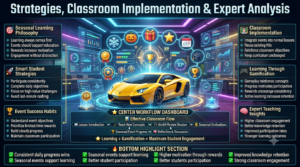
Discover how teachers can seamlessly integrate Gimkit seasonal events into everyday lessons while keeping learning at the center. Learn proven strategies that improve engagement, strengthen knowledge retention, and motivate students through consistent game-based progression.
Seasonal events are most successful when they enhance learning instead of distracting from it. While students are naturally attracted to exclusive rewards and limited-time challenges, teachers measure success by participation, knowledge retention, and classroom engagement. The most effective classrooms treat seasonal events as an extension of everyday learning rather than a separate gaming activity. When implemented thoughtfully, these celebrations can increase motivation without sacrificing educational quality.
Unlike traditional review sessions that often feel repetitive, seasonal events introduce a sense of progression. Students return not only to answer questions but also to complete objectives, unlock rewards, and contribute toward event milestones. This combination of academic practice and game-based progression creates a learning environment that remains engaging over longer periods.
Best Strategies for Completing Seasonal Events Efficiently
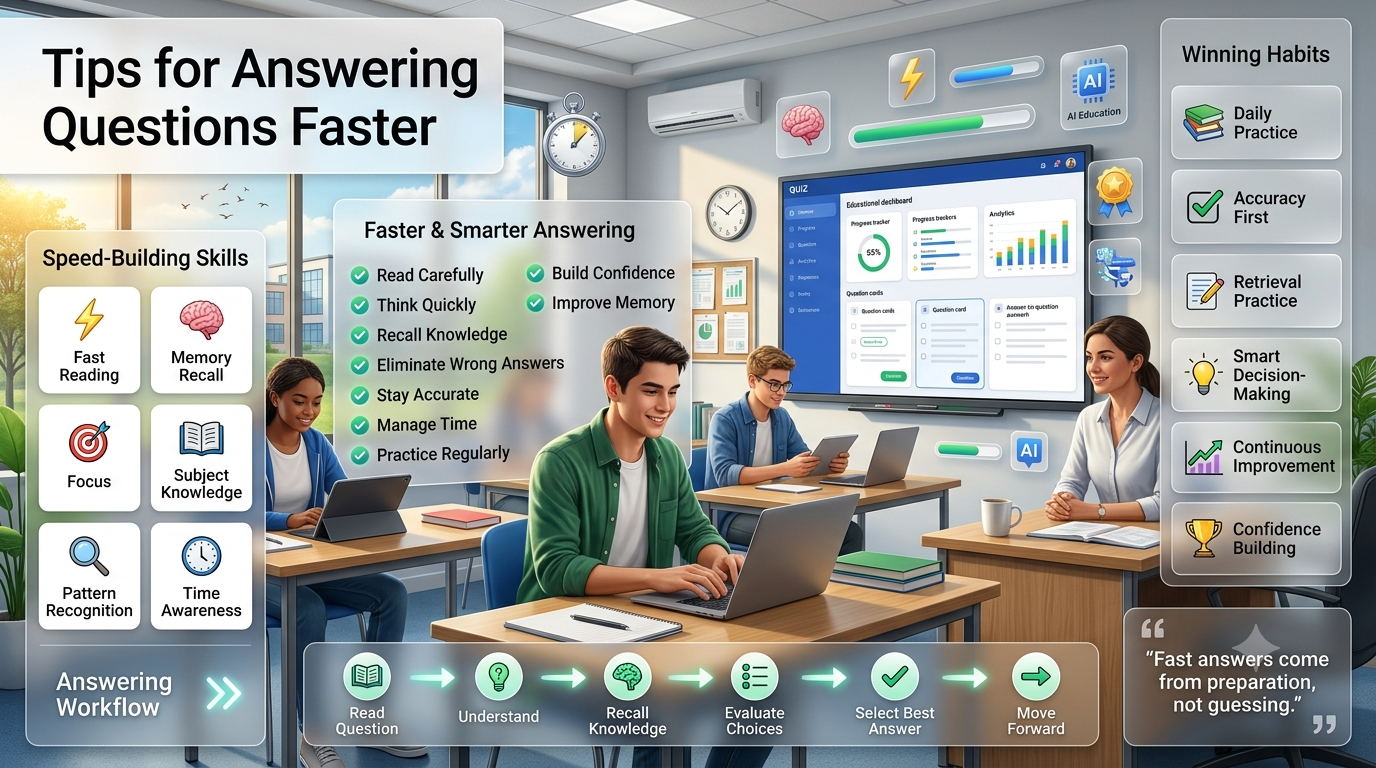
Students who consistently finish seasonal events rarely depend on long gaming sessions. Instead, they progress steadily by participating whenever classroom opportunities arise. Consistency almost always produces better results than trying to complete an entire event during its final days.
An effective strategy begins by understanding the event’s objectives. Players should identify which challenges provide the greatest progress, prioritize limited-time tasks, and avoid wasting effort on activities that contribute little toward seasonal rewards. Small daily improvements accumulate quickly and reduce pressure as the event approaches its deadline.
Another important habit is maintaining regular participation throughout the event. Missing several classroom sessions often means missing valuable progression opportunities that cannot always be recovered later. Treating seasonal objectives as part of normal classroom routines usually results in the highest completion rates.
How Teachers Can Integrate Seasonal Events Into Lessons
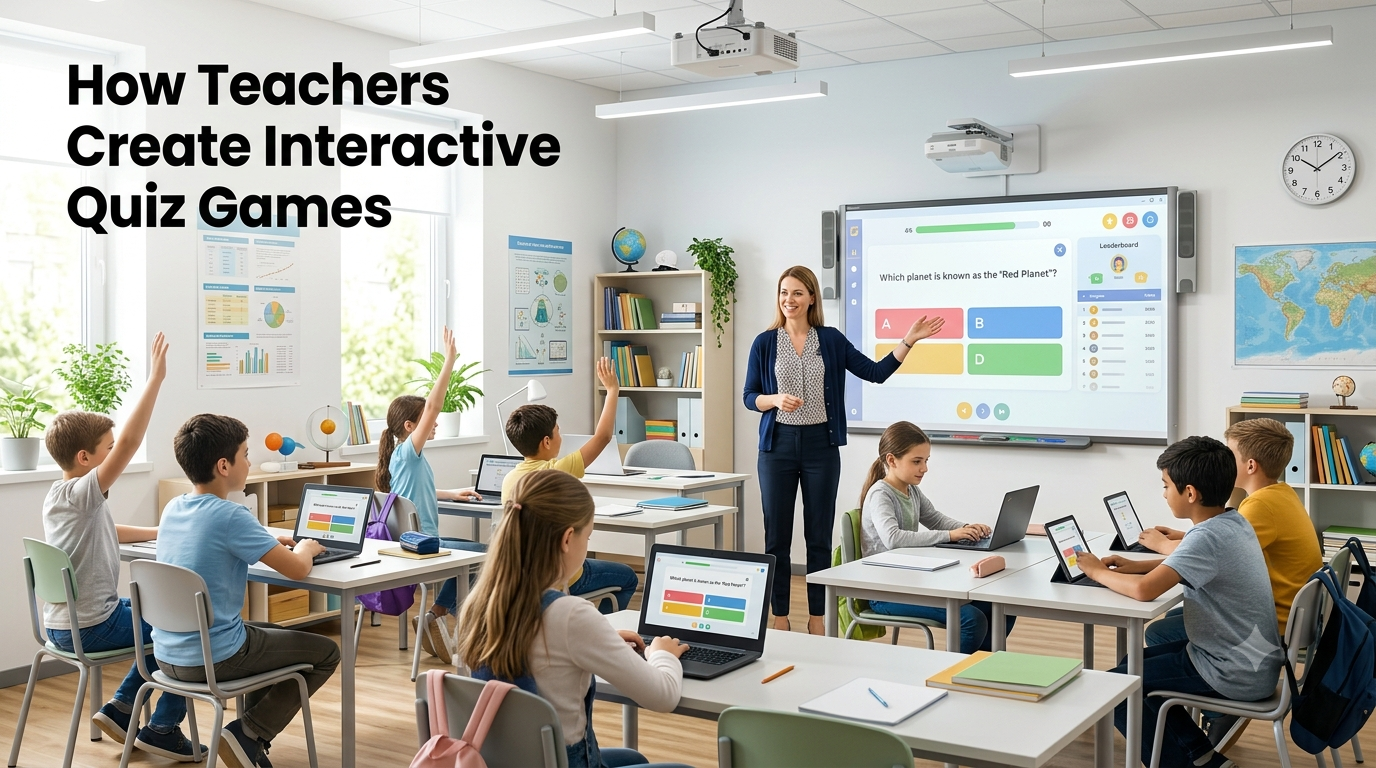
Teachers do not need to redesign their curriculum every time a seasonal celebration begins. Instead, existing Kits, assignments, and review activities can be combined with event participation to create lessons that feel new without requiring additional preparation.
A practical classroom workflow might look like this:
Lesson Stage
Classroom Activity
Student Benefit
Lesson Introduction
Explain learning objective
Clear academic focus
Guided Instruction
Teach new concepts
Build understanding
Gimkit Review Session
Reinforce lesson through gameplay
Immediate knowledge practice
Seasonal Event Progress
Complete event objectives naturally
Increased motivation
Reflection
Discuss mistakes and key concepts
Stronger retention
This structure keeps learning at the center while allowing seasonal content to increase enthusiasm rather than distract from instructional goals.
Encouraging Healthy Competition
Competition has always been part of educational games, but seasonal events work best when they reward participation alongside performance. If only the highest-scoring students receive recognition, less confident learners may lose motivation over time.
Teachers can create healthier classroom competition by celebrating multiple forms of achievement rather than focusing exclusively on leaderboard positions. Participation streaks, personal improvement, teamwork, and consistent effort deserve recognition alongside high scores.
This balanced approach encourages students of varying ability levels to remain engaged throughout the event instead of assuming that only top performers can succeed.
Using Seasonal Events to Improve Student Engagement
One of the biggest challenges in education is maintaining attention during repeated review sessions. Seasonal events help solve this problem by changing the learning environment without changing the educational objectives.
Students often experience renewed enthusiasm when:
Classroom activities include limited-time progression.
Learning feels connected to a larger community celebration.
These motivational elements encourage students to participate voluntarily rather than viewing review sessions as routine assignments.
Classroom Benefits Beyond Entertainment
Although seasonal celebrations appear playful on the surface, they can also strengthen important educational habits. Students gradually develop consistency, persistence, and goal-setting skills while progressing through event challenges.
Some of the most valuable classroom outcomes include:
Increased participation rates.
Better attendance during review sessions.
Higher willingness to answer questions.
Improved classroom energy.
Greater collaboration among students.
Stronger long-term engagement with educational content.
These benefits demonstrate that seasonal events can support meaningful learning outcomes when implemented thoughtfully.
Common Mistakes Students Make During Seasonal Events
Many students unintentionally reduce their progress by misunderstanding how limited-time events work. Instead of participating consistently, they often wait until the final days before attempting to complete every challenge at once.
Common mistakes include:
Mistake
Better Approach
Waiting until the last week
Begin progressing immediately
Ignoring daily objectives
Complete them consistently
Focusing only on rewards
Prioritize learning first
Skipping classroom sessions
Participate regularly
Forgetting event deadlines
Monitor the remaining time
Avoiding these simple mistakes usually leads to a more enjoyable and less stressful seasonal experience.
Advanced Tips for Students
Experienced players often maximize event progression without increasing total playtime. Rather than playing longer, they play more consistently and make smarter decisions throughout the event.
Advanced recommendations include:
Complete smaller objectives before larger milestones.
Finish objectives early to avoid deadline pressure.
Focus on consistency rather than leaderboard positions.
Small improvements repeated throughout the event often outperform last-minute efforts.
Best Practices for Teachers
Teachers can significantly improve the effectiveness of seasonal events by treating them as instructional tools instead of classroom rewards. The most successful implementations integrate event participation directly into existing lesson plans rather than replacing educational content.
Professional recommendations include:
✔ Continue using curriculum-aligned question sets.
✔ Encourage participation instead of score comparisons.
✔ Celebrate improvement as well as achievement.
✔ Explain the educational purpose behind gameplay.
✔ Rotate different game modes to maintain variety.
✔ Allow students to reflect on what they learned after each session.
This balanced approach preserves educational value while maximizing student engagement.
Seasonal Events vs Regular Game Modes
Although seasonal events and regular game modes share the same educational foundation, they provide different experiences.
Seasonal Events
Regular Game Modes
Limited-time availability
Available year-round
Exclusive progression
Standard gameplay progression
Themed rewards
Permanent features
Temporary objectives
Consistent learning activities
Increased excitement
Familiar classroom experience
Rather than replacing regular game modes, seasonal events add variety that encourages students to revisit familiar learning activities with renewed enthusiasm.
Seasonal Events vs Gimkit Creative
Gimkit Creative allows educators and players to build original experiences, while seasonal events provide officially themed celebrations available for a limited period.
Both approaches complement one another. Seasonal events generate community excitement, while Creative empowers teachers to design learning experiences tailored to their own classrooms.
Future of Seasonal Events in Gimkit
As educational technology continues evolving, seasonal events are likely to become more interactive and personalized. Future celebrations may introduce adaptive challenges, classroom-specific objectives, collaborative milestones, and deeper integration with teacher-created activities.
Artificial intelligence, personalized learning paths, and real-time classroom analytics could also influence how future events reward participation. Instead of identical objectives for every player, future seasonal celebrations may adapt challenges based on student progress, making events more inclusive across different ability levels.
Regardless of how the platform evolves, the core purpose of seasonal events is unlikely to change. Their greatest strength lies in making classroom learning feel fresh, motivating students to return regularly while supporting teachers with engaging educational experiences rather than replacing sound instructional practice.
Comparison of Seasonal Event Types
The following table summarizes the major categories of seasonal events and how each contributes to the overall Gimkit experience.
Event Type
Primary Goal
Student Benefit
Teacher Benefit
Engagement Level
Halloween Celebrations
Themed gameplay
Fun visual experience
Refreshes review sessions
⭐⭐⭐⭐⭐
Winter Holiday Events
End-of-year participation
Exclusive seasonal rewards
Holiday classroom activities
⭐⭐⭐⭐⭐
Spring Celebrations
Mid-year motivation
New progression opportunities
Increased classroom energy
⭐⭐⭐⭐☆
Summer Events
Continued participation
Seasonal customization
Supports enrichment programs
⭐⭐⭐⭐☆
Anniversary Events
Celebrate platform milestones
Community excitement
Highlights platform growth
⭐⭐⭐⭐☆
Community Challenges
Shared objectives
Teamwork and collaboration
Encourages participation
⭐⭐⭐⭐⭐
Each event type serves a slightly different purpose, but together they create a yearly cycle that keeps the platform feeling active and rewarding.
Interactive classroom competition reaches another level with Gimkit Live, where students answer questions in real time while competing through dynamic game modes. Live sessions encourage participation, immediate feedback, and collaborative learning in an exciting environment.
Seasonal Events: Pros and Cons
Like any educational feature, seasonal events offer significant advantages while also presenting a few limitations. Understanding both sides helps teachers decide how to integrate them effectively.
Pros
Cons
Increases classroom engagement
Available only for a limited time
Encourages consistent participation
Students who miss events may miss exclusive rewards
Makes review sessions more enjoyable
Event progression depends on participation
Supports long-term student motivation
Some students may focus more on rewards than learning
Creates memorable classroom experiences
Requires teachers to balance gameplay with instruction
The strengths generally outweigh the limitations when seasonal content is used to support learning rather than replace it.
Which Seasonal Event Style Is Most Effective?
Different classrooms respond differently to seasonal content, but some event styles consistently generate stronger engagement than others.
Best for Student Excitement
Holiday-themed celebrations tend to create the highest level of enthusiasm because students immediately recognize the seasonal atmosphere and enjoy the limited-time rewards.
Best for Classroom Learning
Participation-based community events often produce the greatest educational value because they encourage every student to contribute instead of rewarding only top performers.
Best for Long-Term Motivation
Events that combine multiple objectives, gradual progression, and exclusive cosmetics generally keep students engaged over longer periods than single-day celebrations.
Best for Teacher Implementation
Simple seasonal events that integrate directly into existing classroom workflows require minimal preparation while still increasing participation.
Expert Recommendations
After examining how seasonal events function within educational environments, several best practices consistently emerge.
For Teachers
Plan seasonal activities around learning objectives rather than rewards.
Continue using curriculum-focused Kits during event periods.
Encourage participation from every student, not only competitive players.
Celebrate progress, teamwork, and improvement alongside high scores.
Use seasonal events as review opportunities before assessments.
For Students
Participate regularly throughout the event instead of waiting until the final days.
Complete daily objectives whenever possible.
Focus on learning first and rewards second.
Track event progress to avoid missing limited-time opportunities.
Enjoy the seasonal experience without sacrificing academic performance.
These recommendations help maximize both educational outcomes and overall enjoyment.
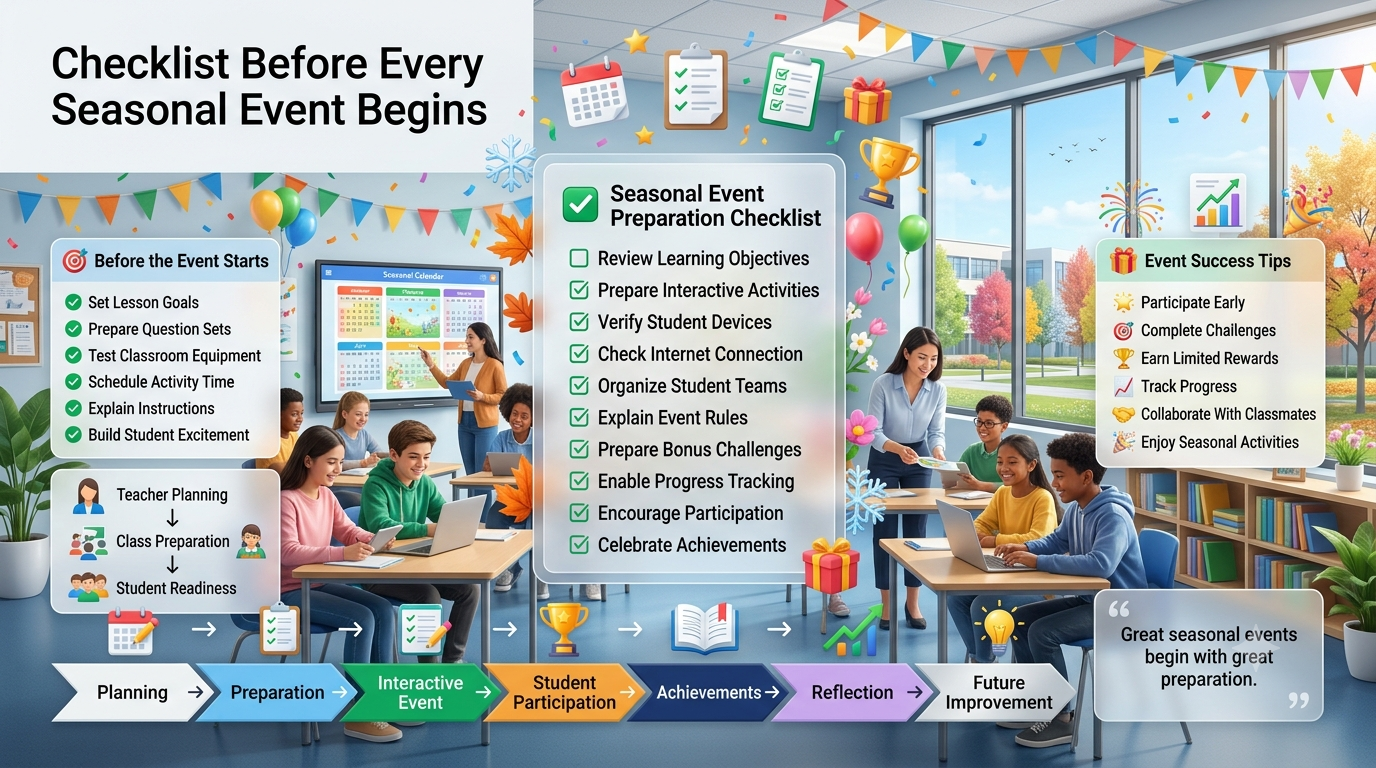
Seasonal Event Participation Checklist
Before every seasonal event ends, players can use this checklist to ensure they have completed everything possible.
✅ Complete all available event challenges.
✅ Check for any unfinished daily or weekly objectives.
✅ Claim every unlocked reward before the deadline.
✅ Verify that exclusive cosmetics have been collected.
✅ Participate in any remaining community milestones.
✅ Review event announcements for last-minute activities.
✅ Finish progression before the event officially closes.
Completing these steps minimizes the chance of missing exclusive content.
Frequently Asked Questions
Why Are Seasonal Events So Popular?
Seasonal events transform Gimkit from a routine classroom review platform into an experience students genuinely anticipate. Instead of simply answering another set of questions, learners suddenly enter an environment filled with limited-time maps, themed artwork, exclusive cosmetics, special mechanics, and community excitement. That feeling of “this won’t be here forever” naturally increases participation.
From an educational perspective, seasonal events also refresh motivation. Students who have already completed dozens of review sessions become curious again because the environment feels different even though the learning objective remains the same.
Why students become more engaged
Factor
Educational Impact
Limited-time availability
Creates urgency to participate
New visual themes
Prevents classroom fatigue
Exclusive rewards
Encourages consistent attendance
Community excitement
Builds classroom discussions
Unique gameplay mechanics
Makes familiar content feel new
Teachers often notice several classroom improvements during seasonal events:
Higher voluntary participation
Better attendance during review days
Increased collaboration
More positive classroom energy
Longer sustained focus
The popularity isn’t just about collecting cosmetics. It’s about giving students a fresh reason to return to learning activities that might otherwise become repetitive.
Are Seasonal Events Permanent in Gimkit?
No. Seasonal events are intentionally temporary.
Each event is designed around a specific theme, holiday, or celebration and typically remains available only for a limited period. Once the event concludes, its dedicated maps, challenges, cosmetic rewards, and event shop usually disappear.
This temporary structure serves several purposes.
First, it keeps the game feeling fresh throughout the school year.
Second, it encourages students to participate while the content is available.
Third, developers can continuously experiment with new mechanics without permanently changing the core experience.
What usually happens after an event ends
Feature
Usually Available After Event?
Seasonal map
No
Event challenges
No
Limited cosmetics
Usually unavailable
Core gameplay modes
Yes
Existing Kits
Yes
Classroom assignments
Yes
Teachers should avoid planning lessons that depend entirely on seasonal-exclusive content because future availability cannot be guaranteed.
Do Seasonal Events Affect Classroom Learning?
They certainly can—but mostly in positive ways when managed properly.
A seasonal event does not automatically improve learning outcomes. Instead, it creates stronger motivation, which teachers can redirect toward academic objectives.
For example, instead of using a normal vocabulary review, an instructor can host the same content during a Halloween-themed event. Students experience the excitement of the event while still answering curriculum-based questions.
Academic benefits
Increased participation
Better classroom morale
Reduced review fatigue
Higher completion rates
Improved willingness to retry difficult questions
Possible challenges
Challenge
Teacher Solution
Students focus only on cosmetics
Tie participation to learning goals
Excitement becomes distracting
Set gameplay expectations beforehand
Competitive behavior
Reward improvement instead of rankings
Students rush questions
Review incorrect answers afterward
The seasonal content should support instruction rather than replace it.
Can New Players Participate in Seasonal Events?
Yes. Seasonal events are generally designed so both experienced and brand-new players can join.
New players do not need years of experience to enjoy the event. Most seasonal activities emphasize participation instead of mastery.
However, experienced players may understand mechanics more quickly because they already know movement, objectives, and game systems.
Tips for helping new students
Demonstrate the event before starting.
Explain new mechanics.
Pair beginners with experienced classmates.
Allow a practice round.
Focus on learning before competition.
Beginner preparation checklist
Before Joining
Why It Matters
Learn basic controls
Prevents confusion
Understand event objectives
Improves confidence
Join practice sessions
Reduces mistakes
Ask questions early
Builds independence
Teachers who introduce seasonal events gradually often see better engagement from first-time participants.
Do Seasonal Rewards Provide Gameplay Advantages?
Generally, no.
Most seasonal rewards are cosmetic rather than performance-enhancing. Their purpose is personalization rather than competitive advantage.
Examples include:
Character skins
Hats
Visual effects
Badges
Decorative items
These rewards help students express themselves without changing academic fairness.
Cosmetic vs Competitive
Cosmetic Reward
Gameplay Advantage
Outfit
No
Badge
No
Avatar effect
No
Profile decoration
No
This approach keeps classroom competition balanced because success continues to depend on answering questions accurately rather than owning rare items.
What Makes a Successful Seasonal Event?
Successful events combine entertainment with meaningful classroom usability.
A well-designed seasonal event does much more than introduce attractive graphics.
It should encourage participation without distracting from educational goals.
Characteristics of excellent seasonal events
Clear objectives
Simple rules
Fair rewards
Stable performance
Creative visuals
Balanced difficulty
Strong replay value
Classroom compatibility
Event quality evaluation
Component
Why It Matters
Performance stability
Prevents classroom interruptions
Balanced mechanics
Keeps competition fair
Attractive design
Increases motivation
Short learning curve
Reduces teacher explanation time
Replayability
Supports multiple review sessions
The best seasonal events enhance learning rather than overshadow it.
How Do I Verify My Network Infrastructure Is Ready for the Seasonal Traffic Spike?
Large seasonal events often attract significantly more simultaneous users. Schools should ensure their network can comfortably support an entire class before beginning an important review session.
Network readiness checklist
Item
Recommended Action
Wi-Fi coverage
Test every classroom area
Internet speed
Verify upload and download performance
Device connectivity
Confirm all student devices connect successfully
Firewall policies
Ensure required services are accessible
Bandwidth usage
Avoid large downloads during gameplay
Technical preparation steps
Run a practice game one day before the lesson.
Test with the same number of student devices.
Restart access points if performance has declined.
Update browsers beforehand.
Close unnecessary applications.
Ensure students use reliable Wi-Fi instead of unstable hotspots.
Prepare an offline backup activity in case of connectivity issues.
Signs your network is struggling
Long loading screens
Frequent disconnects
Delayed answer submissions
Students joining at different times
Browser timeout messages
Proactive testing minimizes disruptions during high-traffic seasonal periods.
What Must Teachers Do to Adapt Their Custom “Kits” to Unique Seasonal Game Modes?
A Kit that works well in a standard review session may need adjustments for a seasonal mode with different pacing or objectives.
Areas to review before launching
Kit Element
Recommended Adjustment
Question length
Keep prompts concise
Difficulty
Match the event’s pace
Answer choices
Avoid overly long options
Images
Ensure they load quickly
Timing
Allow enough reading time
Learning objective
Keep it clearly aligned with the lesson
Best practices
Remove unnecessary complexity.
Mix easy and challenging questions.
Include visual questions where appropriate.
Test the Kit yourself before class.
Keep instructions brief and visible.
Consider shorter rounds if the seasonal mode is fast-paced.
A well-adapted Kit helps students focus on learning instead of struggling with the game’s tempo.
How Should Players Manage Their Saved GimBucks Before the Seasonal Item Shop Resets?
Seasonal shops often feature limited-time cosmetic items, so thoughtful resource management is important.
Rather than spending GimBucks immediately, players can plan purchases based on priorities.
Smart spending strategy
Priority
Recommendation
Must-have seasonal items
Purchase first
Favorite cosmetics
Buy if affordable
Impulse purchases
Delay briefly
Duplicate items
Avoid if unnecessary
Future savings
Keep a reserve if possible
Budgeting tips
Review the entire shop before buying.
Compare all available items.
Decide on a spending limit.
Avoid purchasing solely because an item is rare.
Save enough currency for future releases if uncertainty exists.
How Can Teachers Balance the Chaotic Seasonal Hype with Strict Academic Accountability?
Seasonal excitement can energize a classroom, but it also requires thoughtful classroom management to ensure learning remains the priority.
Establish expectations before gameplay
Explain the academic objective.
Define acceptable classroom behavior.
Clarify how participation will be assessed.
Outline consequences for disruptive conduct.
Maintain accountability during the session
Strategy
Classroom Benefit
Participation rubrics
Encourages active involvement
Reflection questions
Reinforces learning
Review incorrect answers
Promotes understanding
Small-group discussions
Deepens comprehension
Exit tickets
Measures individual progress
After gameplay, transition students back to instruction by discussing common misconceptions and highlighting key concepts. This reflection phase connects the excitement of the event to measurable learning outcomes and ensures the activity serves its educational purpose.
What Is the Elite Player’s Blueprint for Tackling a Brand-New Seasonal Map Layout?
Experienced players approach a new seasonal map methodically rather than rushing in. Their focus is on observation, adaptation, and continuous improvement.
Phase 1 – Explore Before Competing
Spend the first round identifying:
Spawn locations
Key pathways
Resource-rich areas
Objective locations
Potential hazards
High-traffic zones
Phase 2 – Build Map Knowledge
Observation
Competitive Value
Shortest routes
Faster objective completion
Safe movement paths
Fewer unnecessary risks
Objective timing
Better decision-making
Resource locations
More efficient planning
Choke points
Improved positioning
Phase 3 – Optimize Performance
Elite players typically:
Stay aware of changing objectives.
Adapt to new mechanics quickly.
Avoid predictable movement patterns.
Learn from each completed round.
Analyze mistakes instead of blaming luck.
Refine strategies based on experience.
For teachers, encouraging this mindset can also strengthen transferable skills such as critical thinking, spatial reasoning, problem-solving, and reflective learning. Students learn to observe, evaluate, adapt, and improve—abilities that extend well beyond the game itself.
Final Verdict
Seasonal events represent one of Gimkit’s most effective engagement systems because they combine educational review with the excitement of limited-time experiences. Instead of changing the platform’s core purpose, these celebrations enhance familiar classroom activities through themed visuals, exclusive rewards, progression systems, and community participation. The result is a learning environment that feels fresh throughout the school year while remaining firmly focused on academic outcomes.
For teachers, seasonal events offer an easy way to increase participation without redesigning lessons or creating additional assignments. Existing Kits continue to drive learning, while event challenges provide students with extra motivation to stay involved. This balance allows educators to preserve instructional quality while making review sessions feel more interactive and memorable.
Students benefit from a stronger sense of progression because each classroom game contributes toward seasonal objectives as well as academic practice. Limited-time rewards, collectible cosmetics, and milestone-based achievements encourage consistent participation across multiple sessions rather than one-off gameplay. More importantly, these incentives complement learning instead of replacing it, ensuring that educational value remains at the center of every event.
As gamified learning platforms continue evolving, seasonal events are likely to become even more personalized, collaborative, and integrated into classroom workflows. Future celebrations may introduce adaptive challenges, richer community objectives, and deeper customization while continuing to support teachers with engaging educational experiences. Regardless of how they develop, seasonal events have already established themselves as a valuable part of the Gimkit ecosystem, helping transform routine classroom review into experiences that students genuinely look forward to throughout the academic year.