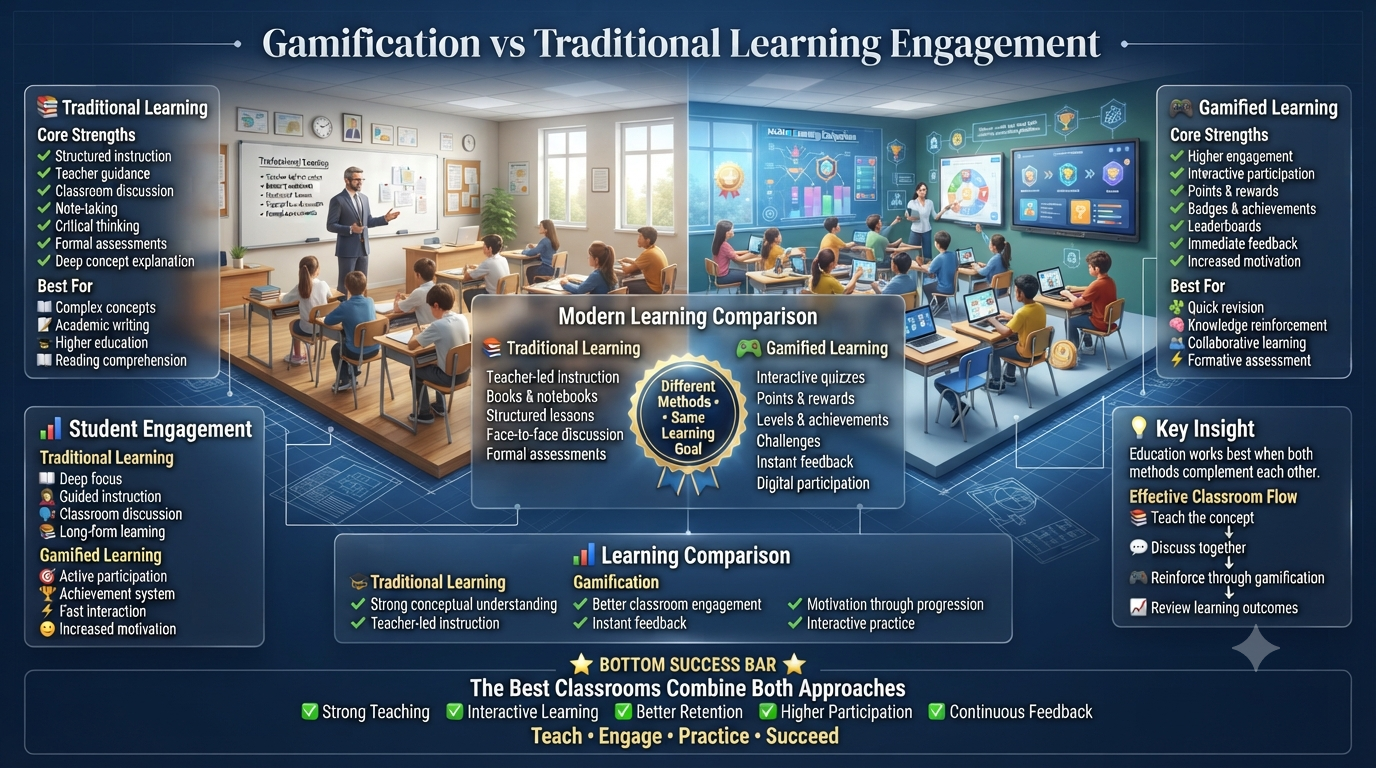
Gamification vs Traditional Learning Engagement-Keeping students genuinely engaged has become one of the biggest challenges in modern education. While access to digital learning tools has expanded dramatically, attention spans, classroom participation, and long-term motivation vary widely across age groups and learning environments. Teachers are no longer asking whether students should use technology—they are asking how to use it in ways that produce meaningful learning outcomes.
One of the most discussed approaches is gamification, where game-inspired elements such as points, badges, levels, challenges, leaderboards, and rewards are incorporated into educational activities. Rather than replacing learning objectives, gamification aims to make the learning process more interactive and motivating. At the same time, traditional learning continues to play a vital role by emphasizing structured instruction, teacher guidance, discussion, note-taking, and formal assessment.
The debate is often framed as “gamification versus traditional learning,” but the reality is more nuanced. Both approaches offer valuable benefits, and each performs differently depending on the subject, age group, learning objectives, classroom culture, and available resources. Understanding these differences helps educators make informed instructional decisions instead of following educational trends without evidence.
This comprehensive guide explores how gamification and traditional learning compare across student engagement, motivation, knowledge retention, collaboration, assessment, classroom management, accessibility, and long-term educational outcomes. Whether you are a teacher introducing game-based learning for the first time, a school leader evaluating instructional strategies, or a student interested in modern learning methods, this guide provides practical insights to help you understand when each approach works best—and why.
Join our professional **Gimkit App Live Show** platform and become part of a growing community with millions of happy learners and gaming enthusiasts. Get complete A-to-Z Gimkit guidance, expert tips, live updates, and valuable learning resources—all in one place. Whether your goal is to improve your skills, stay informed, or discover new earning opportunities, you’ll find everything you need in a professional and supportive environment.
What Is Gamification in Education?
Direct Answer: Gamification is the practice of applying game mechanics to educational activities to encourage participation, persistence, motivation, and active learning without turning the lesson into a full-fledged game.
Gamification borrows proven motivational techniques from games and integrates them into educational experiences. Instead of simply presenting information, educators create learning environments where students complete challenges, earn rewards, unlock achievements, monitor progress, or compete individually and collaboratively.
Importantly, gamification is different from game-based learning. In gamification, the lesson remains the primary focus, while game elements enhance the learning experience. In game-based learning, an actual educational game becomes the learning activity itself.
Common Gamification Elements
Game Element
Educational Purpose
Points
Reward completed work and participation
Badges
Recognize achievements or milestones
Levels
Show progression through content
Leaderboards
Encourage friendly competition
Challenges
Promote active problem-solving
Streaks
Build consistent study habits
Quests
Organize lessons into engaging objectives
Instant Feedback
Help students correct mistakes quickly
These mechanics provide immediate responses to student actions, making progress visible and encouraging continued participation.
Why Gamification Has Become Popular
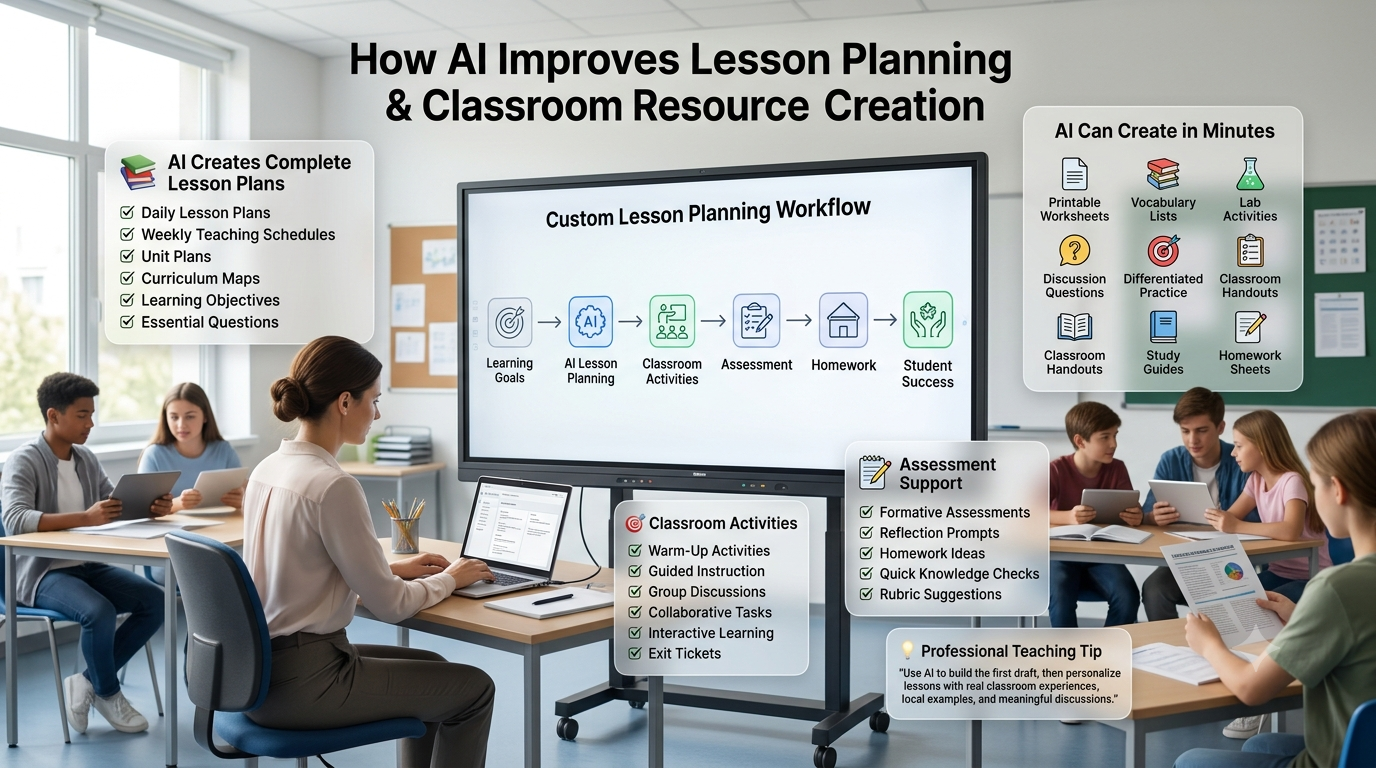
Educational technology has made gamification easier to implement than ever before. Digital platforms now allow teachers to create interactive quizzes, collaborative competitions, adaptive learning paths, and real-time progress tracking with minimal preparation time.
However, successful gamification depends less on technology and more on thoughtful instructional design. Simply adding points or rewards does not automatically improve learning. The activities must remain aligned with educational objectives and encourage meaningful thinking rather than superficial participation.
What Is Traditional Learning?
Direct Answer: Traditional learning is a structured teaching approach in which instructors guide students through lessons using lectures, discussions, textbooks, demonstrations, assignments, and formal assessments.
Traditional education has formed the foundation of classrooms for generations because it provides consistency, organization, and clear instructional pathways. Teachers introduce concepts, explain them systematically, answer questions, assign practice, and evaluate understanding using established assessment methods.
Although traditional instruction is sometimes criticized for being teacher-centered, modern classrooms often combine lectures with discussions, collaborative work, practical exercises, and project-based assignments.
Core Characteristics of Traditional Learning
Traditional classrooms typically include:
Direct instruction
Guided practice
Classroom discussion
Independent assignments
Homework
Written examinations
Teacher feedback
Structured curriculum progression
These components emphasize deep conceptual understanding while maintaining academic standards across different subjects.
Strengths of Traditional Instruction
One of the greatest advantages of traditional learning is instructional clarity. Students follow an organized curriculum where concepts build upon previous lessons in a logical sequence.
Teachers can also adapt explanations in real time by observing student confusion, asking questions, and adjusting instruction based on classroom responses. This human interaction remains one of traditional education’s strongest assets.
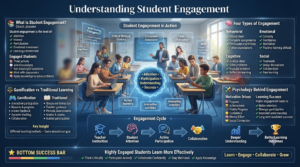
Understanding Student Engagement
Discover what student engagement means, explore its four core dimensions, compare gamification with traditional learning, and understand the psychology behind effective classroom participation.
Direct Answer: Student engagement refers to the level of attention, interest, participation, emotional investment, and commitment students demonstrate during the learning process.
Engagement extends beyond simply paying attention. Truly engaged students actively think about the material, participate in discussions, ask questions, collaborate with peers, and apply what they learn to solve problems.
Educational researchers generally describe engagement through several interconnected dimensions.
Behavioral Engagement
Behavioral engagement includes observable actions such as:
Attending class regularly
Participating in activities
Completing assignments
Following classroom expectations
Contributing to discussions
Students showing high behavioral engagement remain actively involved throughout lessons instead of becoming passive observers.
Emotional Engagement
Emotional engagement reflects how students feel about learning. Curious, confident, and interested learners tend to persist through challenging tasks more effectively than students who feel disconnected or anxious.
Positive emotional experiences often improve classroom participation and increase willingness to tackle difficult concepts.
Cognitive Engagement
Cognitive engagement represents the mental effort students invest in understanding information rather than memorizing facts.
Highly engaged learners:
Analyze information
Connect ideas
Evaluate evidence
Solve problems
Reflect on their learning
These higher-order thinking skills contribute significantly to long-term academic success.
Social Engagement
Learning is frequently a collaborative experience. Social engagement involves interacting with classmates, sharing ideas, participating in group projects, and learning through discussion.
Many gamified activities intentionally strengthen social engagement through teamwork and cooperative challenges.
How Gamification and Traditional Learning Differ
Direct Answer: The primary difference lies in how each approach motivates students and structures learning experiences.
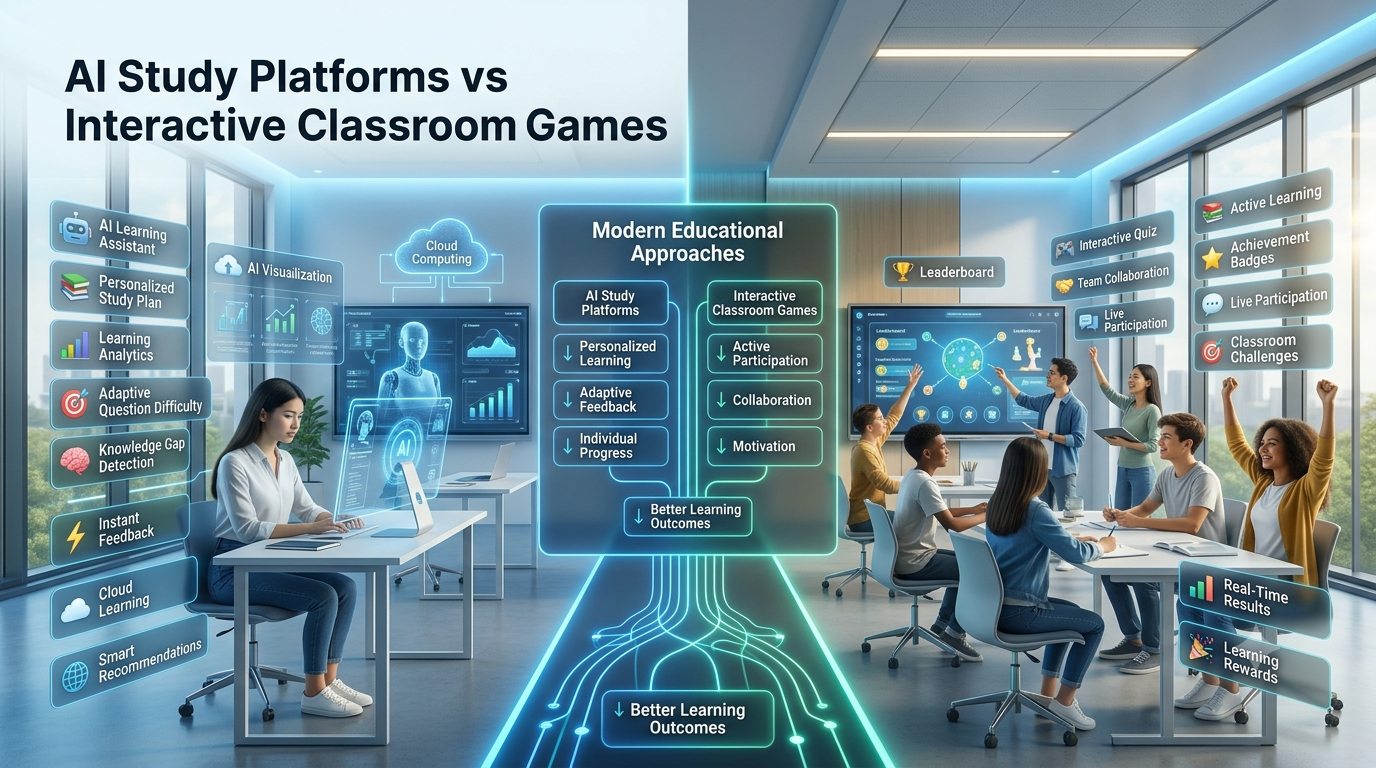
Traditional instruction emphasizes teacher guidance, structured progression, and mastery through explanation and practice. Gamification emphasizes participation, interaction, visible progress, and motivational feedback.
Neither approach is inherently superior. Their effectiveness depends on instructional goals and classroom context.
Aspect
Gamification
Traditional Learning
Motivation
Intrinsic and extrinsic incentives
Primarily intrinsic and academic responsibility
Student Role
Active participant
Active listener with guided participation
Teacher Role
Facilitator and designer
Instructor and subject expert
Feedback
Immediate and continuous
Periodic through assignments and tests
Progress Tracking
Visual and dynamic
Grades and assessments
Collaboration
Often emphasized
Varies by teaching style
Classroom Energy
Highly interactive
More structured and controlled
Technology Use
Frequently integrated
Optional
The comparison demonstrates that the two approaches prioritize different aspects of learning rather than opposing educational philosophies.
The Psychology Behind Learning Engagement
Direct Answer: Both gamification and traditional learning are rooted in established learning theories, but they engage students through different psychological mechanisms.
Understanding these mechanisms helps educators select instructional strategies that match learning objectives instead of relying solely on personal preferences.
Motivation Theory
Motivation plays a central role in engagement. Students are generally more willing to participate when they perceive learning activities as meaningful, achievable, and rewarding.
Gamification often increases short-term motivation by making progress visible through rewards, achievements, and feedback. Traditional learning typically encourages motivation by emphasizing mastery, personal growth, academic achievement, and long-term educational goals.
A balanced classroom recognizes that external rewards may initiate participation, but lasting learning depends on developing internal motivation.
Self-Determination Theory
Self-Determination Theory suggests that learners become more engaged when three psychological needs are supported:
Autonomy
Competence
Relatedness
Gamified environments frequently strengthen competence through visible progress and frequent feedback. They may also increase relatedness by encouraging teamwork and cooperative challenges.
Traditional classrooms can support these same needs through meaningful discussions, student choice, collaborative projects, and constructive teacher relationships.
Active Learning Principles
Educational research consistently shows that students learn more effectively when they actively process information rather than passively receive it.
Gamification naturally encourages interaction because students continuously make decisions, solve problems, and respond to challenges.
Traditional instruction becomes equally engaging when teachers incorporate questioning techniques, classroom discussion, demonstrations, peer instruction, and practical application instead of relying exclusively on lectures.
Core Elements of Gamified Learning
Direct Answer: Effective gamification combines educational objectives with carefully selected motivational mechanics that encourage continuous participation without distracting from learning.
Successful gamified classrooms typically include several interconnected components rather than relying on a single reward system.
Clear Goals
Students should understand exactly what they are expected to achieve. Transparent objectives reduce confusion and improve motivation.
Immediate Feedback
Receiving quick feedback helps learners identify mistakes while concepts remain fresh. This allows students to adjust their understanding before misconceptions become deeply rooted.
Meaningful Rewards
Rewards should recognize progress rather than replace genuine learning. Recognition works best when it reinforces effort, improvement, creativity, collaboration, or mastery rather than simply rewarding speed.
Progressive Challenges
Activities should gradually become more difficult as students develop new skills. This progression maintains interest while preventing frustration or boredom.
Core Elements of Traditional Learning
Direct Answer: Traditional learning succeeds when instruction is organized, purposeful, interactive, and supported by consistent assessment and feedback.
Effective traditional classrooms rely on much more than lectures.
Key instructional elements include:
Clear lesson objectives
Sequential curriculum design
Guided explanations
Classroom questioning
Independent practice
Formative assessment
Summative evaluation
Teacher mentoring
Reflective learning
When implemented thoughtfully, these components create strong academic foundations that support lifelong learning.
Student Motivation: Which Approach Inspires Learners More?
Direct Answer: Gamification often boosts short-term motivation through interactive challenges and visible rewards, while traditional learning develops long-term motivation by encouraging discipline, curiosity, and academic responsibility. The most effective classrooms combine both approaches to sustain engagement over time.
Motivation is one of the strongest predictors of academic success. Students who are motivated invest more effort, participate actively, and are more willing to overcome learning difficulties. However, motivation is not a single concept. Educational psychologists commonly distinguish between extrinsic motivation, driven by external rewards, and intrinsic motivation, driven by personal interest and satisfaction.
Gamification naturally strengthens extrinsic motivation by rewarding participation with points, badges, progress bars, or achievement levels. These features provide immediate recognition and can encourage reluctant learners to participate. For students who struggle to stay focused, visible progress often creates momentum that keeps them engaged.
Traditional learning, on the other hand, tends to emphasize intrinsic motivation. Teachers encourage students to appreciate the value of mastering a subject, developing critical thinking skills, and achieving long-term educational goals. While this approach may take longer to influence behavior, it often produces deeper commitment to learning.
Professional Insight
Experienced educators rarely rely exclusively on rewards. Instead, they gradually shift students from external incentives toward internal satisfaction by celebrating improvement, encouraging curiosity, and providing meaningful learning experiences.
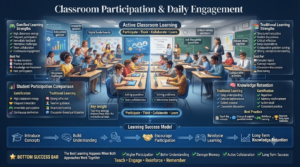
Classroom Participation and Daily Engagement
Compare how gamified learning and traditional teaching influence classroom participation, student engagement, collaboration, and long-term knowledge retention in modern education.
Direct Answer: Gamification generally increases active participation during lessons, while traditional instruction often produces deeper reflection when interactive teaching methods are incorporated.
Participation is more than answering questions. It includes asking thoughtful questions, collaborating with peers, contributing ideas, solving problems, and remaining mentally involved throughout the lesson.
Gamified classrooms often create an energetic learning atmosphere because students receive immediate responses to their actions. Whether answering quiz questions, completing classroom missions, or working through collaborative challenges, learners remain actively involved instead of passively observing.
Traditional classrooms can achieve equally high participation when teachers use discussion-based instruction, think-pair-share activities, demonstrations, debates, and collaborative problem-solving instead of relying solely on lectures.
The teaching strategy matters more than the instructional label. A highly interactive traditional classroom may outperform poorly designed gamification activities.
Knowledge Retention and Long-Term Learning
Direct Answer: Traditional learning generally supports deeper conceptual understanding, while gamification improves repetition, recall, and consistent practice. Combining both often produces the strongest retention.
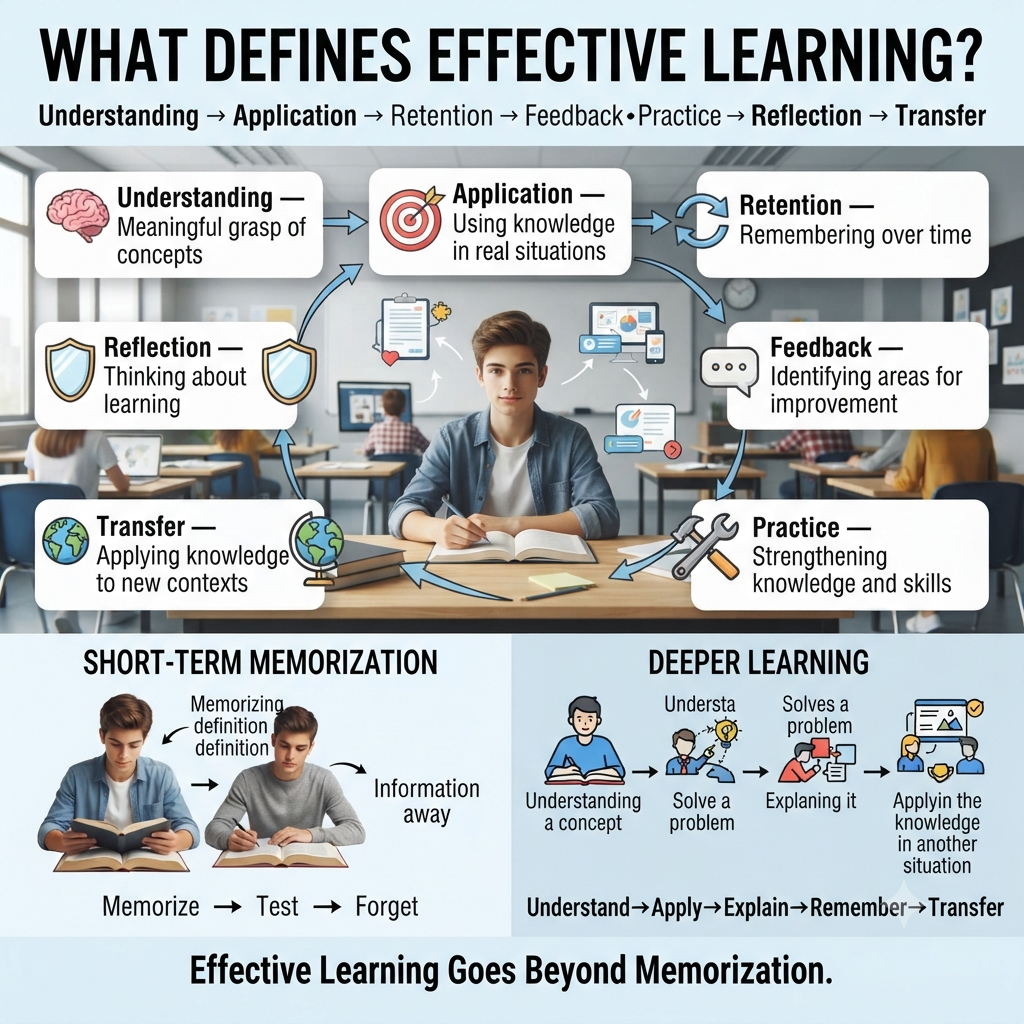
Learning does not end when students answer a question correctly. Long-term retention depends on how often information is revisited, connected to existing knowledge, and applied in different contexts.
Gamified learning encourages repeated exposure through quizzes, review games, spaced challenges, and progress systems. Repetition strengthens memory, especially for vocabulary, formulas, definitions, and factual knowledge.
Traditional learning supports retention by encouraging detailed explanations, note-taking, guided practice, and classroom discussions that help students understand why concepts work rather than simply remembering answers.
Example
A history teacher introducing the causes of World War I may begin with a structured lesson explaining political alliances, nationalism, imperialism, and military expansion. Later, students reinforce their understanding through a gamified review activity where they answer scenario-based questions and collaborate in teams. The combination improves both comprehension and recall.
Best Practice
Use traditional instruction to introduce complex concepts and gamified activities to reinforce and review those concepts over time.
Critical Thinking and Problem-Solving Skills
Direct Answer: Traditional learning often provides stronger opportunities for extended analysis, while well-designed gamification encourages active decision-making and practical application.
Critical thinking involves evaluating evidence, identifying relationships, solving unfamiliar problems, and making informed decisions. These skills require more than memorizing information.
Traditional instruction supports critical thinking through essays, debates, case studies, laboratory investigations, research projects, and teacher-guided discussions. Students have time to explore multiple perspectives before reaching conclusions.
Gamification develops critical thinking when challenges require strategy rather than speed. Educational escape rooms, branching scenarios, simulations, and collaborative problem-solving tasks encourage learners to analyze information under realistic conditions.
Common Mistake
Many educators assume that every gamified activity automatically promotes higher-order thinking. In reality, games focused only on speed or memorization may improve recall but contribute little to analytical reasoning unless carefully designed.
Collaboration and Communication
Direct Answer: Gamification naturally encourages teamwork, while traditional learning develops communication through structured discussion and collaborative assignments.
Modern education values collaboration because students increasingly work in teams throughout higher education and professional careers.
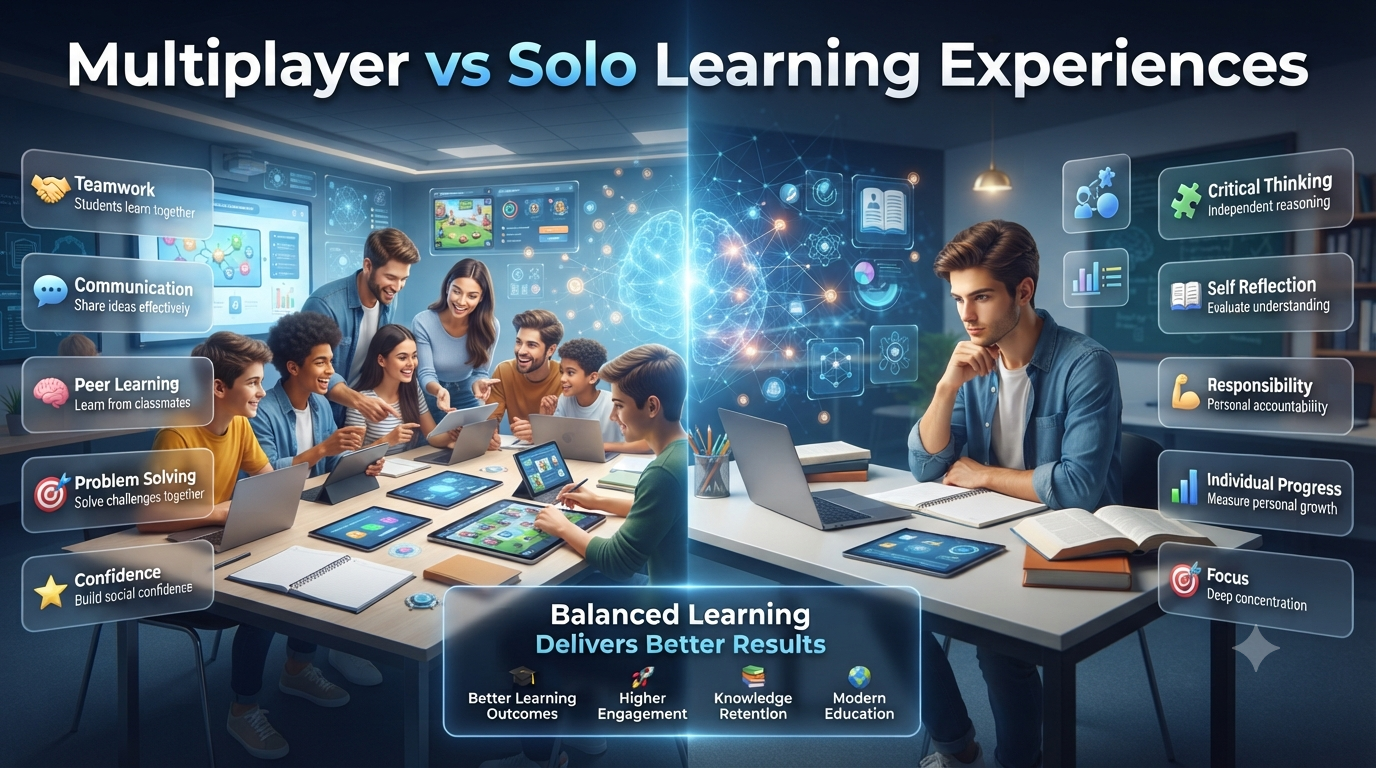
Gamified classrooms frequently organize students into teams that complete missions, solve puzzles, or compete against other groups. Success depends on communication, delegation, and shared decision-making rather than individual performance alone.
Traditional learning supports collaboration through group presentations, peer reviews, project-based learning, seminars, and classroom discussions. These activities often provide more time for thoughtful dialogue and constructive feedback.
Collaboration Comparison
Collaboration Area
Gamification
Traditional Learning
Team Challenges
Excellent
Good
Peer Discussion
Strong
Strong
Long-Term Projects
Moderate
Excellent
Cooperative Learning
High
High
Communication Skills
Good
Excellent
Leadership Opportunities
Strong
Moderate to Strong
Both approaches help students develop interpersonal skills when collaboration is intentionally planned rather than treated as an afterthought.
Assessment and Measuring Student Progress
Direct Answer: Gamification excels at continuous formative assessment, while traditional learning remains stronger for comprehensive summative evaluation.
Assessment serves multiple purposes. It measures understanding, identifies misconceptions, guides instruction, and documents academic progress.
Gamified systems provide immediate feedback after every question or activity. Teachers can quickly identify which concepts require additional explanation because student performance becomes visible in real time.
Traditional assessment usually includes quizzes, essays, projects, practical assignments, presentations, and examinations. These methods often measure deeper understanding and students’ ability to organize complex ideas.
Formative vs Summative Assessment
Assessment Type
Gamification
Traditional Learning
Immediate Feedback
Excellent
Moderate
Progress Monitoring
Excellent
Good
Knowledge Checks
Excellent
Good
Comprehensive Exams
Moderate
Excellent
Essay Evaluation
Limited
Excellent
Research Projects
Limited
Excellent
Professional educators typically use formative assessments throughout instruction and summative assessments to evaluate overall achievement.
Accessibility and Inclusive Learning
Direct Answer: Both approaches can support diverse learners when designed with accessibility, flexibility, and inclusive teaching practices in mind.
Inclusive education requires teachers to recognize that students learn differently. Some prefer visual materials, others benefit from discussion, while some require additional instructional support.
Gamification can increase accessibility by providing adaptive challenges, visual progress indicators, audio support, interactive activities, and self-paced learning opportunities. Digital platforms may also include accessibility features such as screen-reader compatibility, adjustable text sizes, and color-friendly interfaces.
Traditional learning remains highly adaptable because teachers can modify explanations, provide printed materials, offer additional examples, or adjust classroom activities to meet individual learning needs.
Inclusive Teaching Checklist
✔ Use multiple teaching methods rather than relying on a single format.
✔ Provide clear learning objectives before each lesson.
✔ Offer both independent and collaborative activities.
✔ Give students regular feedback.
✔ Ensure digital tools meet accessibility standards.
✔ Encourage participation without forcing competition.
✔ Allow different ways to demonstrate understanding.
Accessibility is not determined by whether learning is gamified or traditional. It depends on thoughtful instructional design.
Which Approach Works Best for Different Age Groups?
Direct Answer: Younger learners often respond strongly to gamification, while older students generally benefit from a balanced combination of structured instruction and interactive learning.
Learning preferences evolve as students mature.
Elementary School
Young children naturally respond to play-based experiences. Gamified learning supports attention, curiosity, and early skill development while reducing anxiety around assessment.
Middle School
Students begin developing greater independence but still benefit from interactive learning. Gamification can maintain engagement during increasingly challenging academic content.
High School
Older students often appreciate learning experiences that connect directly to real-world applications. Traditional instruction provides academic rigor, while gamification maintains participation during review, practice, and collaborative activities.
Higher Education
Universities increasingly integrate simulation-based learning, virtual laboratories, and scenario-based activities alongside lectures, seminars, and research assignments. This blended model reflects professional learning environments.
Subject-Based Comparison
Direct Answer: Different subjects benefit from different instructional approaches because learning objectives vary across disciplines.
Subject
Gamification Strength
Traditional Learning Strength
Mathematics
Practice and review
Conceptual understanding
Science
Simulations and experimentation
Theory and scientific reasoning
History
Interactive timelines and quizzes
Source analysis and interpretation
Languages
Vocabulary practice
Grammar, writing, and conversation
Geography
Interactive maps
Analytical discussion
Computer Science
Coding challenges
Programming theory
Business Studies
Simulations
Strategic analysis
Literature
Reading motivation
Critical interpretation
Rather than asking which approach is universally better, teachers should consider the specific learning outcomes for each lesson. A vocabulary review may benefit from gamification, while analyzing a literary theme may require deeper discussion through traditional instruction.
Professional Insight: The Rise of Blended Learning
Educational institutions worldwide increasingly recognize that the strongest learning environments combine traditional teaching with carefully planned interactive experiences.
Teachers may introduce new concepts through direct instruction, reinforce knowledge using gamified review activities, assess understanding through classroom discussion, and evaluate mastery with projects or examinations. This balanced workflow allows students to benefit from both structured academic guidance and engaging learning experiences.
A blended approach recognizes that engagement is not created by technology alone. It is created by purposeful teaching that keeps students actively thinking, questioning, practicing, and applying what they learn.
Advantages and Limitations of Both Learning Approaches
Direct Answer: Neither gamification nor traditional learning is universally better. Each has distinct strengths and limitations, and understanding these helps educators choose the right approach for specific learning goals rather than following trends.
The most effective educators evaluate the lesson objectives, student needs, available resources, and assessment requirements before deciding how to teach. A balanced perspective avoids treating either approach as a complete replacement for the other.
Advantages of Gamification
Higher Initial Engagement
Gamification captures students’ attention quickly through interactive activities, visible progress, and immediate feedback. Students who are normally hesitant to participate often become more willing to answer questions and complete learning tasks.
Increased Motivation
Game mechanics such as achievements, progress tracking, and classroom challenges encourage students to remain involved throughout lessons. While rewards should never replace meaningful learning, they can provide an effective starting point for building positive learning habits.
Immediate Feedback
Students benefit from knowing whether they understand a concept immediately instead of waiting until a graded assignment is returned. Quick feedback also allows teachers to identify misconceptions before they become larger learning gaps.
Greater Classroom Participation
Interactive activities encourage more students to contribute. Instead of hearing from only a few confident learners, many gamified activities involve every student simultaneously.
Better Practice Opportunities
Subjects requiring repeated practice—such as mathematics, vocabulary, spelling, and factual recall—often benefit from frequent low-pressure review sessions supported by gamified activities.
Limitations of Gamification
Risk of Reward Dependence
If students become focused only on earning points or winning competitions, they may lose sight of the learning objectives. Teachers should gradually encourage intrinsic motivation alongside external rewards.
Unequal Competitive Experiences
Leaderboards and competitive activities can motivate some learners while discouraging others. Students who consistently rank near the bottom may become less confident if competition is overused.
Technology Requirements
Many gamified platforms depend on reliable internet access and appropriate devices. Schools with limited technological resources may face implementation challenges.
Preparation Time
Designing meaningful gamified lessons requires thoughtful planning. Effective activities align with curriculum objectives rather than simply entertaining students.
Advantages of Traditional Learning
Strong Conceptual Understanding
Traditional instruction allows teachers to explain complex ideas thoroughly, answer questions, and build knowledge step by step.
Structured Learning Progression
Lessons follow a logical sequence that helps students connect new concepts with previously learned material.
Flexible Teaching
Experienced teachers can adjust explanations based on classroom discussions, student questions, and observed misunderstandings.
Academic Skill Development
Traditional learning supports writing, research, note-taking, critical reading, presentation skills, and analytical thinking—abilities that remain valuable throughout higher education and professional careers.
Comprehensive Assessment
Essays, projects, presentations, and examinations provide opportunities to evaluate deep understanding rather than simple recall.
Limitations of Traditional Learning
Lower Immediate Engagement
Lengthy lectures without interaction may reduce attention, particularly among younger learners or students who prefer active learning.
Delayed Feedback
Students sometimes wait several days before receiving assessment results, slowing opportunities for immediate improvement.
Passive Participation
If lessons rely exclusively on teacher-centered instruction, some students may become passive listeners instead of active participants.
Limited Personalization
Large classrooms can make it difficult for teachers to adapt instruction to every student’s preferred learning style or pace.
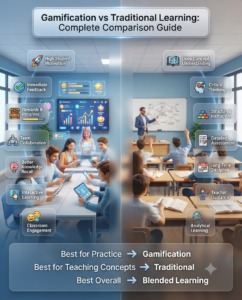
Gamification vs Traditional Learning: Complete Comparison
Professional infographic illustrating the key differences between gamification and traditional learning, helping educators choose the best instructional approach for improving student engagement and long-term learning outcomes.
Feature
Gamification
Traditional Learning
Student Motivation
High initially
Builds gradually
Long-Term Discipline
Moderate
Strong
Conceptual Understanding
Good
Excellent
Knowledge Recall
Excellent
Good
Collaboration
Excellent
Good to Excellent
Critical Thinking
Good (if designed well)
Excellent
Classroom Energy
High
Moderate
Immediate Feedback
Excellent
Moderate
Technology Requirement
Usually High
Low
Assessment Depth
Moderate
Excellent
Teacher Flexibility
High
High
Best Use
Practice, review, engagement
Instruction, explanation, mastery
Decision Framework: Which Approach Should You Choose?
Direct Answer: The best choice depends on your educational objectives rather than personal preference.
Choose Gamification When You Want To:
Increase classroom participation.
Review previously taught material.
Practice factual knowledge.
Improve student motivation.
Encourage teamwork.
Make repetitive practice more enjoyable.
Provide immediate feedback.
Choose Traditional Learning When You Want To:
Introduce new concepts.
Explain difficult theories.
Develop writing skills.
Conduct detailed discussions.
Teach analytical thinking.
Assess comprehensive understanding.
Build long-term academic skills.
Choose a Blended Approach When You Want To:
Maximize engagement without sacrificing academic depth.
Balance motivation with mastery.
Improve classroom participation while maintaining curriculum standards.
Support diverse learning preferences.
Combine continuous feedback with formal assessment.
For most schools, the blended approach offers the greatest flexibility because it leverages the strengths of both instructional methods.
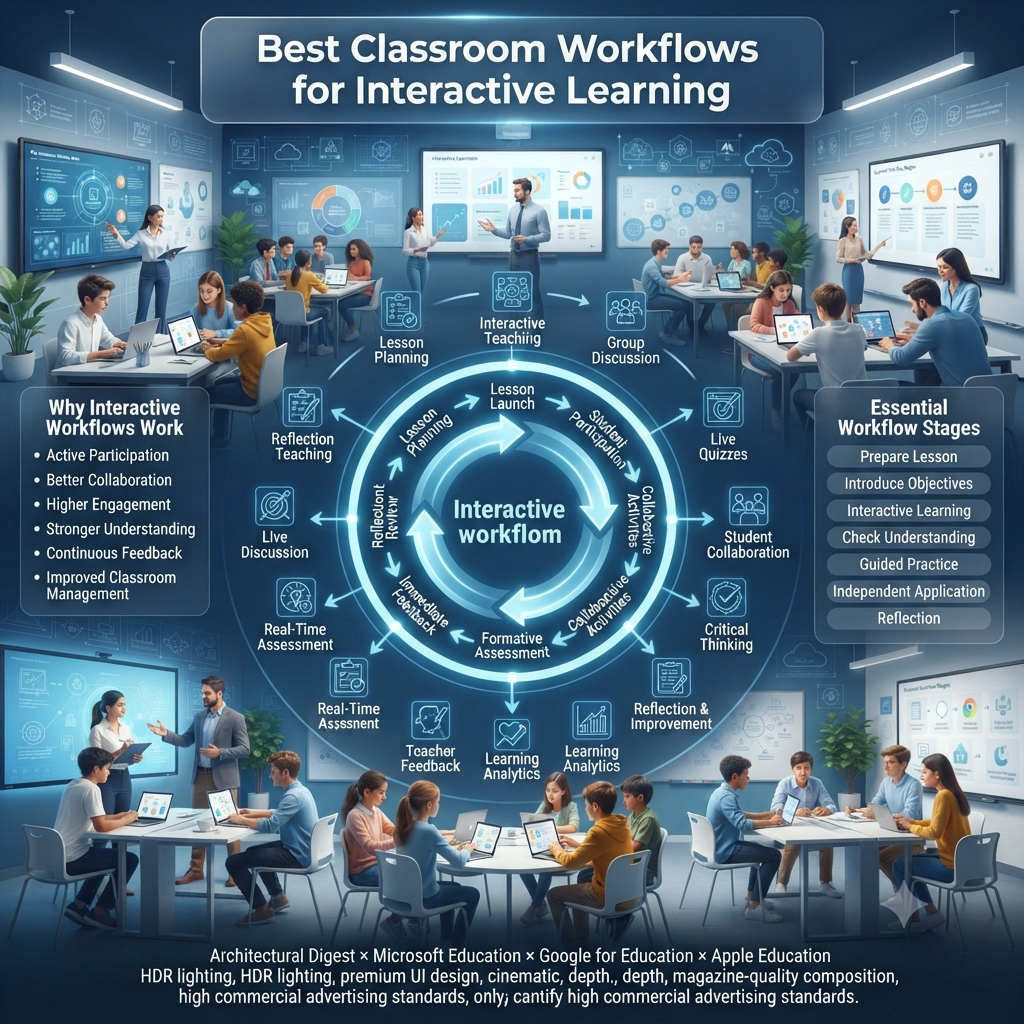
Professional Workflow for Teachers
Many experienced educators follow a workflow similar to this:
Learning Objective
        │
        ▼
Teacher Introduction
        │
        ▼
Concept Explanation
        │
        ▼
Guided Practice
        │
        ▼
Gamified Reinforcement
        │
        ▼
Class Discussion
        │
        ▼
Independent Practice
        │
        ▼
Assessment
        │
        ▼
Reflection and Feedback
This workflow keeps instruction organized while maintaining student engagement throughout the learning cycle.
Common Mistakes Teachers Should Avoid
Using Gamification Only for Entertainment
Educational games should reinforce learning objectives. Activities that are enjoyable but disconnected from curriculum goals rarely improve academic outcomes.
Overusing Competition
Healthy competition can motivate students, but excessive focus on rankings may discourage learners who need additional support. Cooperative challenges often produce more inclusive classrooms.
Ignoring Learning Objectives
Every lesson should begin with clearly defined outcomes. Gamification should support these objectives rather than replace them.
Assuming Lectures Are Always Ineffective
Well-structured explanations remain valuable, especially when introducing unfamiliar or complex concepts. The effectiveness of traditional learning depends largely on instructional quality.
Relying on One Teaching Method
Students benefit from varied instructional strategies. Rotating between discussion, independent work, collaborative projects, practical activities, and gamified review helps sustain engagement.
Best Practices for Combining Gamification and Traditional Learning
Before the Lesson
Define measurable learning objectives.
Select appropriate instructional strategies.
Prepare assessment criteria.
Ensure technology functions properly if digital tools will be used.
During the Lesson
Introduce concepts clearly.
Encourage student questions.
Alternate between explanation and interaction.
Monitor participation.
Provide immediate clarification when misconceptions appear.
After the Lesson
Review learning outcomes.
Analyze assessment results.
Collect student feedback.
Identify areas requiring additional instruction.
Adjust future lessons based on classroom performance.
Future Trends in Student Engagement
Education continues to evolve alongside advances in technology, learning science, and classroom research. Several trends are shaping future instructional practices:
Adaptive learning systems that personalize activities based on student performance.
AI-assisted feedback supporting teachers with routine assessment tasks.
Greater use of simulation-based learning in science, healthcare, engineering, and vocational education.
Increased emphasis on collaborative problem-solving rather than memorization alone.
More flexible hybrid learning environments combining classroom and online instruction.
Stronger focus on social-emotional learning alongside academic achievement.
These developments suggest that future classrooms will likely integrate interactive technologies while preserving the essential role of skilled teachers.
Summary
Gamification and traditional learning pursue the same ultimate goal: helping students learn effectively. Their primary difference lies in how they engage learners.
Gamification increases participation through interaction, immediate feedback, and visible progress. It is particularly effective for review activities, skill practice, collaboration, and maintaining motivation.
Traditional learning provides structured instruction, detailed explanations, critical thinking opportunities, and comprehensive assessment. It remains essential for introducing complex concepts and building long-term academic skills.
Rather than viewing these approaches as competitors, educators should treat them as complementary instructional tools. A carefully planned blend of direct instruction, active learning, discussion, and meaningful gamification often produces the strongest educational outcomes.
Profesional Recomandations & Expert Reviews for Your Best Experience
Gamification vs Traditional Learning Engagement compares two educational approaches that motivate students in different ways.
Gamification vs Traditional Learning Engagement shows that active participation often increases when learning feels interactive.
Gamification vs Traditional Learning Engagement highlights how traditional instruction emphasizes structured lessons and direct teaching.
Gamification vs Traditional Learning Engagement demonstrates that game-based activities can make classroom review more enjoyable.
Gamification vs Traditional Learning Engagement encourages teachers to balance entertainment with meaningful educational objectives.
Gamification vs Traditional Learning Engagement reveals that student motivation varies according to learning preferences.
Gamification vs Traditional Learning Engagement supports using interactive challenges to maintain classroom attention.
Gamification vs Traditional Learning Engagement shows that traditional classrooms often encourage deeper teacher-led discussions.
Gamification vs Traditional Learning Engagement demonstrates that immediate feedback strengthens student participation.
Gamification vs Traditional Learning Engagement encourages learners to remain involved through continuous interaction.
Gamification vs Traditional Learning Engagement highlights that traditional learning develops consistent academic discipline.
Gamification vs Traditional Learning Engagement supports active practice through frequent classroom participation.
Gamification vs Traditional Learning Engagement encourages students to review difficult concepts repeatedly.
Gamification vs Traditional Learning Engagement demonstrates that engagement increases when lessons feel personally meaningful.
Gamification vs Traditional Learning Engagement supports collaborative learning through classroom interaction and teamwork.
Gamification vs Traditional Learning Engagement encourages healthy competition when managed responsibly.
Gamification vs Traditional Learning Engagement highlights the importance of maintaining educational goals during gameplay.
Gamification vs Traditional Learning Engagement demonstrates that traditional teaching builds strong conceptual understanding.
Gamification vs Traditional Learning Engagement supports flexible instruction across different subjects and grade levels.
Gamification vs Traditional Learning Engagement encourages teachers to adapt instructional strategies to student needs.
Gamification vs Traditional Learning Engagement shows that engagement improves when students actively participate instead of passively listening.
Gamification vs Traditional Learning Engagement highlights the value of immediate correction during learning activities.
Gamification vs Traditional Learning Engagement supports long-term retention through repeated practice and reinforcement.
Gamification vs Traditional Learning Engagement encourages students to stay focused during classroom review sessions.
Gamification vs Traditional Learning Engagement demonstrates that traditional instruction remains essential for introducing complex concepts.
Gamification vs Traditional Learning Engagement supports interactive review after teacher explanations have been completed.
Gamification vs Traditional Learning Engagement encourages continuous formative assessment throughout the learning process.
Gamification vs Traditional Learning Engagement highlights that learning effectiveness depends on instructional quality rather than teaching style alone.
Gamification vs Traditional Learning Engagement supports student confidence through regular participation and constructive feedback.
Gamification vs Traditional Learning Engagement demonstrates that engaging classrooms encourage stronger academic performance.
Gamification vs Traditional Learning Engagement encourages teachers to combine digital tools with proven instructional methods.
Gamification vs Traditional Learning Engagement supports personalized learning through adaptable classroom activities.
Gamification vs Traditional Learning Engagement highlights that meaningful engagement requires clear learning objectives.
Gamification vs Traditional Learning Engagement encourages thoughtful lesson planning regardless of instructional approach.
Gamification vs Traditional Learning Engagement supports stronger classroom relationships through collaborative activities.
Gamification vs Traditional Learning Engagement demonstrates that motivation grows when students experience measurable progress.
Gamification vs Traditional Learning Engagement encourages balancing academic rigor with enjoyable learning experiences.
Gamification vs Traditional Learning Engagement supports different learning styles through varied instructional strategies.
Gamification vs Traditional Learning Engagement highlights that classroom success depends on active student involvement.
Gamification vs Traditional Learning Engagement encourages reflective learning after every instructional activity.
Gamification vs Traditional Learning Engagement supports stronger knowledge retention through immediate application of new concepts.
Gamification vs Traditional Learning Engagement demonstrates that technology should enhance rather than replace effective teaching.
Gamification vs Traditional Learning Engagement encourages educators to evaluate engagement using meaningful learning outcomes.
Gamification vs Traditional Learning Engagement supports regular review that strengthens academic confidence over time.
Gamification vs Traditional Learning Engagement highlights the importance of maintaining student curiosity throughout lessons.
Gamification vs Traditional Learning Engagement encourages classrooms where participation becomes a natural part of learning.
Gamification vs Traditional Learning Engagement supports continuous improvement through consistent assessment and feedback.
Gamification vs Traditional Learning Engagement demonstrates that both approaches contribute valuable educational benefits.
Gamification vs Traditional Learning Engagement encourages teachers to choose strategies that best match classroom objectives.
Gamification vs Traditional Learning Engagement shows that students often remain attentive longer when lessons include meaningful interactive activities.
Gamification vs Traditional Learning Engagement demonstrates that traditional instruction provides the structured foundation needed before interactive practice begins.
Gamification vs Traditional Learning Engagement encourages teachers to use game-based reviews after introducing new concepts through direct instruction.
Gamification vs Traditional Learning Engagement supports stronger classroom participation by combining discussion, practice, and interactive assessment.
Gamification vs Traditional Learning Engagement highlights that different age groups may respond differently to game-based learning experiences.
Gamification vs Traditional Learning Engagement encourages educators to measure learning outcomes instead of focusing only on student excitement.
Gamification vs Traditional Learning Engagement demonstrates that meaningful engagement occurs when activities remain closely connected to curriculum objectives.
Gamification vs Traditional Learning Engagement supports knowledge retention by giving students multiple opportunities to apply what they have learned.
Gamification vs Traditional Learning Engagement encourages teachers to adjust instructional methods according to classroom performance and student feedback.
Gamification vs Traditional Learning Engagement highlights that well-designed educational games should reinforce learning rather than distract from it.
Gamification vs Traditional Learning Engagement demonstrates that traditional learning strengthens analytical thinking through explanation, discussion, and guided practice.
Gamification vs Traditional Learning Engagement supports collaborative classrooms where students actively contribute instead of remaining passive listeners.
Gamification vs Traditional Learning Engagement encourages balanced lesson planning that combines instruction, interaction, assessment, and reflection.
Gamification vs Traditional Learning Engagement shows that immediate feedback allows students to correct misunderstandings before they become long-term learning gaps.
Gamification vs Traditional Learning Engagement supports continuous classroom motivation through achievable learning goals and regular academic progress.
Gamification vs Traditional Learning Engagement encourages teachers to use technology as a teaching tool rather than the primary instructional method.
Gamification vs Traditional Learning Engagement demonstrates that engagement increases when students clearly understand the purpose of every classroom activity.
Gamification vs Traditional Learning Engagement supports long-term academic growth by combining consistent instruction with active participation opportunities.
Gamification vs Traditional Learning Engagement highlights that successful classrooms adapt teaching strategies to meet diverse student learning needs.
Frequently Asked Questions
1. What is the biggest difference between gamification and traditional learning?
The biggest difference is how students engage with the learning process. Traditional learning primarily relies on teacher-led instruction, textbooks, lectures, note-taking, and written assessments, while gamification incorporates game elements such as points, levels, challenges, rewards, leaderboards, and instant feedback to make learning more interactive. Although both approaches aim to achieve the same educational goals, they motivate students in different ways.
Neither method is inherently superior in every situation. Traditional instruction excels at delivering structured, in-depth content, whereas gamification increases participation, reinforces concepts through active practice, and encourages continuous engagement. The strongest educational outcomes usually occur when both methods are combined to create a balanced learning experience.
Key differences include:
Traditional learning emphasizes instruction and lectures.
Gamification encourages active participation.
Immediate feedback is common in gamified activities.
Traditional methods often use formal assessments.
Gamification increases motivation through rewards.
Both approaches support different learning objectives.
2. Does gamification improve academic performance?
Yes, when implemented thoughtfully, gamification can improve academic performance by increasing student motivation, participation, knowledge retention, and classroom engagement. Interactive learning encourages students to practice concepts repeatedly, receive immediate feedback, and stay actively involved throughout lessons. These factors often contribute to stronger understanding and improved long-term memory.
However, gamification is most effective when it supports meaningful learning objectives rather than focusing only on entertainment. Well-designed educational games should reinforce curriculum standards, encourage critical thinking, and promote collaboration instead of rewarding speed alone.
Benefits of educational gamification:
Increases classroom engagement.
Improves knowledge retention.
Encourages active participation.
Provides immediate feedback.
Supports formative assessment.
Makes review sessions more enjoyable.
3. Is traditional learning becoming outdated?
No. Traditional learning continues to play a vital role in education because it provides structured instruction, comprehensive explanations, guided discussion, and opportunities for deep critical thinking. Lectures, textbooks, written assignments, and classroom discussions remain essential for teaching complex concepts that require careful analysis and sustained attention.
Rather than replacing traditional education, modern teaching increasingly combines it with digital learning tools and gamification. This blended approach allows educators to maintain academic rigor while improving student engagement and participation through interactive learning experiences.
Traditional learning remains valuable because it:
Provides structured instruction.
Supports detailed concept exploration.
Encourages critical thinking.
Develops reading and writing skills.
Builds academic discipline.
Complements modern educational technology.
4. Which subjects benefit most from gamification?
Gamification can enhance learning across almost every subject, but it is especially effective in areas that involve frequent practice, review, and knowledge reinforcement. Mathematics, science, language learning, history, geography, and vocabulary development often benefit because students repeatedly apply concepts while receiving immediate feedback on their performance.
The flexibility of gamified learning also allows teachers to adapt activities for different age groups and learning objectives. Whether reviewing formulas, historical events, scientific terminology, or language skills, interactive learning can increase participation without sacrificing educational quality.
Subjects that commonly benefit include:
Mathematics.
Science.
English and vocabulary.
Foreign languages.
History.
Geography.
5. Can gamification replace teachers?
No. Gamification is a teaching strategy—not a replacement for professional educators. Teachers remain responsible for planning lessons, explaining complex concepts, supporting students, providing personalized guidance, managing classrooms, and evaluating learning outcomes. Educational games enhance instruction, but they cannot replace human expertise, mentorship, or meaningful classroom interaction.
The most successful classrooms use gamification as one component of a broader instructional strategy. Teachers determine when interactive activities are appropriate and ensure they support clearly defined learning objectives rather than becoming distractions.
Teachers remain essential because they:
Explain difficult concepts.
Personalize instruction.
Provide emotional and academic support.
Assess student understanding.
Facilitate classroom discussions.
Guide long-term learning development.
6. What is the ideal balance between gamification and traditional learning?
The ideal balance depends on students’ age, subject matter, curriculum goals, and lesson objectives. Traditional instruction is often most effective for introducing new concepts and developing deeper understanding, while gamification works exceptionally well for review, practice, formative assessment, and reinforcing previously learned material.
Instead of viewing the two methods as competitors, educators should integrate them strategically. Combining direct instruction with interactive learning creates a more engaging classroom while maintaining academic rigor and supporting different learning styles.
A balanced classroom approach includes:
Introduce concepts through direct teaching.
Reinforce learning with gamified activities.
Use games for review and assessment.
Encourage classroom discussions.
Include written assignments and projects.
Evaluate learning through multiple assessment methods.
7. How can schools successfully implement gamification?
Successful implementation begins with clear educational goals rather than simply introducing games into the classroom. Schools should select tools that align with curriculum standards, provide teacher training, establish consistent instructional practices, and regularly evaluate student outcomes. Gamification should always support meaningful learning instead of becoming an isolated entertainment activity.
Long-term success also depends on balancing technology with effective teaching practices. Regular feedback, collaborative learning, ongoing assessment, and thoughtful lesson planning help ensure gamification improves student engagement while maintaining high academic standards.
Best practices for implementation:
Align games with curriculum objectives.
Train teachers before classroom adoption.
Use gamification to support—not replace—instruction.
Monitor student engagement and progress.
Encourage collaboration and healthy competition.
Continuously evaluate and improve teaching strategies.
Conclusion
The discussion surrounding Gamification vs Traditional Learning Engagement should not focus on choosing a winner. Both approaches contribute valuable strengths to effective education, and each addresses different aspects of student learning.
Gamification creates energetic, interactive learning experiences that encourage participation, provide immediate feedback, and make repetitive practice more engaging. Traditional learning offers structured instruction, deeper conceptual understanding, and the academic rigor needed to develop critical thinking and long-term knowledge.
The strongest classrooms recognize that engagement and achievement are interconnected. Students need opportunities to explore, collaborate, reflect, and practice in meaningful ways. By thoughtfully combining traditional teaching with well-designed gamified activities, educators can create learning environments that are engaging, inclusive, academically rigorous, and prepared to meet the evolving needs of modern learners.