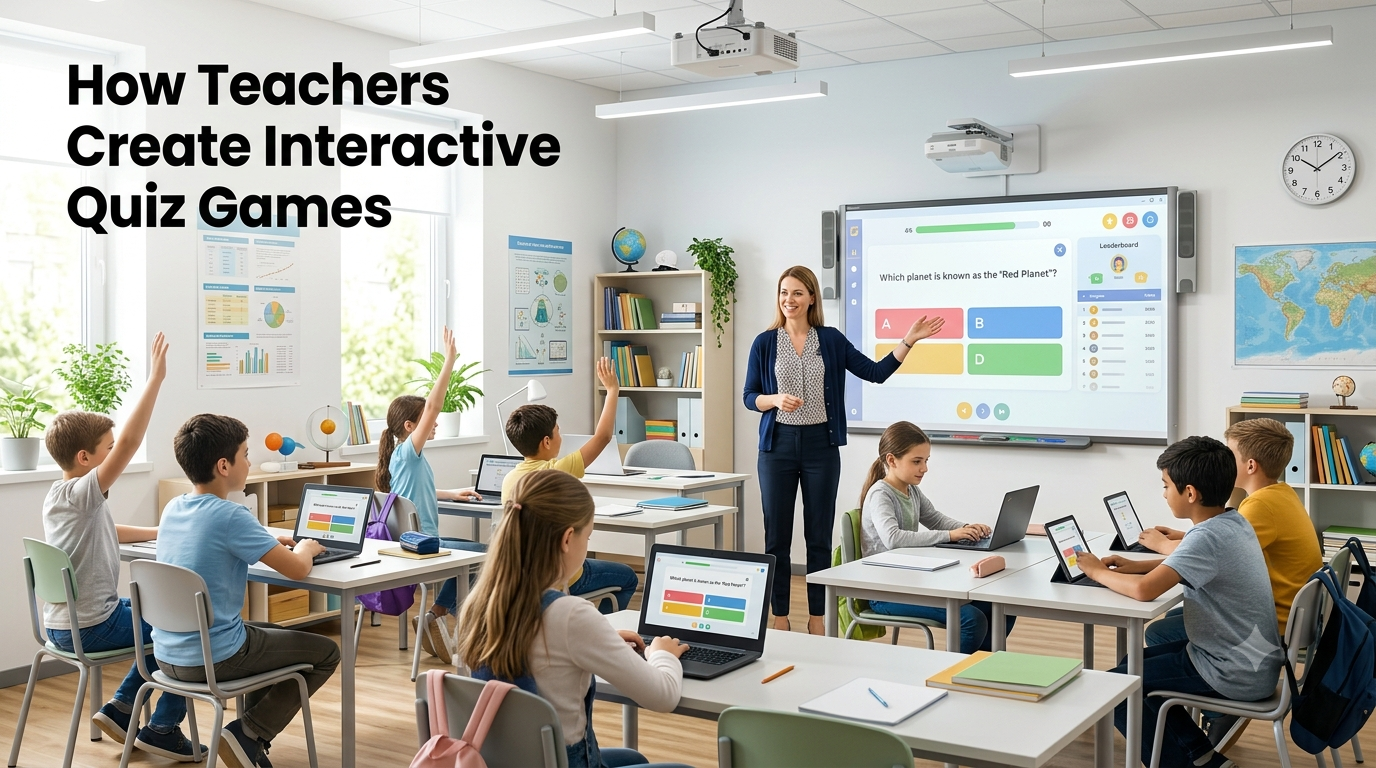
How Teachers Create Interactive Quiz Games-Interactive quiz games have transformed classroom learning by making lessons more engaging, collaborative, and memorable. Instead of relying solely on traditional worksheets or lectures, teachers can now turn almost any topic into an interactive game that motivates students to participate actively. Platforms like Gimkit have become popular because they combine formative assessment with game mechanics, allowing educators to check understanding while keeping students excited about learning.
Creating an effective quiz game involves much more than writing a list of questions. Successful teachers design games around clear learning objectives, choose question types that promote critical thinking, and customize gameplay settings to match the needs of their students. The result is a learning experience where assessment feels less like a test and more like an enjoyable challenge.
Interactive Gimkit quiz games also provide valuable insights into student performance. Teachers can quickly identify learning gaps, monitor individual progress, and adjust instruction based on real-time results. This immediate feedback supports differentiated teaching and helps students improve before formal assessments.
Whether you teach elementary school, middle school, high school, or college, interactive quiz games can fit almost any subject. Mathematics, science, history, language arts, foreign languages, business studies, and even professional training programs can benefit from game-based learning strategies.
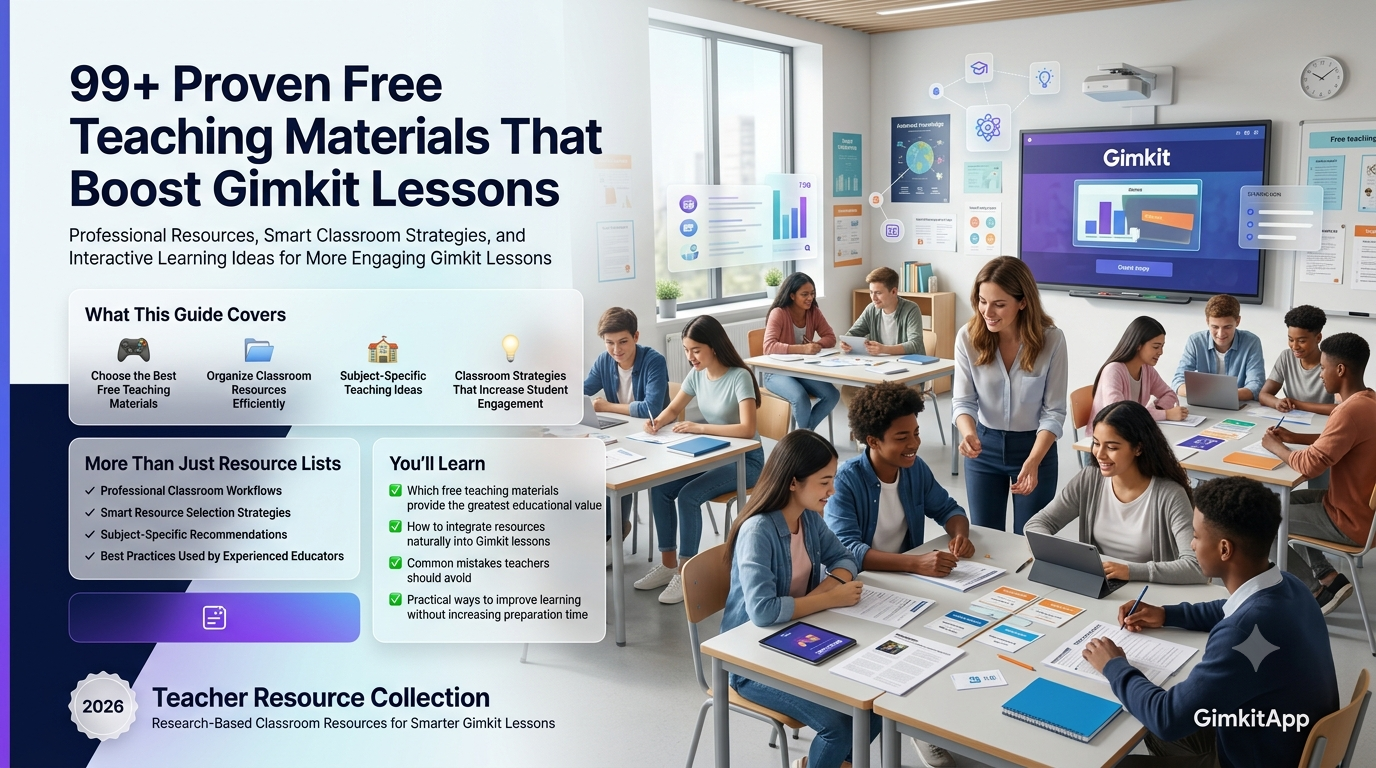
This guide explains the complete process of creating interactive quiz games—from planning educational objectives to designing high-quality questions, selecting game modes, hosting live sessions, assigning homework, analyzing reports, and applying advanced teaching strategies. Along the way, you’ll also discover practical examples, expert recommendations, common mistakes to avoid, and best practices that experienced educators use to maximize student engagement and learning outcomes.You should get in touch on our official Gimkit Live learning & earning shows that specially organized for teachers & students on Gimkit Official App
Why Interactive Quiz Games Improve Learning
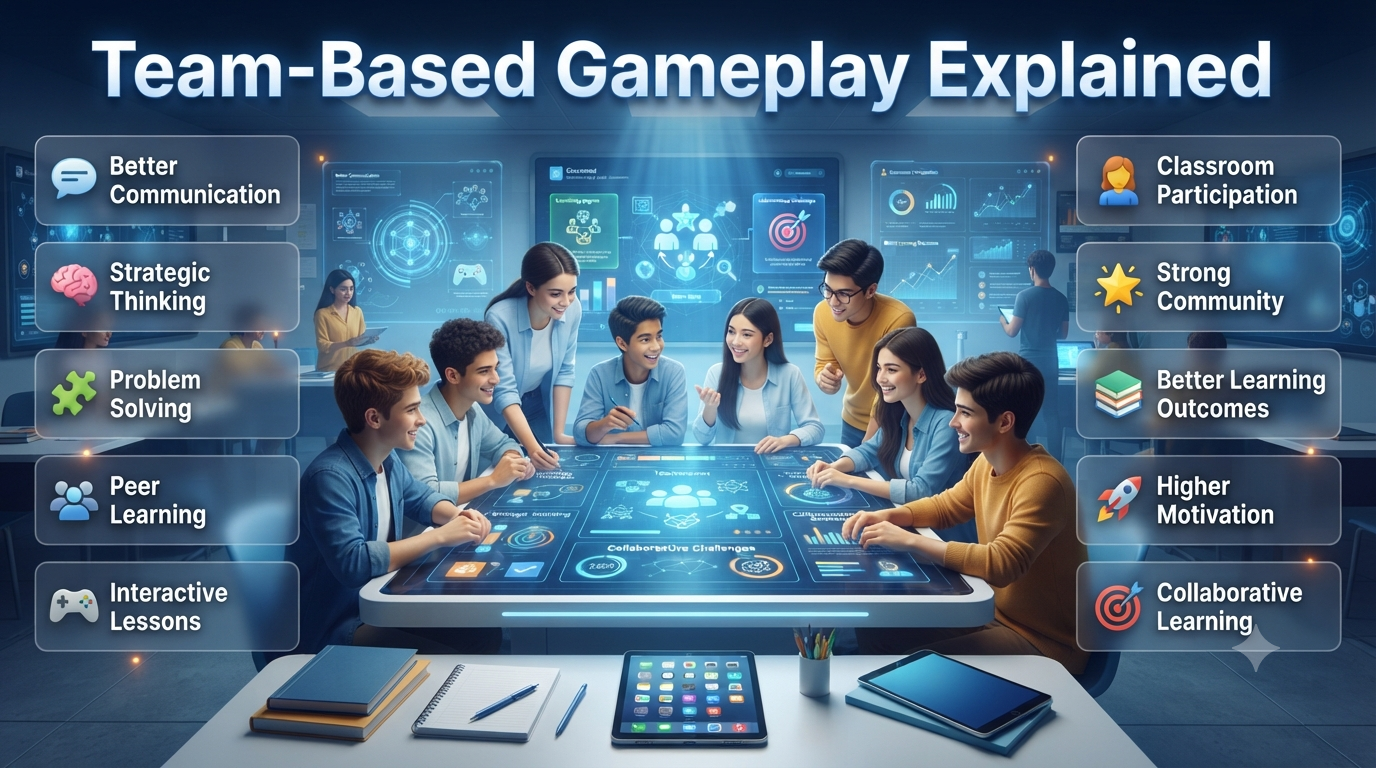
Interactive quiz games improve learning because they transform students from passive listeners into active participants. Instead of simply reading information or listening to explanations, students repeatedly recall knowledge, solve problems, and make decisions under engaging conditions. This active participation strengthens memory retention while making lessons more enjoyable and less intimidating than traditional testing methods.
Educational research consistently shows that active recall and immediate feedback improve long-term understanding. Interactive quiz platforms encourage students to retrieve information from memory multiple times during gameplay. Every correct or incorrect answer becomes a learning opportunity rather than just a score on a test. Teachers also gain instant insight into which concepts need additional instruction.
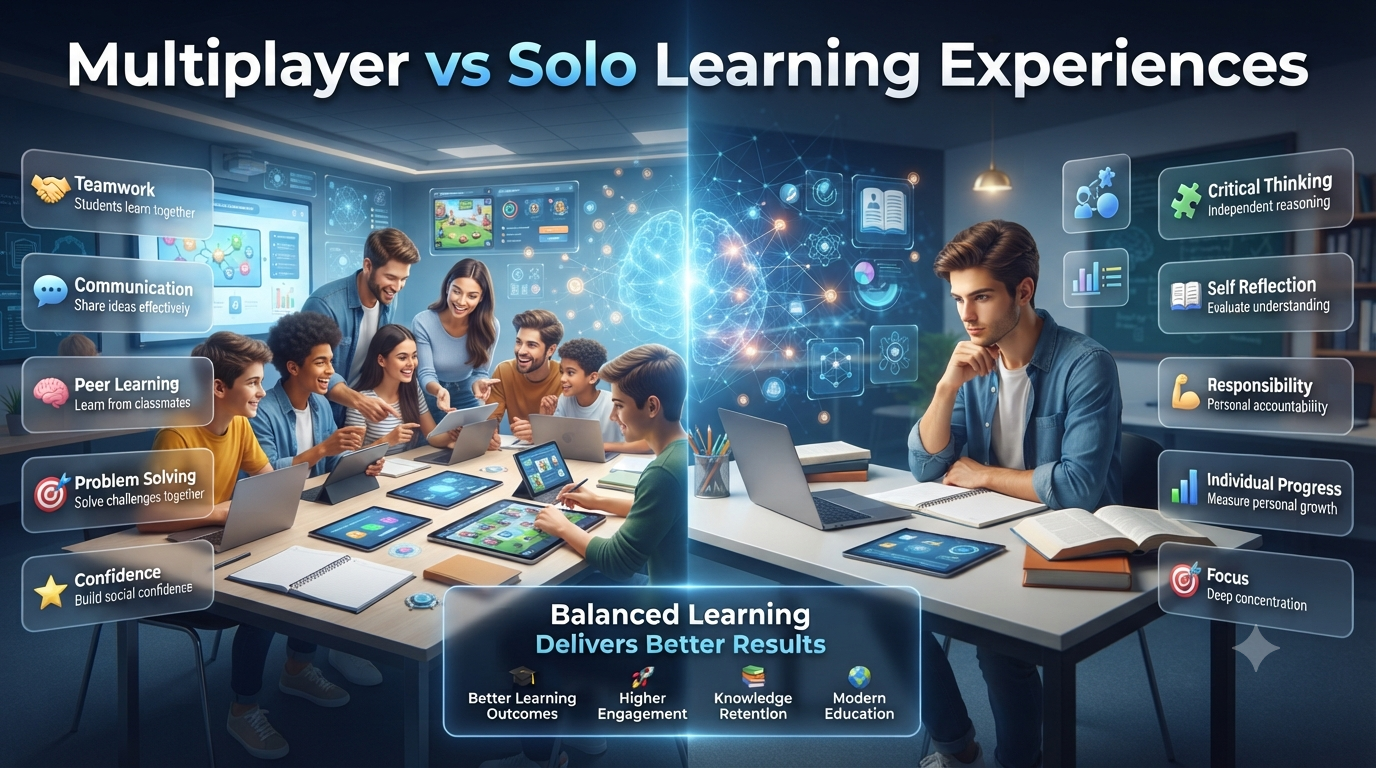
Another advantage is motivation. Many students become more willing to participate when lessons include game elements such as points, rewards, leaderboards, power-ups, or team challenges. Even learners who are usually reluctant to answer questions in class often become more engaged during interactive quiz sessions because the environment feels less stressful and more enjoyable.
Unlike paper-based quizzes that only provide results after grading, interactive games offer real-time performance data. Teachers can immediately identify misconceptions, pause the activity to explain difficult concepts, and adjust instruction before students develop lasting misunderstandings. This immediate response creates a continuous learning cycle rather than a delayed assessment process.
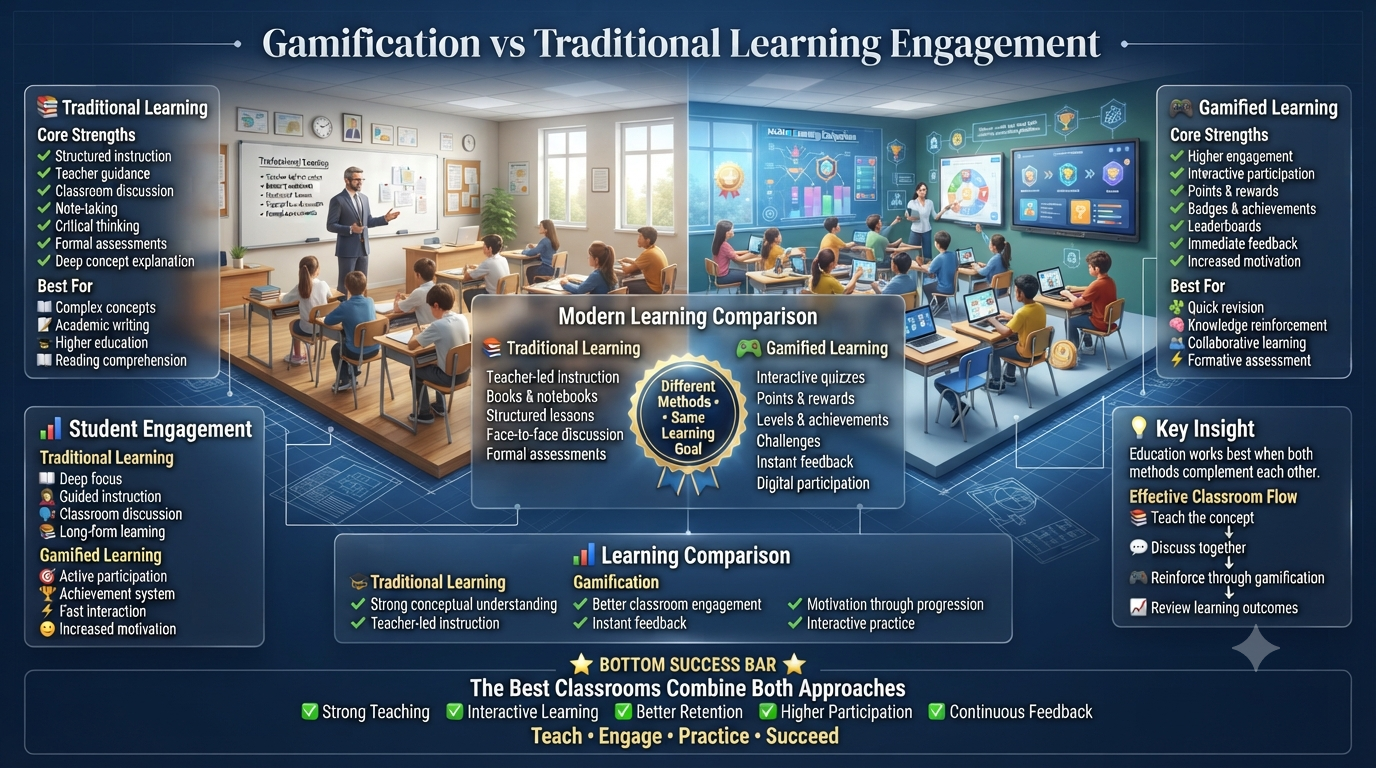
Traditional Quizzes vs Interactive Quiz Games
Feature
Traditional Quiz
Interactive Quiz Game
Student Engagement
Moderate
Very High
Feedback Speed
Delayed
Immediate
Teacher Analytics
Limited
Detailed
Student Motivation
Often Low
High
Collaboration Options
Minimal
Individual and Team-Based
Classroom Interaction
Limited
Continuous
Learning Reinforcement
Single Attempt
Repeated Practice
Adaptability
Low
High
Expert Insight: Interactive quiz games should support learning objectives—not replace quality teaching. The strongest classrooms use game-based learning to reinforce instruction rather than relying on games alone.
Understanding Game-Based Learning in Modern Classrooms
Game-based learning uses structured educational games to help students understand concepts through participation instead of passive observation. Unlike entertainment games, educational quiz games are designed around curriculum standards, learning objectives, and measurable outcomes. Every question serves a purpose, whether reinforcing prior knowledge, introducing new concepts, or checking student understanding.
Modern classrooms increasingly combine direct instruction with interactive activities because students learn differently. Some learners absorb information through discussion, while others benefit from visual materials, repetition, or hands-on problem-solving. Interactive quiz games accommodate multiple learning preferences by combining text, images, timers, rewards, and immediate feedback into one experience.
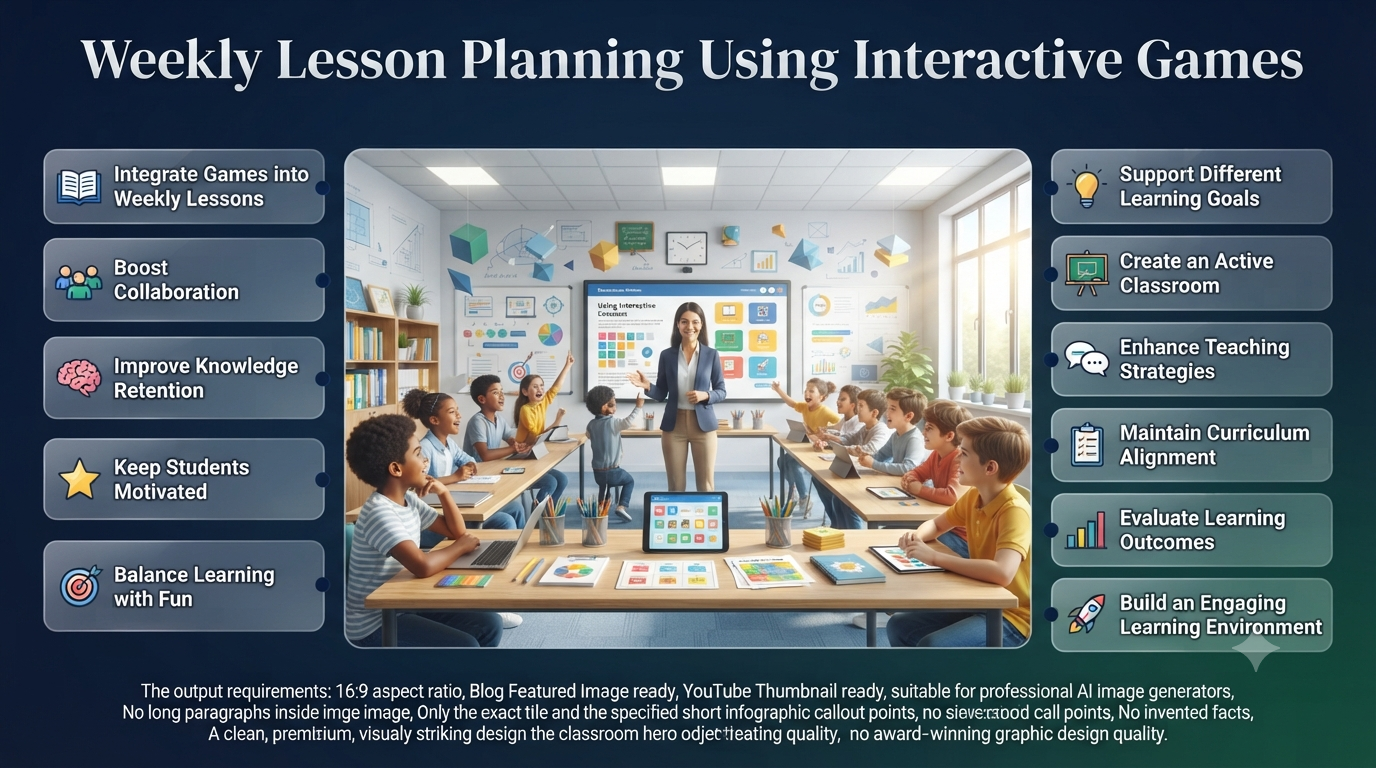
Teachers also appreciate the flexibility of game-based learning. A five-minute review game can refresh previous lessons before introducing new material, while a longer session can serve as a complete revision activity before exams. Homework games extend learning beyond the classroom, allowing students to practice independently at their own pace.
Perhaps the greatest strength of game-based learning is its ability to normalize mistakes. Instead of fearing incorrect answers, students receive instant feedback and often have opportunities to improve during the same activity. This encourages a growth mindset where errors become part of the learning process rather than something to avoid.
Core Elements of Effective Game-Based Learning
Clear educational objectives
Active student participation
Immediate feedback
Meaningful rewards and progression
Opportunities for repeated practice
Performance tracking and analytics
Classroom discussion after gameplay
Continuous improvement based on results
Choosing the Right Quiz Platform for Your Teaching Goals
Selecting the right quiz platform depends on your instructional goals, classroom environment, student age group, and preferred teaching style. While many educational tools offer quizzes, each platform emphasizes different strengths. Some prioritize competition, while others focus on collaboration, homework assignments, or formative assessment.
Teachers should begin by asking what they want students to accomplish. If the goal is rapid classroom engagement with game mechanics and strategic play, a platform like Gimkit may fit well. For fast-paced classroom competitions, some educators compare it with Kahoot!. Others choose Quizizz for self-paced learning or Blooket for its variety of game modes. Platforms such as Nearpod and Google Classroom are also commonly used alongside quiz tools to deliver lessons and manage assignments.
Rather than choosing a platform based solely on popularity, evaluate how well it supports your curriculum. Features such as question customization, reporting dashboards, homework assignments, accessibility options, and classroom management tools often have a greater impact on long-term teaching success than flashy game mechanics.
Comparison of Popular Interactive Quiz Platforms
Platform
Best For
Strength
Consideration
Gimkit
Live classes and homework
Strategy-based gameplay with detailed reports
Some advanced features require a paid plan
Kahoot!
Classroom competitions
Fast-paced live quizzes
Less emphasis on long-term progression
Quizizz
Independent learning
Self-paced assignments and homework
Different gameplay style than live competitions
Blooket
Variety of game experiences
Multiple game modes for review
Gameplay can sometimes distract from learning goals
Professional Recommendation: Choose the platform that aligns with your teaching objectives rather than the one with the most game features. Educational outcomes should always guide technology decisions.
Planning Learning Objectives Before Creating a Quiz
Defining clear learning objectives before creating a quiz helps teachers design meaningful questions, measure student understanding, and improve classroom learning outcomes.
The most successful interactive quiz games begin long before the first question is written. Effective teachers first define what students should know or be able to do by the end of the activity. These learning objectives become the foundation for every question, challenge, and game setting.
Without clear objectives, quizzes often become collections of random questions that test isolated facts instead of meaningful understanding. Students may enjoy the activity, but the educational value remains limited. A well-planned quiz ensures that every question contributes to measurable learning outcomes.
Learning objectives also help determine the appropriate difficulty level. Beginners may require questions that reinforce vocabulary and basic concepts, while advanced learners benefit from scenarios requiring analysis, evaluation, and problem-solving. Matching question complexity to student readiness creates a more productive learning experience.
Experienced educators frequently organize quizzes around one central objective rather than covering too many unrelated topics in a single game. Focused quizzes produce clearer performance data, making it easier to identify strengths and areas requiring additional instruction.
Checklist for Strong Learning Objectives
Before creating your quiz, confirm that each objective:
Supports your lesson or curriculum standards.
Defines a measurable learning outcome.
Matches your students’ current knowledge level.
Can be assessed through meaningful questions.
Encourages understanding rather than memorization alone.
Provides useful feedback for future instruction.
Best Practice: If you cannot clearly explain why a question belongs in your quiz, it probably does not support your learning objective and should be revised or removed.
Identifying Your Target Student Group
The effectiveness of an interactive quiz game depends heavily on understanding who will play it. Students of different ages, skill levels, and learning styles respond differently to game mechanics, question complexity, and pacing. Before creating your quiz, define your audience so every design decision supports meaningful learning rather than unnecessary difficulty.
Age is only one consideration. Two classes in the same grade may have different reading abilities, prior knowledge, and confidence levels. A quiz that challenges one group appropriately may overwhelm another. Experienced teachers adjust vocabulary, question length, visual support, and time limits according to the needs of each class instead of using a one-size-fits-all approach.
Student motivation also influences quiz design. Younger learners often respond well to colorful visuals and shorter activities, while older students generally appreciate real-world scenarios, analytical questions, and collaborative challenges. Understanding what motivates your learners helps create games that maintain attention from start to finish.
Teachers should also consider classroom diversity. English language learners, students with learning differences, and advanced learners may all participate in the same activity. Designing flexible quiz experiences ensures every student has a fair opportunity to demonstrate understanding.
Student Group Planning Guide
Student Group
Recommended Approach
Question Style
Game Length
Elementary School
Visual, simple instructions
Basic recall with images
10–15 minutes
Middle School
Interactive and collaborative
Mixed recall and application
15–20 minutes
High School
Analytical thinking
Scenario-based questions
20–30 minutes
College & Adult Learners
Real-world problem solving
Case studies and evaluation
20–40 minutes
Expert Tip: Design the quiz for your least confident learners without making it too easy for advanced students. Balanced difficulty keeps the entire class engaged.
Selecting the Best Question Types for Different Subjects
Different subjects require different approaches to assessment. A history lesson may focus on chronological understanding, while mathematics emphasizes problem-solving and science encourages logical reasoning. Choosing the right question type helps students demonstrate genuine understanding instead of simple memorization.
Multiple-choice questions remain popular because they are quick to answer and easy to analyze, but they should not dominate every quiz. Mixing question formats encourages deeper thinking and reduces the likelihood of students guessing their way through the activity. Variety also keeps learners engaged throughout longer review sessions.
Teachers should select question formats based on the learning objective rather than convenience. For example, vocabulary recognition may work well with multiple choice, whereas scientific reasoning may require interpreting diagrams or evaluating experimental outcomes.
A balanced assessment combines knowledge recall with application, analysis, and decision-making. This approach provides a clearer picture of student understanding and better prepares learners for real-world problem solving.
Instead of using twenty similar questions, create a balanced sequence such as:
Review previously learned concepts.
Introduce application-based questions.
Include one or two challenging scenarios.
Finish with confidence-building questions that reinforce learning.
This progression helps maintain student motivation while gradually increasing cognitive demand.
How Teachers Create Interactive Quiz Games Step by Step
Creating an engaging educational quiz follows a structured workflow. Experienced teachers rarely begin by typing questions immediately. Instead, they move through a planning process that ensures the final game supports learning goals, fits classroom time, and generates useful assessment data.
The first step is defining the lesson objective. Once the learning outcome is clear, teachers gather key concepts, identify common misconceptions, and determine how success will be measured. Only after this preparation do they begin writing questions and selecting game settings.
Next comes quiz construction. Questions should follow a logical sequence, progressing from foundational knowledge to more complex thinking. Images, diagrams, and examples can be added where they improve understanding rather than simply decorating the activity.
Finally, teachers review the entire game before sharing it with students. Testing the quiz helps identify confusing wording, incorrect answers, technical issues, or pacing problems that could interrupt learning during class.
Professional Quiz Creation Workflow
Lesson Goal
      │
      ▼
Learning Objectives
      │
      ▼
Select Key Concepts
      │
      ▼
Write High-Quality Questions
      │
      ▼
Add Images or Visuals
      │
      ▼
Choose Game Settings
      │
      ▼
Review and Test
      │
      ▼
Launch with Students
      │
      ▼
Analyze Results
      │
      ▼
Improve Future Lessons
Step-by-Step Process
Step 1: Define the Learning Goal
Decide exactly what students should understand after completing the activity. A focused objective leads to stronger questions and clearer assessment results.
Step 2: Outline the Main Concepts
List the essential ideas that students must master. Avoid including unrelated topics that could reduce the quiz’s effectiveness.
Step 3: Write Purposeful Questions
Every question should assess an important concept. Remove questions that exist only to increase quiz length or difficulty.
Step 4: Organize Questions Logically
Arrange questions from simple to challenging. This builds student confidence while gradually increasing the level of thinking required.
Step 5: Configure Gameplay
Select appropriate time limits, scoring rules, collaboration options, and assignment settings that match your classroom objectives.
Step 6: Test Before Launching
Play through the quiz yourself to confirm that every question displays correctly, answers are accurate, and instructions are easy to understand.
Professional Workflow: High-quality quiz games are usually revised several times before students ever see them. Careful testing produces smoother classroom experiences and more reliable assessment results.
Creating a New Quiz from Scratch
Building a quiz from scratch gives teachers complete control over the learning experience. Instead of adapting someone else’s materials, educators can align every question with curriculum standards, classroom discussions, and current student needs. This personalized approach often produces stronger learning outcomes because the content reflects what students have actually studied.
Begin by selecting one topic rather than trying to cover an entire unit. Focused quizzes generate more meaningful performance data and make it easier to identify specific areas where students require additional support. As your question library grows, smaller quizzes can later be combined into comprehensive review activities.
When writing questions, clarity should always take priority over complexity. Students should spend their time thinking about the concept—not trying to understand confusing wording. Simple language, precise instructions, and realistic examples improve both engagement and assessment accuracy.
After drafting the quiz, review every question carefully. Verify correct answers, eliminate ambiguity, and check that each item supports the intended learning objective. Even small wording changes can significantly improve student understanding and the reliability of assessment results.
New Quiz Creation Checklist
Define one clear learning objective.
Cover only the most important concepts.
Write concise, unambiguous questions.
Include a balanced range of difficulty levels.
Add visuals only when they improve understanding.
Review every answer before publishing.
Test the quiz from a student perspective.
Best Practice: A shorter, carefully designed quiz often provides more useful learning data than a long quiz filled with repetitive or low-value questions.
Importing Existing Question Sets
Creating every quiz from the ground up is not always practical, especially when preparing multiple classes or reviewing large units. Importing existing question sets can significantly reduce preparation time while allowing teachers to focus on improving question quality, aligning content with lesson objectives, and customizing gameplay for their students.
However, imported quizzes should never be used without review. Questions created by other educators may follow different curriculum standards, include outdated terminology, or use language that doesn’t match your students’ reading level. Taking time to edit imported material ensures the quiz accurately supports your instructional goals.
Many teachers use imported question banks as a starting point rather than a finished product. They remove unnecessary questions, update examples, add current classroom vocabulary, and adjust the difficulty level before assigning the activity. This approach combines efficiency with educational quality.
Another advantage of imported question sets is consistency. Teachers working in the same department or grade level can share review materials, helping maintain common learning expectations while still allowing individual customization for different classes.
When Importing Questions Is a Good Choice
Importing question sets works particularly well when you need to:
Review an entire unit before an exam.
Reinforce previously taught concepts.
Build quizzes from curriculum-aligned resources.
Collaborate with other teachers.
Save preparation time during busy school weeks.
Create differentiated versions of the same assessment.
Professional Recommendation: Treat imported questions as editable resources, not finished assessments. Reviewing every question maintains instructional quality and improves student outcomes.
Using AI to Generate Quiz Questions Responsibly
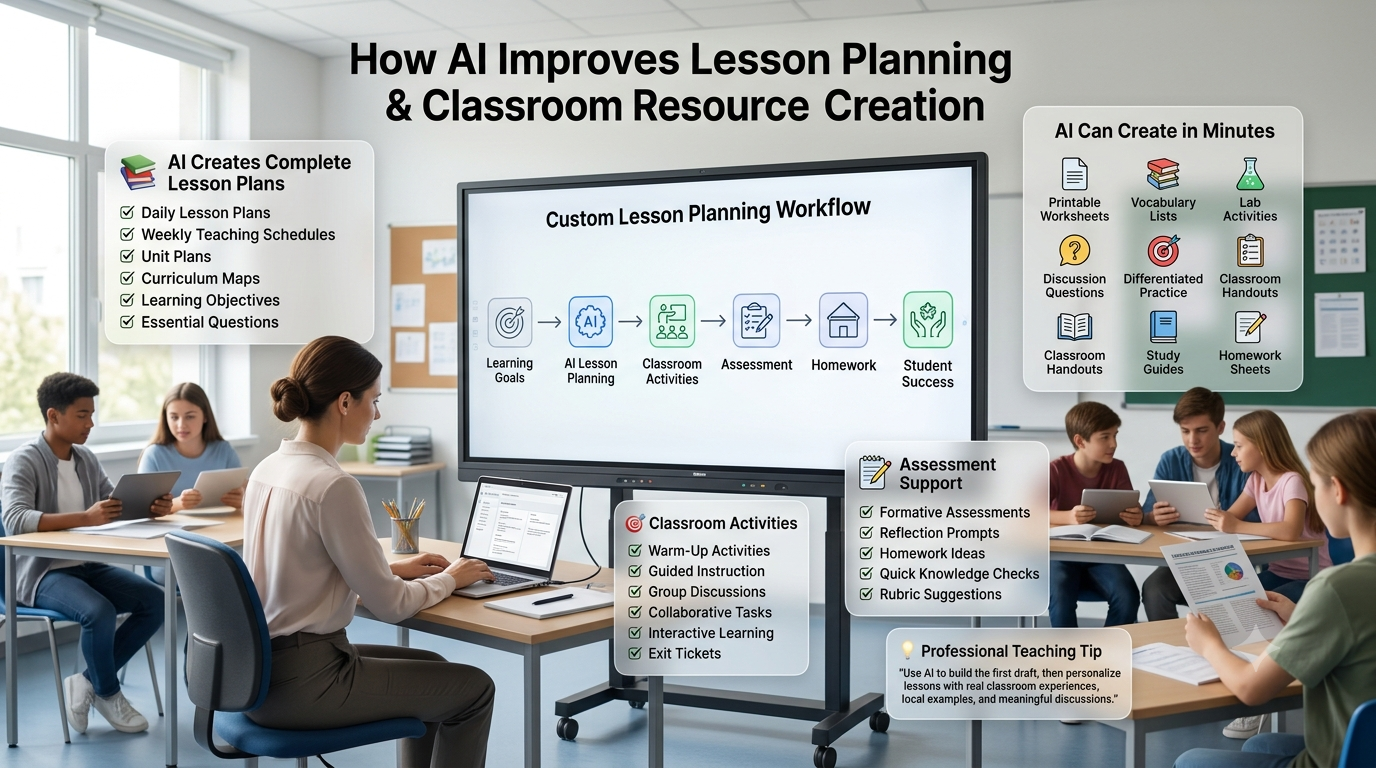
Teachers can use AI to draft quiz questions more efficiently while reviewing, editing, and aligning every question with classroom learning objectives and curriculum standards.
Artificial intelligence can help teachers create quiz questions more quickly, but it should support professional judgment rather than replace it. AI-generated questions can provide useful drafts, suggest alternative wording, or generate practice examples, allowing educators to spend more time refining lessons and supporting students.
Despite these advantages, AI-generated content requires careful review. Automatically created questions may contain factual inaccuracies, unclear wording, duplicate ideas, or examples that do not match your curriculum. Teachers remain responsible for ensuring every question is accurate, age-appropriate, and educationally valuable.
The best workflow combines AI efficiency with teacher expertise. Generate a draft, review every question, improve the wording, verify the answers, and add classroom-specific examples. This process maintains educational integrity while reducing repetitive work.
Teachers should also avoid relying entirely on AI for assessment design. Students benefit most when quizzes reflect classroom discussions, local curriculum standards, and concepts that have actually been taught. Personalized assessments often provide more meaningful learning experiences than generic question sets.
Best Practices for Using AI in Quiz Creation
Recommended Practice
Why It Matters
Review every generated question
Prevents factual errors
Edit wording for your students
Improves readability
Verify correct answers
Ensures assessment accuracy
Add classroom examples
Makes learning more relevant
Remove repetitive questions
Improves engagement
Align with lesson objectives
Keeps assessments meaningful
Common AI Mistakes Teachers Should Watch For
Questions that are too easy or too difficult.
Incorrect answer keys.
Ambiguous wording with multiple possible answers.
Duplicate concepts repeated throughout the quiz.
Content that falls outside the current lesson.
Examples that students may not recognize.
Expert Insight: AI works best as a teaching assistant, not as the final author of your assessment. Teacher expertise remains essential for creating high-quality educational experiences.
Writing Effective Multiple-Choice Questions
Multiple-choice questions remain one of the most effective assessment formats when designed carefully. They allow teachers to measure understanding efficiently, provide immediate feedback, and generate useful performance data. However, poorly written questions often assess reading ability or guessing skills rather than actual knowledge.
Every multiple-choice question should begin with a clear problem or statement that students can understand without reading every answer option first. The correct answer should be unquestionably accurate, while incorrect options should be realistic enough to challenge students who have not fully mastered the concept.
Strong distractors—the incorrect answer choices—play an important role. If one option is obviously correct or the remaining choices are clearly unrealistic, the question becomes too easy and provides little assessment value. Well-designed distractors reveal common misconceptions and help teachers identify where students need additional instruction.
Teachers should also avoid trick questions. The goal of assessment is to measure learning, not confuse students. Clear wording, consistent formatting, and logical answer choices create a fair testing environment where results accurately reflect student understanding.
Characteristics of High-Quality Multiple-Choice Questions
Good Practice
Poor Practice
Clear and concise wording
Long, confusing sentences
One correct answer
Multiple possible correct answers
Realistic distractors
Obviously incorrect options
Curriculum-focused content
Irrelevant trivia
Consistent answer length
Correct answer noticeably longer
Positive wording whenever possible
Double negatives and confusing phrasing
Example Structure
Question
Which planet is known as the Red Planet?
A. Earth
B. Mars ✅
C. Venus
D. Jupiter
This question is effective because it is straightforward, has one correct answer, and uses believable distractors that students commonly recognize.
Best Practice: Read every question aloud before publishing. If the wording sounds confusing when spoken, students may struggle to interpret it correctly during gameplay.
Creating Higher-Order Thinking Questions
While factual recall is important, the most valuable quiz games encourage students to think beyond memorization. Higher-order thinking questions require learners to analyze information, evaluate evidence, solve problems, or apply knowledge in unfamiliar situations. These questions develop critical thinking skills that extend beyond classroom assessments.
Teachers can create more challenging questions by presenting realistic scenarios instead of asking students to recall isolated facts. Rather than asking for a definition, ask students to identify the best solution, predict an outcome, or explain why one option is more effective than another.
Scenario-based questions are particularly useful in science, mathematics, business, technology, and social studies because they connect classroom knowledge with real-world decision-making. Students learn not only what they know but also how to use that knowledge effectively.
A balanced quiz should include both foundational knowledge and higher-order thinking. Starting with simpler questions builds confidence, while more complex scenarios encourage deeper understanding as the activity progresses.
Bloom’s Taxonomy and Question Design
Cognitive Skill
Example Question Focus
Remember
Recall facts or definitions
Understand
Explain concepts
Apply
Use knowledge in a new situation
Analyze
Compare or identify relationships
Evaluate
Judge the best solution
Create
Design or propose an original solution
Example of a Higher-Order Question
Instead of asking:
What is photosynthesis?
Ask:
A plant is placed in a dark room for two weeks. Which change is most likely to occur, and why?
This version requires students to apply scientific understanding rather than simply recalling a definition.
Professional Tip: Include at least two or three higher-order thinking questions in every quiz. These questions often reveal whether students truly understand the material or have only memorized facts.
Designing Questions That Promote Critical Thinking
Critical thinking questions encourage students to examine information carefully, recognize patterns, evaluate evidence, and justify decisions instead of relying solely on memorized facts. These questions prepare learners for real-world problem-solving because they require thoughtful analysis rather than simple recall.
One effective strategy is to present realistic situations that have more than one plausible solution. Students must compare options, identify the strongest evidence, and determine which answer best addresses the problem. This process develops reasoning skills while helping teachers understand how students think, not just what they remember.
Critical thinking questions should remain clear even when they are challenging. Complexity should come from the thinking required, not from confusing language or hidden tricks. When students understand the question but still need to analyze carefully, the assessment becomes far more meaningful.
Teachers can also encourage discussion after the game by reviewing these questions together. Asking students to explain why one answer is stronger than another transforms the quiz into an extension of classroom learning rather than simply an assessment activity.
Techniques for Writing Critical Thinking Questions
Technique
Educational Benefit
Present real-life scenarios
Connects learning to practical situations
Compare multiple solutions
Develops evaluation skills
Ask “Why” or “How” questions
Encourages deeper reasoning
Include supporting evidence
Strengthens analytical thinking
Use problem-solving situations
Improves decision-making abilities
Require interpretation of visuals
Builds analytical observation skills
Example
Basic Question
What is the capital of France?
Critical Thinking Version
A travel company is planning a cultural tour through France. Which city would be the most appropriate location for visitors interested in government, history, and national museums, and why?
The second version requires students to connect factual knowledge with practical reasoning.
Expert Recommendation: A quiz becomes significantly more valuable when students explain concepts mentally instead of simply recognizing the correct answer.
Balancing Easy, Medium, and Difficult Questions
An effective quiz should challenge students without discouraging them. If every question is too easy, learners become bored and teachers gather little meaningful assessment data. If every question is too difficult, students lose confidence and engagement decreases. A balanced difficulty level keeps students motivated while accurately measuring understanding.
Many experienced educators begin with easier questions to build confidence. Once students gain momentum, medium-level questions encourage application of knowledge, followed by a smaller number of challenging questions that require analysis or problem-solving. Ending with a moderately difficult question often leaves students feeling successful rather than frustrated.
Difficulty should reflect cognitive demand instead of confusing wording. A difficult question asks students to think more deeply, not struggle to understand complicated sentences.
Teachers should also review quiz reports after each session. If nearly every student misses the same question, it may indicate unclear wording or insufficient classroom instruction rather than a lack of student ability.
Results clearly distinguish different mastery levels.
Students finish feeling motivated to improve.
Best Practice: Review score distributions after every quiz. Consistent patterns help you refine future assessments and improve instructional planning.
Avoiding Common Question Writing Mistakes
Even experienced teachers occasionally write questions that unintentionally confuse students or reduce assessment accuracy. Identifying these common mistakes before publishing a quiz helps create fairer, more reliable learning experiences.
One frequent mistake is using unnecessary complexity. Long sentences, unfamiliar vocabulary, and multiple ideas within a single question force students to interpret the wording instead of demonstrating subject knowledge. Simplicity improves assessment quality.
Another issue is writing answer choices that unintentionally reveal the correct option. For example, if one answer is significantly longer or more detailed than the others, students may identify it through pattern recognition rather than understanding the topic.
Teachers should also avoid negative wording whenever possible. Questions asking students to identify what is not correct often increase confusion without improving assessment quality. Positive wording generally produces clearer results.
Finally, every quiz should be reviewed from a student’s perspective. Reading each question aloud or asking a colleague to review the assessment often reveals unclear wording before students encounter it.
Common Mistakes and Better Alternatives
Common Mistake
Better Approach
Overly long questions
Keep wording concise
Multiple correct answers
Ensure only one best answer
Obvious distractors
Create believable alternatives
Tricky wording
Use straightforward language
Double negatives
Write positive statements
Testing irrelevant facts
Focus on learning objectives
Quick Review Checklist
Before publishing, ask yourself:
Does every question support the lesson objective?
Is the wording easy to understand?
Is there only one clearly correct answer?
Are distractors realistic?
Have spelling and grammar been checked?
Will students spend time thinking instead of interpreting?
Professional Advice: Editing often improves a quiz more than adding additional questions. A smaller collection of well-written questions provides better assessment than a large set with avoidable flaws.
Organizing Questions into Logical Learning Sequences
A logical sequence of quiz questions supported by meaningful educational images helps students build knowledge progressively while improving understanding and long-term retention.
The order of questions influences how students experience a quiz. A random collection of unrelated questions can feel confusing, even when each question is well written. Organizing content into a logical sequence helps students focus on learning rather than constantly shifting between unrelated topics.
A common strategy is to group questions by concept. Begin with foundational knowledge, move toward application, and conclude with analytical or scenario-based questions. This gradual progression mirrors the natural learning process and supports better retention.
Teachers preparing comprehensive review games may also organize quizzes according to lesson order. Revisiting concepts in the same sequence students originally learned them often improves recall because it follows familiar learning pathways.
Transitions between topics should feel natural. If a quiz covers several chapters or units, brief thematic grouping makes the experience smoother and helps students mentally organize information.
Encourages deeper understanding as the quiz progresses.
Makes performance reports easier to interpret.
Reflects the natural structure of classroom instruction.
Expert Insight: Students often perform better when questions follow a predictable learning progression instead of appearing in completely random order.
Adding Images to Improve Understanding
Images can significantly enhance interactive quiz games when they support learning rather than distract from it. Diagrams, maps, photographs, graphs, scientific illustrations, and historical images often communicate ideas more effectively than text alone, especially for visual learners.
The most effective educational images directly relate to the learning objective. A biology diagram should help students identify structures, a geography map should support location-based questions, and a mathematics graph should require interpretation rather than decoration. Every visual should contribute meaningful educational value.
Teachers should also ensure that images are clear, appropriately sized, and free from unnecessary details that might confuse students. Overly complex graphics can increase cognitive load, making it harder for learners to focus on the concept being assessed.
Accessibility is another important consideration. Whenever possible, visual questions should include enough context so that students relying on screen readers or alternative learning supports can still participate effectively.
Subjects That Benefit Most from Visual Questions
Subject
Useful Visuals
Science
Diagrams, laboratory equipment, life cycles
Geography
Maps, satellite images, climate charts
Mathematics
Graphs, geometric figures, number lines
History
Historical photographs, timelines, artifacts
Language Learning
Object images, illustrations, vocabulary cards
Computer Science
Flowcharts, interface screenshots, code diagrams
Best Practices for Educational Images
Choose visuals that reinforce the learning objective.
Avoid decorative images with no instructional purpose.
Use high-quality, readable graphics.
Keep diagrams uncluttered.
Ensure labels remain visible on all devices.
Verify image permissions before classroom use.
Best Practice: Students should learn something from the image itself. If removing the visual would not change the question, the image probably isn’t adding educational value.
Using Diagrams, Charts, and Visual Learning Elements
Diagrams and charts help students understand relationships that are difficult to explain through text alone. Instead of memorizing isolated facts, learners can observe processes, compare information, and identify patterns visually. When integrated thoughtfully into quiz games, these visual elements improve comprehension while making complex topics easier to understand.
Teachers should select visual formats that match the learning objective. A flowchart works well for explaining a sequence of events, while a comparison chart helps students evaluate similarities and differences. Graphs encourage data interpretation, and labeled diagrams strengthen understanding of structures or systems. The goal is not to make the quiz look attractive but to make learning more meaningful.
Visual learning elements also encourage higher-order thinking. Rather than asking students to recall information directly, teachers can ask them to interpret a graph, identify missing parts of a diagram, or predict outcomes based on visual evidence. These activities measure understanding more effectively than simple memorization.
Simple visuals are usually more effective than highly detailed illustrations. Students should focus on the concept being assessed rather than trying to decode an overly complicated image.
Professional Tip: Ask students to interpret visuals rather than simply identify them. Interpretation demonstrates deeper understanding and supports long-term learning.
Creating Math and Science Questions
Mathematics and science assessments should measure reasoning as much as factual knowledge. Well-designed quiz questions encourage students to apply formulas, interpret data, recognize patterns, and solve problems instead of recalling isolated facts from memory.
For mathematics, begin with straightforward calculations before introducing multi-step problems and real-world applications. Students benefit from seeing how mathematical concepts solve practical situations such as budgeting, measuring, estimating, or analyzing data.
Science questions become more engaging when they involve experiments, observations, diagrams, or everyday situations. Rather than asking students to memorize definitions, present scenarios that require them to predict outcomes, explain scientific principles, or evaluate evidence.
Teachers should also encourage logical thinking by including questions that require students to explain why one answer is correct. This approach reinforces conceptual understanding instead of encouraging guesswork.
Effective Question Types
Mathematics
Science
Numerical calculations
Experimental scenarios
Word problems
Cause-and-effect questions
Pattern recognition
Diagram interpretation
Graph analysis
Data analysis
Formula application
Scientific reasoning
Real-world calculations
Laboratory observations
Best Practices
Start with fundamental concepts.
Increase difficulty gradually.
Include practical examples.
Use diagrams when appropriate.
Focus on reasoning instead of memorization.
Review common misconceptions after the quiz.
Expert Recommendation: Questions that mirror real-life situations help students understand why mathematics and science matter beyond the classroom.
Designing Language Learning Activities
Interactive quiz games are particularly effective for language learning because they encourage repeated practice without making lessons feel repetitive. Students strengthen vocabulary, grammar, pronunciation, reading comprehension, and sentence construction through frequent interaction and immediate feedback.
Vocabulary activities should move beyond simple word recognition. Instead of asking students to identify definitions, encourage them to choose the correct word for a sentence, recognize synonyms and antonyms, or identify words based on context. These approaches improve practical language skills rather than isolated memorization.
Grammar questions become more meaningful when students edit sentences, identify errors, or select the most appropriate language for specific situations. Reading comprehension activities can include short passages followed by questions that assess interpretation, inference, and main ideas.
Teachers should also vary question formats throughout the activity. A combination of vocabulary, grammar, reading, and contextual application keeps students engaged while providing a more complete assessment of language proficiency.
Language Skills That Work Well in Quiz Games
Skill
Example Activity
Vocabulary
Context-based word selection
Grammar
Sentence correction
Reading
Passage comprehension
Writing
Sentence organization
Listening
Audio interpretation (where supported)
Speaking
Classroom discussion after gameplay
Professional Tips
Use authentic examples instead of isolated word lists.
Include everyday communication scenarios.
Reinforce recently learned vocabulary.
Balance grammar with practical language use.
Encourage classroom discussion after difficult questions.
Best Practice: Language learning improves most when students apply words in meaningful contexts instead of memorizing definitions alone.
Building Vocabulary and Grammar Practice Games
Vocabulary and grammar practice should develop communication skills rather than encourage mechanical memorization. Interactive quiz games provide repeated exposure to language while allowing students to practice recognizing patterns, selecting accurate word choices, and applying grammatical rules in realistic situations.
Instead of presenting long lists of definitions, organize vocabulary around themes such as travel, health, education, technology, or environmental topics. Thematic learning helps students connect related words, making retention easier and improving their ability to use vocabulary naturally.
Grammar activities should emphasize understanding rather than rule memorization. Students learn more effectively when they identify mistakes, improve sentence structure, or compare multiple sentence options. This encourages critical thinking alongside language development.
Teachers should also revisit vocabulary regularly through review games. Spaced repetition helps move new words from short-term memory into long-term understanding.
Vocabulary Game Ideas
Match words with their meanings.
Identify synonyms and antonyms.
Complete sentences using appropriate vocabulary.
Choose the best word based on context.
Recognize commonly confused words.
Identify academic vocabulary used in different subjects.
Professional Advice: Frequent short vocabulary games generally produce better long-term retention than occasional lengthy review sessions.
Developing History and Geography Quiz Games
History and geography become more engaging when students explore relationships between events, locations, cultures, and global developments rather than memorizing dates and place names. Interactive quiz games encourage learners to connect information, analyze historical causes, and understand geographic patterns through active participation.
History questions should emphasize chronology, historical significance, primary sources, and cause-and-effect relationships. Asking why an event occurred or how it influenced future developments encourages deeper understanding than simply recalling dates.
Geography quizzes benefit from maps, climate data, population information, satellite imagery, and environmental scenarios. Students learn to interpret geographic information while developing spatial awareness and critical thinking skills.
Real-world connections strengthen both subjects. Linking historical events to present-day issues or comparing geographic regions helps students understand the practical relevance of what they learn.
Effective History and Geography Activities
History
Geography
Timeline sequencing
Map identification
Cause-and-effect analysis
Climate interpretation
Historical source analysis
Population studies
Civilization comparisons
Landform recognition
Cultural developments
Environmental issues
Historical decision-making
Regional comparisons
Best Practices
Use maps and historical visuals.
Encourage chronological reasoning.
Connect historical events with modern society.
Include cultural and global perspectives.
Promote discussion after challenging questions.
Focus on understanding rather than memorization.
Expert Insight: Students remember history and geography more effectively when they understand relationships between people, places, and events instead of treating each fact as isolated information.
Creating Interactive Review Games Before Exams
Interactive review games help students revisit key concepts in a structured and engaging way before major assessments. Instead of rereading notes or completing repetitive worksheets, learners actively retrieve information, identify knowledge gaps, and strengthen long-term retention through repeated practice. This approach not only improves confidence but also provides teachers with valuable insight into areas that may require additional revision.
An effective review game should cover the most important learning objectives from the unit rather than every minor detail. Prioritize concepts that students are expected to understand deeply and organize questions so they progress from foundational knowledge to more challenging applications. This structure refreshes memory while preparing students for higher-level thinking on formal assessments.
Review sessions should also encourage discussion. When students answer incorrectly, take time to explain the reasoning behind the correct response instead of simply moving to the next question. These brief teaching moments often become the most valuable part of the activity because misconceptions are corrected immediately.
Avoid turning review games into high-pressure competitions. The primary goal is learning, not determining who earns the highest score. Encouraging collaboration and reflection helps students remain focused on improvement rather than comparison.
Exam Review Planning Checklist
Task
Purpose
Identify essential topics
Focus on learning priorities
Include mixed difficulty
Prepare all learners
Review common mistakes
Correct misconceptions
Encourage discussion
Reinforce understanding
Analyze results
Plan final revision lessons
Repeat difficult concepts
Improve long-term retention
Professional Recommendations
Review concepts rather than isolated facts.
Mix question formats throughout the activity.
Include scenario-based questions.
Pause to explain challenging concepts.
Use quiz reports to guide the next revision session.
Best Practice: A review game should help students discover what they still need to learn—not simply measure what they already know.
Designing Icebreaker Quiz Activities
Icebreaker quiz games create a welcoming classroom atmosphere while encouraging participation from the beginning of a lesson, semester, or school year. They reduce anxiety, encourage communication, and help students become comfortable interacting with classmates before more demanding academic activities begin.
The best icebreakers focus on simple, enjoyable questions that everyone can answer regardless of academic ability. Topics might include hobbies, favorite books, travel experiences, classroom expectations, or interesting facts. The objective is building confidence and classroom relationships rather than assessing curriculum knowledge.
Teachers can gradually introduce subject-related questions after the initial icebreaker. This smooth transition helps students shift from social interaction to academic thinking without feeling overwhelmed.
Icebreakers are also valuable in virtual classrooms where students may feel disconnected. Interactive quizzes encourage participation even when learners are joining remotely from different locations.
Characteristics of Effective Icebreakers
Easy for everyone to answer.
Encourages participation rather than competition.
Promotes conversation.
Requires minimal preparation.
Supports a positive classroom culture.
Creates opportunities for teamwork.
Sample Icebreaker Topics
Category
Example
Personal Interests
Favorite hobby
Reading
Favorite book genre
Travel
Dream destination
Food
Favorite meal
Technology
Most-used educational app
School
Favorite subject
Expert Tip: A successful icebreaker leaves students feeling comfortable enough to participate actively throughout the rest of the lesson.
Using Warm-Up Quiz Games at the Start of Class
Warm-up quiz games activate prior knowledge before introducing new content. By reviewing previously learned concepts, teachers help students reconnect with earlier lessons, making it easier to understand new material that builds on existing knowledge.
These activities should be short and focused. Five to ten minutes is often enough to refresh memory without reducing time available for instruction. Questions should revisit essential concepts rather than introduce unfamiliar material.
Warm-up games also help teachers gauge classroom readiness. If many students struggle with review questions, additional explanation may be needed before progressing to more advanced topics. This immediate feedback supports responsive teaching and prevents misunderstandings from accumulating.
Another advantage is increased attention. Students who actively participate in a short review activity often transition into the main lesson more quickly than those who begin with passive listening.
Professional Advice: Warm-up quizzes should prepare students for learning, not consume the entire lesson.
Exit Ticket Quiz Activities
Exit ticket quizzes provide a quick snapshot of student understanding at the end of a lesson. Rather than waiting until the next day to discover whether students understood the material, teachers receive immediate feedback that informs future instruction.
A well-designed exit ticket focuses on one or two essential learning objectives instead of covering every topic discussed during the lesson. Questions should assess whether students can apply the day’s learning independently.
Teachers often use exit ticket results to decide whether the class is ready to move forward or whether additional review is necessary. Patterns of incorrect responses frequently reveal misconceptions that might otherwise remain unnoticed.
Students also benefit from reflecting on what they have learned. Ending the lesson with purposeful questions reinforces key ideas while encouraging learners to evaluate their own understanding.
Exit Ticket Benefits
Benefit
Classroom Impact
Immediate feedback
Supports instructional decisions
Student reflection
Encourages metacognition
Learning gap identification
Guides future lessons
Quick assessment
Minimal class time required
Progress monitoring
Tracks understanding over time
Strong Exit Ticket Questions
What was today’s most important concept?
Which idea remains confusing?
How would you explain today’s lesson to another student?
Which skill do you feel most confident using?
What should we review next class?
Best Practice: Review exit ticket results immediately whenever possible so the next lesson addresses student needs effectively.
Homework Quiz Assignments
Homework quiz assignments extend learning beyond the classroom while giving students opportunities to practice independently. Unlike traditional homework that often requires manual grading, interactive quiz platforms provide immediate feedback and automatically record student performance, saving teachers valuable time.
Homework quizzes should reinforce concepts already taught rather than introduce entirely new material. Students are more likely to succeed when assignments build upon classroom instruction and provide opportunities for repeated practice.
Teachers should also avoid assigning excessive numbers of questions. Short, focused activities encourage completion and maintain student motivation. A carefully selected set of meaningful questions usually produces better learning outcomes than a lengthy assignment filled with repetitive content.
Performance reports generated from homework quizzes help teachers identify students who may need additional support before misconceptions become larger learning obstacles.
100 + Expert Reviews for Best Guidance that are specially collected for you
Professional Recommendation: Homework quizzes are most effective when they reinforce understanding instead of simply increasing students’ workload.
How Teachers Create Interactive Quiz Games begins with identifying the lesson objectives before writing any questions. Clear goals ensure every activity reinforces meaningful learning.
How Teachers Create Interactive Quiz Games starts by selecting a topic that aligns with the current curriculum and supports classroom instruction.
How Teachers Create Interactive Quiz Games become more effective when teachers divide large topics into smaller, manageable learning sections.
How Teachers Create Interactive Quiz Games rely on writing clear, concise questions that students can understand without unnecessary complexity.
How Teachers Create Interactive Quiz Games include a balanced mix of easy, moderate, and challenging questions to engage learners of different abilities.
How Teachers Create Interactive Quiz Games improve when every question measures understanding instead of simple memorization.
How Teachers Create Interactive Quiz Games often use real-world examples that help students connect classroom concepts with practical situations.
How Teachers Create Interactive Quiz Games become more engaging by incorporating scenario-based questions that encourage critical thinking.
How Teachers Create Interactive Quiz Games benefit from organizing questions in a logical sequence that follows the lesson progression.
How Teachers Create Interactive Quiz Games encourage active participation by keeping individual questions short and easy to read.
How Teachers Create Interactive Quiz Games become more effective when incorrect answers are realistic enough to challenge student understanding.
How Teachers Create Interactive Quiz Games support differentiated instruction by adjusting question difficulty according to classroom needs.
How Teachers Create Interactive Quiz Games improve when teachers review every question for grammar, clarity, and factual accuracy before publishing.
How Teachers Create Interactive Quiz Games become more enjoyable by rotating activity formats throughout the school term.
How Teachers Create Interactive Quiz Games encourage classroom discussion after each session to reinforce important concepts.
How Teachers Create Interactive Quiz Games include formative assessment so teachers can monitor learning while instruction is still taking place.
How Teachers Create Interactive Quiz Games become more valuable when feedback is provided immediately after each activity.
How Teachers Create Interactive Quiz Games help identify common misconceptions that require additional classroom instruction.
How Teachers Create Interactive Quiz Games encourage students to reflect on incorrect answers and understand the correct reasoning.
How Teachers Create Interactive Quiz Games improve through regular updates that keep content aligned with current classroom lessons.
How Teachers Create Interactive Quiz Games become easier to manage when teachers organize question banks by subject, unit, and learning objective.
How Teachers Create Interactive Quiz Games support independent learning by allowing students to practice important concepts outside regular class time.
How Teachers Create Interactive Quiz Games become more meaningful when participation is encouraged through positive reinforcement rather than excessive competition.
How Teachers Create Interactive Quiz Games strengthen classroom engagement by promoting collaboration during selected learning activities.
How Teachers Create Interactive Quiz Games help teachers monitor student progress using performance reports and assessment data.
How Teachers Create Interactive Quiz Games become more personalized when questions reflect the specific needs of individual classrooms.
How Teachers Create Interactive Quiz Games encourage repeated practice without making classroom review feel repetitive or monotonous.
How Teachers Create Interactive Quiz Games improve when teachers collect student feedback and refine future activities accordingly.
How Teachers Create Interactive Quiz Games support knowledge retention through regular review of previously taught concepts.
How Teachers Create Interactive Quiz Games become more flexible by adapting to different grade levels and subject areas.
How Teachers Create Interactive Quiz Games encourage meaningful participation by maintaining an appropriate balance between challenge and accessibility.
How Teachers Create Interactive Quiz Games become more successful when teachers carefully analyze assessment data before planning future lessons.
How Teachers Create Interactive Quiz Games improve classroom motivation by recognizing student progress instead of rewarding only high scores.
How Teachers Create Interactive Quiz Games strengthen instructional quality when every activity supports clearly defined educational outcomes.
How Teachers Create Interactive Quiz Games benefit from consistent classroom routines that help students know what to expect during review sessions.
How Teachers Create Interactive Quiz Games encourage curiosity by introducing fresh examples and updated content throughout the academic year.
How Teachers Create Interactive Quiz Games become long-term instructional resources when teachers regularly revise and expand existing question libraries.
How Teachers Create Interactive Quiz Games help create inclusive classrooms by providing learning opportunities for students with different academic abilities.
How Teachers Create Interactive Quiz Games demonstrate that thoughtful planning, quality content, and meaningful feedback are more valuable than simply increasing the number of questions.
How Teachers Create Interactive Quiz Games ultimately combine curriculum alignment, engaging question design, formative assessment, differentiated instruction, continuous improvement, and effective classroom management. When teachers carefully plan interactive quiz activities around student learning needs, they create engaging educational experiences that improve participation, strengthen understanding, reinforce knowledge retention, and support long-term academic success.
How Teachers Create Interactive Quiz Games begin by selecting learning outcomes that students should achieve by the end of the activity.
How Teachers Create Interactive Quiz Games become more engaging when every question focuses on a single learning objective.
How Teachers Create Interactive Quiz Games encourage students to think critically instead of relying only on memorized facts.
How Teachers Create Interactive Quiz Games improve when teachers include questions that require reasoning and problem-solving.
How Teachers Create Interactive Quiz Games benefit from using clear language that matches students’ grade levels and reading abilities.
How Teachers Create Interactive Quiz Games become more organized when question banks are updated after every teaching unit.
How Teachers Create Interactive Quiz Games support better learning when instructions are short, simple, and easy to understand.
How Teachers Create Interactive Quiz Games encourage higher participation by maintaining a positive and supportive classroom atmosphere.
How Teachers Create Interactive Quiz Games become more effective when students receive immediate explanations after incorrect answers.
How Teachers Create Interactive Quiz Games help reinforce classroom lessons through regular review and consistent practice.
How Teachers Create Interactive Quiz Games improve when teachers avoid unnecessary repetition in both questions and answer choices.
How Teachers Create Interactive Quiz Games become more meaningful when every activity supports measurable academic progress.
How Teachers Create Interactive Quiz Games encourage collaboration by including occasional team-based learning challenges.
How Teachers Create Interactive Quiz Games strengthen student confidence through gradual increases in question difficulty.
How Teachers Create Interactive Quiz Games become easier to manage with well-organized categories and lesson folders.
How Teachers Create Interactive Quiz Games improve classroom engagement by connecting questions to real-life situations.
How Teachers Create Interactive Quiz Games help identify learning gaps before major classroom assessments begin.
How Teachers Create Interactive Quiz Games encourage active participation by keeping sessions focused and well-paced.
How Teachers Create Interactive Quiz Games become more successful when teachers review student performance after every activity.
How Teachers Create Interactive Quiz Games benefit from refreshing question sets throughout the school year.
How Teachers Create Interactive Quiz Games improve retention by revisiting previously taught concepts at regular intervals.
How Teachers Create Interactive Quiz Games encourage independent learning through structured review assignments.
How Teachers Create Interactive Quiz Games become more inclusive by supporting different learning styles and academic abilities.
How Teachers Create Interactive Quiz Games help students develop confidence through consistent classroom practice.
How Teachers Create Interactive Quiz Games strengthen lesson effectiveness by combining assessment with meaningful classroom discussion.
How Teachers Create Interactive Quiz Games become more practical when activities fit naturally into daily lesson plans.
How Teachers Create Interactive Quiz Games improve learning outcomes through continuous refinement based on classroom results.
How Teachers Create Interactive Quiz Games encourage long-term knowledge retention by reinforcing essential concepts regularly.
How Teachers Create Interactive Quiz Games become valuable instructional resources when teachers continually expand and improve their content libraries.
How Teachers Create Interactive Quiz Games ultimately transform ordinary classroom reviews into engaging learning experiences by combining thoughtful planning, quality questions, meaningful feedback, and student-centered instructional strategies.
How Teachers Create Interactive Quiz Games begin with identifying the most important concepts students need to master before assessments.
How Teachers Create Interactive Quiz Games become more engaging when questions reflect situations students can easily relate to.
How Teachers Create Interactive Quiz Games improve by using a logical progression from basic concepts to advanced topics.
How Teachers Create Interactive Quiz Games encourage participation by creating a welcoming environment where mistakes become learning opportunities.
How Teachers Create Interactive Quiz Games become more effective when each question has one clear and accurate answer.
How Teachers Create Interactive Quiz Games support active learning by encouraging students to apply knowledge instead of recalling isolated facts.
How Teachers Create Interactive Quiz Games improve when teachers regularly replace outdated questions with current classroom content.
How Teachers Create Interactive Quiz Games become more balanced by mixing factual, conceptual, and application-based questions.
How Teachers Create Interactive Quiz Games encourage deeper understanding through thoughtful follow-up discussions after each activity.
How Teachers Create Interactive Quiz Games become more organized when teachers maintain separate question banks for different subjects.
How Teachers Create Interactive Quiz Games help students build confidence through consistent practice and gradual skill development.
How Teachers Create Interactive Quiz Games become more valuable when classroom data guides future lesson planning.
How Teachers Create Interactive Quiz Games improve student motivation by recognizing effort, progress, and consistent participation.
How Teachers Create Interactive Quiz Games support differentiated instruction by offering activities suitable for varying ability levels.
How Teachers Create Interactive Quiz Games become more efficient when reusable templates reduce preparation time.
How Teachers Create Interactive Quiz Games encourage better classroom interaction through meaningful educational conversations.
How Teachers Create Interactive Quiz Games become more successful when every activity reinforces specific curriculum standards.
How Teachers Create Interactive Quiz Games improve retention by revisiting key concepts throughout the academic year.
How Teachers Create Interactive Quiz Games encourage students to analyze answers instead of relying on quick guesses.
How Teachers Create Interactive Quiz Games become more engaging when classroom feedback shapes future activities.
How Teachers Create Interactive Quiz Games strengthen learning by connecting new questions with previously learned concepts.
How Teachers Create Interactive Quiz Games become easier to maintain through regular review and content updates.
How Teachers Create Interactive Quiz Games encourage students to remain focused through clear objectives and structured activities.
How Teachers Create Interactive Quiz Games improve classroom participation by maintaining a balance between challenge and accessibility.
How Teachers Create Interactive Quiz Games become more meaningful when every activity serves a clear educational purpose.
How Teachers Create Interactive Quiz Games support continuous improvement through ongoing assessment and instructional refinement.
How Teachers Create Interactive Quiz Games become stronger educational tools when teachers adapt them according to student performance.
How Teachers Create Interactive Quiz Games encourage lifelong learning habits by making classroom review enjoyable and purposeful.
How Teachers Create Interactive Quiz Games improve overall lesson effectiveness through careful planning, organization, and meaningful assessment.
How Teachers Create Interactive Quiz Games ultimately create engaging classrooms by combining curriculum-focused content, well-designed questions, continuous feedback, differentiated instruction, and active student participation, leading to stronger understanding, higher engagement, and lasting academic success.
Most Frequently Asked Faqs
What is the fastest way for a teacher to build a quiz from scratch?
Building an effective quiz doesn’t have to be a time-consuming process. The fastest approach is to start with the lesson’s learning objectives rather than trying to create questions from memory. Teachers should identify the most important concepts students must understand, then write questions that directly measure those outcomes. This ensures the quiz remains focused, relevant, and aligned with classroom instruction instead of becoming a collection of unrelated facts.
Many experienced educators also reuse existing classroom materials such as lesson slides, worksheets, textbooks, previous assessments, and homework questions. Modern educational platforms can further accelerate quiz creation by allowing teachers to duplicate earlier quizzes, edit question banks, or generate questions from existing content. Spending a few extra minutes reviewing each question for clarity and accuracy improves assessment quality while reducing student confusion.
Ways to create quizzes faster without sacrificing quality:
Begin with 3–5 clear learning objectives.
Convert lesson headings into quiz questions.
Reuse questions from previous units where appropriate.
Include a balanced mix of easy, moderate, and challenging questions.
Write clear, concise wording that avoids ambiguity.
Review questions before publishing to eliminate errors.
Keep every question aligned with the lesson outcome.
How can teachers involve students in the actual quiz creation process?
Allowing students to participate in quiz creation transforms them from passive learners into active contributors. Writing questions requires students to review lesson content, identify important concepts, and think critically about correct and incorrect answers. This deeper level of engagement often improves understanding long before the actual quiz begins.
Teachers can assign individuals or small groups to create questions based on specific topics, vocabulary, or reading assignments. Before using student-created questions in class, the teacher should review them for accuracy, clarity, and appropriate difficulty. This collaborative approach not only reduces preparation time but also encourages creativity, communication, and higher-order thinking skills.
Ways to involve students effectively:
Assign each group a different lesson topic.
Ask students to create both correct and incorrect answer choices.
Review and edit submissions before using them.
Encourage students to explain why the correct answer is right.
Reward well-written questions with participation points.
Combine teacher-created and student-created questions in one quiz.
Rotate student quiz writers throughout the semester.
How do teachers prevent students from guessing rapidly to exploit the game?
Fast guessing may increase game scores, but it rarely improves learning. Teachers can discourage random guessing by designing quizzes that reward thoughtful thinking rather than speed alone. Clear classroom expectations, balanced question design, and meaningful follow-up discussions help students focus on understanding concepts instead of simply chasing leaderboard positions.
Game settings also play an important role. Teachers can adjust timers, randomize question order, increase question difficulty, and monitor answer patterns through performance reports. Reviewing incorrect responses after the game reinforces learning while helping students recognize that accuracy is ultimately more valuable than guessing quickly.
Strategies that reduce random guessing:
Explain learning objectives before starting the game.
Use questions that require genuine understanding.
Randomize answer choices whenever possible.
Review difficult questions after each session.
Praise accuracy and improvement instead of speed.
Monitor reports for unusual answering patterns.
Combine gameplay with classroom discussion and reflection.
What is the best method to run a quiz game as an independent homework assignment?
Independent quiz assignments work best when students have enough flexibility to complete them while still remaining accountable for their learning. Teachers should provide clear instructions, realistic deadlines, and expectations about how the activity supports classroom objectives. Self-paced assignments allow students to work at their own speed, making them especially valuable for homework, revision, and exam preparation.
Before assigning the activity, ensure every student has access to the required technology and understands how to complete the quiz. After the deadline, review participation and performance reports to identify students who may need additional support or targeted instruction. Homework quizzes should reinforce learning rather than simply measure performance.
Best practices for homework quizzes:
Set a clear submission deadline.
Give simple instructions before assigning the activity.
Allow students to complete the quiz at their own pace.
Include questions that reinforce recent lessons.
Encourage students to review mistakes afterward.
Use reports to monitor completion and understanding.
Follow up with classroom discussion during the next lesson.
How do teachers utilize post-game data to plan the next day’s lesson?
The real educational value of classroom quiz platforms comes from the data collected after students finish playing. Performance reports help teachers identify which concepts students understand well and which topics require additional explanation. Instead of relying on assumptions, educators can make instructional decisions based on real evidence collected during classroom activities.
Analyzing trends across the entire class also supports differentiated instruction. Students who demonstrate mastery can move on to enrichment activities, while those experiencing difficulties receive targeted review or small-group support. Using assessment data in this way creates a continuous cycle of teaching, practice, feedback, and improvement that strengthens long-term learning outcomes.
How teachers should use post-game reports:
Identify questions with the lowest accuracy rates.
Review common misconceptions with the whole class.
Form small groups based on learning needs.
Reteach concepts that challenged most students.
Celebrate areas where the class showed strong understanding.
Adjust future lesson plans using assessment evidence.
Compare results over time to monitor academic growth.
This approach turns every quiz into more than just a game—it becomes a valuable source of instructional data that helps teachers make informed decisions and continuously improve student learning.